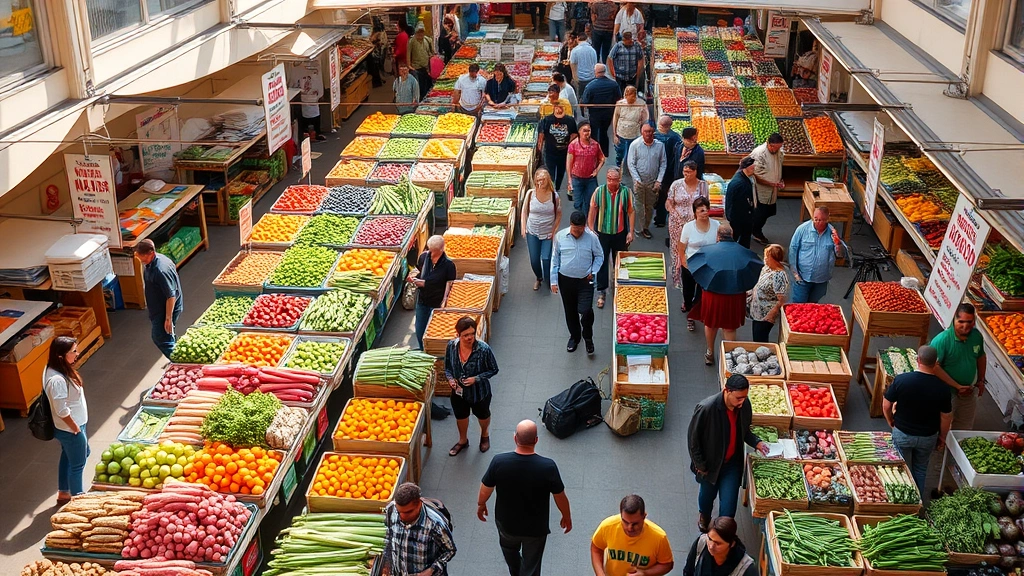
Jerusalem Market Secrets: Local Insights & International Commerce Opportunities
Jerusalem’s markets represent one of the world’s most dynamic and historically significant commercial ecosystems. The Old City bazaars, modern shopping districts, and emerging e-commerce platforms create a unique blend of traditional and contemporary commerce that attracts merchants, entrepreneurs, and consumers from across the globe. Understanding these market dynamics—from the bustling souks of the Old City to international trade patterns—reveals critical insights for businesses operating in or targeting this region.
The Jerusalem market landscape encompasses far more than physical retail spaces. It’s a complex intersection of cultural commerce, international trade, consumer behavior patterns, and digital transformation. Local vendors, international retailers, and digital entrepreneurs all compete within this multifaceted environment, each leveraging distinct advantages and facing unique challenges. This comprehensive guide explores the secrets that successful market participants understand and the actionable strategies that drive commerce in Jerusalem.

Understanding Jerusalem’s Traditional Market Structure
Jerusalem’s traditional markets, particularly the Old City souks, operate under centuries-old commercial principles that remain remarkably effective. The market structure divides into specialized quarters—spice merchants, textile vendors, jewelry sellers, and food traders each occupy distinct zones. This vertical organization creates natural customer flow patterns and establishes trusted merchant communities within each category.
The traditional market system relies heavily on personal relationships and reputation. Merchants build customer bases through consistent quality, fair pricing, and community standing. Unlike modern retail environments with standardized pricing and marketing, Jerusalem’s traditional markets depend on negotiation, personal interaction, and word-of-mouth recommendations. This creates significant barriers to entry for new vendors but provides extraordinary loyalty from established customer bases.
Physical market infrastructure directly impacts commercial success. Prime locations command premium rents, and merchant density affects foot traffic patterns. Strategic positioning near market entrances, along main thoroughfares, or adjacent to complementary businesses generates significantly higher sales volumes. Understanding these spatial dynamics—and how they translate to marketing strategy for small businesses—helps entrepreneurs optimize their market presence.
The traditional market operates on principles of community regulation. Merchant associations, informal pricing agreements, and shared standards maintain market equilibrium. New entrants must navigate these established protocols, often requiring sponsorship from established merchants. This system protects incumbent vendors while creating challenges for innovation and new business models.

Consumer Behavior & Local Shopping Patterns
Jerusalem’s consumer base demonstrates distinct shopping behaviors shaped by cultural preferences, religious observances, and seasonal cycles. Understanding these patterns reveals critical opportunities for merchants and marketers seeking to optimize their commercial strategies in this unique market environment.
Local consumers exhibit strong preferences for fresh, locally-sourced products, particularly in food categories. Weekly shopping patterns concentrate around market days, with peak traffic occurring early morning and late afternoon. Friday shopping intensifies significantly as families prepare for Shabbat, creating predictable demand spikes that experienced merchants exploit through inventory planning and staffing adjustments.
Price sensitivity varies considerably across demographic segments. While some consumer groups prioritize quality and brand reputation over cost, others demonstrate high price elasticity and actively seek discounts. Successful merchants segment their offerings accordingly, maintaining premium product lines alongside value-oriented options. This dual-pricing strategy maximizes market penetration across income levels.
Religious and cultural observances fundamentally shape purchasing decisions. Kosher certification, halal compliance, and religiously-appropriate product sourcing all influence consumer choices. Merchants who understand and respect these requirements gain competitive advantages and build stronger customer relationships. Additionally, seasonal holidays—Passover, Ramadan, Christmas, and others—create predictable demand patterns that merchants can anticipate and capitalize upon.
Tourist behavior significantly impacts market dynamics, particularly in the Old City. International visitors seek authentic experiences, unique souvenirs, and cultural products. Their shopping patterns differ markedly from local consumers, emphasizing novelty, cultural significance, and photographic appeal. Smart merchants maintain distinct product mixes tailored to both local and tourist customer segments.
Modern E-Commerce Integration in Jerusalem
Digital transformation has fundamentally altered Jerusalem’s commercial landscape. While traditional markets remain economically vital, e-commerce platforms increasingly capture market share, particularly among younger consumers and for convenience-driven purchases. Successful merchants now operate hybrid models, combining physical market presence with digital storefronts.
Local entrepreneurs have launched platforms specifically designed for Jerusalem consumers, offering marketplace functionality that connects traditional vendors with online shoppers. These platforms address language preferences, local payment methods, and culturally-relevant product categories. Integration with social media—particularly Instagram and Facebook—provides low-cost marketing channels that reach target demographics effectively.
Mobile commerce has emerged as particularly significant, with smartphone penetration enabling direct-to-consumer transactions and real-time inventory management. WhatsApp-based ordering systems allow merchants to maintain personal customer relationships while leveraging digital efficiency. This hybrid approach preserves the relationship-based commerce that traditional markets built while capturing digital convenience benefits.
Payment system evolution represents another critical transformation. While cash remains prevalent in traditional markets, digital payment adoption accelerates rapidly. Merchants implementing digital marketing trends 2025 increasingly incorporate multiple payment options—credit cards, digital wallets, cryptocurrency in some cases—to accommodate diverse customer preferences and reduce transaction friction.
Supply chain digitization provides competitive advantages for merchants managing inventory, pricing, and customer relationships. Real-time inventory systems prevent stockouts, enable dynamic pricing strategies, and facilitate data-driven decision-making. Merchants who embrace these technologies gain operational efficiency that translates to competitive pricing and improved customer satisfaction.
International Trade & Global Market Connections
Jerusalem’s position as a global crossroads creates significant international trade opportunities. The city functions as a gateway for goods flowing between Europe, Asia, Africa, and the Middle East. Understanding these trade patterns and international connections reveals substantial commercial potential for merchants with global ambitions.
Import-export dynamics shape market availability and pricing significantly. Merchants with established international supplier relationships access goods at lower costs, enabling competitive pricing and exclusive product offerings. Trade agreements, customs regulations, and transportation infrastructure all impact the feasibility and profitability of international sourcing. Successful international merchants develop expertise in navigating these complex logistics networks.
Global supply chains have created vulnerabilities and opportunities. Disruptions in international shipping affect product availability and pricing, creating competitive advantages for merchants with diversified supplier bases. Conversely, merchants who anticipate supply disruptions and build strategic inventory reserves capture market share from competitors facing stock shortages.
International tourism generates substantial demand for locally-produced goods, particularly handicrafts, religious items, and culturally-significant products. Global e-commerce platforms—Etsy, Amazon, eBay—enable Jerusalem merchants to reach international customers directly. This digital globalization allows small vendors to scale beyond physical market limitations, accessing customer bases that traditional retail never could reach.
Currency fluctuations significantly impact international trade dynamics. Exchange rates affect import costs, pricing competitiveness, and profit margins. Merchants managing international transactions must understand currency hedging strategies and pricing adjustments necessary to maintain profitability across currency fluctuations. This financial sophistication differentiates successful international merchants from those focused purely on local commerce.
Marketing Strategies for Jerusalem Markets
Effective marketing in Jerusalem requires understanding the unique characteristics of this diverse market. Traditional word-of-mouth remains powerful, but modern merchants increasingly leverage digital channels to amplify their reach and build brand awareness across broader audiences.
Developing a comprehensive marketing plan specifically tailored to Jerusalem’s market characteristics proves essential. This plan should address both local consumer segments and international tourist audiences, recognizing their distinct needs, preferences, and purchasing behaviors. Segmentation enables merchants to allocate marketing resources efficiently, targeting high-value customer groups with appropriate messaging and channel strategies.
Social media marketing provides cost-effective reach for Jerusalem merchants. Instagram’s visual focus aligns well with showcasing products, particularly handicrafts and culturally-significant items. Facebook’s targeting capabilities enable precise demographic and geographic targeting. TikTok increasingly reaches younger consumers, creating opportunities for merchants willing to experiment with video content and trend participation.
Content marketing builds authority and attracts organic traffic. Blog posts, videos, and guides related to Jerusalem’s cultural significance, product sourcing, and merchant expertise establish credibility and improve search visibility. This content-driven approach creates sustainable competitive advantages compared to paid advertising alone.
Local SEO optimization ensures visibility when consumers search for products and merchants in Jerusalem. Google My Business optimization, local directory listings, and location-specific keywords all improve discoverability. Merchants focusing on geographic markets benefit substantially from these local optimization efforts.
Influencer partnerships and community engagement amplify marketing reach. Local influencers with authentic connections to Jerusalem’s communities provide credible endorsements that resonate with target audiences. Community event participation, sponsorships, and cultural engagement build brand affinity that traditional advertising cannot achieve.
Seasonal Trends & Demand Fluctuations
Jerusalem’s markets experience pronounced seasonal variations driven by religious holidays, tourism patterns, and weather conditions. Understanding these cyclical trends enables merchants to optimize inventory, staffing, and marketing investments throughout the year.
The Jewish calendar creates predictable demand peaks around Passover and Rosh Hashanah. These holidays generate surge demand for specific products—matzo, holiday foods, ritual items—that merchants can anticipate and prepare for through advance sourcing and inventory accumulation. Similarly, the Islamic calendar drives demand during Ramadan, with distinct consumer behaviors including increased evening shopping and specific product preferences.
Christian holidays, particularly Christmas and Easter, create substantial tourism spikes in Jerusalem. Merchants capitalize on this influx through special inventory curation, extended hours, and targeted marketing emphasizing unique cultural products. Tourist-focused merchants often generate 40-60% of annual revenue during these peak periods.
Summer tourism creates sustained demand elevation compared to winter months. School vacation periods increase family travel, driving consistent traffic to markets and tourist-oriented businesses. Merchants adjust staffing and inventory levels accordingly, recognizing these seasonal employment and cash flow implications.
Weather patterns affect market activity significantly. Extreme heat or cold reduces pedestrian traffic and consumer spending. Rainy periods similarly suppress market visits, while mild weather encourages extended shopping trips. Weather-aware merchants adjust pricing, promotional activity, and inventory mix based on seasonal climate patterns.
Digital Payment Systems & Transaction Methods
Payment system evolution fundamentally impacts market efficiency and consumer convenience. Jerusalem’s markets increasingly offer diverse payment options, reflecting both consumer preferences and merchant technological adoption.
Cash remains prevalent, particularly in traditional markets where older merchants and customers maintain historical payment patterns. However, younger merchants and consumers increasingly prefer digital payments for convenience, security, and record-keeping advantages. This generational shift creates transition challenges for merchants adapting to new payment technologies.
Credit and debit card acceptance requires merchant account infrastructure, transaction fees, and payment processing technology. While these costs reduce profit margins, the convenience benefits and customer base expansion often justify the investment. Merchants accepting cards access customers with lower cash balances and those preferring digital transaction records.
Mobile payment systems—Apple Pay, Google Pay, local digital wallet services—continue gaining adoption. These contactless payment methods provide convenience and hygiene benefits that consumers increasingly value. Merchants implementing mobile payment infrastructure gain competitive advantages in customer experience and transaction speed.
International payment processing enables tourists to purchase using their home currency and payment methods. This frictionless transaction experience increases tourist spending and improves customer satisfaction. Merchants targeting international customers must implement payment systems accommodating multiple currencies and international payment networks.
Cryptocurrency adoption remains limited but growing in Jerusalem’s tech-forward merchant segments. Bitcoin and other digital currencies provide transaction benefits for international customers and merchants seeking to avoid traditional banking infrastructure. While mainstream adoption remains limited, forward-thinking merchants exploring cryptocurrency transactions position themselves advantageously for future payment system evolution.
Understanding and implementing marketing funnel examples helps merchants optimize customer journeys across payment systems, ensuring seamless transactions that convert browsers into customers. Additionally, exploring best marketing tools for small businesses enables merchants to implement systems supporting diverse payment methods while maintaining operational efficiency.
FAQ
What are the main characteristics of Jerusalem’s traditional market system?
Jerusalem’s traditional markets operate on principles of specialized merchant quarters, personal relationships, reputation-based commerce, and community regulation. Unlike standardized retail, these markets emphasize negotiation, word-of-mouth recommendations, and informal pricing agreements. Physical location, merchant density, and established community networks significantly impact commercial success.
How do seasonal patterns affect Jerusalem market commerce?
Religious holidays create predictable demand peaks—Passover, Rosh Hashanah, Ramadan, Christmas, and Easter—that merchants can anticipate through inventory planning. Tourism spikes during school vacations and mild weather periods. Weather conditions directly impact foot traffic and consumer spending patterns. Successful merchants adjust staffing, inventory, and pricing based on these cyclical trends.
Which digital tools are most effective for Jerusalem merchants?
Social media platforms—particularly Instagram and Facebook—provide cost-effective marketing reach. WhatsApp-based ordering maintains personal customer relationships while leveraging digital efficiency. Mobile payment systems accommodate modern consumer preferences. Local e-commerce platforms connect traditional vendors with online shoppers. Local SEO optimization improves discoverability for location-based searches.
How can merchants balance traditional and digital commerce?
Hybrid business models combining physical market presence with digital storefronts maximize market reach. Social media integration amplifies traditional word-of-mouth marketing. Mobile payment systems bridge traditional and digital transactions. Content marketing builds authority while maintaining personal customer relationships. This integrated approach preserves relationship-based commerce advantages while capturing digital efficiency benefits.
What payment methods should Jerusalem merchants implement?
Successful merchants offer multiple payment options—cash, credit/debit cards, mobile payments, and potentially cryptocurrency—accommodating diverse customer preferences. International payment processing enables tourist customers to use home currencies and payment methods. Each payment option requires different infrastructure investments, which merchants should evaluate based on target customer segments and profitability projections.
How do international trade connections impact local market dynamics?
Merchants with established international supplier relationships access goods at lower costs, enabling competitive pricing and exclusive offerings. Global supply chain disruptions create both vulnerabilities and opportunities for merchants with diversified supplier bases. International e-commerce platforms enable small vendors to reach global customers directly. Currency fluctuations significantly impact profitability for merchants managing international transactions.