Is Misfits Market Worth It? Honest Review for Budget-Conscious Shoppers
Misfits Market has emerged as one of the most talked-about grocery delivery services in recent years, promising significant savings on fresh produce and pantry staples. But does the reality match the hype? With subscription grocery boxes becoming increasingly popular, understanding whether Misfits Market delivers genuine value requires examining pricing, product quality, delivery reliability, and how it compares to traditional grocery shopping and competitors. This honest review breaks down everything you need to know before committing to a subscription.
The service operates on a unique business model that focuses on “imperfect” produce—fruits and vegetables that don’t meet cosmetic standards but are perfectly edible. By reducing waste and buying directly from farms, Misfits Market claims to pass savings directly to customers. However, potential subscribers deserve to understand the complete picture, including membership costs, hidden fees, product availability, and whether the convenience justifies the expense for their specific household needs.
What Is Misfits Market?
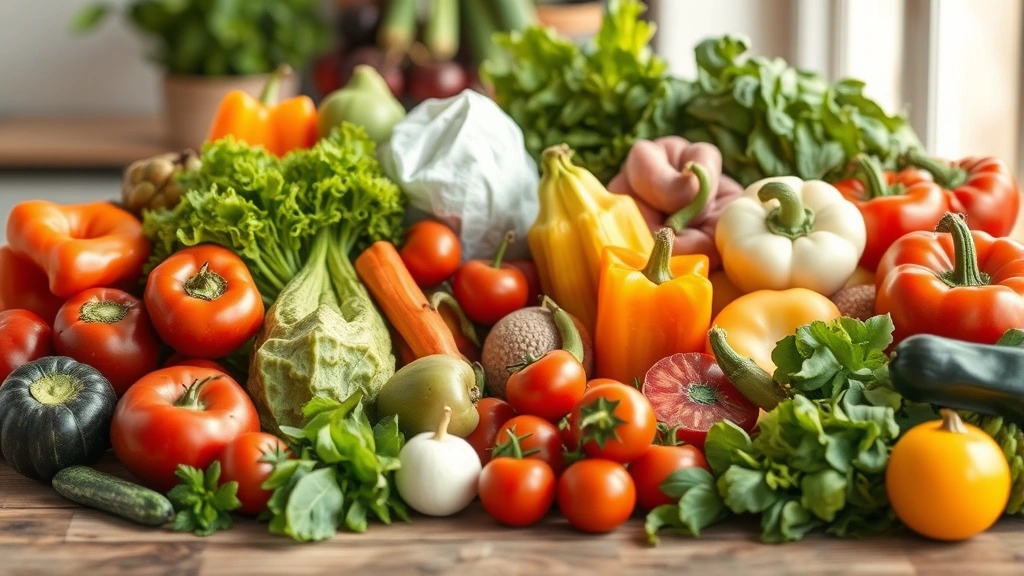
Misfits Market is a subscription-based grocery delivery service founded in 2015 that specializes in delivering surplus and imperfect produce directly to consumers’ homes. The company partners with farms and suppliers to rescue produce that would otherwise be discarded due to minor cosmetic imperfections—slightly odd shapes, minor blemishes, or size variations that don’t affect nutritional value or taste.
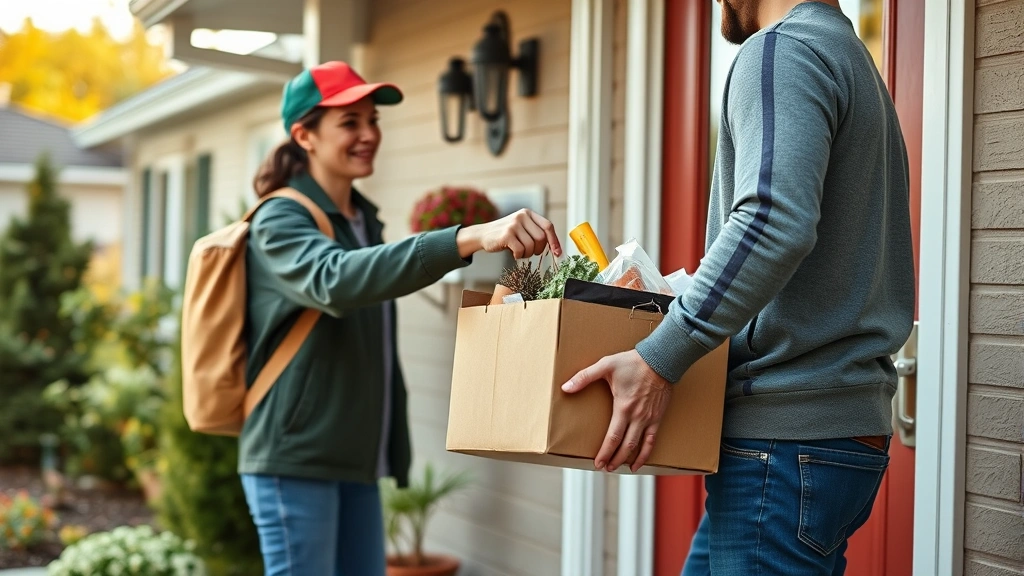
The service operates in select regions across the United States, with coverage expanding gradually. Unlike traditional grocery delivery services that focus on convenience, Misfits Market emphasizes sustainability and cost reduction through their waste-reduction model. Customers receive weekly boxes containing a curated selection of produce, dairy, pantry items, and specialty products, with options to customize orders before delivery.
The company’s sustainability mission appeals to environmentally conscious consumers who want to reduce food waste while saving money. According to recent market research on online food delivery trends, subscription grocery services have grown significantly as consumers seek alternatives to traditional shopping, making Misfits Market part of a larger industry shift.
Pricing and Membership Costs
Understanding Misfits Market’s pricing structure is crucial for determining if the service makes financial sense for your household. The service operates on a subscription model rather than a pay-per-order system, which means you’re committing to regular purchases.
Membership Options:
- Standard Subscription: Typically $35-$50 per week depending on your location and the specific box you select
- Flexibility: You can pause deliveries, skip weeks, or cancel anytime without penalty
- Shipping: Most plans include free delivery on orders over a certain minimum (usually $35-$45)
- Additional Fees: Some regions may have delivery fees if orders fall below minimums
When evaluating whether the pricing is worthwhile, consider that a typical box might contain 15-20 items worth $60-$80 at conventional grocery stores. This apparent 30-40% discount is the primary value proposition. However, the actual savings depend on several factors: your local grocery prices, whether you use coupons at traditional stores, the quality of items you receive, and your household’s consumption patterns.
The subscription model creates a psychological commitment that may influence your purchasing behavior. Unlike traditional grocery shopping where you buy only what you need, subscription services can encourage spending patterns based on box availability rather than genuine household needs.
Product Quality and Selection
The defining characteristic of Misfits Market is its focus on imperfect produce. Real-world customer experiences reveal mixed results regarding quality and consistency.
Produce Quality: Most subscribers report that produce quality is excellent, with items lasting as long as conventional grocery store purchases. The cosmetic imperfections—minor blemishes, unusual shapes, or size variations—genuinely don’t affect flavor or nutritional value. However, some customers experience occasional issues with items arriving slightly past peak freshness, particularly with berries and delicate produce.
Selection Variability: Unlike traditional grocery shopping where you choose specific items, Misfits Market’s model emphasizes seasonal availability and what’s available from partner farms that week. This means less predictability in your box contents. Regular customers either embrace this as an adventure or find it frustrating if they need specific ingredients for meal planning.
Specialty Items: Beyond produce, boxes include dairy products, pantry staples, snacks, and sometimes prepared foods. The quality of these items is generally comparable to supermarket offerings, though the selection is limited compared to traditional stores.
For meal planning purposes, the unpredictability can be a significant drawback. Customers who prefer structured meal plans with specific ingredients may find this service less suitable than shopping at conventional stores or using services with more predictable inventories.
Delivery Reliability and Logistics
Delivery performance is critical for evaluating subscription grocery services. Misfits Market’s logistics system works differently than traditional grocery delivery because boxes are pre-assembled based on weekly inventory rather than individually picked for each order.
Delivery Windows: The service typically operates on set delivery days for each region, usually offering a narrow window (2-4 hours) when your box will arrive. This requires schedule flexibility and home availability during delivery times.
Reliability Record: Most customers report generally reliable delivery, with items arriving on scheduled dates. However, occasional delays occur, particularly during peak seasons or in areas with higher demand. Unlike on-demand services like grocery delivery apps, Misfits Market doesn’t offer same-day or next-day flexibility.
Packaging and Damage: Items arrive in insulated boxes with ice packs. Produce typically arrives in good condition, though delicate items like berries occasionally experience some damage during transit. The company generally handles damage claims reasonably well.
The fixed delivery schedule appeals to some customers who appreciate predictability but frustrates others who prefer flexibility. This is an important consideration when evaluating whether the service fits your lifestyle.
Real Savings Compared to Grocery Stores
The central question for most evaluators: does Misfits Market actually save money compared to traditional grocery shopping?
Theoretical Savings: Marketing materials suggest 30-40% savings compared to conventional supermarkets. This calculation typically assumes you’re comparing against full-price items without sales or coupons, which isn’t realistic for savvy shoppers.
Real-World Comparison: A more honest assessment requires comparing Misfits Market pricing to what you’d actually spend through your preferred shopping method. Consider these scenarios:
- Non-Coupon Shoppers: If you typically buy produce and groceries at full supermarket prices, Misfits Market likely saves 20-30%
- Sale-Focused Shoppers: Consumers who regularly use store sales, loyalty programs, and digital coupons may find minimal savings or even higher costs with Misfits Market
- Warehouse Club Members: Costco and Sam’s Club members often find comparable or better pricing, especially on bulk items
- Regional Discount Grocers: Areas with budget-focused chains like Aldi or Lidl may offer pricing competitive with or better than Misfits Market
The subscription model also creates a psychological trap: customers often spend the full subscription amount regardless of actual needs. Compare this to traditional shopping where you spend only what you need, and the real savings advantage diminishes significantly.
For comprehensive understanding of how subscription services fit into broader marketing strategies, review our guide on marketing strategy for small businesses, which discusses subscription business models and consumer behavior patterns.
Pros and Cons Summary
Significant Advantages:
- Environmental Impact: Participating in food waste reduction is genuinely meaningful for sustainability-minded consumers
- Convenience: Delivery to your home eliminates shopping trips, valuable for busy households
- Price Predictability: Fixed weekly costs make budgeting easier than variable grocery spending
- Fresh Produce: Direct farm relationships often mean fresher items than supermarket produce
- No Commitment Required: Ability to pause or cancel anytime reduces subscription risk
- Discovery Factor: Exposure to seasonal produce varieties you might not buy otherwise
Significant Drawbacks:
- Limited Service Areas: Geographic restrictions mean many consumers can’t access the service
- Selection Unpredictability: Difficulty with meal planning due to variable box contents
- Schedule Inflexibility: Fixed delivery windows require home availability
- Not Always Cheaper: Comparison shopping often reveals competitive or superior pricing elsewhere
- Produce Imperfections: While not affecting quality, some customers prefer cosmetically perfect items
- Limited Pantry Options: Smaller selection compared to full-service grocery stores
- Quality Inconsistency: Occasional issues with freshness or item condition
Competitor Alternatives
Understanding how Misfits Market compares to alternatives helps determine if it’s truly the best option for your situation.
Traditional Grocery Delivery (Instacart, Amazon Fresh, Walmart+): These services offer wider selection and on-demand flexibility but typically lack the sustainability angle and may not offer the same price reductions. They’re better for convenience-focused shoppers but worse for environmentally conscious consumers prioritizing waste reduction.
Warehouse Clubs (Costco, Sam’s Club): Bulk purchasing often delivers superior per-unit pricing, especially for pantry staples and proteins. However, you need membership and storage space, and the selection differs significantly. These work better for large households or frequent entertaining.
Discount Grocers (Aldi, Lidl, Trader Joe’s): Regional discount chains often match or beat Misfits Market pricing on produce while offering wider selection and shopping flexibility. These are ideal for price-conscious shoppers who prefer traditional shopping experiences.
Farmers Markets: Direct farm purchases often provide excellent pricing on seasonal produce while supporting local agriculture. However, they require time investment and may have limited availability depending on your location and season.
Community Supported Agriculture (CSA): Similar to Misfits Market in sustainability focus, CSA boxes offer local produce at competitive prices. The key difference is CSA typically involves advance payment and supports specific farms, creating different consumer relationships.
Choosing between these options requires evaluating your priorities. If environmental impact and convenience are paramount, Misfits Market excels. If price optimization is your focus, comparison shopping at discount grocers or warehouse clubs might serve you better. Our article on best marketing tools for small businesses discusses how companies use data to understand consumer preferences, relevant for understanding how these services compete.
FAQ
Does Misfits Market have a free trial?
Misfits Market occasionally offers promotional discounts for new customers, but these vary by region and time. Check their website for current offers. There typically isn’t a completely free trial, though first-box discounts may be available.
Can you customize your Misfits Market box?
Yes, you can customize boxes before delivery by adding or removing items through their website. You can also skip items you don’t want, though this reduces box value slightly.
What happens if produce arrives damaged?
Misfits Market has a customer service process for damaged items. You can report issues through their app or website, and they typically provide refunds or credits for damaged products.
Is Misfits Market available in my area?
Service availability is limited to select regions, primarily on the East Coast and expanding westward. Check their website by entering your zip code to determine availability.
How does Misfits Market’s sustainability impact compare to other services?
Misfits Market’s focus on imperfect produce prevents food waste, making it genuinely more sustainable than traditional grocery shopping for most consumers. However, delivery logistics create carbon emissions, somewhat offsetting environmental benefits.
Can you pause your subscription easily?
Yes, pausing or skipping weeks is straightforward through your account settings. There are no penalties for pausing, making it easy to adjust based on your needs.
What types of produce does Misfits Market typically include?
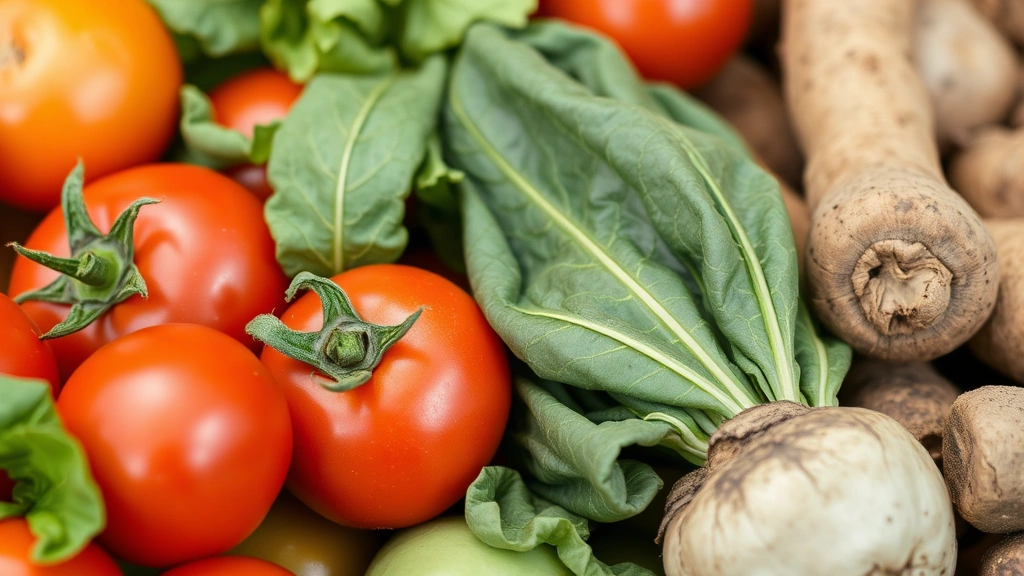
Boxes usually contain seasonal vegetables and fruits, with variety depending on what’s available from partner farms that week. Typical items include leafy greens, root vegetables, berries, and seasonal fruits.
How does Misfits Market compare to shopping at Costco?
Misfits Market offers convenience and sustainability focus but typically requires membership commitment. Costco offers bulk purchasing power and wider selection but requires upfront membership fees and shopping time. The better choice depends on your priorities and household size.
Is the imperfect produce actually lower quality?
No, imperfect produce is cosmetically different but nutritionally and taste-wise identical to perfect-looking produce. The only difference is appearance, which doesn’t affect quality or shelf life significantly.
What’s the minimum order requirement?
Misfits Market requires purchasing their standard weekly box, typically $35-$50. There’s no additional minimum beyond this subscription commitment.
Final Verdict: Misfits Market is worth it if you prioritize sustainability, value convenience, and accept that you’ll receive variable produce selections weekly. For price-optimization-focused shoppers or those who prefer selection consistency, exploring alternatives through our marketing funnel examples guide can help you understand consumer decision-making processes. The service genuinely delivers on its environmental promises and provides reasonable pricing for many households, but it’s not universally the cheapest grocery option. Evaluate based on your specific priorities, local alternatives, and household needs rather than assuming marketing claims. For those interested in subscription business models and consumer behavior, our resource on digital marketing trends 2025 discusses how subscription services are reshaping retail.