
The dairy industry is undergoing a seismic shift. imagindairy, an Israeli precision fermentation company, has received regulatory approval to market animal-free dairy proteins in Israel, marking a watershed moment for alternative protein technology. This milestone signals that lab-grown dairy proteins are transitioning from scientific curiosity to commercial reality, with profound implications for food manufacturers, retailers, and consumers worldwide.
The approval represents more than a regulatory checkbox. It validates a technology that could fundamentally reshape how we produce dairy products—eliminating animal farming’s environmental footprint while maintaining the nutritional and sensory properties consumers expect. For ecommerce businesses and traditional retailers alike, understanding this shift is critical to staying competitive in an increasingly protein-conscious market.
imagindairy’s breakthrough comes at a pivotal moment when dairy industry trends are accelerating toward sustainability and innovation. The company’s approval in Israel—a nation with significant dairy production and export capabilities—could catalyze broader regulatory acceptance across Europe, North America, and Asia-Pacific markets.
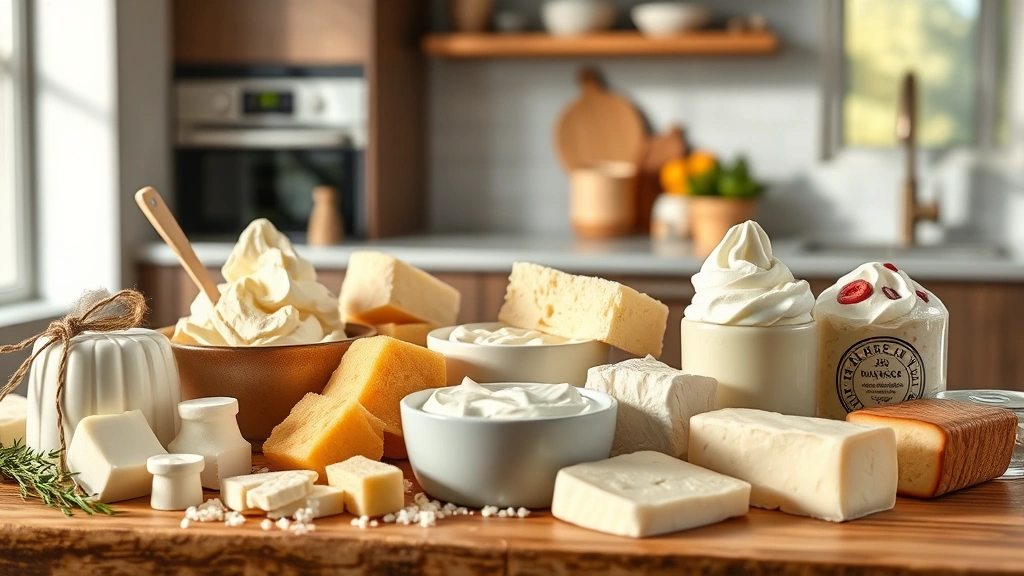
What imagindairy’s Approval Means for the Dairy Industry
imagindairy’s regulatory approval in Israel represents a critical inflection point for the alternative protein sector. The company can now legally produce and sell dairy proteins created through precision fermentation—a process that uses microorganisms to produce identical proteins to those found in cow’s milk, without requiring animals. This is fundamentally different from plant-based alternatives, which attempt to mimic dairy through plant ingredients.
The significance of Israeli regulatory approval cannot be overstated. Israel has positioned itself as a global hub for alternative protein innovation, with government support for food technology startups. This approval signals to other regulatory bodies—particularly the European Food Safety Authority and the U.S. FDA—that animal-free dairy proteins are safe and viable for commercial distribution. The precedent established here will likely accelerate approval timelines in other jurisdictions.
For the global dairy market, valued at over $600 billion annually, this approval introduces genuine competition to traditional dairy production. Unlike plant-based alternatives that target lactose-intolerant consumers or ethical consumers, imagindairy’s products compete directly with conventional dairy on nutritional equivalence and taste. A consumer choosing between conventional yogurt and imagindairy-based yogurt isn’t making a compromise—they’re potentially making a sustainability choice without sacrificing product quality.
The approval also validates investor confidence in precision fermentation technology. imagindairy has raised substantial funding from leading venture capital firms, and this regulatory milestone will likely unlock additional capital for the company and its competitors. The marketing strategy for startups in this space now includes regulatory approval as a credibility marker, enabling more aggressive market entry and brand positioning.
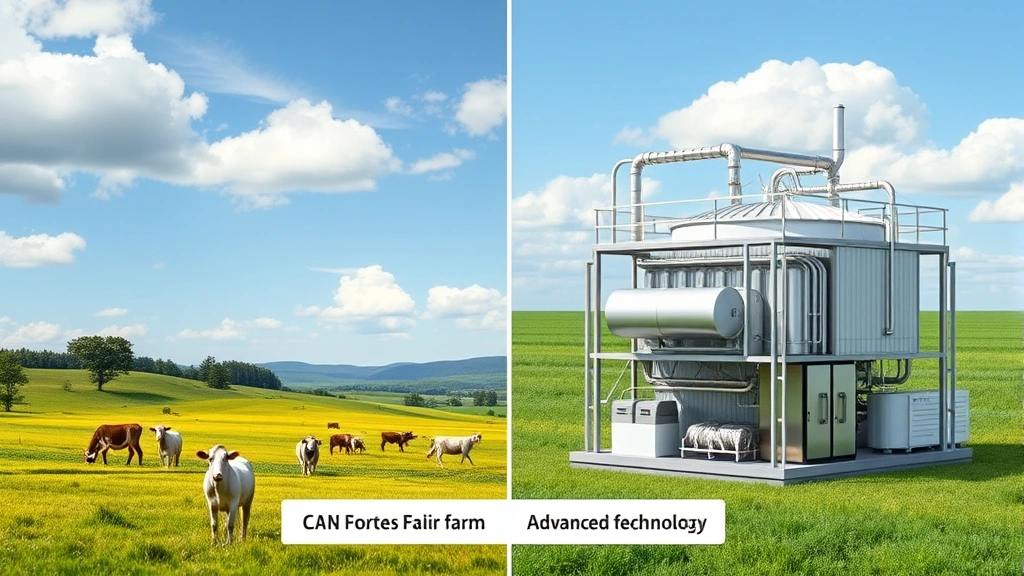
The Technology Behind Animal-Free Dairy Proteins
Precision fermentation—sometimes called cellular fermentation or biomimicry fermentation—is the technological foundation of imagindairy’s breakthrough. The process begins with identifying the specific genes responsible for producing dairy proteins like casein and whey. Scientists insert these genes into microorganisms, typically fungi or bacteria, which then naturally produce the identical proteins found in cow’s milk.
The science is elegant but complex. Rather than extracting proteins from cows, fermentation tanks containing these engineered microorganisms produce dairy proteins in a controlled environment. The proteins are then isolated, purified, and processed into ingredients that food manufacturers can use to create dairy products. The end result is chemically identical to conventional dairy protein—it’s not an approximation or a substitute, but the actual molecule.
This technological approach offers several advantages over alternative methods. Plant-based proteins require extensive processing and flavoring to mask their source taste. Precision fermentation produces proteins that taste like dairy because they are dairy, at the molecular level. Manufacturers can create products with superior taste profiles, texture, and nutritional density compared to plant-based alternatives.
The fermentation process also operates independently of seasons and weather patterns that affect livestock agriculture. Production capacity can scale infinitely through additional fermentation infrastructure, without requiring additional land or livestock. This scalability is critical for meeting global protein demand as the world population grows and dietary preferences shift toward sustainability-conscious choices.
imagindairy’s specific formulations include casein and whey proteins—the two primary proteins in milk. Casein comprises approximately 80% of milk protein and is essential for cheese production and yogurt structure. Whey protein, representing roughly 20% of milk protein, is valued for its amino acid profile and use in protein beverages and supplements. By producing both proteins, imagindairy enables manufacturers to create a complete range of dairy products without using animal milk.
The regulatory approval process required extensive safety documentation and testing. imagindairy had to demonstrate that the fermentation process, the genetic modifications, and the final products pose no health risks. The company also needed to prove that production methods maintain consistent quality and purity standards. This rigorous evaluation strengthens consumer confidence and establishes precedent for other precision fermentation applications.
Market Impact and Consumer Adoption Trends
Consumer attitudes toward alternative proteins have undergone dramatic transformation over the past five years. A McKinsey study on alternative proteins found that 39% of consumers in developed markets actively consider alternative protein options, with adoption rates highest among younger demographics and urban populations. However, taste and texture remain the primary barriers to broader adoption.
imagindairy’s approval directly addresses this consumer barrier. Unlike plant-based alternatives, precision-fermented dairy proteins deliver authentic dairy taste and nutritional profiles. This positions imagindairy products to appeal not just to ethical consumers, but to the broader mainstream market—consumers who prioritize taste and nutrition above all else but increasingly value environmental sustainability.
The global alternative dairy market reached $12.7 billion in 2023 and is projected to grow at 12.8% annually through 2030, according to industry analysts. However, most growth has concentrated in plant-based segments. Precision fermentation represents the next wave of market expansion, with potential to capture segments of the conventional dairy market that plant-based products have struggled to penetrate—particularly cheese, yogurt, and ice cream categories where texture and taste are paramount.
In Israel specifically, the approval enables immediate market entry for imagindairy products. Israeli consumers demonstrate strong interest in food technology and sustainability, with approximately 8% of the population identifying as vegan and significantly higher percentages reducing animal product consumption. The domestic market serves as a crucial testing ground for product refinement and consumer feedback before international expansion.
For ecommerce retailers, this approval signals emerging product categories to monitor and stock. Understanding how specialty food retailers operate becomes increasingly relevant as precision-fermented dairy products enter distribution channels. Early adoption by ecommerce platforms can establish competitive advantage and brand positioning as sustainability-conscious retailers.
Regulatory Landscape and Future Approvals
Israel’s approval of imagindairy products sets the stage for regulatory decisions in other major markets. The European Union, United States, and China all have distinct regulatory frameworks for novel foods and novel food ingredients. Understanding how Israeli approval influences these processes is critical for predicting market timeline and scale.
The European Food Safety Authority (EFSA) has established a comprehensive novel food approval process. imagindairy has already submitted applications for several European markets. The Israeli approval significantly strengthens these applications by demonstrating successful regulatory assessment in another developed nation. EFSA typically requires 6-12 months for evaluation following complete application submission, suggesting European approval could materialize within 12-24 months.
The U.S. FDA regulatory pathway is more complex. The agency requires either GRAS (Generally Recognized as Safe) certification or pre-market approval. Several precision fermentation companies have successfully navigated FDA approval, including companies producing fermented ingredients for other applications. imagindairy’s Israeli approval provides valuable precedent data that FDA reviewers can examine, potentially accelerating U.S. approval timelines.
China represents a significant opportunity and regulatory challenge. The country has been cautious with novel food approvals but is increasingly investing in alternative protein technology as part of food security strategy. Chinese regulatory bodies will likely reference Israeli and European approvals when evaluating imagindairy applications, creating a potential approval cascade across major markets.
The regulatory approval process also establishes labeling and marketing requirements. imagindairy products will likely require clear labeling indicating fermentation-derived dairy proteins, distinguishing them from both conventional dairy and plant-based alternatives. This labeling creates marketing strategy opportunities for startups to educate consumers about precision fermentation technology and its benefits.
Future regulatory developments will likely include establishment of standardized testing protocols for precision fermentation products, harmonization of labeling requirements across jurisdictions, and potential tax incentives or subsidies supporting alternative protein adoption. These regulatory evolutions will shape competitive dynamics and market structure over the next 5-10 years.
Business Implications for Retailers and Ecommerce
imagindairy’s approval creates immediate business implications for retailers and ecommerce platforms. Food manufacturers can now develop and commercialize dairy products using precision-fermented proteins, creating new product categories that didn’t previously exist. Retailers must understand these opportunities to position themselves competitively.
For traditional grocery retailers, precision-fermented dairy products will initially occupy shelf space within conventional dairy sections, potentially cannibalizing sales from existing products. However, retailers can differentiate through sustainability messaging and transparency about product sourcing. Creating dedicated sections for precision-fermented products enables retailers to capture the growing segment of sustainability-conscious consumers willing to pay premiums for environmentally responsible options.
Ecommerce platforms face different dynamics. Online retailers can leverage detailed product descriptions, educational content, and customer reviews to explain precision fermentation technology and build consumer confidence. Specialty ecommerce platforms like Thrive Market that emphasize sustainable and innovative products are particularly well-positioned to feature imagindairy and competing products prominently.
The approval also creates opportunities for B2B ecommerce platforms serving food manufacturers. Companies that produce yogurt, cheese, ice cream, and other dairy products need access to precision-fermented proteins. B2B platforms connecting manufacturers with suppliers of these novel ingredients will become increasingly valuable. Retailers operating in this space can establish themselves as critical infrastructure for the emerging alternative protein industry.
Pricing strategy represents a critical consideration. Initially, precision-fermented dairy proteins will likely command premiums over conventional dairy due to production costs and limited supply. Retailers must educate consumers about value propositions beyond price—environmental benefits, nutritional advantages, and taste equivalence—to justify premium positioning. As production scales and competition increases, prices will decline, enabling broader market penetration.
Customer acquisition and retention strategies should emphasize education and transparency. Consumers unfamiliar with precision fermentation may conflate it with genetic modification or synthetic production, creating misconceptions. Retailers that clearly explain the science, safety, and benefits of precision fermentation will build consumer trust and establish brand authority in this emerging category.
Competitive Positioning in the Alternative Protein Space
imagindairy’s regulatory approval positions the company as a leader in precision fermentation, but competitive dynamics are intensifying. Several other companies are pursuing similar technology pathways, creating a race for market share and regulatory approvals across jurisdictions.
Competitors include Perfect Day, a San Francisco-based company that has already commercialized precision-fermented whey protein in select markets and achieved FDA approval. Perfect Day’s products are currently available through limited distribution channels, and the company has partnerships with major food manufacturers. imagindairy’s Israeli approval establishes it as a credible competitor with regulatory validation in a major market.
Other competitive threats include traditional dairy companies investing in alternative protein research and production. Companies like Arla Foods and Fonterra are exploring precision fermentation and other alternative protein technologies, leveraging existing distribution networks and brand recognition. These incumbents pose significant competitive threats due to their capital resources and market access.
Plant-based dairy alternatives, while not direct technical competitors, represent alternative solutions to the same consumer needs—sustainability, nutrition, and taste. Companies like Oatly and Impossible Foods have established strong brand recognition and distribution. However, precision-fermented dairy proteins offer superior taste and nutrition for many applications, positioning them to capture market segments that plant-based alternatives have struggled to penetrate.
imagindairy’s competitive advantages include proprietary fermentation technology, regulatory approval in Israel, and potential first-mover advantages in European and Asian markets. The company’s focus on producing both casein and whey proteins enables broader product applications compared to competitors focused on single proteins. Strategic partnerships with major food manufacturers will be critical for translating technological advantages into market share.
Sustainability and Environmental Benefits
Precision fermentation offers compelling environmental advantages compared to conventional dairy production. Dairy farming requires substantial land, water, and feed inputs while generating significant greenhouse gas emissions. According to FAO research on livestock emissions, dairy production accounts for approximately 3.7% of global greenhouse gas emissions. Shifting even modest portions of dairy consumption to precision-fermented alternatives could meaningfully reduce environmental impact.
Precision fermentation requires dramatically less land compared to dairy farming. A single fermentation facility can produce equivalent protein quantities to hundreds or thousands of dairy farms, using a fraction of the land area. This enables rewilding of agricultural land and restoration of natural ecosystems—a critical consideration as biodiversity loss accelerates globally.
Water usage represents another significant advantage. Conventional dairy production is extremely water-intensive, requiring 1,000+ liters of water per liter of milk produced when accounting for feed cultivation. Precision fermentation requires water for fermentation processes but operates in closed-loop systems with minimal waste. Industrial fermentation facilities can recycle and reuse water, reducing consumption by 90%+ compared to dairy farming.
Greenhouse gas emissions reductions are substantial. Dairy cattle produce methane through enteric fermentation—a potent greenhouse gas with 28-36 times the warming potential of carbon dioxide over 100 years. Precision fermentation eliminates this direct methane source entirely. Indirect emissions from feed production, transportation, and processing are also significantly lower, potentially reducing dairy protein’s carbon footprint by 80% or more.
imagindairy emphasizes these environmental benefits in its marketing and positioning. As UN sustainable development goals increasingly drive corporate and consumer behavior, environmental credentials become competitive advantages. Companies that can demonstrate genuine environmental benefits through precision fermentation will capture growing segments of sustainability-conscious consumers.
The approval also positions Israel as a leader in sustainable food technology globally. The nation’s emphasis on innovation and environmental stewardship aligns with precision fermentation development. This positioning could attract additional investment in food technology startups and establish Israel as a hub for alternative protein development—creating broader economic benefits beyond imagindairy itself.
FAQ
What exactly is precision fermentation and how does it differ from genetic modification?
Precision fermentation uses genetic engineering to insert specific genes into microorganisms, enabling them to produce dairy proteins naturally. The microorganisms aren’t modified for consumption—they’re used as production factories. The resulting dairy proteins are identical to those produced by cows, not genetically modified organisms themselves. This distinguishes precision fermentation from GMO crops or animals.
Are imagindairy products safe for consumption?
imagindairy products underwent extensive regulatory review and testing before receiving Israeli approval. The regulatory process required demonstrating safety, purity, and quality standards equivalent to conventional dairy products. The proteins produced are chemically identical to natural dairy proteins, posing no novel safety concerns. However, individuals with dairy allergies should exercise caution, as these are true dairy proteins.
When will imagindairy products be available in major markets outside Israel?
European approval is anticipated within 12-24 months, with U.S. FDA approval potentially following 6-12 months after European approval. Regulatory timelines depend on application completeness and agency workload. imagindairy has indicated plans for rapid international expansion following approvals in major markets.
How do precision-fermented dairy prices compare to conventional dairy?
Initially, precision-fermented dairy proteins command significant premiums due to production costs and limited scale. As production capacity increases and competition intensifies, prices are expected to decline. Long-term pricing will likely approach or potentially undercut conventional dairy once fermentation infrastructure scales globally.
Will imagindairy products replace conventional dairy production entirely?
Unlikely in the near term. Conventional dairy production has established infrastructure, brand loyalty, and consumer familiarity. However, precision fermentation is expected to capture significant market share—potentially 20-30% of global dairy protein consumption within 10-15 years. Hybrid models combining conventional and precision-fermented dairy are also likely.
How does marketing importance for business apply to alternative dairy products?
Marketing is critical for educating consumers about precision fermentation technology and building confidence in novel products. Companies must clearly communicate sustainability benefits, nutritional equivalence, and taste advantages to overcome consumer skepticism. Effective marketing positions precision-fermented dairy as innovation that delivers on consumer priorities—not compromise.