Garden Fresh Ideas? Market Expert Insights on Farmers Market Success
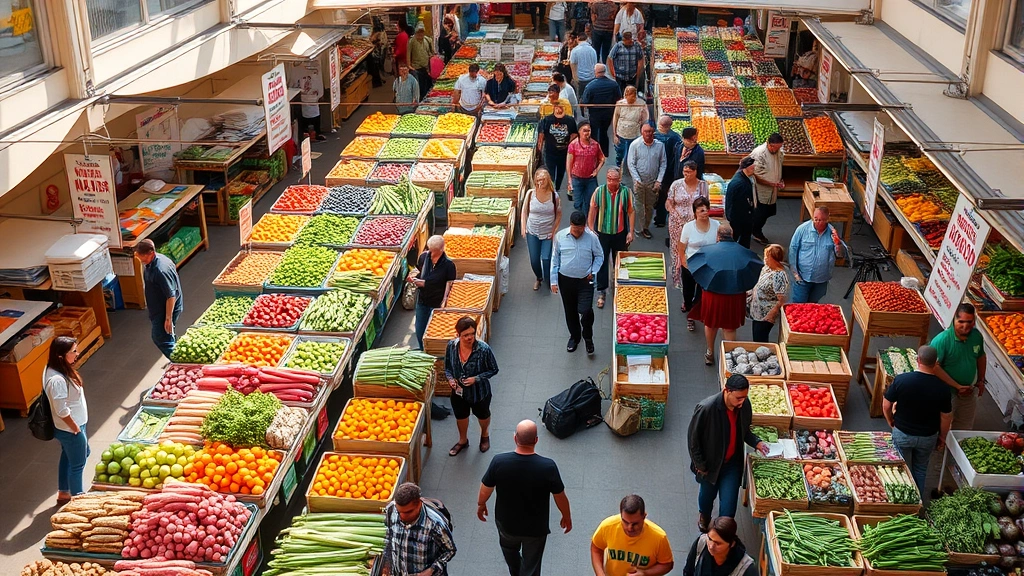
The farmers market landscape has undergone a dramatic transformation over the past five years. What once operated as a weekend gathering of local producers has evolved into a sophisticated retail ecosystem where data-driven strategies, consumer psychology, and supply chain innovation determine success. Garden-fresh produce vendors now compete not just with each other, but with e-commerce platforms, subscription boxes, and traditional grocery chains that have adopted their own farm-to-table positioning. Understanding these market dynamics is essential for anyone looking to thrive in this space.
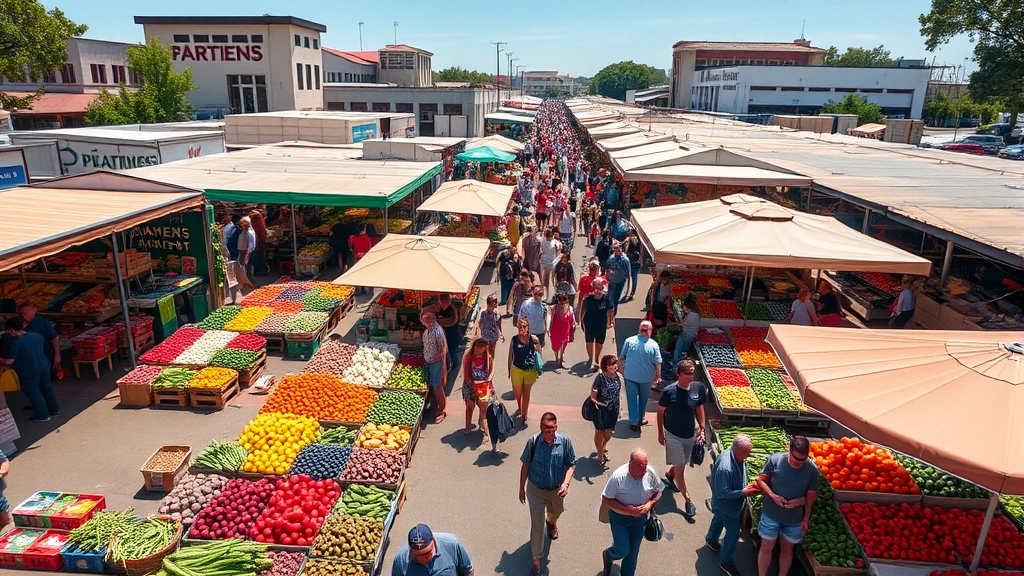
Farmers markets generate over $2 billion in annual sales across North America, with growth rates consistently outpacing conventional retail channels. This expansion reflects fundamental shifts in consumer behavior: 73% of shoppers now prioritize locally sourced products, while 68% actively seek transparency about food origins. However, success in this environment requires more than fresh produce and a tent. It demands strategic positioning, customer relationship management, and a deep understanding of market trends that separate thriving vendors from struggling ones.
Consumer Behavior Shifts Driving Farmers Market Growth
Modern consumers approach farmers markets with specific intentions shaped by lifestyle values and economic considerations. Research from the USDA Agricultural Marketing Service indicates that 62% of farmers market shoppers are motivated by health consciousness, while 54% cite environmental sustainability as a primary driver. This behavioral segmentation is critical—understanding your customer’s primary motivation allows vendors to tailor their messaging, product selection, and overall market experience.
The demographic profile of farmers market shoppers has also diversified significantly. While traditionally dominated by affluent, urban consumers aged 35-65, current data shows robust participation from younger demographics (ages 25-34) and suburban families seeking value. Household income diversity has expanded too; contrary to popular perception, 31% of farmers market shoppers have household incomes under $50,000. This democratization of the farmers market customer base creates opportunities for vendors who can serve multiple market segments simultaneously.
Geographic location dramatically influences shopping patterns and product preferences. Urban farmers markets typically see higher foot traffic (200-500 visitors weekly) but face intense competition and premium rent. Suburban markets attract family-oriented shoppers with larger basket sizes but lower weekly visit frequency. Rural markets benefit from lower operational costs but must address limited customer pools. Successful vendors understand their specific market context and adapt their marketing strategy for small businesses accordingly.
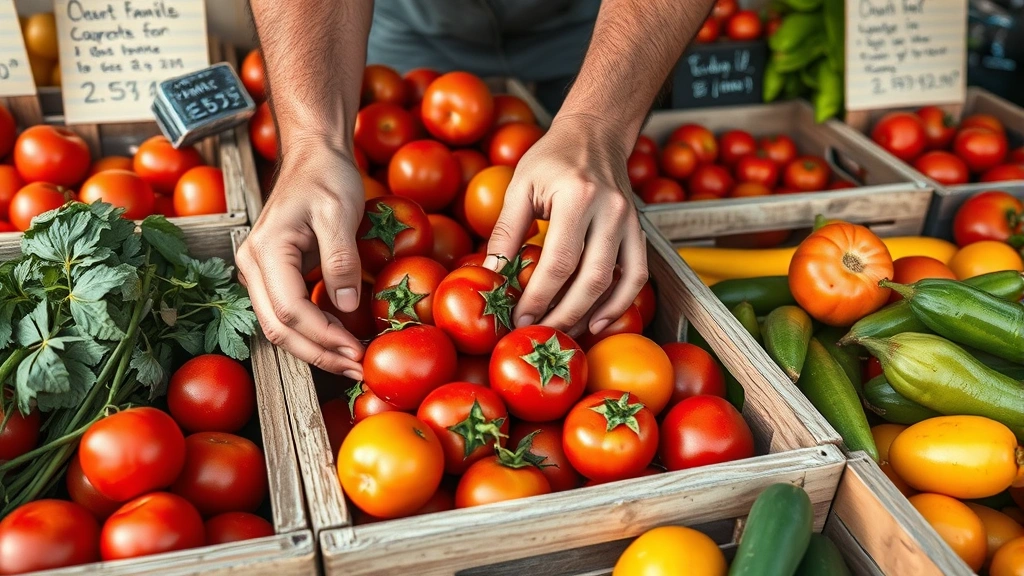
Seasonal consciousness has returned as a competitive advantage. Consumers increasingly understand that strawberries in December represent either significant carbon footprints or artificial production methods. Vendors who emphasize true seasonality—promoting asparagus in spring, tomatoes in summer, root vegetables in fall—build credibility and customer loyalty. This seasonal transparency also enables better inventory management and higher profit margins.
Strategic Vendor Positioning and Differentiation
The farmers market space has become increasingly competitive, with many markets featuring 50-100+ vendors selling similar products. Differentiation is no longer optional; it’s survival. Successful vendors employ multiple positioning strategies: product specialization (heirloom varieties, organic certification, rare items), value-added offerings (prepared foods, jams, baked goods), agritourism integration (farm tours, educational workshops), or experience differentiation (unique presentation, storytelling, entertainment).
Product specialization deserves particular attention. Rather than competing as a generic vegetable vendor, consider becoming known for something specific. One vendor might focus exclusively on microgreens and sprouts, commanding premium prices and serving restaurants, meal prep services, and health-conscious consumers. Another might specialize in heritage breed poultry products, building a devoted following willing to pay 40-60% premiums over conventional alternatives. This focused positioning enables stronger customer relationships and reduces direct competition.
Value-added products represent one of the highest-margin opportunities in farmers market commerce. Raw tomatoes might sell for $2-3 per pound, but tomato sauce, salsa, or sun-dried tomato products can command $8-15 per unit with 60-70% gross margins. These products also solve a critical problem for time-pressed consumers: transforming fresh ingredients into convenient, ready-to-use items. However, value-added production requires proper licensing, food safety certifications, and often commercial kitchen access—significant barriers that reduce competition and protect your market position.
Brand development and storytelling create emotional connections that transcend price competition. Customers don’t just buy vegetables; they buy narratives about sustainable farming, family heritage, environmental stewardship, or health transformation. Vendors who effectively communicate their story—through signage, social media, personal interaction, and packaging—build customer loyalty that price-cutting competitors cannot easily erode. Consider exploring the digital marketing trends 2025 to enhance your storytelling capabilities.
Digital Integration: The New Farmers Market Imperative
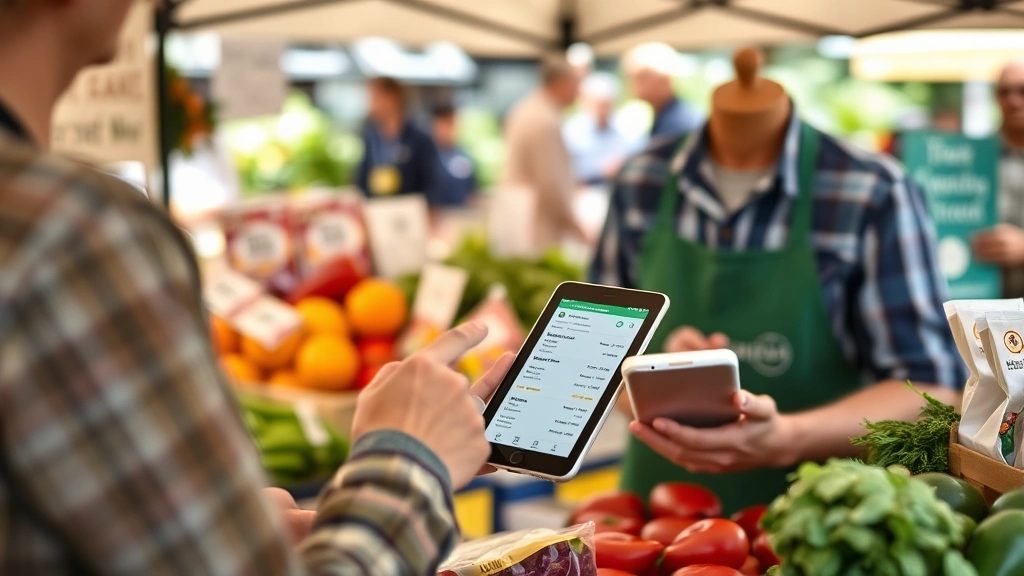
The post-pandemic era has permanently altered customer expectations around digital accessibility. Farmers market vendors who operate exclusively through in-person transactions increasingly find themselves at competitive disadvantage. Modern customers expect to pre-order products, check availability online, learn about new items through social media, and potentially arrange delivery or pickup services.
Social media has become the primary marketing channel for successful farmers market vendors. Instagram, Facebook, and TikTok enable low-cost promotion with remarkable targeting precision. Vendors posting high-quality photos of seasonal products, behind-the-scenes farm content, and customer testimonials consistently outperform those with no digital presence. The investment required is minimal—a smartphone and 15-30 minutes of content creation weekly—yet the return on investment for customer acquisition and retention is substantial.
Pre-ordering systems have transformed inventory management and customer satisfaction simultaneously. Platforms like Farmigo, LocalHarvest, or even simple Google Forms allow customers to reserve products before market day, reducing waste while guaranteeing sales. This system particularly benefits customers with specific needs (large quantities for meal prep, particular varieties, specialty items) and vendors with limited production capacity. Pre-ordering also generates valuable data about customer preferences and demand patterns.
Email marketing remains remarkably effective for farmers market vendors, despite being overshadowed by social media attention. A weekly email highlighting coming week’s products, recipes, and farm updates maintains customer engagement between market visits. Conversion rates for farmers market email campaigns often exceed 15-20%, substantially higher than typical retail benchmarks. Building and maintaining an email list should be a core operational priority.
Visit the Farmers Market Orlando resource to understand how leading markets integrate digital tools, or explore Market Basket News for current industry developments in digital farmers market platforms.
Pricing Strategy and Profit Optimization
Pricing represents the most frequently mismanaged aspect of farmers market operations. Many vendors underprice their products, failing to capture fair value for their labor, inputs, and expertise. Research from USDA’s Alternative Farming Systems Information Center indicates that farmers market vendors typically achieve 30-50% higher prices than wholesale channels, yet many still price below market-clearing rates.
Cost-plus pricing provides a rational foundation for pricing decisions. Calculate your total production costs (seeds, fertilizer, water, labor, packaging, transportation, market fees) and add a reasonable markup (typically 40-100% depending on product category and market positioning). This approach ensures profitability and sustainability. However, cost-plus pricing should be informed by market research—if your calculated price exceeds what customers will pay, you must either reduce costs or reposition your product.
Psychological pricing strategies significantly influence purchase behavior at farmers markets. Prices ending in .99 perform better than round numbers, despite the minimal actual difference. Bundle pricing (three pounds of tomatoes for $8 instead of $3 each) increases transaction values while delivering perceived value. Limited-time offers create urgency and drive repeat visits. Premium positioning justifies higher prices through quality signals, packaging, and storytelling.
Dynamic pricing based on inventory levels and demand patterns optimizes revenue. If you’re approaching market close-out with excess inventory, strategic discounting moves product and generates cash. Conversely, when demand exceeds supply, premium pricing captures available margin. Experienced vendors develop intuition about these dynamics, adjusting prices throughout market hours based on inventory status and customer flow patterns.
Price testing deserves more attention than most vendors allocate to it. Incrementally increasing prices by 10-25% on specific products often produces minimal demand reduction, directly increasing profitability. Conversely, some customers prove highly price-sensitive. Testing different price points and monitoring sales volume helps identify your price elasticity and optimize revenue per customer.
Building Loyal Customer Communities
Customer loyalty generates disproportionate business value. Loyal customers spend 2-3 times more annually than occasional shoppers, exhibit lower price sensitivity, and provide valuable word-of-mouth marketing. Building this loyalty requires deliberate strategies extending beyond product quality alone.
Recognition programs create emotional connections and repeat visits. Remember regular customers’ names and preferences. Offer loyalty programs (punch cards for discounts, exclusive early access to premium products, or special pricing for frequent buyers). These programs need not be complex—a simple punch card system costs almost nothing while delivering measurable behavioral impact.
Community engagement transforms transactional relationships into genuine connections. Host farm tours, cooking demonstrations, or educational workshops at your market location. Sponsor local schools or community organizations. Participate in market events and cooperative marketing initiatives. Customers who feel connected to your mission and values become advocates who recruit new customers and maintain loyalty despite competitive pressures.
Feedback solicitation demonstrates customer-centric values while generating actionable insights. Surveys, suggestion boxes, or informal conversations reveal what customers want. Acting on this feedback—introducing new products, adjusting packaging, or modifying hours—signals that customer input matters. Customers who see their suggestions implemented become emotional stakeholders in your business success.
Consistent quality and reliability form the foundation for all loyalty-building efforts. Customers return to vendors they trust to deliver quality products, fair pricing, and professional service week after week. Inconsistency—some weeks offering excellent tomatoes, other weeks disappointing quality—destroys loyalty faster than high prices alone. Reliability creates predictability that customers value highly.
Seasonal Planning and Inventory Management
Agricultural production inherently follows seasonal cycles, yet many vendors fail to plan proactively for these predictable patterns. Sophisticated seasonal planning enables vendors to maximize revenue during peak seasons while maintaining customer engagement during slower periods through strategic product transitions.
Spring markets typically emphasize leafy greens, fresh herbs, early root vegetables, and bedding plants. Customer demand focuses on refreshing their diets and gardens after winter. Vendors should maximize production of these items and promote their health benefits and seasonal scarcity. Marketing emphasis should highlight newness and renewal themes.
Summer represents peak farmers market season in most climates. Tomatoes, berries, peppers, stone fruits, and corn dominate customer purchases. Production capacity should be maximized, and vendors should prepare for significantly higher transaction volumes. This is the season to build customer relationships and loyalty that sustain through slower periods. Pricing power is typically highest during peak summer weeks when customer demand most exceeds supply.
Fall markets shift toward harvest-themed products: apples, pumpkins, root vegetables, squash, and prepared items like apple cider or pumpkin products. Customers’ psychological transition toward comfort foods and holiday preparation creates opportunities for value-added products and seasonal positioning. Many vendors experience a second revenue peak in fall as customers prepare for winter and holiday entertaining.
Winter presents challenges in most climates, but also opportunities for vendors willing to adapt. Storage crops (root vegetables, apples, squash), greenhouse production (microgreens, sprouts, herbs), or value-added products maintain customer engagement. Winter farmers markets typically attract more dedicated customers with higher per-transaction spending, though overall volume decreases. Some vendors use winter markets for relationship maintenance and community building while focusing production capacity on spring.
Inventory management systems prevent both waste and stockouts. Tracking what sells, when it sells, and at what prices enables better production planning and purchasing decisions. Simple spreadsheets or more sophisticated farm management software can track these patterns. This data proves invaluable for identifying which products to expand, maintain, or eliminate from your product mix.
For deeper insights into market operations and business strategy, explore the Market Rise Hub Blog for comprehensive resources on retail market dynamics and vendor success strategies.
FAQ
How much should I charge for farmers market products?
Price based on your production costs plus a 40-100% markup, adjusted for market demand and competitive positioning. Research competitor pricing in your specific market, but remember that premium quality, unique products, and strong branding justify higher prices. Most farmers market products command 30-50% premiums over wholesale pricing. Test different price points to identify your optimal price-demand equilibrium.
What’s the best way to start a farmers market business?
Begin with a single farmers market location to test your product mix, pricing, and operations before expanding. Start with 3-5 core products you can reliably produce in high quality. Invest in basic branding (signage, packaging, business cards) and develop a social media presence. Collect customer feedback and refine based on what resonates. Most successful vendors spend their first season focused on learning and optimization rather than maximizing revenue.
How can I differentiate from other vendors?
Specialization is your strongest differentiation strategy. Rather than competing as a generic produce vendor, become known for something specific: heirloom varieties, organic certification, rare items, value-added products, exceptional customer service, or compelling storytelling. Focus your marketing and product development on this differentiation rather than trying to compete across all product categories.
Should I invest in digital tools for my farmers market business?
Yes, digital presence has become essential. At minimum, maintain an active social media account and email list for customer communication. Consider pre-ordering systems if managing inventory challenges or serving customers with specific needs. Email marketing and social media have exceptional ROI for farmers market vendors and require minimal investment beyond time commitment.
How do I handle pricing competition at my farmers market?
Compete on value and differentiation rather than price alone. Build customer loyalty through quality, reliability, and community connection that transcends price sensitivity. Emphasize your unique positioning, story, and product quality. Remember that customers willing to shop at farmers markets demonstrate lower price sensitivity than conventional grocery shoppers—they value quality, sustainability, and local sourcing more than minimal price savings.
What products generate the highest profit margins?
Value-added products typically deliver 60-70% gross margins: jams, sauces, baked goods, prepared foods, and specialty items. Specialty or rare products also command premium pricing. However, profitability depends on your production costs and market positioning. Conduct cost analysis on your specific products to identify your highest-margin opportunities.