Top Fulton Market Restaurants: Local Picks for Food Lovers
Fulton Market has transformed from Chicago’s historic meatpacking district into one of the city’s most vibrant culinary destinations. This neighborhood, once known primarily for wholesale meat trading, now showcases an impressive collection of restaurants, cafes, and food venues that attract both locals and tourists seeking authentic dining experiences. The area’s evolution reflects broader trends in urban revitalization and the growing consumer demand for experiential retail environments that combine shopping, dining, and entertainment.
The restaurant scene in Fulton Market represents a significant shift in how consumers engage with food and commerce. Rather than traditional standalone eateries, many establishments here operate as part of larger mixed-use developments that integrate retail, office space, and hospitality. This model aligns with current digital marketing trends 2025 that emphasize creating immersive brand experiences and community gathering spaces. Understanding the restaurant landscape here provides valuable insights into how food businesses successfully position themselves in competitive urban markets.
This guide explores the top dining establishments in Fulton Market, examining what makes each venue distinctive and how they’ve leveraged location, concept, and customer experience to build loyal followings. Whether you’re planning a business lunch, casual dinner, or looking to understand successful restaurant marketing strategies, this comprehensive overview covers essential information about the area’s culinary offerings.
The Fulton Market Dining Renaissance
Fulton Market’s transformation represents a masterclass in urban regeneration and commercial real estate development. The neighborhood’s restaurant growth directly correlates with broader changes in consumer preferences toward walkable, mixed-use environments. According to recent National Restaurant Association data, urban dining destinations with integrated retail and hospitality experiences have seen significantly higher foot traffic and customer retention rates compared to traditional restaurant corridors.
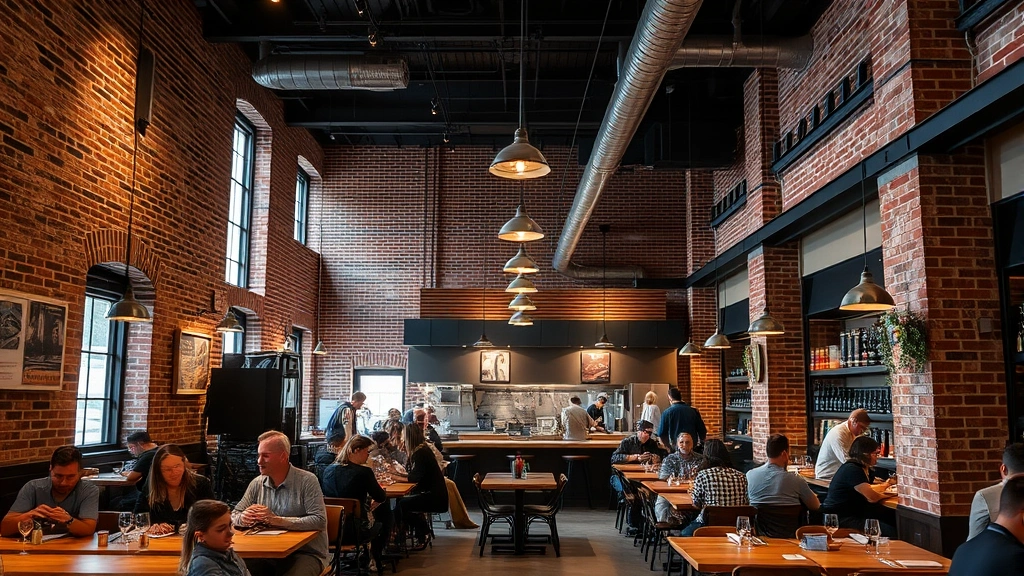
The area’s appeal stems from its authentic industrial aesthetic combined with modern culinary innovation. Restaurateurs recognized early that the neighborhood’s character—with its exposed brick, high ceilings, and historic architecture—provided an ideal backdrop for contemporary dining concepts. This created a unique value proposition that differentiates Fulton Market from other Chicago dining districts. The success of early establishments created a virtuous cycle, attracting additional restaurant operators and ultimately establishing the neighborhood as a destination rather than a convenience location.
Understanding this context is crucial for anyone interested in how to create a marketing plan for food service businesses. Fulton Market restaurants benefit from strong neighborhood branding, which reduces individual marketing costs while amplifying collective appeal. The area functions as a powerful draw, with diners making deliberate trips specifically to explore the neighborhood’s dining options rather than stumbling upon individual restaurants.
Fine Dining Excellence
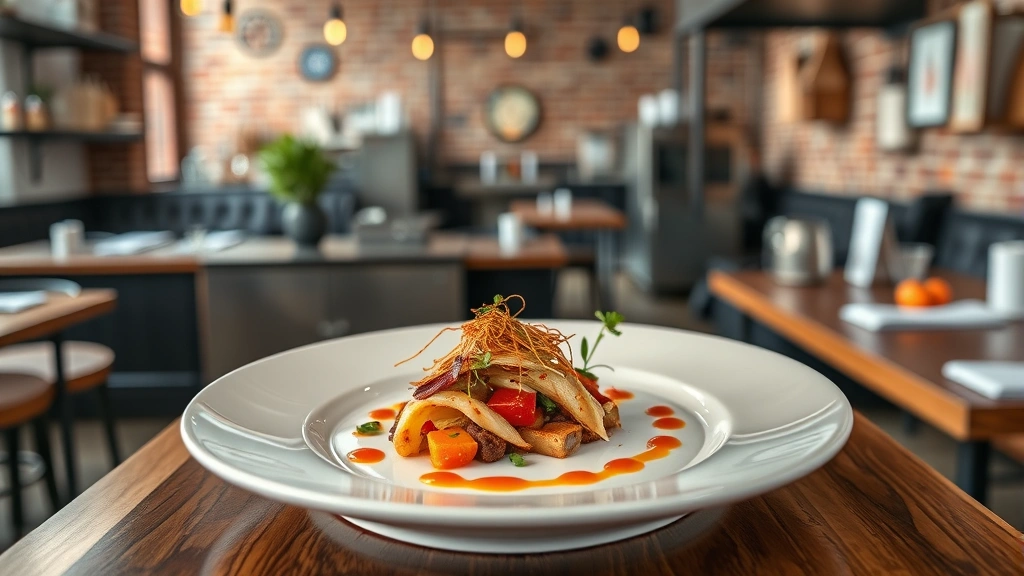
Fulton Market hosts several acclaimed fine dining establishments that have garnered national recognition and critical acclaim. These venues represent the upper tier of Chicago’s restaurant landscape, featuring innovative menus, sophisticated service, and premium pricing structures. The concentration of fine dining in this neighborhood reflects real estate market dynamics and the area’s ability to support higher-margin dining concepts.
The fine dining segment in Fulton Market typically features chef-driven concepts with seasonal menus that emphasize local sourcing and culinary creativity. These restaurants invest heavily in staff training, ambiance development, and customer experience orchestration. Many have developed strong social media presences and implement sophisticated marketing strategy for startups principles adapted for established fine dining operations, including influencer partnerships, food blogger relations, and experiential marketing events.
Pricing strategies in fine dining establishments typically reflect ingredient costs, labor expenses, and the premium customers pay for expertise and experience. Most fine dining venues in Fulton Market operate with tasting menu formats, à la carte options, or prix fixe structures that optimize revenue per cover. The average check size significantly exceeds casual dining venues, with entrees typically ranging from $35 to $65 and complete dining experiences often exceeding $150 per person before beverages.
These establishments typically operate with lower volume but higher margins compared to casual concepts. Fine dining restaurants in Fulton Market usually maintain reservation systems, manage seating rotations carefully, and limit walk-in traffic to maintain service quality and ambiance. The business model requires consistent execution and strong brand management to justify premium pricing and maintain customer loyalty in a competitive market.
Service Standards and Experience Design
Fine dining venues in Fulton Market distinguish themselves through meticulous attention to service details and experience choreography. Staff training typically requires extensive onboarding, wine knowledge certification, and ongoing education about menu items and preparation methods. This investment in human capital directly impacts customer satisfaction and supports premium pricing structures.
Experience design extends beyond food to encompass table settings, glassware selection, wine pairings, and the timing of course delivery. Sophisticated restaurants in this segment often employ technology such as reservation management systems and kitchen display systems that coordinate service timing across multiple stations and courses. The integration of technology with traditional service standards creates seamless dining experiences that justify the premium customers pay.
Casual Dining and Gastropubs
Beyond fine dining, Fulton Market supports a robust casual dining segment featuring gastropubs, contemporary American eateries, and ethnic cuisine specialists. These venues typically offer more accessible price points, higher volume capacity, and flexible dining formats that accommodate both walk-in traffic and reservation-based service. The casual segment represents the largest proportion of Fulton Market’s restaurant inventory and drives substantial foot traffic to the neighborhood.
Gastropubs in particular have flourished in Fulton Market, combining elevated pub food with craft beverages and comfortable, social dining environments. These establishments typically feature open kitchen designs that allow diners to observe food preparation, creating transparency and enhancing perceived value. The casual dining segment benefits from lower labor costs per cover compared to fine dining while maintaining quality standards that justify moderate price premiums over quick-service restaurants.
Casual dining establishments in Fulton Market typically feature:
- Flexible seating arrangements accommodating both bar seating and table service
- Extended happy hour programs driving weekday traffic during off-peak periods
- Seasonal menu rotations maintaining customer interest and optimizing ingredient costs
- Craft beverage programs including curated beer, wine, and cocktail selections
- Social media integration through shareable dishes and Instagram-worthy presentations
The casual dining model supports higher covers per day compared to fine dining, typically operating at 60-80% capacity during peak periods and 30-40% during off-peak times. Revenue optimization in this segment depends on efficient table turns, strategic pricing, and effective capacity management. Many casual establishments implement dynamic pricing strategies, offering discounted menus during specific hours or days to smooth demand patterns and maximize overall revenue.
Staff in casual dining venues typically requires less extensive training compared to fine dining but still benefits from strong customer service orientation and product knowledge. Many Fulton Market casual establishments have implemented staff incentive programs tied to customer satisfaction metrics, encouraging consistent service quality and positive guest interactions. The casual segment’s profitability depends significantly on operational efficiency, food cost management, and labor productivity metrics.
Specialty Food Venues
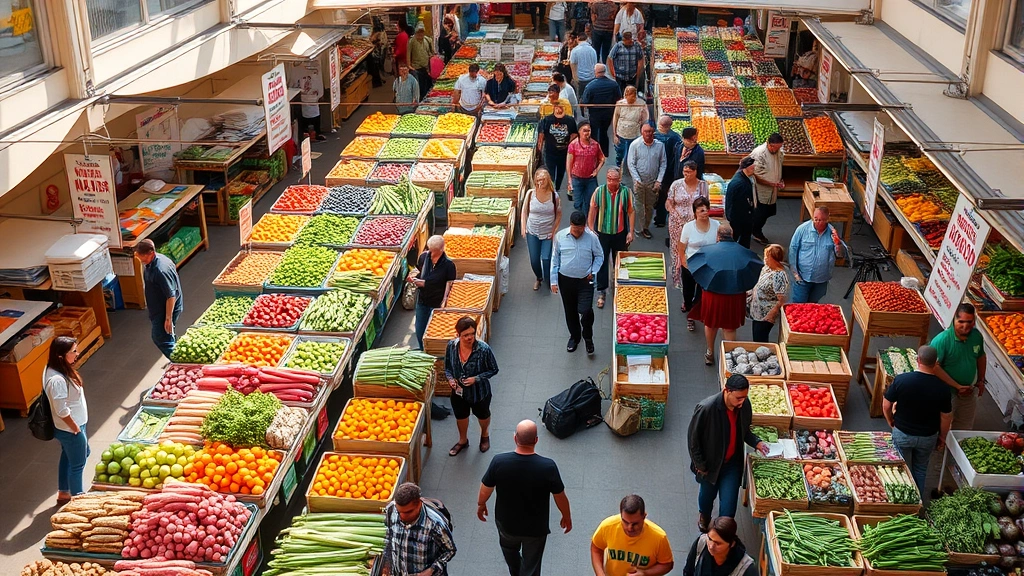
Fulton Market’s evolution as a food destination extends beyond traditional restaurants to include specialty food retailers, prepared food vendors, and artisanal producers. These venues capitalize on the neighborhood’s history as a food wholesale center while serving contemporary consumer preferences for high-quality, specialty ingredients and prepared foods. The specialty food segment represents an important component of the neighborhood’s overall commercial ecosystem, supporting cross-traffic between different venue types and enhancing the area’s positioning as a food-focused destination.
Specialty vendors in Fulton Market typically include:
- Artisanal bakeries producing fresh breads, pastries, and prepared items
- Specialty coffee roasters offering single-origin beans and specialty beverages
- Prepared food counters featuring rotisserie meats, fresh salads, and grab-and-go options
- Butcher shops offering premium cuts and specialty proteins
- Cheese mongers curating domestic and imported cheese selections
- Seafood vendors providing fresh fish and shellfish
These specialty venues serve multiple market segments simultaneously. They attract direct consumers seeking high-quality ingredients and prepared foods, support local restaurants requiring premium wholesale products, and generate retail tourism traffic as visitors explore the neighborhood’s food offerings. The economic model for specialty food vendors typically combines retail sales, prepared food service, and potentially wholesale distribution to local restaurants and retailers.
Understanding successful specialty food positioning provides valuable insights into market terminology and niche segmentation strategies. These vendors have successfully identified underserved market segments—consumers willing to pay premium prices for quality, authenticity, and specialized products. Their success demonstrates that traditional wholesale food markets can evolve into experiential retail destinations when properly positioned and marketed to contemporary consumers.
Coffee Culture and Cafes
The coffee and cafe segment represents a critical component of Fulton Market’s daily commerce and customer traffic patterns. Specialty coffee roasters and cafes drive morning traffic, support midday breaks, and create gathering spaces that enhance the neighborhood’s overall ambiance. These venues typically operate with strong unit economics, benefiting from high-margin beverage sales and relatively predictable demand patterns based on customer routines and commute patterns.
Successful cafes in Fulton Market typically feature:
- High-quality espresso equipment and barista training programs ensuring consistent beverage quality
- Comfortable seating areas supporting extended dwell time and remote work
- Complementary food offerings including pastries, sandwiches, and snacks
- Strong WiFi infrastructure enabling digital nomad and work-from-cafe usage patterns
- Community programming such as latte art competitions or coffee education classes
The cafe segment benefits from the neighborhood’s growing residential population and office worker concentration. Many Fulton Market cafes have become neighborhood anchors, driving daily foot traffic and serving as informal community gathering spaces. The business model supports multiple revenue streams including beverage sales, food service, retail coffee bean sales, and potentially merchandise or specialty items.
Coffee culture in Fulton Market reflects broader consumer trends toward premium beverage experiences and third-place environments beyond home and work. Consumers increasingly value cafe ambiance, staff expertise, and community atmosphere alongside product quality. Successful cafes invest in barista training, equipment maintenance, and experience design to justify premium pricing and build customer loyalty in a competitive segment.
Market Access and Logistics
Understanding Fulton Market’s physical location and accessibility enhances appreciation for its commercial success. The neighborhood’s proximity to downtown Chicago, strong public transportation connections, and abundant parking make it accessible to diverse customer segments. The area’s logistics infrastructure—reflecting its historical role as a wholesale food distribution center—supports efficient delivery operations and supply chain management for restaurants and retailers.
Transportation accessibility includes:
- Public transit via CTA buses and proximity to rapid transit stations
- Street-level parking with metered spaces and nearby parking facilities
- Bike infrastructure supporting cycling access and bike parking
- Pedestrian-friendly design with wide sidewalks and traffic-calmed streets
- Ride-share drop-off zones accommodating Uber and Lyft services
The neighborhood’s logistics advantages directly impact restaurant operations and customer access patterns. Efficient delivery infrastructure supports restaurant supply chains, reducing inventory carrying costs and enabling fresher ingredient sourcing. For customers, multiple transportation options reduce barriers to visiting Fulton Market venues, supporting higher visit frequency and supporting casual dining concepts alongside destination fine dining.
Real estate development in Fulton Market has increasingly prioritized ground-floor retail and restaurant space, maximizing street-level activation and foot traffic. This urban design strategy creates vibrant pedestrian environments that enhance customer experience and support multiple venues simultaneously. Successful commercial districts like Fulton Market demonstrate that accessibility, walkability, and multimodal transportation access are critical factors supporting restaurant cluster economics.
Dining Trends and Consumer Behavior
Fulton Market restaurants reflect and shape broader trends in contemporary dining behavior and consumer preferences. Understanding these trends provides context for evaluating restaurant success and predicting future market evolution. Recent consumer behavior research indicates several key patterns affecting dining establishments across all segments.
Current dining trends influencing Fulton Market restaurants include:
- Experiential dining emphasizing Instagram-worthy presentations and social media shareability
- Dietary accommodation including vegetarian, vegan, gluten-free, and allergy-conscious menu options
- Local sourcing and transparent ingredient origin communication
- Health consciousness with nutritional information and lighter menu options
- Convenience integration combining dine-in, takeout, and delivery services
- Technology adoption including digital ordering, mobile payments, and reservation systems
- Sustainability focus with eco-friendly packaging and waste reduction initiatives
Consumer preferences increasingly favor restaurants offering transparency about sourcing, preparation methods, and ingredient quality. Fulton Market establishments have responded by emphasizing chef backgrounds, supply chain relationships, and ingredient stories. This transparency builds trust and justifies premium pricing by helping customers understand the value proposition beyond the immediate meal.
The rise of experience-focused dining has particular significance for Fulton Market’s market positioning. Diners increasingly view restaurant visits as experiences to be documented and shared rather than mere meals to be consumed. This shift has driven investment in ambiance, service storytelling, and visually distinctive dishes. Restaurants successfully leveraging social media integration often achieve disproportionate marketing benefits through user-generated content and influencer advocacy.
For restaurant operators, understanding contemporary consumer behavior requires tracking multiple data sources including McKinsey consumer research, QSR Magazine industry reports, and local market analysis. The successful restaurants in Fulton Market consistently monitor competitor activities, customer feedback, and emerging trends, adapting menus and operations accordingly. This market responsiveness and willingness to evolve reflect best practices in competitive commercial environments.
Sustainability has emerged as an increasingly important consumer preference, particularly among younger demographics and urban professionals. Fulton Market restaurants addressing sustainability through local sourcing, waste reduction, and eco-friendly practices often attract environmentally conscious consumers willing to pay premiums for aligned values. This represents a significant marketing opportunity for restaurants able to authentically communicate sustainability commitments without appearing opportunistic.
Technology adoption continues reshaping dining experiences and back-of-house operations. Restaurants implementing sophisticated reservation systems, mobile ordering, and kitchen display systems improve operational efficiency while enhancing customer convenience. However, successful technology integration requires balancing automation with human service elements that create memorable experiences. The most successful Fulton Market establishments use technology to enhance rather than replace personal interactions and service excellence.
FAQ
What makes Fulton Market a premier dining destination?
Fulton Market combines authentic industrial character, diverse restaurant concepts, mixed-use development, and strong neighborhood branding. The area’s evolution from wholesale food market to experiential retail destination creates unique appeal. Additionally, the concentration of quality establishments drives traffic and supports multiple venues simultaneously, creating a dining ecosystem rather than isolated restaurants.
How do Fulton Market restaurants differentiate themselves?
Successful establishments differentiate through chef credentials, unique concepts, ingredient sourcing stories, ambiance design, and service excellence. Many leverage the neighborhood’s food heritage while emphasizing contemporary culinary innovation. Strong social media presence and community engagement further distinguish competitive venues in this crowded market.
What price ranges should diners expect?
Fulton Market offers diverse price points. Fine dining venues typically charge $50-$150+ per person for complete experiences. Casual dining ranges from $15-$35 per entree. Specialty food vendors and cafes offer $5-$20 items. The neighborhood accommodates various budgets while maintaining quality standards across segments.
Are reservations necessary for Fulton Market restaurants?
Reservation policies vary significantly. Fine dining establishments typically require advance bookings, particularly for peak times. Many casual venues accept reservations but accommodate walk-in traffic. Cafes and specialty food vendors typically operate on first-come, first-served basis. Checking specific venue policies before visiting is recommended for ensuring seating availability.
How has Fulton Market’s restaurant scene evolved?
The neighborhood has transformed from wholesale food distribution to experiential dining destination over the past 15+ years. This evolution reflects broader urban revitalization trends, consumer preference shifts toward walkable mixed-use environments, and successful real estate development strategies. The area continues evolving as new concepts emerge and existing venues adapt to changing consumer preferences.
What role does technology play in Fulton Market dining?
Technology increasingly shapes customer experiences through reservation systems, mobile ordering, digital payments, and social media integration. Kitchen operations benefit from display systems coordinating service timing. However, successful venues balance technology adoption with personal service elements that create memorable experiences beyond transactional efficiency.
How do restaurants manage inventory and supply chains in Fulton Market?
The neighborhood’s logistics infrastructure, reflecting its wholesale market heritage, supports efficient supply chain operations. Restaurants leverage nearby specialty food vendors, wholesalers, and distribution centers. Many emphasize local sourcing relationships, building direct connections with producers and suppliers. Efficient logistics enable fresh ingredient sourcing and reduce inventory carrying costs.
What is the typical customer profile for Fulton Market restaurants?
Customers include local professionals, tourists, special occasion diners, and food enthusiasts. The neighborhood attracts diverse demographics but skews toward urban professionals with disposable income and interest in culinary experiences. Strong social media presence attracts younger demographics while established fine dining venues appeal to experienced diners seeking sophisticated experiences.