
Franchise marketing represents one of the most dynamic and challenging segments of modern commerce. Unlike traditional single-location businesses, franchises operate within a unique ecosystem where corporate headquarters, individual franchisees, and local markets must align strategically. The success of any franchise system depends heavily on implementing cohesive marketing strategies that balance brand consistency with local market relevance. This comprehensive guide explores proven tactics that franchise owners and corporate teams can leverage to significantly boost sales, enhance brand visibility, and drive sustainable growth across their network.
The franchise industry continues to expand rapidly, with thousands of businesses operating under franchise models worldwide. However, increased competition means that franchises must employ sophisticated marketing techniques to differentiate themselves and capture market share. Whether you operate a single franchise unit or oversee a multi-unit network, understanding current marketing best practices is essential for achieving your revenue goals and building long-term competitive advantages.

Understanding Your Franchise Market Position
Before implementing any marketing initiatives, franchises must develop a clear understanding of their current market position and competitive landscape. This foundational step involves analyzing demographic data, identifying competitor strengths and weaknesses, and assessing your unique value proposition. Market research should examine consumer preferences, purchasing behaviors, and emerging trends within your industry segment.
Successful franchises recognize that their market position differs significantly from corporate-owned locations. Individual franchisees operate within specific geographic territories with distinct customer bases, economic conditions, and competitive pressures. A comprehensive digital marketing strategy must account for these local variations while maintaining brand consistency across all locations.
Consider conducting surveys, focus groups, and competitive analysis to understand what drives purchasing decisions in your market. Many franchises discover that customer expectations vary considerably between regions, requiring tailored marketing approaches. This insight becomes crucial when allocating marketing budgets and selecting promotional channels that will deliver maximum impact in your specific territory.
Developing a Cohesive Brand Marketing Strategy
Brand consistency stands as a cornerstone of successful franchise marketing. Customers expect to experience the same quality, values, and messaging whether they visit a franchise location in New York or California. Developing a cohesive brand marketing strategy requires clear guidelines, centralized resources, and effective communication between corporate headquarters and individual franchisees.
Your brand strategy should articulate core values, brand personality, and key messaging pillars that resonate with your target audience. All marketing materials—from social media content to print advertisements—must reflect these brand elements consistently. Many franchises create comprehensive brand guidelines that specify approved logos, color palettes, typography, imagery styles, and messaging frameworks.
However, effective brand strategies also allow franchisees flexibility to adapt messaging for local markets. This balance between consistency and customization enables franchises to maintain brand integrity while addressing unique local needs. For example, a national fast-casual restaurant might maintain consistent brand values around quality ingredients while allowing franchisees to highlight locally-sourced suppliers in their regional marketing.
When developing your marketing plan, ensure that it incorporates both corporate-level initiatives and franchisee-level tactics. Establish clear roles and responsibilities, communication channels, and approval processes. Regular brand audits help identify inconsistencies and provide opportunities for course correction before brand damage occurs.
Leveraging Digital Marketing Channels
Digital marketing has become indispensable for franchise success in today’s technology-driven marketplace. Multi-channel approaches that integrate social media, search engine marketing, email campaigns, and content marketing create comprehensive visibility and engagement opportunities. Franchises that master digital channels typically outperform competitors relying solely on traditional marketing methods.
Search Engine Optimization (SEO) deserves particular attention in franchise marketing. Local SEO strategies help individual franchise locations appear prominently in search results when potential customers seek products or services in their area. This involves optimizing Google Business profiles, building local citations, acquiring location-specific backlinks, and creating location-based content. A franchisee in Denver can optimize for “pizza delivery Denver” while the corporate entity maintains optimization for broader brand searches.
Social media marketing provides franchises with cost-effective platforms for building community engagement and brand awareness. Platforms like Instagram, Facebook, and TikTok allow franchisees to share customer stories, showcase products, and create authentic connections with local audiences. Corporate teams can develop content calendars and provide pre-made templates that franchisees customize with local imagery and messaging.
Email marketing remains highly effective for franchise customer retention and repeat purchases. Building segmented email lists allows franchises to deliver personalized messages based on customer preferences, purchase history, and engagement levels. Promotional campaigns, exclusive offers, and informational content sent via email generate consistent revenue with relatively low acquisition costs.
Paid advertising through Google Ads, Facebook Ads, and other platforms provides immediate visibility and measurable results. Franchises can implement coordinated national campaigns while allowing individual franchisees to run location-specific promotions. Sophisticated audience targeting ensures marketing spend reaches the most valuable potential customers based on demographics, interests, and behaviors.
Local Marketing and Community Engagement
While digital strategies operate at scale, local marketing efforts build genuine community connections that drive sustained business growth. Successful franchisees recognize that their locations exist within specific neighborhoods and communities with unique characteristics, needs, and preferences. Strategic local marketing demonstrates commitment to community success and builds goodwill that translates into customer loyalty.
Community sponsorships represent powerful local marketing vehicles. Franchisees can sponsor youth sports teams, school events, charitable fundraisers, and local festivals. These investments build brand visibility while supporting causes that matter to community members. Sponsorship benefits extend beyond promotional exposure—they create emotional connections between the franchise and local residents.
Partnerships with complementary local businesses create mutually beneficial marketing opportunities. A fitness franchise might partner with a healthy restaurant franchise to cross-promote services. These collaborations expand reach, enhance perceived value, and demonstrate business leadership within the community.
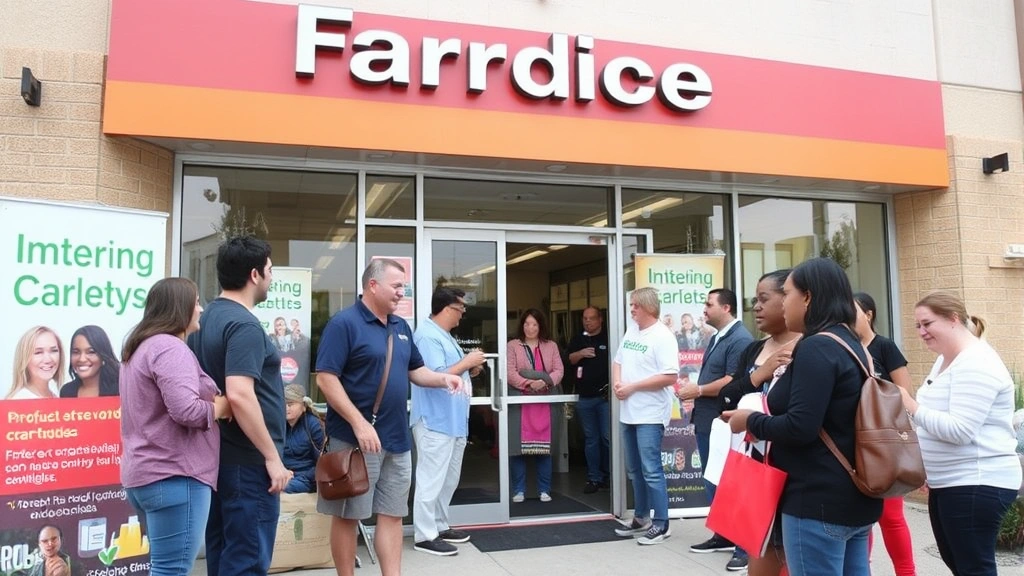
Local events and in-store promotions generate foot traffic and create memorable brand experiences. Grand openings, seasonal promotions, product launches, and special events create reasons for customers to visit. Interactive experiences, sampling opportunities, and exclusive in-store offers convert casual browsers into paying customers.
Implementing a marketing strategy for small businesses framework helps franchisees develop effective local initiatives despite limited individual marketing budgets. Corporate support through co-op advertising funds, marketing templates, and strategic guidance enables even smaller franchise locations to execute professional local campaigns.
Customer Retention and Loyalty Programs
Acquiring new customers costs significantly more than retaining existing ones, yet many franchises allocate insufficient resources to customer retention strategies. Developing robust loyalty programs that reward repeat customers creates predictable revenue streams and increases customer lifetime value substantially.
Effective loyalty programs go beyond simple punch cards or point systems. Modern programs integrate with digital platforms, offer personalized rewards based on individual preferences, and create exclusive experiences that make members feel valued. Tiered membership structures encourage increased spending by offering escalating benefits at higher membership levels.
Data collected through loyalty programs provides invaluable insights into customer behavior, preferences, and purchasing patterns. This information enables franchises to personalize marketing messages, develop products that match customer desires, and identify opportunities for upselling and cross-selling. Franchises that leverage customer data effectively typically achieve significantly higher customer retention rates.
Customer service excellence directly impacts retention and generates positive word-of-mouth marketing. Training franchisees and their staff to deliver exceptional service experiences creates customer advocates who recommend the franchise to others. Service recovery processes that address complaints promptly and fairly prevent negative reviews and maintain customer relationships.
Regular communication through newsletters, personalized offers, and relevant content keeps franchises top-of-mind for customers. Permission-based communication respects customer preferences while maintaining engagement. Franchises that provide genuine value through their communications—rather than constant promotional messages—build stronger customer relationships and higher engagement rates.
Measuring Marketing Performance and ROI
Successful franchise marketing requires systematic measurement and analysis of campaign performance. Without clear metrics and analytics, franchises cannot determine which strategies deliver results and which waste resources. Establishing key performance indicators (KPIs) aligned with business objectives enables data-driven decision-making.
Essential franchise marketing metrics include customer acquisition cost, customer lifetime value, conversion rates, return on advertising spend, website traffic and engagement, email open and click-through rates, and social media engagement. Tracking these metrics over time reveals trends, identifies successful tactics, and highlights underperforming initiatives requiring adjustment.
Marketing attribution—understanding which touchpoints influence customer decisions—becomes increasingly important in multi-channel marketing environments. Franchises should implement tracking systems that connect customer interactions across channels and attribute revenue to specific marketing efforts. This visibility enables smarter budget allocation toward highest-performing channels.
Regular reporting and analysis keep franchisees and corporate teams aligned on marketing performance. Monthly reviews of key metrics provide opportunities to celebrate successes, identify challenges, and adjust strategies. Quarterly or annual comprehensive analyses reveal longer-term trends and inform strategic planning.
Many franchises benefit from marketing automation platforms that streamline tracking, reporting, and optimization. These systems integrate data from multiple sources, provide real-time dashboards, and enable rapid testing and iteration. Investment in appropriate marketing technology infrastructure typically delivers strong ROI through improved efficiency and effectiveness.
Benchmarking performance against industry standards and competitors provides valuable context for interpreting metrics. Understanding whether your conversion rates, customer acquisition costs, and retention rates align with industry norms helps identify areas requiring improvement. Industry reports and peer networks provide valuable benchmarking data.
For comprehensive guidance on developing effective marketing approaches, visit the Market Rise Hub Blog for additional insights and resources on proven marketing methodologies that drive measurable results across various business models and industries.
FAQ
What marketing budget should individual franchisees allocate?
Most franchise agreements specify marketing contribution percentages, typically ranging from 2-6% of gross revenue. However, franchisees should also allocate local marketing budgets beyond corporate requirements. The specific amount depends on competitive intensity, growth objectives, and market conditions. Franchisees in highly competitive markets may need to invest more aggressively to maintain market share.
How can franchisees balance corporate brand guidelines with local marketing needs?
Successful franchises develop flexible brand frameworks that maintain core consistency while allowing local customization. Corporate teams should provide pre-approved templates, messaging variations, and tactical options that franchisees can adapt. Regular communication and brand training help franchisees understand the reasoning behind guidelines and how to apply them creatively within their markets.
Which digital channels provide the highest ROI for franchises?
ROI varies significantly based on industry, target audience, and local market conditions. Generally, local SEO and Google Ads deliver strong results for location-based franchises. Social media and email marketing typically show excellent ROI when executed consistently. Franchises should test different channels, track performance meticulously, and allocate budgets toward highest-performing tactics.
How often should franchises update their marketing strategies?
Marketing strategies should be reviewed quarterly for tactical adjustments and annually for comprehensive strategic evaluation. However, franchises must remain agile enough to respond quickly to market changes, competitor actions, and emerging opportunities. Regular performance monitoring enables rapid identification of necessary adjustments without waiting for formal review periods.
What role should technology play in franchise marketing?
Technology enables franchises to scale personalized marketing, automate routine tasks, and measure performance precisely. Customer relationship management systems, marketing automation platforms, analytics tools, and communication software provide essential infrastructure. However, technology should support human creativity and judgment rather than replace it. The most successful franchises combine technological sophistication with genuine human connection.
How can franchises address marketing challenges when franchisees have limited expertise?
Corporate support through training programs, pre-built marketing assets, turnkey campaigns, and dedicated marketing consultants helps franchisees overcome expertise gaps. Many franchises benefit from centralized marketing services where corporate teams execute major campaigns that franchisees customize locally. This approach ensures quality execution while respecting individual franchisee autonomy.


