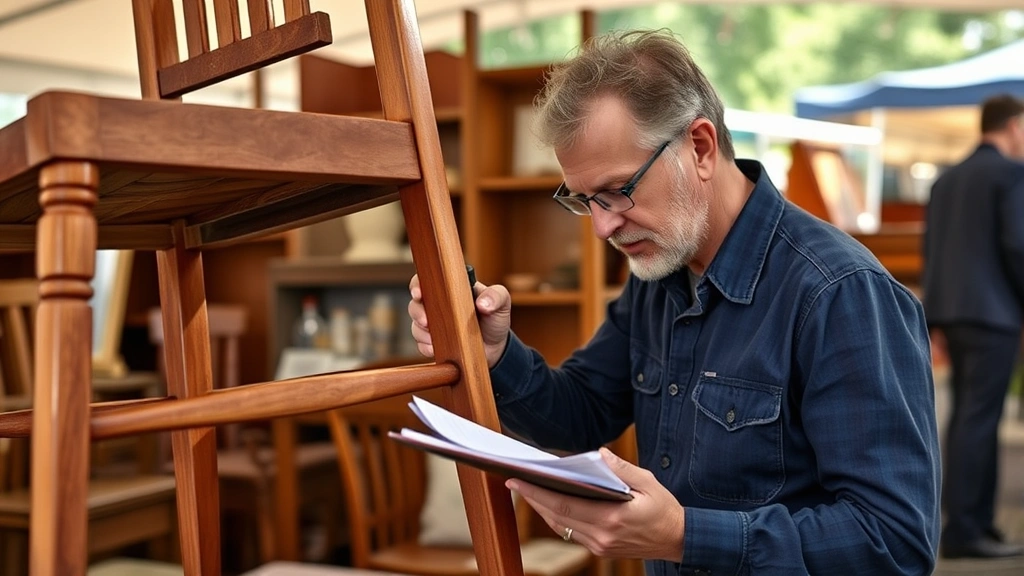
The flea market furniture hunting experience has transformed into a sophisticated art form for savvy shoppers and resellers alike. What was once considered merely browsing through secondhand items has evolved into a strategic commerce activity where knowledge, timing, and market awareness directly impact your success. Whether you’re furnishing your home on a budget, building an inventory for resale, or simply passionate about vintage treasures, understanding the dynamics of flea market furniture requires both practical skills and business acumen.
The global furniture market continues to shift toward sustainable consumption patterns, with vintage and secondhand furniture purchases increasing by 23% year-over-year according to recent consumer behavior studies. This surge reflects broader economic trends and environmental consciousness among buyers. For entrepreneurs and home decorators, flea markets represent untapped opportunities where profit margins can reach 200-400% on properly sourced pieces. The key lies in developing expertise that separates casual browsers from strategic acquirers.
Understanding the Flea Market Furniture Landscape
Flea markets operate within a unique ecosystem where supply, demand, and seller knowledge create distinct pricing inefficiencies. Unlike traditional retail environments with standardized pricing, flea market furniture pricing reflects individual seller expertise, inventory turnover needs, and market awareness. Understanding this landscape requires recognizing that 70% of flea market vendors lack formal pricing strategies, creating opportunities for informed buyers.
The furniture category within flea markets spans multiple subcategories: mid-century modern pieces, Victorian antiques, industrial warehouse finds, and contemporary vintage items. Each category carries different profit potential and market demand. Mid-century modern furniture, for instance, commands premium pricing due to consistent high demand from interior designers and collectors, while Victorian pieces fluctuate based on current design trends. Your approach to market research before making purchasing decisions directly determines whether you acquire undervalued assets or overpay for saturated inventory.
The resale furniture market has become increasingly professionalized, with platforms like Facebook Marketplace, Craigslist, and specialized vintage retailers creating transparent pricing benchmarks. This transparency has compressed margins for casual resellers while rewarding those who develop specialized expertise. Understanding current market rates, trending styles, and buyer demographics becomes essential intelligence for any serious flea market furniture hunter.
Pre-Hunt Preparation and Research Strategies
Successful flea market furniture acquisition begins weeks before you arrive at the venue. Strategic preparation separates profitable hunters from frustrated bargain seekers. Begin by establishing clear procurement objectives: are you hunting specific pieces, building inventory for resale, or seeking underpriced items in particular styles? This clarity shapes your research methodology and negotiation approach.
Research current market values using multiple platforms simultaneously. Check 1stDibs for high-end vintage pricing, Chairish for curated vintage furniture, and eBay completed listings for realistic market comparisons. eBay’s completed listings feature proves particularly valuable since it shows actual sold prices rather than asking prices. Create a personal database documenting:
- Specific designer names and production years you’re targeting
- Current market value ranges for priority categories
- Seasonal demand fluctuations and pricing patterns
- Condition factors that justify price premiums or discounts
- Shipping costs for potential resale scenarios
Scout the specific flea market beforehand if possible. Visit during off-peak hours to observe vendor setup patterns, identify dealers who specialize in furniture, and note which areas attract different inventory types. This reconnaissance reveals vendor reliability and specialization levels. Some vendors focus exclusively on mid-century modern, while others operate generalist booths with mixed furniture inventory. Building relationships with specialized dealers often yields first access to premium pieces before general browsing hours.
Develop a detailed strategic plan for your hunt that includes budget allocation, target categories, and negotiation thresholds. Professional hunters typically allocate budgets by furniture type, preventing emotional purchases that derail profitability targets.

Inspection Techniques That Prevent Costly Mistakes
Physical inspection separates wise acquisitions from expensive learning experiences. Flea market furniture often conceals structural damage, pest infestation, or hidden repairs that dramatically impact value and usability. Develop a systematic inspection protocol that examines every critical element before committing funds.
Begin with structural integrity assessment. For chairs and seating furniture, apply downward pressure on all corners and edges to identify loose joints or wobbling. Rock the piece gently to detect movement indicating weak connections. Run your hand along all wooden surfaces feeling for soft spots that suggest wood rot or termite damage. Check underneath furniture where damage often concentrates—use a flashlight to inspect joints, support structures, and any hidden surfaces.
Examine upholstery with particular attention to pest damage indicators. Small holes, staining patterns, or unusual odors suggest bed bug, flea, or rodent infestation. Infested furniture requires professional fumigation (expensive and sometimes impossible) or disposal. Press firmly into upholstered areas feeling for lumps, deterioration, or structural collapse underneath. Pull back cushions to inspect internal structures and check for signs of previous pest treatment or damage.
Assess finish quality by examining wood surfaces closely. Look for water damage (white rings or staining), deep scratches, veneer lifting, or finish deterioration. Determine whether damage represents normal patina desirable in vintage pieces or problematic deterioration requiring restoration. Restoration costs can easily exceed piece value—understanding this distinction prevents unprofitable acquisitions.
Check drawer functionality, door alignment, and hardware condition. Sticky drawers indicate potential water damage or wood swelling. Misaligned doors suggest frame warping or hinge failure. Missing or damaged hardware can be replaced, but frame issues prove more costly and difficult to remedy. Inspect all moving parts and mechanisms, ensuring they operate smoothly without grinding sounds or resistance.
Document all findings photographically before purchasing. These images provide essential reference material for pricing decisions, restoration planning, and future resale documentation. Professional resellers maintain detailed photo galleries of condition issues, repairs completed, and final presentation—this documentation justifies pricing premiums to potential buyers.
Negotiation Tactics and Pricing Psychology
Negotiation represents the critical juncture where flea market hunting profits emerge. Most flea market vendors anticipate negotiation and price items accordingly, building in 20-40% negotiation room. Understanding pricing psychology and vendor motivations dramatically improves negotiation outcomes.
Arrive early in the market day when vendors seek to establish sales momentum. Early purchases often receive better pricing as vendors prefer converting inventory to cash rather than hauling items back. Conversely, arriving near closing time creates urgency pressure on vendors holding unsold inventory. Strategic timing aligns your purchasing window with vendor motivation peaks.
Develop a confident but respectful negotiation approach. Begin by expressing genuine interest in the piece—ask about its history, condition, and origin. This engagement establishes rapport while gathering valuable information. When ready to negotiate, anchor your offer slightly below your maximum acceptable price, leaving room for counteroffers. Avoid aggressive lowballing, which offends vendors and terminates negotiation opportunities.
Reference your market research during negotiations. Politely mention comparable pieces you’ve researched, condition factors affecting value, and realistic resale expectations. Vendors respect informed buyers and often adjust pricing accordingly when they recognize buyer knowledge. Frame negotiation around mutual benefit: you receive fair pricing, they achieve quick sales and reduce carrying costs.
Bundle multiple items to increase negotiation leverage. Vendors typically offer better per-item pricing when selling multiple pieces, as this increases transaction value and simplifies their accounting. This strategy also reduces your per-item acquisition cost, improving overall profitability.
Accept vendor counteroffers graciously even when rejecting them. Maintain positive relationships as flea market communities prove remarkably interconnected. A vendor you negotiate with today may offer premium inventory access tomorrow or refer you to specialized dealers. Long-term vendor relationships often yield better pricing and first access to arriving inventory.
Identifying High-Value Pieces and Hidden Gems
Distinguishing between valuable pieces and worthless bulk requires developing pattern recognition skills that take time to cultivate. However, specific indicators consistently identify high-value flea market furniture. Understanding these markers dramatically accelerates your acquisition success rate.
Designer names and production markers provide the clearest value indicators. Recognize signatures of renowned designers: Charles and Ray Eames, Herman Miller, Knoll, Florence Knoll, Arne Jacobsen, and Eero Saarinen pieces command premium pricing. Learn to identify maker’s marks, stamps, and labels that authenticate designer furniture. Mid-century modern pieces from recognized manufacturers typically appreciate rather than depreciate, making them safer investments.
Production materials indicate value potential. Solid wood construction using quality lumber (walnut, teak, rosewood) typically outperforms particle board or plywood construction. Upholstery material quality directly impacts resale value—genuine leather commands higher prices than vinyl or polyester blends. Metal components constructed from aluminum or steel suggest better quality than cheap hardware or plastic elements.
Historical period identification unlocks value recognition. Pieces from specific eras—Victorian (1837-1901), Arts and Crafts (1880-1920), Art Deco (1920-1940), and Mid-Century Modern (1945-1969)—attract specialized collectors willing to pay premium prices. Learning to date furniture by design elements, construction methods, and hardware styles enables rapid value assessment.
Condition combined with rarity creates premium pricing opportunities. A well-maintained piece from a sought-after designer represents exceptional value even at higher flea market prices. Rare items in poor condition often present restoration opportunities for skilled craftspeople who can justify investment based on final value.
Study completed sales on specialized platforms to understand which specific pieces hold value. Recognize that trends shift—Victorian furniture experienced reduced demand as design preferences shifted toward minimalism, while mid-century modern continues appreciating. Understanding current collector preferences ensures your acquisitions align with active demand.

Transportation and Storage Solutions
Acquiring flea market furniture represents only the first challenge; transportation and storage present equally critical logistics concerns. Poor handling destroys value through damage, while inadequate storage increases carrying costs that erode profitability.
Develop reliable transportation solutions before purchasing large pieces. Many flea market hunters maintain relationships with moving services or maintain personal vehicles equipped for furniture transport. Rental trucks represent cost-effective solutions for occasional large acquisitions. Calculate transportation costs as direct expenses against potential profits—if shipping costs exceed 25% of resale value, reconsider acquisition feasibility.
Protective equipment prevents damage during transport. Blankets, moving pads, and shrink wrap protect upholstery and finishes during transit. Disassemble pieces when possible to reduce transport volume and damage risk. Photograph assembly configurations before disassembly to ensure proper reconstruction. Secure items firmly to prevent shifting that causes structural damage.
Storage facilities require careful selection balancing cost against inventory value. Climate-controlled storage prevents wood warping and finish deterioration caused by temperature and humidity fluctuations. Standard storage units cost $50-150 monthly depending on location and size. Calculate whether inventory value justifies storage expenses—inefficient storage kills profitability.
Implement inventory tracking systems documenting acquisition cost, condition, storage duration, and expected resale value. This data reveals which inventory categories generate best returns and which items consume storage resources without adequate profit potential. Regular inventory audits identify slow-moving pieces requiring aggressive pricing to free storage capacity.
Restoration and Resale Strategies
Strategic restoration transforms undervalued pieces into premium resale inventory. However, restoration represents significant investment requiring careful analysis before committing resources. Understanding which repairs justify investment versus which pieces require disposal determines overall profitability.
Evaluate restoration feasibility by comparing total investment (acquisition cost plus restoration expenses) against realistic resale value. Restoration projects should target minimum 150% return on total investment to justify effort and risk. Simple upholstery cleaning or minor hardware replacement typically justifies investment, while extensive structural repairs or refinishing may prove uneconomical.
Partner with skilled craftspeople for complex restoration work. Professional upholsterers, wood refinishers, and furniture repair specialists command premium rates but deliver results that justify pricing. DIY restoration often produces substandard results that reduce rather than enhance resale value. Recognize your skill limitations and invest in professional services when necessary.
Document restoration progress photographically. Before and after images powerfully communicate value enhancement to potential buyers and justify premium pricing. Professional resale listings featuring restoration documentation attract serious buyers willing to pay higher prices for fully restored pieces.
Develop resale channels aligned with inventory type. Designer mid-century modern pieces command best prices through specialized platforms like Craigslist, Facebook Marketplace, and consignment arrangements with upscale furniture retailers. Mass-market pieces move efficiently through general marketplaces and local sales. Understanding channel-specific buyer demographics ensures optimal pricing and rapid turnover.
Leverage your industry knowledge and market insights when marketing restored furniture. Detailed descriptions highlighting designer names, materials, restoration work, and design significance attract informed buyers willing to pay premium prices. Professional photography and compelling copy justify higher pricing compared to casual listings.
FAQ
What’s the best time to visit flea markets for furniture hunting?
Early morning hours, particularly the first 2-3 hours after market opening, offer optimal selection and vendor motivation for negotiation. Arriving near closing time can yield deals as vendors seek to reduce inventory. However, selection diminishes significantly as quality pieces sell throughout the day.
How do I authenticate designer furniture at flea markets?
Research maker’s marks, labels, and design signatures specific to sought-after designers. Learn to identify production methods and materials characteristic of particular manufacturers. Cross-reference suspected pieces against design databases and authentication resources. When uncertain, consult professional appraisers before committing significant investment.
What furniture categories offer best profit potential?
Mid-century modern pieces from recognized designers consistently command premium prices and attract active buyers. Solid wood furniture in good condition typically outperforms upholstered pieces. Rare items from specific historical periods appeal to specialized collectors willing to pay above-average prices. However, profitability depends on acquisition price—strategic negotiation matters more than category selection.
How much should I budget for restoration expenses?
Budget $200-500 for basic upholstery cleaning and minor repairs. Professional upholstery reupholstering costs $800-2,500+ depending on piece complexity. Wood refinishing ranges $300-1,500+ based on surface area and finish complexity. Always obtain restoration quotes before committing to projects—unexpected complications can dramatically increase costs.
What’s the safest way to identify pest-infested furniture?
Look for small holes, staining patterns, unusual odors, and visible pest evidence. Press firmly into upholstered areas feeling for structural deterioration. Inspect underneath and hidden surfaces where infestation concentrates. When uncertain, avoid purchasing—pest treatment often proves impossible or prohibitively expensive.
Can I successfully resell flea market furniture online?
Absolutely. Online resale platforms provide access to geographically dispersed buyers willing to pay premium prices for quality pieces. Professional photography, detailed descriptions, and transparent condition documentation justify higher pricing. Calculate shipping costs carefully, as furniture shipping can prove expensive for larger pieces.