Orlando Farmers Market: Local Insights & Shopping Guide
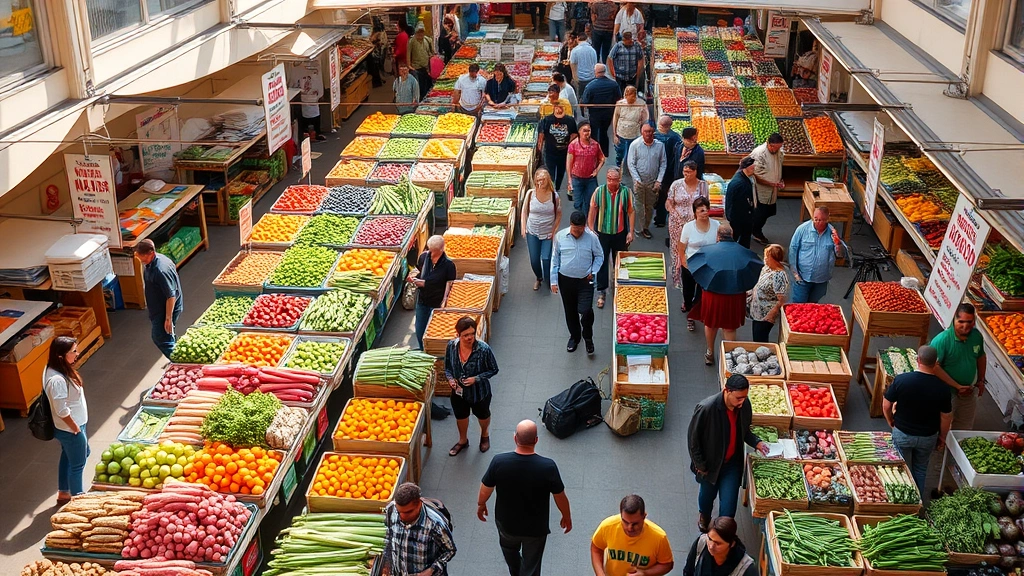
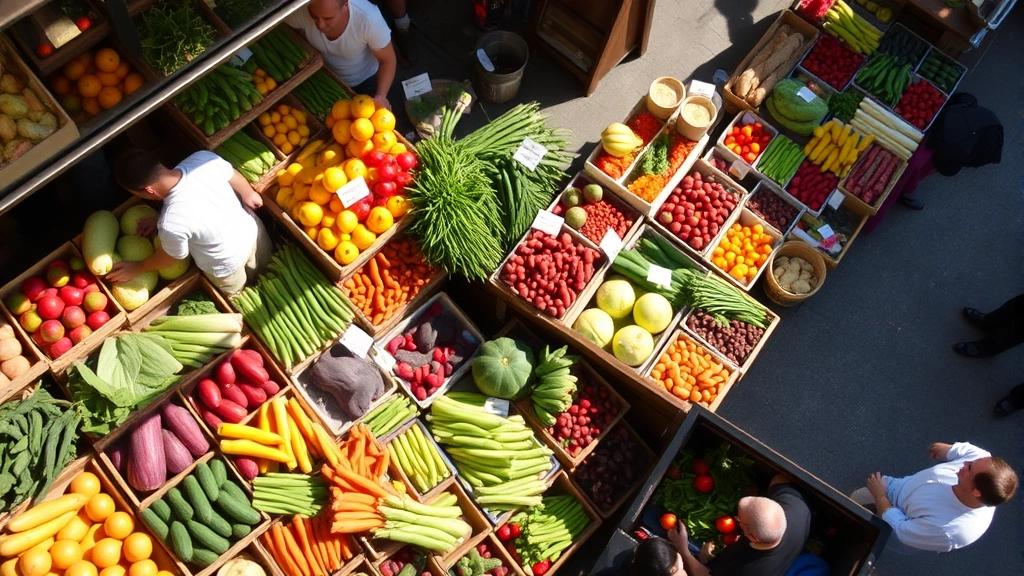
Orlando’s farmers market scene has experienced remarkable growth over the past decade, transforming from a niche community gathering into a thriving hub for local agriculture, sustainable commerce, and farm-to-table dining culture. Whether you’re a health-conscious consumer seeking organic produce, a small business owner looking to source local ingredients, or simply curious about Central Florida’s agricultural landscape, understanding the nuances of Orlando’s farmers markets is essential. The city’s warm climate and rich agricultural heritage create ideal conditions for year-round farming operations, making it a significant player in Florida’s broader agricultural economy.
The farmers market ecosystem in Orlando reflects broader trends in consumer behavior, with shoppers increasingly prioritizing local sourcing, transparency in food production, and direct relationships with growers. According to recent industry data, the U.S. farmers market sector generates over $2 billion annually, with markets like those in Orlando contributing substantially to local economic development and food security. This comprehensive guide explores Orlando’s farmers market landscape, providing actionable insights for vendors, consumers, and business stakeholders.
Orlando’s Farmers Market Landscape
Orlando’s farmers market ecosystem has evolved significantly, shaped by demographic growth, environmental consciousness, and shifting consumer preferences toward locally-sourced products. The Greater Orlando area, with a population exceeding 2.7 million residents, provides substantial market demand for fresh, locally-grown agricultural products. This Market Rise Hub Blog perspective highlights how regional markets function as critical economic engines.
The Central Florida region benefits from a year-round growing season, allowing vendors to offer fresh produce throughout the calendar year—a significant competitive advantage compared to northern U.S. markets with seasonal limitations. Winter months (November through March) represent peak season, when farmers from across the state converge on Orlando to serve both local residents and the substantial tourist population. During summer months, vendors adapt by offering heat-tolerant crops including okra, eggplant, peppers, and tropical fruits.
Orlando’s farmers markets serve multiple functions beyond simple transactions. They function as community gathering spaces, educational platforms for agricultural practices, and important distribution channels for small-scale farmers competing against industrial agriculture. The market structure typically includes certified producers, value-added product vendors (jams, honey, baked goods), and artisan crafters, creating a diverse ecosystem that appeals to varied consumer segments.
Market infrastructure in Orlando has professionalized significantly, with many established markets now featuring permanent structures, parking facilities, and year-round operations. This infrastructure development reflects growing recognition of farmers markets as legitimate retail channels worthy of municipal investment. Payment systems have evolved beyond cash-only transactions, with most major markets now accepting credit cards, mobile payments, and SNAP benefits—expanding accessibility for lower-income consumers.
Major Markets & Locations
Orlando hosts several established farmers markets, each with distinct characteristics, vendor compositions, and customer demographics. Understanding these differences helps consumers and vendors identify the best fit for their needs.
Winter Park Farmers Market represents one of Central Florida’s most established and upscale markets, operating year-round on Saturdays. Located in the affluent Winter Park community, this market attracts demographic segments with higher disposable income and strong preferences for organic, specialty, and exotic produce. Vendors report strong sales velocity and premium pricing capabilities, though booth fees reflect the location’s desirability.
Downtown Orlando Farmers Market operates in the urban core, serving both residential and commercial clientele. This market has experienced growth corresponding with downtown Orlando’s revitalization, attracting younger demographics, food service professionals sourcing ingredients, and restaurant operators seeking local supply chains. The location provides excellent visibility and foot traffic from nearby office workers and weekend visitors.
Lake Eustis Farmers Market and other regional markets serve suburban and rural communities, often featuring more traditional agricultural products and attracting family-oriented shoppers. These markets typically operate seasonally or semi-seasonally, with operations concentrated during peak produce months.
Beyond established markets, Orlando supports numerous emerging markets and pop-up operations, reflecting entrepreneurial responses to growing demand. Community gardens, neighborhood associations, and mobile market initiatives extend market access to underserved areas, addressing food desert concerns in certain Orlando neighborhoods.
Market timing varies significantly across Orlando locations. Most markets operate weekly or bi-weekly, with Saturday mornings representing the dominant operating window. However, some markets have expanded to weekday evening operations to serve working professionals and shift workers, demonstrating adaptive business models.
” alt=”farmers market”/>
Seasonal Trends & Product Availability
Understanding Orlando’s agricultural calendar is essential for both vendors and consumers. Central Florida’s subtropical climate creates distinct seasonal patterns that influence product availability, pricing, and vendor participation.
Winter Season (November-March) represents peak farmers market activity in Orlando. Cooler temperatures create ideal growing conditions for leafy greens, cruciferous vegetables, root crops, and cool-season herbs. Strawberries, a signature Florida crop, reach peak production during January and February, driving significant consumer traffic to markets. Winter season markets typically feature 40-60% more vendors compared to summer operations, with many farmers traveling from South Florida operations to serve Orlando’s concentrated consumer base.
Pricing during winter season remains relatively stable, with abundant supply preventing dramatic price fluctuations. This abundance benefits consumers but can pressure vendor margins, particularly for commodity crops. Successful vendors during winter months typically differentiate through specialty varieties, value-added products, or premium organic certification rather than competing primarily on price.
Spring Season (April-May) represents a transitional period. As temperatures warm, cool-season crop production declines while heat-loving crops begin emerging. Spring markets feature increasing availability of berries, early tomatoes, peppers, and summer squash. Vendor participation typically decreases as some winter-season operators return to their home regions, though established local producers maintain operations.
Summer Season (June-September) presents the most challenging period for Orlando farmers markets. High temperatures, humidity, and afternoon thunderstorms create difficult growing conditions and reduce consumer foot traffic. Markets often operate with minimal vendor participation, focusing on heat-tolerant crops including okra, southern peas, tropical fruits, and prepared foods. Some established markets reduce operating frequency or temporarily close during July-August, the most challenging month.
However, summer season offers opportunities for vendors with specialized capabilities. Tropical fruit producers, herb specialists, and value-added product vendors often maintain strong sales during summer months when fresh local options are limited. This seasonal dynamic creates market niches for specialized producers.
Fall Season (September-November) represents a recovery period as temperatures moderate and production increases. Fall markets feature expanding vegetable availability, including tomatoes, peppers, squash, and early cool-season crops. Vendor participation increases progressively through October and November as growers prepare for peak winter season.
Understanding these seasonal patterns enables vendors to optimize crop planning, adjust pricing strategies, and manage cash flow. For consumers, seasonal awareness facilitates budget optimization and informed purchasing decisions. Many Orlando shoppers strategically purchase and preserve seasonal products during peak availability periods, reducing year-round costs.
Vendor Economics & Business Opportunities
Operating a vendors booth at Orlando farmers markets represents a significant business decision requiring careful financial analysis. Understanding the economic structure is essential for aspiring agricultural entrepreneurs considering market participation.
Booth Fees & Operating Costs vary substantially across Orlando markets. Premium locations like Winter Park charge weekly booth fees ranging from $40-75, with some markets offering seasonal packages at modest discounts. Downtown Orlando and emerging markets typically charge $25-50 weekly. These fees represent fixed costs that vendors must recover through sales, creating break-even thresholds that vary based on product mix and pricing strategy.
Beyond booth fees, vendors incur transportation costs, product losses due to spoilage or unsold inventory, and market-related labor expenses. Successful vendors typically operate with 3-4 people during market hours, including setup and teardown, creating significant labor cost burden. For small-scale operations, labor costs often exceed booth fees, representing the primary operational expense.
Product sourcing economics present another critical consideration. Vendors sourcing directly from their own farms enjoy superior margins compared to those purchasing from wholesale distributors. However, farm operations require substantial capital investment, expertise, and year-round management. Many Orlando vendors operate hybrid models, growing core products while supplementing with wholesale purchases to ensure consistent product availability and variety.
Pricing Strategy significantly impacts vendor profitability. Orlando’s farmers markets feature substantial price variation across similar products, reflecting differences in production methods, certification status (organic premium), product quality, and vendor positioning. Premium vendors targeting affluent demographics charge 15-30% above commodity prices, justifying premiums through organic certification, specialty varieties, or superior quality. Competitive vendors in price-sensitive markets operate with tighter margins, relying on volume and efficiency.
Data from USDA Agricultural Marketing Service indicates that successful farmers market vendors typically achieve gross margins of 45-65%, with net margins (after all expenses) ranging from 10-25% depending on operational efficiency. These margins compare favorably to wholesale channels, explaining farmers market participation despite operational complexity.
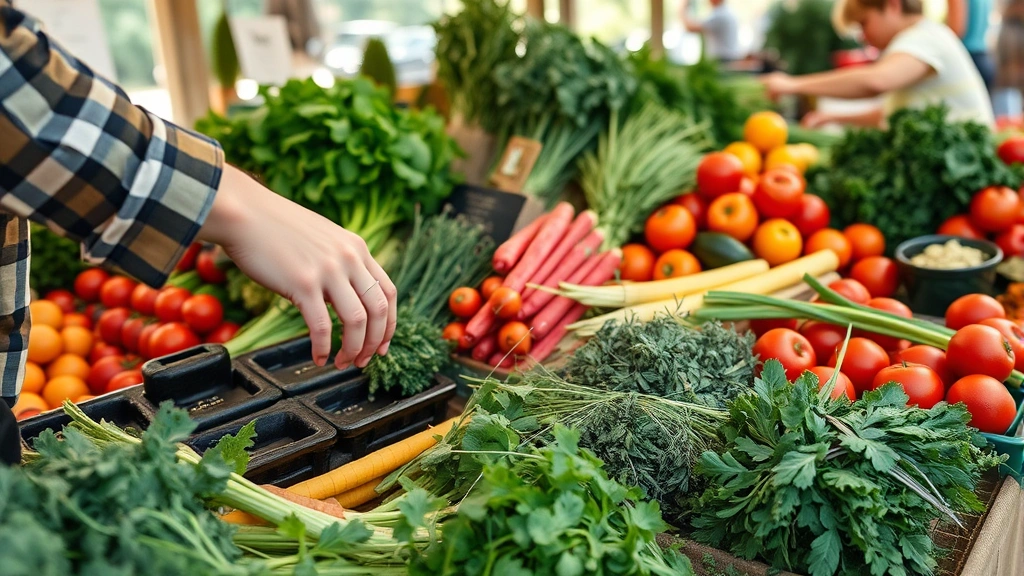
Product mix significantly influences profitability. Vendors offering higher-margin specialty items, value-added products, or prepared foods typically outperform commodity-focused operations. For example, herb bundles command premium pricing and attract consistent customer bases, while bulk commodity vegetables face greater price competition and margin pressure.
Related insights on marketing strategy for small businesses provide frameworks for vendor positioning and customer acquisition applicable to farmers market operations.
Seasonality Impact on Vendor Economics creates significant business challenges. Many Orlando vendors operate on seasonal schedules, concentrating operations during peak winter months and reducing or suspending activity during challenging summer periods. This seasonality creates feast-or-famine cash flow patterns requiring careful financial management. Successful vendors build cash reserves during profitable months to sustain operations through lower-revenue periods.
Some vendors diversify revenue streams to smooth seasonal fluctuations. Common strategies include wholesale channels (supplying restaurants or retail stores), farmers market operations in other regions with different seasonal peaks, and value-added product production that extends shelf life and market windows.
Consumer Demographics & Buying Patterns
Understanding Orlando farmers market consumer demographics reveals important insights about market opportunities, positioning strategies, and growth potential.
Primary Consumer Segments at Orlando farmers markets include health-conscious professionals (typically age 35-55 with household incomes exceeding $75,000), families prioritizing organic produce and food transparency, and food service professionals sourcing ingredients. These segments demonstrate strong price elasticity differences, with affluent consumers prioritizing quality and provenance over price, while budget-conscious shoppers prioritize value and volume.
According to USDA Farmers Market Survey data, approximately 65% of farmers market shoppers have household incomes exceeding $50,000, and 48% hold college or advanced degrees. Orlando’s demographics align closely with these national patterns, with the region’s affluent communities supporting strong farmers market participation.
Purchasing Frequency & Spending Patterns vary significantly across consumer segments. Core regular customers typically visit farmers markets weekly, spending $30-75 per visit. Occasional visitors (monthly or less frequent) tend to spend less per visit but represent important growth opportunities. Average transaction values at Orlando farmers markets range from $25-40, with premium markets commanding higher average tickets.
Customer loyalty represents a critical success factor for vendors. Regular customers often develop relationships with specific vendors, prioritizing consistency, quality, and personal connection over marginal price differences. This relationship-driven dynamic creates opportunities for vendors to build sustainable customer bases and command premium pricing.
Product Preferences at Orlando farmers markets reflect both local agricultural capabilities and consumer health trends. Organic vegetables dominate sales volume, with leafy greens, tomatoes, and peppers representing top-performing categories. However, specialty items including exotic fruits, specialty herbs, and value-added products (honey, jams, prepared foods) often generate higher per-unit margins and strong customer loyalty.
Seasonal produce preferences shift throughout the year. Winter markets feature strong demand for strawberries, citrus, and cool-season vegetables. Spring and summer markets see increased interest in berries, stone fruits, and tropical items. Fall markets generate strong demand for tomatoes, peppers, squash, and autumn vegetables. Understanding these seasonal preference shifts enables vendors to optimize inventory and marketing strategies.
Payment Method Evolution reflects broader consumer behavior trends. While cash traditionally dominated farmers market transactions, digital payments have expanded substantially. Most established Orlando markets now report that 30-50% of transactions involve credit cards or mobile payments, with older consumers and cash-preferring shoppers maintaining traditional payment methods. SNAP (food assistance) acceptance has expanded significantly, broadening market accessibility and customer base diversity.
Digital Integration & Marketing Strategies
Modern farmers markets increasingly integrate digital technologies, enhancing customer experience and operational efficiency. Orlando’s market scene reflects broader digital transformation trends affecting retail commerce.
Social Media & Digital Marketing have become essential tools for individual vendors and market organizations. Successful vendors maintain active Instagram and Facebook presence, showcasing seasonal products, market schedules, and behind-the-scenes farm operations. Digital presence enables vendors to build customer relationships beyond physical market interactions, announce special products, and drive repeat visits.
Market-level digital initiatives include centralized websites, mobile applications, and social media coordination. Some Orlando markets have developed vendor directories, maps, and customer communication systems that enhance market accessibility. These digital tools reduce information barriers and facilitate customer discovery of specific vendors and products.
Insights from digital marketing trends 2025 highlight how emerging technologies including AI-driven customer engagement and hyper-personalization are influencing retail marketing strategies applicable to farmers markets.
Pre-ordering & Online Sales represent growing opportunities for Orlando vendors. Some farmers market vendors have implemented pre-ordering systems allowing customers to reserve products before market day, ensuring product availability and facilitating inventory management. Online ordering platforms with in-market pickup or local delivery expand revenue opportunities beyond market-day transactions.
However, digital integration presents challenges for small-scale vendors lacking technical expertise or resources. Digital divide issues create competitive advantages for larger, better-resourced operations, potentially disadvantaging traditional small farmers. Market organizations increasingly provide digital support resources to help vendors navigate technology adoption.
Data Analytics & Customer Insights enable vendors and market organizations to optimize operations. Digital point-of-sale systems capture transaction data revealing product performance, customer preferences, and seasonal patterns. This data informs inventory decisions, pricing strategies, and marketing focus. Progressive vendors leverage analytics to identify high-performing product combinations and customer segments.
Sustainability & Local Impact
Orlando’s farmers markets generate substantial environmental and economic benefits beyond direct sales transactions, contributing to broader sustainability and community development objectives.
Environmental Impact of farmers market systems includes reduced transportation emissions compared to conventional supply chains. Average farm-to-table distances in farmers market systems measure significantly shorter than conventional wholesale channels, reducing carbon footprints. Additionally, farmers market participation often correlates with sustainable farming practices including reduced chemical inputs, soil conservation, and biodiversity protection.
Many Orlando vendors practice regenerative agriculture, cover cropping, and integrated pest management—practices that improve environmental outcomes while supporting long-term farm viability. Farmers market premium pricing enables farmers to invest in sustainable practices that might not be economically feasible under commodity agriculture economics.
Economic Impact Assessment reveals substantial local benefits from farmers market systems. Local First research indicates that farmers market spending generates 2-3x greater local economic multiplier effects compared to conventional retail, with money circulating locally through vendor spending on local services, supplies, and labor.
Direct farmer income represents another critical benefit. Farmers selling through market channels capture substantially greater margins compared to wholesale channels, improving farm viability and enabling agricultural operations to remain economically sustainable. This economic viability supports agricultural land preservation and prevents farmland conversion to non-agricultural uses.
Food Security & Access implications of Orlando’s farmers markets extend beyond affluent consumer segments. SNAP acceptance expansion and market accessibility initiatives help address food desert concerns in underserved neighborhoods. Community-supported agriculture (CSA) programs and sliding-scale pricing initiatives further expand access for lower-income populations.
Related content on farmers market Maui and farmers market Issaquah explores how different regional markets address access and sustainability challenges through varied operational models.
” alt=”local farmers market commerce”/>
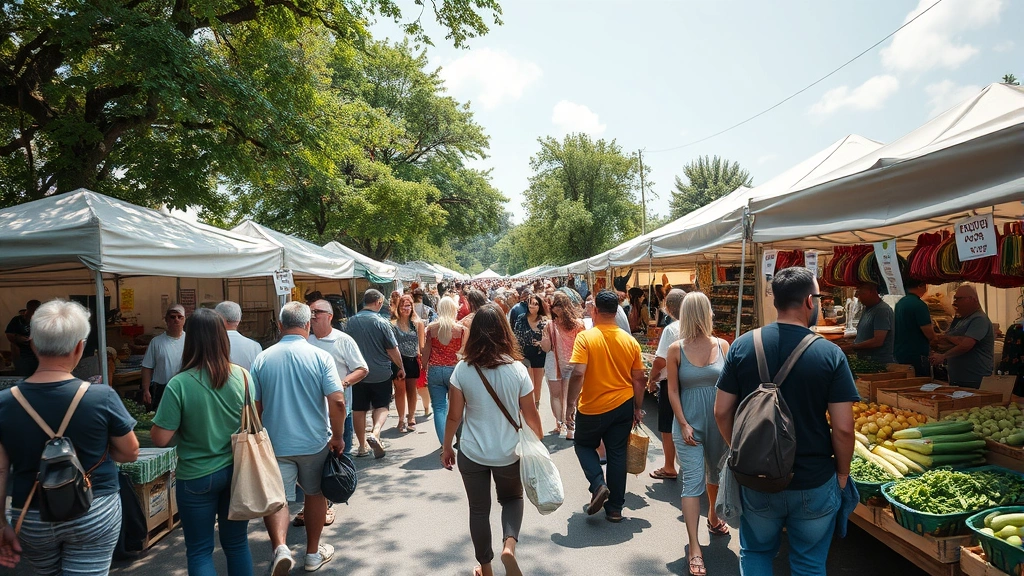
Community Building & Social Capital represent intangible but significant farmers market benefits. Markets function as community gathering spaces fostering social connections, neighbor relationships, and civic engagement. This social infrastructure contributes to community resilience and quality of life beyond direct economic metrics.
Educational initiatives at Orlando farmers markets, including cooking demonstrations, agricultural workshops, and farm tours, build consumer knowledge about food production, nutrition, and sustainability. These educational functions support informed consumer decision-making and deepen community commitment to local food systems.
FAQ
When is the best time to visit Orlando farmers markets?
Winter months (November-March) offer maximum vendor variety and product selection, representing peak season. Saturday mornings typically feature the highest activity. However, dedicated farmers market shoppers often visit during shoulder seasons (spring and fall) to access quality products with less crowding. Summer visits work well for heat-tolerant produce, specialty items, and value-added products.
What payment methods do Orlando farmers markets accept?
Most established Orlando farmers markets accept cash, credit cards, and mobile payments including Apple Pay and Google Pay. Many markets participate in SNAP/EBT programs, providing access for food assistance recipients. It’s advisable to confirm specific payment options with individual markets, as policies vary.
How do farmers market prices compare to grocery stores?
Farmers market prices typically range from comparable to 20-30% higher than conventional grocery stores for similar products, reflecting premium quality, freshness, and production methods. However, specialty varieties, organic certification, and direct farm relationships often justify premium pricing. Savvy shoppers find strong value by purchasing seasonal abundance and utilizing preservation techniques.
Can I find organic produce at Orlando farmers markets?
Yes, organic produce represents a significant portion of offerings at most Orlando farmers markets, particularly at premium markets like Winter Park. However, not all vendors are certified organic despite practicing organic methods. Consumers should ask vendors about growing practices and certification status rather than assuming.
Are there farmers markets open year-round in Orlando?
Several Orlando farmers markets operate year-round, including Winter Park Farmers Market and Downtown Orlando Farmers Market. However, summer operations may feature reduced vendor participation and limited product selection. Some markets reduce operating frequency during summer months. Checking market websites or contacting organizers confirms current operating schedules.
How can I become a vendor at Orlando farmers markets?
Interested vendors should contact specific market organizations regarding vendor requirements, application procedures, and booth availability. Most markets require product liability insurance, business licensing, and compliance with local health regulations. Farmers market organizations can provide detailed vendor guidelines and support resources.
What products sell best at Orlando farmers markets?
Top-performing categories include organic vegetables (particularly leafy greens and tomatoes), specialty herbs, berries, and value-added products including honey, jams, and prepared foods. Seasonal specialties and unique varieties often command strong customer interest and premium pricing. Successful vendors combine commodity staples with specialty differentiation.