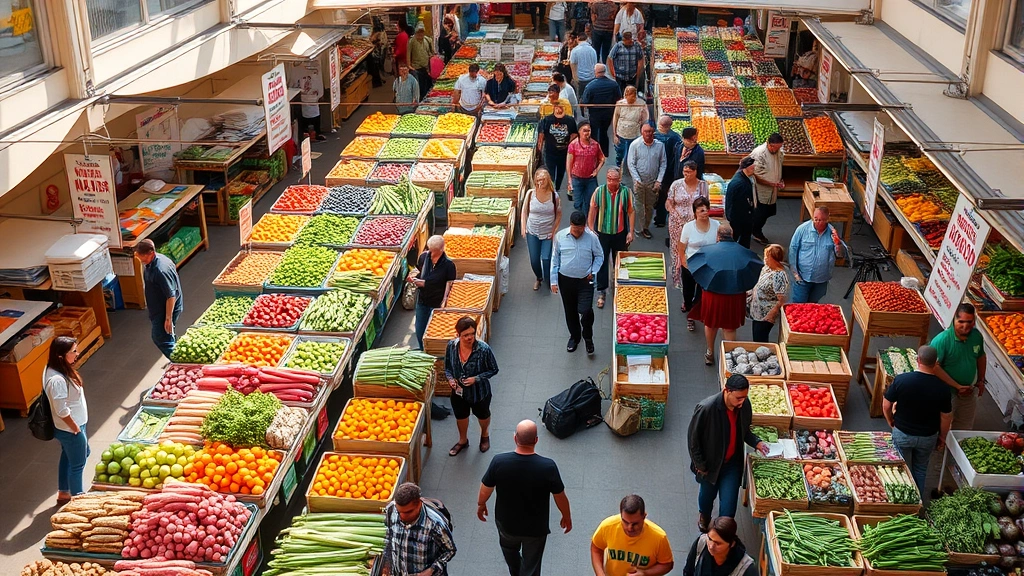
Maui Farmers Market Tips: Local Expert Insight
Maui’s farmers markets represent more than just seasonal shopping destinations—they’re vibrant economic hubs where local producers, artisans, and community members converge to exchange fresh produce, goods, and knowledge. Whether you’re a visitor seeking authentic island experiences or a resident looking to maximize your farmers market experience, understanding the nuances of Maui’s agricultural marketplace can transform how you shop, eat, and connect with the island’s food system. This comprehensive guide draws on local expertise to reveal insider strategies for navigating Maui’s farmers markets like a seasoned pro.
The islands of Maui have cultivated a rich agricultural heritage spanning centuries, and today’s farmers markets serve as living extensions of that tradition. From the West Maui to the upcountry regions, each market reflects distinct seasonal offerings, vendor personalities, and community dynamics. By learning when to arrive, what to expect, and how to build relationships with local growers, you’ll unlock access to premium produce, better prices, and stories that supermarkets simply cannot provide.
Understanding Maui’s Farmers Market Ecosystem
Maui’s agricultural landscape differs significantly from mainland markets due to the island’s unique climate, elevation zones, and year-round growing conditions. The island’s diverse microclimates—from sea-level tropical zones to cool upcountry elevations exceeding 3,000 feet—enable farmers to cultivate an extraordinary range of crops throughout the year. This geographic advantage means Maui farmers markets maintain consistent inventory diversity that many mainland markets cannot match seasonally.
The economic structure of Maui’s farmers markets operates on principles distinct from typical retail environments. Most vendors are direct producers who maintain small to medium-sized farms, meaning profit margins depend heavily on volume and direct consumer relationships. Understanding this dynamic helps shoppers appreciate why farmers may offer better prices for bulk purchases or why building rapport can lead to preferential access to premium items before they’re displayed.
According to USDA agricultural data, Hawaii’s specialty crop production generates over $400 million annually, with farmers markets serving as crucial distribution channels for producers unable to compete with large-scale commercial operations. This economic reality shapes vendor behavior, pricing strategies, and the overall market atmosphere you’ll experience.
The farmers market community in Maui functions as an interconnected network where vendors share information about seasonal transitions, pest management, and market demand. By becoming a regular shopper, you gain access to this informal knowledge network. Vendors will alert you to upcoming harvests, recommend ideal preparation methods, and occasionally set aside premium items for trusted customers.
Best Times and Locations for Shopping
Maui hosts multiple farmers markets throughout the week, each with distinct characteristics regarding vendor density, product variety, and crowd levels. The Maui Farmers Market at Mokulele Highway in Kihei operates Tuesday through Sunday mornings, making it one of the island’s most accessible year-round options. Early morning arrivals—ideally between 7:00 and 8:30 AM—provide significant advantages: fuller vendor selections, cooler temperatures for produce handling, and opportunities for one-on-one vendor conversations without crowd pressure.
The Upcountry Farmers Market near Kula operates on select days and features produce grown at higher elevations, including cool-weather crops like lettuce, broccoli, and specialty herbs rarely found at lower-elevation markets. Temperature variations across Maui mean that timing your visits to different markets can provide access to products in optimal ripeness. For instance, visiting upcountry markets mid-week often yields better selections than weekends when tourist traffic peaks.
Seasonal timing dramatically affects market composition. The summer months (June-August) feature abundant tropical fruits, while winter months (November-February) bring heartier vegetables and cool-season crops. Understanding these seasonal patterns allows you to plan strategic shopping approaches that maximize both budget and nutritional variety.
Weather patterns influence both vendor attendance and product availability. Periods following heavy rain often mean reduced vendor participation as farmers manage harvest logistics, but produce quality typically improves. Conversely, dry spells may increase vendor presence but potentially reduce crop diversity. Building relationships with regular vendors helps you understand these patterns and anticipate supply fluctuations.

Vendor Relationships and Negotiation Strategies
Successful farmers market shopping relies fundamentally on relationship-building with vendors. Unlike retail environments where transactions are anonymous and standardized, farmers market economics reward loyalty and communication. Vendors who recognize regular customers often provide subtle advantages: first access to premium items, preferential pricing on bulk purchases, and honest advice about product selection and ripeness.
Approaching vendors with genuine interest in their farming practices builds trust rapidly. Questions about growing methods, pest management approaches, or flavor profiles for specific varieties demonstrate that you value their expertise beyond mere transaction completion. This positioning transforms the vendor-customer relationship from transactional to collaborative.
Negotiation at farmers markets operates differently than retail haggling. Direct price reduction requests are generally inappropriate and often counterproductive. Instead, volume-based negotiations work effectively: offering to purchase larger quantities in exchange for modest per-unit discounts aligns vendor interests with your budget goals. Vendors appreciate predictable volume purchases because they reduce inventory risk and simplify logistics.
Timing negotiations strategically maximizes success rates. Late-market visits (within 30 minutes of closing) position you advantageously for negotiations on items vendors prefer not to transport back to farms. However, this timing reduces selection quality. Mid-market timing offers better balance: sufficient crowd activity maintains vendor energy, yet enough time remains for negotiation without excessive time pressure.
Building community within the market ecosystem creates additional advantages. Connecting with other regular shoppers provides market intelligence about vendor specialties, seasonal timing, and quality benchmarks. These informal networks often share information about specific vendors’ strengths, upcoming harvests, and market dynamics that enhance shopping strategy.
Seasonal Produce Planning and Sourcing
Maui’s year-round growing capacity means farmers markets maintain consistent inventory, but product diversity varies seasonally. Strategic shoppers align meal planning with seasonal availability to optimize both nutrition and cost efficiency. Winter months (December-February) feature robust supplies of leafy greens, root vegetables, and citrus fruits, while summer brings tropical fruits, heat-loving vegetables, and specialty items like passion fruit and dragon fruit.
Understanding crop cycles helps predict pricing patterns. When specific produce enters peak season, prices typically decline as supply increases. Conversely, transitional periods between seasons often see price increases due to limited availability. Planning bulk purchases and preservation activities around peak-season timing maximizes value capture.
Maui’s elevation diversity enables extended seasons for many crops. Upcountry farms produce cool-season vegetables well into summer months when sea-level farms transition to tropical crops. This geographic advantage means strategic market timing across different locations provides year-round access to diverse produce types at optimal pricing and quality.
Specialty crops define Maui’s farmers market character. Items like Maui onions (famous for their sweetness), locally-grown macadamia nuts, and specialty honey appear seasonally with limited availability windows. Monitoring vendor presence and communicating with regular farmers about upcoming specialty harvests ensures you don’t miss these premium products.
Our guide on marketing strategy for startups discusses how small producers build customer loyalty through scarcity and exclusivity—principles directly applicable to farmers market dynamics. Vendors strategically time specialty releases to maximize customer anticipation and perceived value.
Quality Assessment and Product Selection
Farmers market produce quality varies significantly based on harvest timing, storage conditions, and vendor expertise. Developing reliable assessment skills prevents purchasing suboptimal products while building vendor respect through informed decision-making. Visual inspection forms the foundation: look for vibrant color, firm texture (when appropriate), and absence of blemishes or soft spots indicating spoilage.
Aroma testing provides crucial quality information, particularly for tropical fruits. Ripe pineapples, papayas, and mangoes emit distinctive sweet scents indicating peak ripeness. Conversely, absence of aroma or sour smells suggests either underripeness or spoilage. Vendors appreciate customers who conduct thorough quality assessments rather than making impulse purchases they later regret.
Asking vendors about harvest timing clarifies product freshness. Produce harvested within 24 hours of market appearance significantly outlasts items harvested days earlier. Morning market visits align with overnight or early-morning harvests, providing peak freshness. Vendors willingly share this information, and their responses indicate their commitment to quality and transparency.
Understanding ripeness expectations prevents common purchasing errors. Some produce intentionally appears slightly underripe for optimal shelf life, while other items peak only at specific ripeness stages. Vendors’ recommendations about ripeness and intended use ensure you purchase products matching your consumption timeline and culinary intentions.
Seasonal quality variations affect purchasing strategy. Early-season produce often commands premium prices while quality may be inconsistent. Mid-season purchases typically offer optimal value: quality stabilizes, prices decline, and supply consistency increases. Late-season shopping presents bargain opportunities but requires careful quality assessment as supply pressures increase vendor motivation to move aging inventory.
Supporting Local Agriculture and Sustainability
Farmers market shopping directly supports Maui’s agricultural economy in ways that supermarket purchasing cannot match. Each dollar spent at farmers markets keeps approximately 80% of revenue within local communities, compared to 16% for supermarket purchases. This economic multiplier effect strengthens the entire island economy while preserving agricultural land from development pressure.
Understanding farming practices helps align purchases with personal sustainability values. Many Maui farmers employ organic or sustainable methods, though not all maintain formal certification due to cost and regulatory complexity. Direct conversations with vendors reveal their environmental practices, pest management approaches, and water conservation strategies.
Purchasing seasonal, locally-grown produce reduces the environmental footprint associated with transportation, storage, and refrigeration. Research from local food systems organizations demonstrates that locally-sourced produce generates 5-17 times lower carbon emissions than imported alternatives. Farmers market shopping thus represents a tangible sustainability action.
Reducing packaging waste represents another farmers market advantage. Bringing reusable bags and containers encourages vendors to eliminate single-use packaging. Many vendors actively support this practice, appreciating customers who demonstrate environmental commitment. This alignment between vendor values and customer practices strengthens community bonds.
Preserving agricultural land benefits the entire island ecosystem. Maui has lost significant agricultural acreage to development over recent decades. Supporting local farmers through direct purchases provides economic incentive for maintaining productive agricultural land, which protects watershed functions, prevents erosion, and maintains habitat diversity.

Pricing Dynamics and Value Maximization
Farmers market pricing reflects production costs, crop yields, and market demand rather than standardized retail markups. Understanding these dynamics helps distinguish genuine value from apparent bargains. Premium pricing for specialty items or early-season produce reflects legitimate scarcity and production challenges rather than vendor profit maximization.
Comparing farmers market prices to supermarket alternatives requires nuanced analysis. Farmers market produce often commands premium prices initially but delivers superior quality, longevity, and nutritional density that justify higher per-unit costs. A $4 pound of farmers market tomatoes may yield more usable product and superior flavor than $2 supermarket alternatives, representing actual cost savings.
Bulk purchasing strategies maximize value capture. Vendors offering modest discounts for quantity purchases benefit from simplified transactions and reduced inventory risk. Purchasing 10 pounds of seasonal produce at 15% discounts beats buying smaller quantities at full price, particularly when items freeze or preserve well.
Understanding vendor cost structures illuminates pricing. Farmers absorb significant costs for land, equipment, water, labor, and transportation that consumers rarely consider. Vendors maintaining fair pricing balancing reasonable profit margins with customer accessibility deserve customer loyalty and respect. Attempting aggressive price negotiation with small-scale farmers often reflects misunderstanding of their economic reality.
Seasonal purchasing patterns optimize budget allocation. Purchasing heavily during peak-season abundance and lightly during scarcity periods naturally aligns with optimal pricing. This approach requires flexibility in meal planning and food preservation skills but delivers substantial savings compared to consistent year-round purchasing.
Building a farmers market shopping routine similar to those in other regions creates budget predictability. Regular shopping develops intuitive understanding of typical pricing ranges, seasonal variations, and vendor reliability, enabling confident purchasing decisions.
For vendors interested in optimizing their market presence, understanding digital marketing trends 2025 can enhance their promotional effectiveness and customer engagement beyond traditional farmers market presence.
FAQ
What should I bring to Maui farmers markets for optimal shopping?
Bring reusable shopping bags or containers to reduce waste and simplify carrying purchases. Cash remains essential as many vendors lack card processing capability, though this is gradually changing. Bring small bills for easier transactions and change management. A cooler or insulated bag prevents produce degradation during travel, particularly important in Maui’s warm climate. Finally, bring a list of needed items and seasonal knowledge to guide purchasing decisions.
What time of year offers the best farmers market experience?
Winter months (November-February) provide cooler temperatures, diverse produce variety, and lower crowds than summer tourist season. However, summer months offer abundant tropical fruits and warm-weather vegetables. Visiting during shoulder seasons (April-May, September-October) balances crowd levels with good product diversity. Ultimately, regular visits across seasons develop comprehensive market knowledge superior to single-season experiences.
How can I identify organic or sustainable farming practices?
Direct conversations with vendors reveal farming practices more reliably than assumptions. Ask specific questions about pesticide use, water conservation methods, and soil management practices. Many sustainable farmers lack formal organic certification despite employing rigorous sustainable methods. Vendors enthusiastically discussing their practices typically demonstrate genuine commitment, while evasive responses warrant skepticism.
Should I negotiate prices with farmers market vendors?
Direct price reduction requests are generally inappropriate. Instead, propose bulk purchases at modest per-unit discounts. This approach respects vendor economics while achieving budget goals. Late-market timing creates natural negotiation opportunities as vendors prefer not transporting unsold inventory. Building long-term vendor relationships generates loyalty benefits superior to transaction-by-transaction negotiation.
What’s the best strategy for purchasing perishable produce?
Purchase perishable items near the end of your market visit to minimize warm storage time. Prioritize items you’ll consume within 1-2 days over those requiring extended storage. Ask vendors about ripeness and intended consumption timing to ensure purchases match your needs. For items requiring preservation, purchase during peak season when prices decline and quality peaks.
How do farmers market purchases compare to supermarket shopping economically?
Farmers market produce typically costs 10-30% more per unit than supermarket alternatives but delivers superior quality, freshness, and longevity. The actual cost per usable portion often favors farmers market shopping due to reduced spoilage and superior nutritional density. Additionally, farmers market shopping supports local economy and environmental sustainability, providing value beyond simple price comparison.