
Digital Marketing Strategies: Expert Insights for 2025
In today’s rapidly evolving digital landscape, businesses face unprecedented competition and consumer expectations. A digital marketing strategist plays a pivotal role in navigating this complexity, crafting data-driven approaches that drive measurable results. Whether you’re a startup scaling aggressively or an established enterprise optimizing your online presence, understanding core digital marketing strategies is essential for sustainable growth.
The difference between random marketing efforts and strategic, intentional campaigns often determines whether businesses thrive or struggle. Expert digital marketing strategists combine industry knowledge, analytical rigor, and creative problem-solving to build comprehensive strategies that align with business objectives. This guide explores proven strategies, emerging trends, and actionable insights to help you develop a competitive edge in the digital marketplace.

Core Digital Marketing Strategy Foundations
Every successful digital marketing strategy begins with a solid foundation. A digital marketing strategist must first understand the business landscape, competitive positioning, and target audience deeply. This foundational work determines the trajectory of all subsequent efforts.
Start by defining clear business objectives. Are you focused on brand awareness, lead generation, customer retention, or revenue growth? Your objectives should be SMART—Specific, Measurable, Achievable, Relevant, and Time-bound. When you visit how to create a marketing plan, you’ll find detailed frameworks for establishing these objectives.
Audience research represents another critical foundation. Modern consumers expect personalized experiences, and understanding their pain points, preferences, and behaviors is non-negotiable. Develop detailed buyer personas based on data analysis rather than assumptions. Consider demographics, psychographics, buying triggers, and preferred communication channels. This research informs every strategy element, from content topics to platform selection.
Competitive analysis provides essential context. A digital marketing strategist should understand competitor positioning, messaging, strengths, and weaknesses. This analysis reveals market gaps and opportunities for differentiation. Tools like Semrush and Ahrefs provide comprehensive competitive intelligence.
Your positioning statement crystallizes your unique value proposition. It should answer: What problem do you solve? Who is your ideal customer? What makes you different? This clarity guides all marketing communications and ensures consistency across channels.
Content Marketing as a Strategic Pillar
Content marketing remains one of the most effective long-term strategies for building authority and attracting qualified traffic. Rather than interrupting audiences with ads, content marketing provides genuine value, establishing your brand as a trusted resource.
Strategic content planning begins with topic research and keyword analysis. A digital marketing strategist identifies high-intent keywords that align with your products or services and audience search behavior. This research reveals what potential customers are actively seeking. The Market Rise Hub Blog regularly explores content strategies that convert.
Content should be organized into a strategic framework addressing different buyer journey stages:
- Awareness stage: Educational content that introduces problems and solutions broadly. Blog posts, infographics, and explainer videos work well here.
- Consideration stage: Detailed comparisons, case studies, and how-to guides that help prospects evaluate options.
- Decision stage: Product-specific content, testimonials, and ROI calculators that facilitate purchase decisions.
Consistency matters tremendously in content marketing. Developing an editorial calendar ensures regular publication and strategic alignment. Most successful brands publish high-quality content at least weekly, building audience momentum over time.
Distribution strategy extends content reach beyond organic channels. Repurposing content across multiple formats—turning blog posts into videos, infographics, or podcasts—maximizes ROI. Paid promotion amplifies reach for top-performing content, accelerating growth.
For startups developing their content approach, marketing strategy for startups provides specialized guidance for resource-constrained teams.
Data-Driven Decision Making
The most successful digital marketing strategists rely on data rather than intuition. In 2025, the ability to collect, analyze, and act on data represents a critical competitive advantage. According to McKinsey’s research on analytics maturity, organizations that leverage data effectively achieve significantly higher ROI on marketing investments.
Implement comprehensive tracking across all digital touchpoints. Website analytics, CRM systems, email marketing platforms, and social media insights provide rich behavioral data. Tools like Google Analytics 4 track user journeys across devices and platforms, revealing how different channels work together to drive conversions.
Key performance indicators (KPIs) must align with business objectives. Rather than vanity metrics like total impressions, focus on meaningful indicators:
- Conversion rates by channel and campaign
- Customer acquisition cost (CAC) relative to lifetime value (LTV)
- Marketing-influenced revenue
- Return on ad spend (ROAS)
- Content engagement and sharing rates
Attribution modeling helps understand how different channels contribute to conversions. Multi-touch attribution recognizes that most customer journeys involve multiple touchpoints across channels. This understanding prevents over-investment in last-click channels while under-valuing awareness-building activities.
Regular reporting and analysis should inform optimization decisions. A/B testing different approaches—headlines, images, calls-to-action, audience segments—reveals what resonates with your specific audience. Implement a testing culture where decisions are validated through experimentation.
Multi-Channel Integration Approaches
Customers interact with brands across multiple channels—social media, email, search, display advertising, and direct channels. A sophisticated digital marketing strategist orchestrates these channels into an integrated system where each channel supports others.
Search engine marketing (SEM) combines organic search (SEO) and paid search (PPC) to capture high-intent traffic. SEO builds long-term organic visibility for valuable keywords, while PPC provides immediate visibility for competitive terms. Together, they dominate search results and capture customers actively seeking solutions.
Social media strategy extends beyond posting content. Different platforms serve different purposes in your strategy:
- LinkedIn: B2B thought leadership, industry insights, and professional networking
- Instagram/TikTok: Visual storytelling, audience engagement, and trend participation
- Facebook: Community building, targeted advertising, and customer service
- YouTube: Long-form content, tutorials, and brand storytelling
Email marketing remains one of the highest-ROI channels when executed strategically. Segmented, personalized email campaigns nurture leads and maintain customer relationships. Automation enables timely, relevant messaging throughout the customer lifecycle.
Paid advertising amplifies reach across channels. Display advertising builds awareness, while retargeting campaigns re-engage interested prospects. Video advertising on platforms like YouTube reaches audiences with engaging visual content. A balanced paid strategy supports organic efforts while maintaining cost efficiency.
To understand how these channels work together effectively, explore digital marketing solutions from Garage2Global, which emphasizes integrated approaches.
Emerging Tactics for Competitive Advantage
The digital marketing landscape constantly evolves. Staying ahead requires understanding emerging trends and testing new approaches. Digital marketing trends 2025: what to expect provides detailed exploration of emerging opportunities.
Artificial intelligence is transforming marketing capabilities. AI-powered tools enable personalization at scale, predict customer behavior, optimize ad spending, and automate routine tasks. A digital marketing strategist should understand AI applications in their specific context—from chatbots improving customer service to predictive analytics identifying high-value prospects.
Voice search optimization addresses changing search behavior. As smart speakers and voice assistants proliferate, optimizing for conversational keywords and featured snippets becomes increasingly important.
Community building creates sustainable competitive advantages. Brands that foster engaged communities around their products develop loyal advocates who drive organic growth. This might involve online communities, user-generated content campaigns, or exclusive member benefits.
Sustainability and purpose-driven marketing resonate with modern consumers. Brands that communicate authentic environmental and social commitments attract values-aligned customers and build stronger emotional connections.
Privacy-first marketing adapts to changing regulations and consumer expectations. With third-party cookie deprecation, successful strategies emphasize first-party data collection, contextual targeting, and transparent data practices.
For small businesses exploring specialized tools, best marketing tools for small businesses identifies solutions that deliver enterprise-level capabilities at accessible price points.
Measuring Strategy Success
A digital marketing strategist must establish clear measurement frameworks before campaign launch. This enables objective evaluation and continuous optimization.
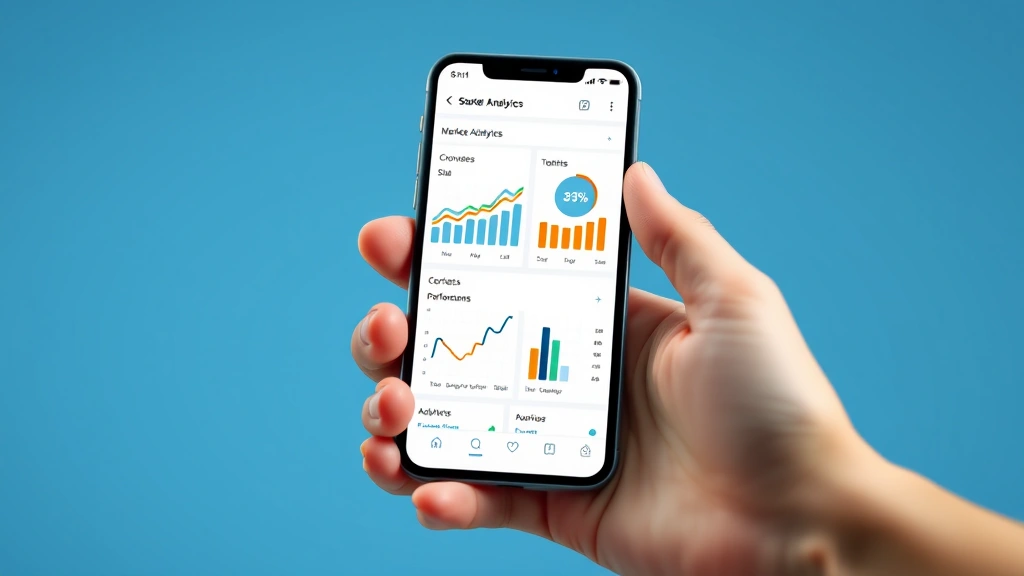
Create a measurement dashboard tracking KPIs aligned with business objectives. This dashboard should provide visibility into channel performance, customer acquisition metrics, and revenue impact. Regular review—weekly for tactical metrics, monthly for strategic assessment—ensures timely course correction.
Attribution analysis reveals how different channels and campaigns contribute to business results. Understanding that a customer might interact with brand content, click a paid ad, receive an email, and then convert helps allocate budget effectively. According to Forrester research on attribution, organizations with sophisticated attribution models improve marketing efficiency by 15-25%.
Cohort analysis tracks how different customer groups perform over time. Comparing cohorts acquired through different channels or campaigns reveals which sources drive highest lifetime value.
Regular strategy reviews should assess whether the approach is achieving objectives. If results fall short, investigate root causes—is the strategy fundamentally flawed, or is execution the issue? Are assumptions about audience behavior proving correct? This analytical mindset drives continuous improvement.
Document learnings from both successes and failures. A knowledge base of what works in your specific context becomes invaluable for scaling successful approaches and avoiding repeated mistakes.
FAQ
What qualifications should a digital marketing strategist have?
Effective digital marketing strategists combine business acumen, analytical skills, and creative thinking. Key qualifications include understanding marketing fundamentals, proficiency with analytics tools, experience with digital channels, and the ability to translate business objectives into marketing strategies. Many successful strategists hold marketing degrees or certifications, but practical experience often matters more than formal credentials.
How long does it take to see results from digital marketing strategies?
Timeline varies significantly by strategy. Paid advertising can drive immediate results, while SEO and content marketing typically require 3-6 months to show meaningful results. Building brand awareness and customer loyalty requires longer-term commitment. Most successful strategies blend quick-win tactics with long-term initiatives, providing near-term revenue while building sustainable growth foundations.
How much should businesses invest in digital marketing?
Budget allocation depends on business stage, industry, and growth objectives. Early-stage companies might allocate 10-20% of revenue to marketing, while mature companies might spend 5-10%. Within digital marketing budgets, allocation typically follows: 40% content and SEO, 30% paid advertising, 20% social media and community, 10% tools and technology. These percentages should adjust based on what drives results for your specific business.
What’s the difference between a digital marketing strategist and a digital marketer?
A digital marketer executes specific tactics—running ads, creating content, managing social media. A digital marketing strategist develops the overall plan, defines objectives and KPIs, and orchestrates multiple channels toward business goals. Strategists focus on the “why” and “how” questions, while marketers execute the “what.” Many successful practitioners combine both skill sets.
How do I know if my digital marketing strategy is working?
Measure results against pre-established KPIs aligned with business objectives. Track metrics like conversion rates, customer acquisition cost, return on ad spend, and marketing-influenced revenue. Compare results to benchmarks and historical performance. If metrics trend positively toward objectives, your strategy is working. If not, investigate specific underperforming elements and optimize accordingly.


