
Denver Flea Market Tips: Local Insights for Smart Shopping and Selling
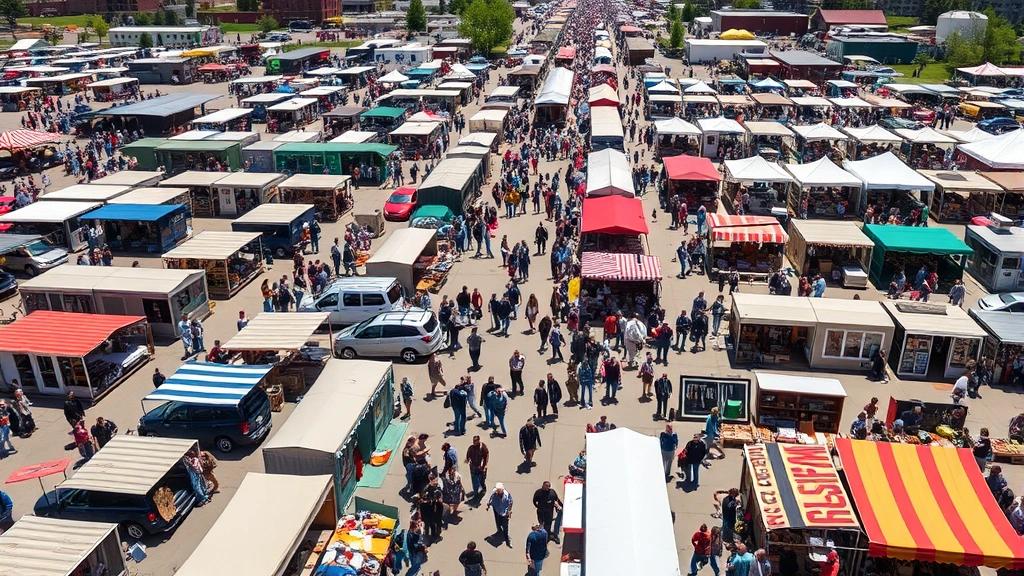
Denver’s flea market scene has evolved into a vibrant ecosystem where bargain hunters, collectors, and small business owners converge to find unique treasures and build profitable ventures. Whether you’re searching for vintage furniture, handmade crafts, or rare collectibles, the Denver flea market landscape offers tremendous opportunities for both buyers and sellers. This comprehensive guide provides actionable local insights to help you navigate Denver’s most popular markets, maximize your shopping experience, and understand the dynamics of this thriving commerce sector.
The Denver metropolitan area hosts numerous flea markets throughout the year, each with distinct characteristics, vendor bases, and customer demographics. From established weekend markets to seasonal pop-up events, understanding the nuances of each venue can significantly impact your success whether you’re hunting for deals or generating revenue as a vendor. Local experts and regular participants have refined strategies that separate casual shoppers from savvy market professionals.
Top Denver Flea Markets and Venues
Denver’s flea market ecosystem includes several established venues that attract thousands of visitors monthly. The South Pearl Street Antique Market operates year-round and features over 100 vendors specializing in antiques, vintage goods, and collectibles. This market has become a destination for serious collectors seeking authenticated pieces with documented provenance. The venue’s organized layout and vendor vetting process ensure higher quality merchandise compared to casual pop-up markets.
The Aurora Antique Market, located just outside Denver proper, hosts one of the region’s largest vendor collections with over 300 booths. This market operates on specific weekends and draws both retail customers and professional resellers. The sheer vendor density creates competitive pricing, making it ideal for bargain hunters willing to invest time in thorough browsing. Industry data from Statista’s secondhand trade market analysis indicates that venue size and vendor diversity directly correlate with customer satisfaction and repeat visit rates.
The Horseshoe Market, operating seasonally, brings together vintage fashion, home décor, and artisanal goods. This market attracts younger demographics and emphasizes curated, Instagram-worthy merchandise. Understanding which markets align with your shopping preferences helps optimize time and transportation costs. Each venue maintains different booth rental rates, commission structures, and customer traffic patterns that affect both shopping and selling strategies.
For those interested in broader retail opportunities, exploring farmers markets near me can provide additional marketplace insights applicable to understanding local consumer behavior patterns. Additionally, vendors should review marketing strategy for small businesses to develop effective promotional approaches for their booth operations.
Best Times to Visit for Optimal Deals
Timing significantly impacts both prices and selection at Denver flea markets. Professional shoppers and resellers typically arrive during early morning hours, specifically the first two hours after market opening. Early arrival provides access to freshly arranged inventory and allows negotiation before peak customer traffic depletes stock. Vendors are often more willing to negotiate prices during slow periods, particularly if they’re trying to reduce load-out weight at day’s end.
Seasonality affects market dynamics considerably. Spring months (April-May) see increased vendor participation as weather improves, resulting in larger selection but also more competition among buyers. Summer months attract casual family shoppers, which can inflate prices as vendors capitalize on higher foot traffic. Fall brings serious collectors seeking specific items before holiday season purchasing begins. Winter markets operate with reduced hours and vendor counts, but this creates opportunities for negotiation as vendors face lower customer volumes.
Day-of-week patterns matter substantially. Weekend markets naturally attract larger crowds, meaning busier conditions but potentially more vendor participation. Weekday markets, where available, offer a more relaxed shopping environment with better negotiation opportunities. Monthly markets typically see higher attendance on their opening weekend compared to subsequent days. Understanding these patterns allows strategic timing based on your priorities—whether you’re seeking selection or negotiation leverage.
Weather conditions directly influence both vendor participation and customer behavior. Denver’s dry climate generally supports consistent market operations, but temperature extremes affect attendance. Extremely hot days (above 90°F) reduce foot traffic, while mild days (60-75°F) maximize crowds. Rainy periods, though uncommon in Denver, significantly reduce both vendor setup and customer attendance. Monitoring weather forecasts helps identify optimal shopping windows when crowds are manageable and vendor selection is robust.
Vendor Selection and Merchandise Quality
Assessing vendor quality requires understanding several key indicators. Established vendors with professional booth displays, organized inventory systems, and detailed product descriptions typically offer higher quality merchandise. Vendors who maintain consistent booth presence across multiple markets demonstrate commitment to quality curation and customer satisfaction. These vendors often specialize in specific categories—vintage furniture, collectible coins, retro clothing—rather than offering random assortment.
Merchandise authentication becomes critical when purchasing valuable items. Legitimate vendors provide documentation, provenance information, and clear condition descriptions. Be cautious of vendors unable or unwilling to discuss item history, construction materials, or manufacturing details. Specialized markets like antique venues tend to have stricter vendor vetting processes, resulting in higher merchandise quality but also higher prices compared to general flea markets.
Price consistency across vendors indicates market maturity and fair valuation. If identical items vary dramatically in price between vendors, investigate the differences—condition variations, authenticity questions, or pricing errors may explain discrepancies. Cross-referencing prices with online comparable sales (eBay, Etsy, Facebook Marketplace) provides benchmarks for determining if vendor pricing is competitive. Understanding digital marketing strategy examples helps you recognize how vendors position their merchandise and pricing online versus in-person.
Vendor reputation networks exist within Denver’s flea market community. Regular shoppers and resellers discuss vendor reliability, pricing fairness, and merchandise authenticity through social media groups and community forums. Joining local Facebook groups dedicated to Denver flea market shopping provides access to these informal reputation systems, helping identify trustworthy vendors and markets worth visiting.
Negotiation Strategies That Work
Successful negotiation at Denver flea markets requires understanding vendor perspectives and market conditions. Vendors typically price items anticipating negotiation, building in margins that accommodate 10-25% discounts depending on merchandise category and vendor experience. Starting negotiations respectfully, acknowledging item quality, and making reasonable counter-offers results in better outcomes than aggressive haggling or insulting offers.
Bulk purchasing creates natural negotiation leverage. Offering to buy multiple items together gives vendors incentive to discount, as transaction volume increases their overall revenue. Vendors often prefer one customer buying five items at slightly reduced prices over five separate transactions with negotiation friction. This strategy proves particularly effective with vendors who maintain extensive inventory and face load-out challenges.
Identifying merchandise flaws or condition issues provides legitimate negotiation grounds. Pointing out minor damage, missing components, or wear patterns justifies price reduction requests. However, approach this tactfully—vendors are aware of their merchandise condition, and respectful discussion works better than aggressive criticism. Professional resellers often negotiate based on restoration costs or market comparables rather than perceived damage.
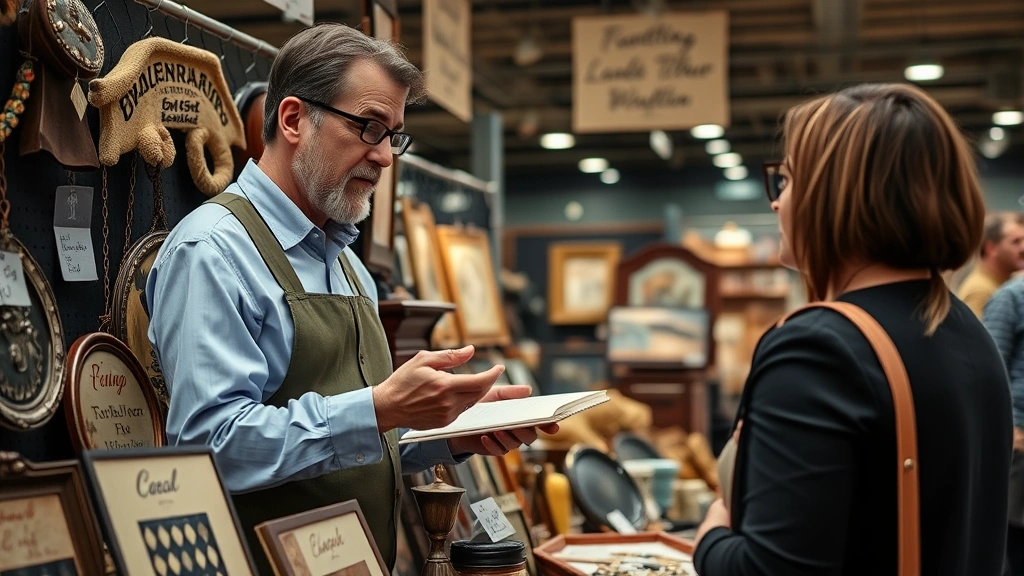
Building relationships with regular vendors creates long-term negotiation advantages. Vendors who recognize repeat customers often offer preferential pricing, first access to new inventory, or advance notice of special acquisitions. Becoming a familiar face at markets you frequent regularly establishes trust that vendors reward with better deals. This relationship-building approach proves especially valuable for serious collectors and professional resellers who develop vendor networks over time.
Understanding payment flexibility matters in negotiations. Some vendors prefer cash transactions to avoid payment processing fees, making cash offers slightly more negotiable than card payments. However, this advantage has diminished as mobile payment systems become standard. Offering immediate payment or purchasing multiple items can sweeten negotiation positions more effectively than payment method discussions.
Setting Up as a Vendor
Becoming a Denver flea market vendor requires understanding booth rental costs, commission structures, and operational requirements. Most markets charge booth rental fees ranging from $25-$150 per market day, with weekly or monthly discounts available for regular vendors. Some venues operate on commission-based models (10-20% of sales) rather than flat fees. Understanding the financial model helps determine profitability thresholds and pricing strategies necessary to generate positive returns.
Booth selection significantly impacts sales performance. Corner booths and high-traffic locations command premium rental rates but typically generate 20-40% higher sales volumes compared to less visible locations. End-cap positions near market entrances or exits provide excellent visibility. Discussing optimal booth placement with market management helps new vendors maximize visibility without overpaying for premium locations initially.
Inventory sourcing requires developing reliable supply chains. Professional vendors purchase inventory from estate sales, auctions, wholesale liquidation channels, and direct acquisitions. Building relationships with estate liquidators, auction houses, and other suppliers ensures consistent merchandise flow. Understanding Market Basket careers and similar retail operations can provide insights into professional inventory management systems applicable to flea market operations.
Booth presentation dramatically affects sales. Organized, visually appealing displays with clear pricing attract customers and facilitate browsing. Investing in display fixtures, lighting, and signage creates professional impressions that justify higher pricing compared to haphazardly arranged merchandise. Vendors who implement visual merchandising principles typically outperform those using basic table displays by 30-50% in sales volume.
Merchant services and payment processing require careful consideration. Accepting cards and mobile payments expands customer base compared to cash-only vendors, though processing fees reduce margins. Most successful vendors operate hybrid systems accepting both cash and digital payments. Establishing reliable point-of-sale systems ensures accurate sales tracking and inventory management.
Insurance and legal compliance protect vendor operations. Understanding local business licensing requirements, sales tax obligations, and liability insurance ensures compliant operations. Consulting with accountants familiar with flea market operations helps structure vendor businesses for tax efficiency while maintaining regulatory compliance. This formalization separates hobby vendors from professional operators generating substantial income.
Understanding Market Economics
Denver’s flea market ecosystem operates within broader secondhand commerce trends. The National Association of Resale Professionals reports that secondhand goods commerce grows annually at rates exceeding traditional retail, with flea markets representing significant transaction volumes. Understanding these macro trends helps vendors position their operations strategically and anticipate demand shifts.
Customer demographics shape market dynamics considerably. Denver’s younger, educated population with environmental consciousness increasingly values secondhand purchases. This demographic typically seeks vintage furniture, sustainable fashion, and unique home décor—categories that command premium pricing. Understanding target customer profiles helps vendors curate inventory matching local preferences and willingness-to-pay levels.
Competition among vendors creates efficiency that benefits consumers. Markets with higher vendor density generate lower prices through supply abundance, but also attract larger customer volumes. This dynamic benefits serious shoppers while challenging vendors to differentiate through specialization, curation, or unique sourcing. Professional resellers often prefer markets with less intense competition, where pricing power remains stronger.
Seasonal demand patterns affect profitability substantially. Holiday seasons (October-December) see increased demand for vintage décor and gift items, supporting premium pricing. Spring cleaning season (March-May) generates inventory abundance as consumers liquidate household items. Summer months bring casual shoppers with lower purchase commitment. Understanding these patterns helps vendors time inventory acquisitions and manage pricing strategically throughout the year.
E-commerce integration increasingly influences flea market dynamics. Vendors who photograph inventory and list items online before markets arrive generate pre-sales, reducing on-site inventory carrying costs. This omnichannel approach, similar to strategies discussed in Market Rise Hub Blog resources, allows vendors to reach broader audiences than in-person markets alone. Successful vendors increasingly operate hybrid models combining physical markets with online sales channels.
Economic indicators affect secondhand market participation. During economic downturns, both shopping and selling increase as consumers seek value. During economic expansions, some customer segments shift toward new purchases, though environmentally-conscious segments maintain secondhand shopping patterns. Understanding these macroeconomic dynamics helps vendors adjust expectations and strategies based on broader economic conditions.
FAQ
What should I bring to Denver flea markets for effective shopping?
Bring cash in small denominations (ones, fives, tens) to facilitate negotiation and accommodate vendors with limited change. Wear comfortable shoes—serious shopping involves extensive walking. Bring bags or containers for purchases, though most markets provide bags. Consider bringing a small measuring tape for furniture purchases, a magnifying glass for examining details, and a smartphone for price comparison research. Arrive early with a prepared shopping list and budget limits to stay focused amid overwhelming merchandise selection.
How do I verify if merchandise is authentic at flea markets?
Research items before purchasing using online resources, price guides, and manufacturer information. Ask vendors detailed questions about provenance, manufacturing dates, and materials. Check for maker’s marks, serial numbers, and construction quality. For valuable items, consider professional authentication services before completing purchases. Building relationships with knowledgeable vendors who specialize in specific categories provides access to expert guidance. Cross-reference prices across multiple vendors and online marketplaces to identify pricing anomalies suggesting authentication issues.
What are realistic profit margins for flea market vendors?
Gross profit margins typically range from 40-70% depending on merchandise category, sourcing costs, and vendor expertise. However, net profit after booth rental, transportation, and operational costs generally falls between 20-40%. Professional vendors generating $500-$1,000 weekly revenue report net profits of $150-$400 after expenses. Profitability depends significantly on inventory sourcing efficiency, booth location optimization, and sales skill. New vendors should expect lower margins initially while building vendor reputation and customer relationships.
Which Denver flea markets attract the most serious collectors?
The South Pearl Street Antique Market and Aurora Antique Market attract serious collectors due to vendor vetting, merchandise quality standards, and established reputations. These venues command higher booth rental costs but deliver customer traffic matching vendor expectations. Specialized markets focusing on specific categories (vintage fashion, coins, memorabilia) attract passionate collectors willing to pay premium prices for quality items. Joining collector communities and market-specific social media groups helps identify venues aligned with specific collecting interests.
How can I transition from casual shopping to professional reselling?
Start by developing sourcing networks through relationships with estate liquidators, auction houses, and direct sellers. Establish systematic inventory tracking using spreadsheets or specialized software. Develop expertise in specific merchandise categories rather than offering random assortments. Test market viability by selling online (eBay, Etsy, Facebook Marketplace) before committing to regular booth rental. Build capital reserves covering 3-6 months of booth rental and inventory investment before depending on flea market income. Consider taking business courses addressing retail operations, tax compliance, and financial management to professionalize your operation.
What merchandise categories perform best in Denver markets?
Vintage furniture, mid-century modern décor, and sustainable fashion consistently perform well given Denver’s demographic preferences. Collectible items (coins, memorabilia, vintage toys) attract passionate buyers willing to pay premium prices. Home décor items appeal to broad customer bases with relatively quick turnover. Handmade and artisanal goods command premium pricing in markets attracting younger, design-conscious customers. Researching successful vendor booth compositions and merchandise displays at established Denver markets provides insights into category performance and pricing power by segment.


