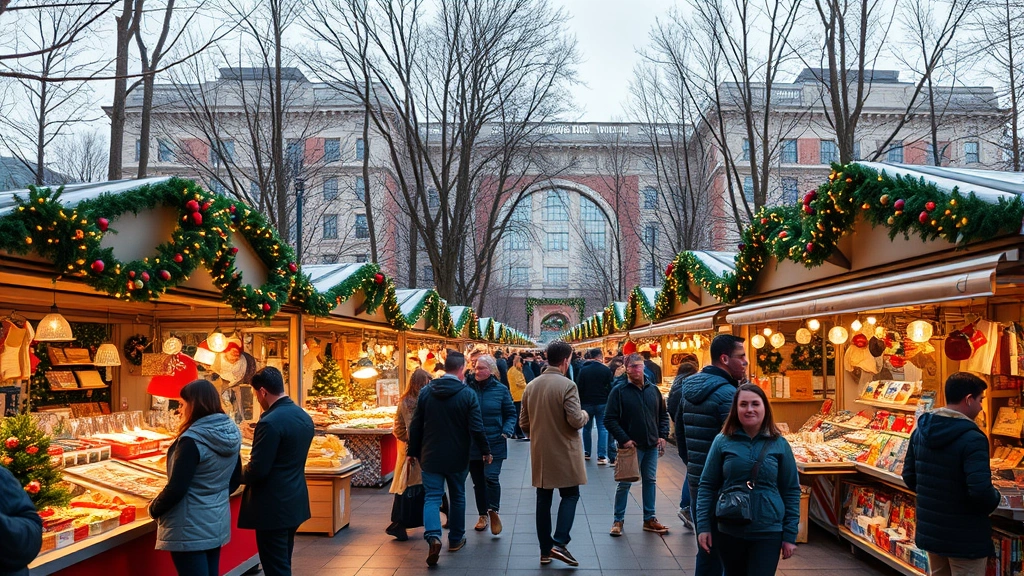
Explore DC Holiday Market: Local Insights for Seasonal Commerce Success
Washington, D.C.’s holiday market landscape represents one of the most dynamic seasonal retail environments in the United States. From November through December, the nation’s capital transforms into a bustling hub of festive commerce, attracting millions of visitors seeking unique gifts, artisanal goods, and authentic holiday experiences. For ecommerce entrepreneurs and retail strategists, understanding the DC holiday market provides valuable insights into consumer behavior, seasonal trends, and effective holiday marketing strategies that can be applied to broader business contexts.
The DC holiday market ecosystem extends far beyond traditional shopping malls. It encompasses outdoor markets, pop-up shops, holiday festivals, and experiential retail spaces that cater to diverse consumer preferences. Local vendors, national brands, and international merchants converge to create a competitive yet collaborative retail environment. This comprehensive guide explores the key dynamics of DC’s holiday market, offering actionable insights for businesses looking to capitalize on seasonal opportunities and understand consumer purchasing patterns during peak holiday periods.
Understanding DC’s Holiday Market Landscape
The Washington, D.C. holiday market represents a significant economic engine during the fourth quarter, generating substantial revenue for local businesses and contributing meaningfully to the regional economy. According to National Retail Federation data, holiday shopping seasons consistently account for 20-25% of annual retail revenue, with major metropolitan areas like D.C. experiencing even higher concentrations of seasonal activity.
DC’s unique position as the nation’s capital creates distinctive market characteristics. The city attracts domestic and international tourists throughout the year, but holiday periods see exponential increases in visitor volume. This influx of consumers—combining local residents, regional visitors, and international tourists—creates a tri-layered market dynamic that influences product selection, pricing strategies, and vendor positioning. Local businesses must understand these distinct consumer segments to optimize their holiday offerings and marketing approaches.
The demographic composition of DC’s holiday market shoppers differs significantly from other regions. The area’s higher median income, educated workforce, and cosmopolitan population tend to favor premium products, artisanal goods, and experiential shopping. This preference influences inventory decisions, pricing architecture, and the types of vendors who succeed in DC’s holiday markets. Understanding these demographic nuances is essential for implementing effective marketing strategy for startups and established retailers alike.
Key Holiday Markets and Venues
DC’s holiday market ecosystem comprises several major venues and recurring events that define the seasonal retail landscape. Union Market, located in the Northeast quadrant, transforms into a major holiday destination with expanded vendor spaces, specialized gift merchants, and experiential food and beverage offerings. The market’s year-round operational foundation provides infrastructure advantages that many seasonal markets lack, enabling sophisticated vendor coordination and customer experience management.
The Downtown Holiday Market, positioned in Gallery Place near the Capital One Arena, represents another anchor venue. This location benefits from exceptional foot traffic, proximity to major office buildings and retail districts, and integration with the broader downtown revitalization efforts. The market features international artisans, local craftspeople, and established retailers, creating a curated shopping experience that appeals to diverse consumer preferences and price points.
Eastern Market’s holiday programming extends the institution’s year-round community market concept into the festive season. The historic venue hosts specialized holiday markets, vendor collaborations, and experiential events that emphasize local production and community connection. This positioning resonates with consumers seeking authentic, locally-sourced holiday gifts and creating meaningful shopping experiences beyond transactional commerce.
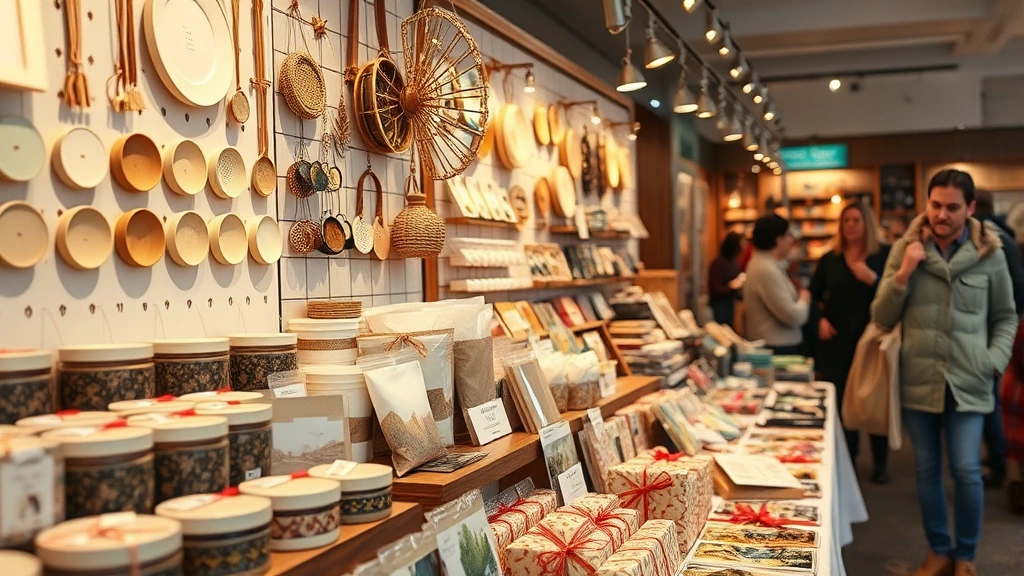
Seasonal pop-up markets emerge throughout the city, from Dupont Circle to Georgetown, each with distinct vendor profiles and target demographics. These temporary venues provide lower-cost entry points for emerging vendors while offering consumers alternative shopping environments. Understanding the location-specific characteristics of each market helps retailers and vendors position their offerings strategically and allocate marketing resources effectively.
” alt=”Busy holiday market scene with vendors and shoppers browsing goods at outdoor stalls”>
Consumer Behavior and Purchasing Patterns
Holiday shopping behavior in DC exhibits distinct patterns shaped by local demographics, cultural preferences, and seasonal timing. Research from McKinsey Consumer Insights indicates that DC-area consumers prioritize quality over quantity, with significant spending on premium gifts, artisanal products, and experiential purchases. This preference reflects the region’s higher educational attainment and disposable income levels.
Shopping timing demonstrates notable variation across consumer segments. Early holiday shoppers—typically representing 30-35% of the market—begin purchasing in October and early November, seeking to avoid peak-season crowding and ensure product availability. Mid-season shoppers (November 15-December 15) comprise the largest segment, with purchasing driven by promotional activities and gift-giving deadlines. Last-minute shoppers (December 16-24) represent a smaller but significant segment, often purchasing higher-margin gift cards and premium items due to limited inventory selection.
Payment preferences have shifted dramatically in recent years. Cash transactions have declined to less than 15% of holiday market purchases, while digital payment methods dominate. Mobile wallets, credit cards, and contactless payments account for the overwhelming majority of transactions. This shift has implications for vendor technology infrastructure, security protocols, and customer experience design. Vendors operating in DC’s holiday markets must prioritize seamless digital payment integration to meet consumer expectations and reduce friction in the purchasing process.
Gift-giving preferences in DC reflect the region’s professional orientation and cultural diversity. Electronics, luxury goods, wellness products, and experiential gifts (concert tickets, spa services, travel experiences) rank among top-purchased categories. Artisanal food items, locally-made crafts, and sustainable products have experienced significant growth, particularly among younger consumers and those prioritizing environmental consciousness. Understanding these preference distributions enables vendors to optimize inventory allocation and develop targeted digital marketing trends that resonate with specific consumer segments.
Vendor Opportunities and Local Business Impact
DC’s holiday markets create significant opportunities for small businesses, artisanal producers, and emerging entrepreneurs. Vendor participation typically generates 40-60% of annual revenue for many small retailers, making holiday market success critical to annual profitability. The temporary nature of holiday markets allows new vendors to test products, build customer bases, and validate business concepts with lower risk than establishing permanent retail locations.
Vendor diversity contributes substantially to DC’s holiday market appeal. International artisans, many operating under visa programs or temporary work arrangements, bring authentic products and cultural perspectives that differentiate DC markets from suburban alternatives. Local craftspeople, food producers, and artists find seasonal market opportunities align with their production capabilities and financial objectives. This vendor ecosystem creates a competitive yet collaborative environment where differentiation, quality, and customer service determine success.
The economic impact of DC’s holiday markets extends beyond direct vendor revenue. Increased foot traffic benefits adjacent businesses, restaurants, and service providers. Parking facilities, transportation services, and hospitality venues experience surge demand during peak holiday shopping periods. This economic multiplier effect makes holiday market success important not just for direct participants but for the broader DC business community.
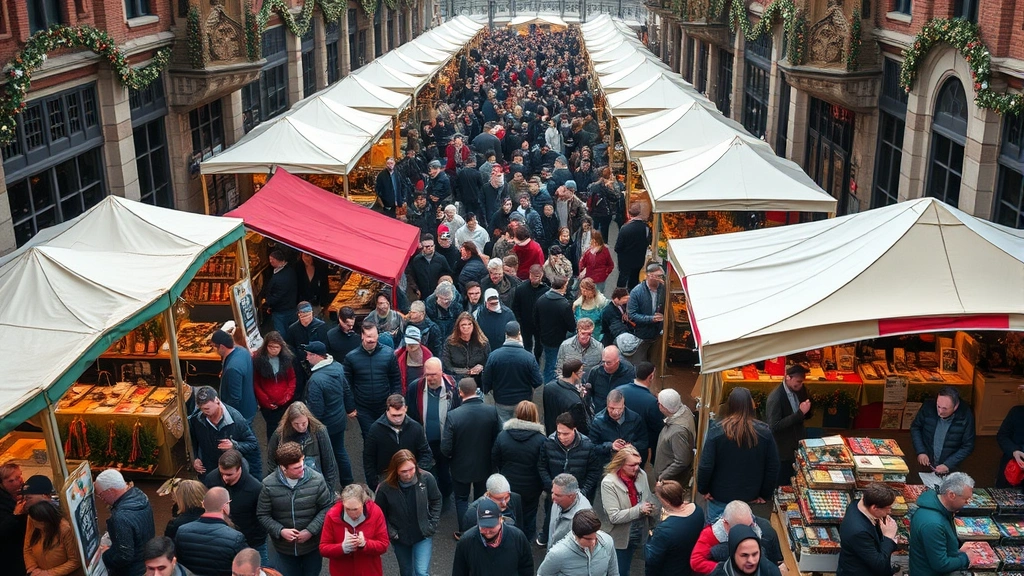
However, vendor success requires strategic planning and execution. Successful holiday market vendors typically invest in professional booth design, implement effective marketing plan creation strategies, and develop inventory management systems that balance supply availability with capital efficiency. Competition for premium booth locations intensifies during holiday periods, requiring vendors to book spaces months in advance and invest in securing optimal positioning.
Digital Integration and Omnichannel Strategies
Modern DC holiday markets increasingly integrate digital technologies to enhance customer experience and operational efficiency. QR codes, mobile apps, and digital payment systems have become standard infrastructure, enabling seamless shopping experiences that bridge physical and digital retail environments. Vendors utilizing digital integration technologies report higher transaction values, improved customer data collection, and enhanced repeat purchase rates.
Omnichannel strategies have become essential for holiday market success. Consumers increasingly expect the ability to browse products online, purchase at physical markets, and arrange shipping or delivery. Vendors maintaining synchronized inventory across physical and digital channels provide superior customer experiences and maximize sales opportunities. This integration requires investment in inventory management software, customer relationship management systems, and logistics coordination—areas where smaller vendors often lack expertise or resources.
Social media integration amplifies holiday market visibility and drives foot traffic. Instagram and TikTok have become particularly influential for younger consumers, with holiday market vendors leveraging visual content, behind-the-scenes storytelling, and user-generated content to build brand awareness and drive purchasing decisions. Vendors who invest in professional photography, consistent social media posting, and influencer partnerships report significantly higher booth traffic and sales conversion rates.
Email marketing remains underutilized by many holiday market vendors despite demonstrating strong return on investment. Building email lists during holiday market interactions, then nurturing those relationships with post-holiday promotions and year-round content, extends customer value beyond the seasonal period. This approach aligns with best marketing tools for small businesses that prioritize customer lifetime value over individual transaction optimization.
Marketing Strategies for Holiday Success
Effective holiday market marketing requires multi-channel approaches that reach target audiences across diverse touchpoints. Traditional marketing methods—print advertising in local publications, radio spots, and direct mail—remain relevant for reaching older demographics and building broad market awareness. However, digital marketing channels deliver superior targeting precision and measurable return on investment for most vendors.
Content marketing strategies emphasizing gift guides, holiday how-to content, and vendor storytelling drive organic traffic and establish vendor authority. Creating content that answers specific consumer questions—”where to find unique gifts in DC,” “best holiday markets near me,” “artisanal gift ideas”—captures search intent and positions vendors favorably in search engine results. This approach aligns with broader understanding why marketing is important for business success.
Paid advertising through Google Shopping, Instagram, and Facebook enables precise audience targeting based on demographics, interests, and purchase history. Holiday market vendors should allocate advertising budgets to campaigns running 4-8 weeks before peak shopping periods, with increased investment during peak shopping windows (Thanksgiving week, Black Friday/Cyber Monday, mid-December). Dynamic retargeting campaigns that follow users across websites and platforms have proven particularly effective for holiday market promotion.
Partnership marketing amplifies reach and reduces individual marketing costs. Collaborations with complementary vendors, local media outlets, tourism organizations, and business associations extend visibility to broader audiences. Co-marketing initiatives—such as joint social media campaigns, bundled offerings, or cross-promotional events—create value for participating vendors while enhancing customer experience through curated shopping options.
” alt=”Professional product display in holiday market booth with organized merchandise and attractive lighting”>
Logistics and Operational Challenges
Holiday market success depends critically on operational execution and logistics management. Booth setup, inventory management, staffing, and customer service coordination present complex challenges that intensify during peak shopping periods. Vendors managing multiple market locations simultaneously must develop sophisticated logistics systems to maintain inventory visibility, ensure consistent product availability, and coordinate staff deployment across venues.
Inventory management presents particular challenges during holiday periods. Demand forecasting must balance optimistic sales projections against the risk of excess inventory that cannot be liquidated at acceptable margins. Successful vendors typically employ data-driven forecasting methods, drawing on historical sales data, market research, and consumer trend analysis to inform inventory decisions. Conservative vendors may stock 20-30% below optimistic forecasts, accepting foregone sales to minimize excess inventory risk.
Weather considerations significantly impact DC holiday market operations. December weather variability—ranging from mild 50-degree days to freezing conditions with precipitation—requires contingency planning for booth protection, customer comfort, and operational continuity. Vendors investing in professional weather protection infrastructure report higher sales and customer satisfaction during adverse conditions.
Staffing challenges intensify during holiday periods when experienced retail personnel are scarce and wage pressure increases. Vendors must recruit, train, and manage temporary staff while maintaining service quality standards and brand consistency. Implementing clear operational procedures, customer service standards, and point-of-sale system training ensures that temporary staff can deliver experiences aligned with vendor expectations.
Regulatory compliance and permit requirements present additional operational considerations. DC’s Department of Licensing and Consumer Protection enforces vendor regulations, health and safety standards, and permit requirements that vary by market location and vendor type. Understanding and complying with these requirements prevents operational disruptions and potential penalties. Successful vendors typically engage with market organizers and regulatory agencies early in the planning process to clarify requirements and ensure full compliance.
FAQ
When do DC holiday markets typically open?
Most DC holiday markets open in late October or early November, with peak activity from mid-November through December 23. Some markets begin operations as early as October 1, while others focus exclusively on November and December periods. Specific opening dates vary by venue and are typically announced 8-12 weeks in advance.
What types of products sell best in DC holiday markets?
Artisanal goods, local crafts, premium gifts, specialty food items, and experiential products (gift cards, event tickets) perform exceptionally well. Electronics, luxury items, and sustainable/eco-friendly products also demonstrate strong demand. Unique, locally-sourced items outperform mass-produced goods that consumers can easily purchase at traditional retailers.
How much can vendors expect to earn during holiday market season?
Vendor earnings vary dramatically based on product type, booth location, marketing investment, and execution quality. Successful vendors report holiday season revenues ranging from $5,000 to $50,000+ depending on these factors. High-margin artisanal products and premium gift items typically generate better returns than lower-margin commodity goods.
How do I secure a vendor booth in DC holiday markets?
Application processes typically open 3-6 months before market dates. Vendors should identify target markets, review application requirements, and submit applications with product samples, business information, and booth setup details. Competition for premium locations intensifies significantly, so early application submission improves booth location options.
What technology infrastructure do vendors need?
Point-of-sale systems, mobile payment processing, internet connectivity, and inventory management software have become essential. Mobile card readers, wireless payment terminals, and backup power supplies ensure operational continuity. Many successful vendors invest in customer relationship management systems to capture email addresses and build post-holiday marketing lists.
How can vendors build customer loyalty beyond the holiday season?
Email list building, social media engagement, and loyalty program development extend customer relationships beyond seasonal periods. Offering post-holiday promotions, maintaining consistent content creation, and providing exceptional customer service encourage repeat purchases and year-round engagement. Many holiday market vendors successfully transition customers to online shopping platforms or social media communities.


