Best DC Christmas Markets: Local’s Favorites Guide
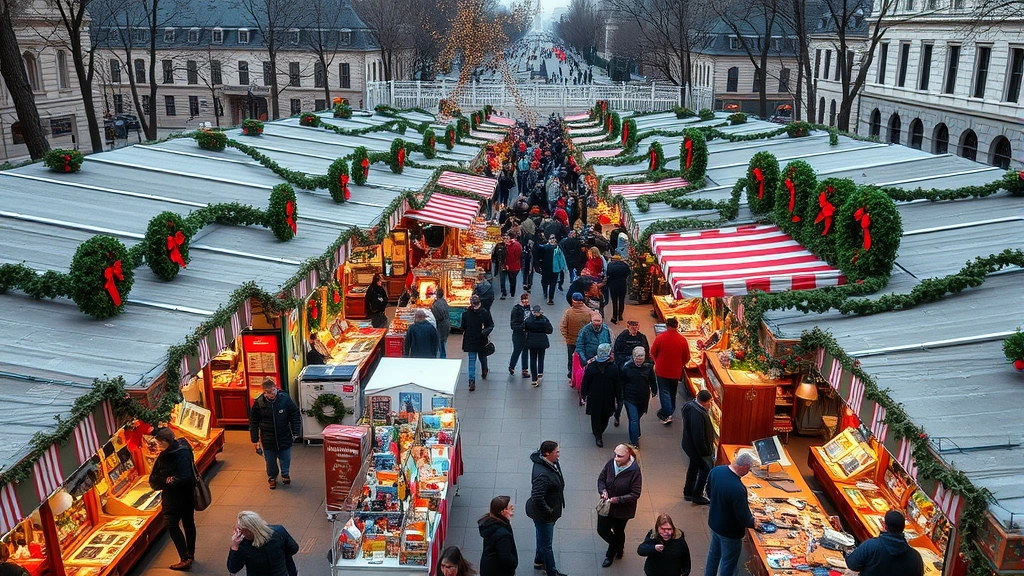
Washington, D.C. transforms into a winter wonderland each holiday season, with Christmas markets becoming the heartbeat of seasonal commerce and community celebration. From the iconic Union Station holiday market to neighborhood gems tucked throughout the District, these festive shopping destinations blend traditional holiday spirit with modern retail innovation. Whether you’re seeking handcrafted gifts, seasonal décor, or simply soaking in the festive atmosphere, DC’s Christmas markets offer something for every budget and taste.
The holiday market phenomenon has evolved significantly over the past decade. What started as traditional vendor fairs has transformed into experiential retail destinations where shoppers engage with artisans, sample local products, and create lasting memories. For both consumers and small business owners, understanding these market dynamics is crucial. If you’re considering launching your own seasonal retail strategy, our guide on marketing strategy for small businesses provides essential frameworks for holiday success.
This comprehensive guide explores DC’s premier Christmas markets, revealing insider tips, vendor insights, and strategic shopping advice that local favorites have perfected over years of holiday seasons.

Union Station Holiday Market
Union Station’s holiday market stands as Washington’s most iconic seasonal shopping destination, attracting over 1 million visitors annually. This sprawling marketplace transforms the station’s magnificent halls into a curated retail experience featuring more than 100 vendors. The market operates from late November through December, creating an unmissable holiday tradition for DC residents and tourists alike.
The vendor selection at Union Station reflects carefully curated retail strategy. You’ll find everything from handmade jewelry and artisan candles to imported European goods and gourmet food items. Many vendors travel from across the East Coast, bringing unique products unavailable in typical retail environments. Local favorites consistently recommend arriving early in the season—mid-November through early December—when vendor selection is complete and crowds remain manageable.
The economic impact of Union Station’s holiday market extends beyond direct sales. According to research from the Grand Central Partnership, holiday markets generate significant foot traffic that benefits surrounding businesses. Union Station’s market creates spillover shopping in the surrounding neighborhood, with visitors exploring nearby retail establishments and restaurants.
Photography enthusiasts and social media users find Union Station’s holiday market irresistible. The station’s architectural beauty combined with festive decorations creates Instagram-worthy moments that drive organic marketing. Vendors who understand digital marketing trends for 2025 leverage social media visibility to build customer bases extending far beyond the physical market.
Enchant Christmas at National Harbor
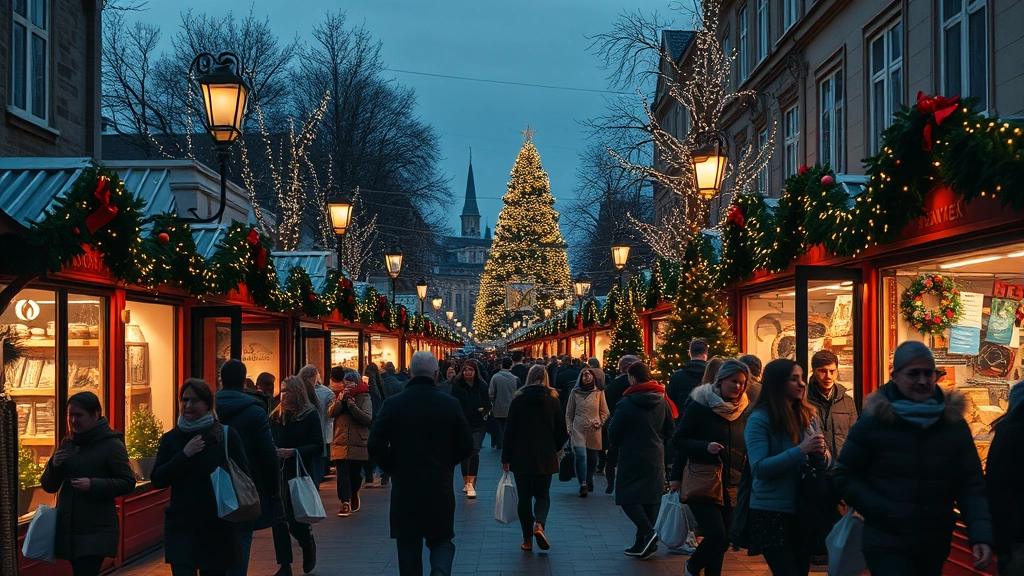
Enchant Christmas represents the most immersive holiday experience in the greater DC area, transforming National Harbor into a massive outdoor winter village. This drive-through and walk-through experience combines retail shopping with entertainment, featuring millions of twinkling lights, ice skating, holiday food, and interactive installations.
Unlike traditional markets, Enchant operates on a ticketed entry model, creating a curated experience environment. The retail component includes vendor stalls offering holiday decorations, gifts, and seasonal merchandise. The experience-focused approach has proven remarkably successful—Enchant expanded significantly based on previous seasons’ demand, now operating at multiple locations nationwide.
The business model behind Enchant reveals important retail trends. By combining entertainment, dining, and shopping, Enchant captures extended customer spending. Visitors typically allocate 2-4 hours to the experience, increasing per-person expenditure compared to traditional markets. This integrated retail approach demonstrates how creating a comprehensive marketing plan that combines multiple revenue streams maximizes seasonal success.
For local vendors, Enchant offers premium booth opportunities with guaranteed high traffic. However, booth costs exceed traditional markets, requiring careful financial analysis. Successful vendors report that the extended customer dwell time justifies premium pricing, as visitors spend more when entertainment and dining keep them on-site longer.
Georgetown Holiday Market
Georgetown’s holiday market captures the neighborhood’s upscale retail character while maintaining community accessibility. Located in the heart of Georgetown’s shopping district, this market features curated vendors aligned with the neighborhood’s luxury positioning. The market operates weekends throughout November and December, creating a neighborhood gathering space.
What distinguishes Georgetown’s market is vendor quality curation. The neighborhood’s high rents and upscale demographics drive vendor selection toward premium, artisan-focused products. You’ll find luxury candles, designer jewelry, high-end home décor, and specialty food items. This positioning allows Georgetown vendors to maintain higher price points and profit margins compared to neighborhood markets serving broader demographics.
The Georgetown market benefits from excellent foot traffic from the neighborhood’s permanent retail establishments. Visitors shopping at flagship stores naturally discover the holiday market, creating natural cross-shopping behavior. This proximity to established retail aligns with best marketing tools for small businesses that leverage existing customer flows.
Accessibility is a key advantage of Georgetown’s market. Unlike some suburban markets requiring dedicated trips, Georgetown’s location on the Metro Blue/Red line makes it convenient for DC residents throughout the region. The walkable neighborhood layout encourages extended shopping sessions, as visitors combine market shopping with restaurant dining and browsing nearby boutiques.
Eastern Market Holiday Vendors
Eastern Market’s year-round community focus extends into the holiday season with dedicated vendor sections and special holiday programming. This Capitol Hill institution maintains its farmers market character while integrating holiday merchants, creating an authentic neighborhood experience that longtime DC residents cherish.
Eastern Market’s holiday vendors emphasize local and handmade products. You’ll find DC-based artisans, local food producers, and neighborhood entrepreneurs who use the market as their primary retail channel. This emphasis on local commerce creates community loyalty and supports small businesses in meaningful ways. The market’s cooperative structure and vendor-friendly policies make it attractive for emerging businesses testing seasonal retail.
The weekday and weekend split at Eastern Market creates interesting strategic opportunities. Weekend markets draw broader audiences, while weekday markets serve neighborhood residents and local businesses. Savvy shoppers who understand this schedule strategically time visits to match their shopping goals. Weekday shopping offers shorter lines and more vendor attention, while weekend shopping provides larger selection and extended hours.
Eastern Market demonstrates how marketing automation for small business applies even to traditional markets. The market’s email lists, social media presence, and community partnerships create integrated marketing that drives consistent attendance throughout the season.
Gaithersburg Winterfest
Gaithersburg Winterfest brings holiday market excitement to the northern suburbs, offering convenient access for Montgomery County residents and northern Virginia visitors. This multi-day festival combines shopping, entertainment, ice skating, and holiday activities in a family-focused environment.
The vendor mix at Gaithersburg Winterfest reflects suburban demographics and family orientation. You’ll find more children’s products, family activities, and entertainment-focused vendors compared to urban markets. Local businesses use Winterfest as a major holiday marketing opportunity, with many suburban retailers maintaining booths alongside independent vendors.
Gaithersburg’s location advantage extends its market reach significantly. Unlike downtown DC markets requiring urban navigation, Winterfest offers ample parking and family-friendly amenities. This accessibility drives higher attendance from families with young children, elderly visitors, and those preferring suburban shopping environments. The demographic diversity creates opportunities for vendors across multiple product categories.
The festival’s integration with Gaithersburg’s downtown development strategy demonstrates how municipal governments support seasonal commerce. Public investment in infrastructure, marketing, and programming creates environment where private vendors thrive. This public-private partnership model has proven effective for seasonal retail success across multiple markets.
Shopping Strategy and Vendor Insights
Successful holiday shopping at DC Christmas markets requires strategic planning. Professional shoppers recommend developing a priority vendor list before visiting, identifying must-see merchants and product categories. This approach maximizes shopping efficiency, particularly during peak visiting hours when crowds overwhelm popular markets.
Timing strategy significantly impacts shopping experience. Early-season shopping (late November through early December) offers complete vendor selection and manageable crowds. Mid-season shopping (December 10-15) experiences peak crowds but offers established vendor relationships and repeat shopping opportunities. Late-season shopping (December 20-24) features limited vendors but offers clearance pricing and desperate buyers creating negotiating opportunities.
Understanding vendor economics reveals important shopping insights. Market booth costs range from $500-$5,000 depending on location and market type. Vendors must achieve specific sales targets to justify booth investment. This economics-driven reality explains why vendor selection, pricing, and product focus align strategically with target demographics.
Payment method preferences vary significantly across vendors. While credit cards dominate in urban markets like Union Station, cash remains important at community markets like Eastern Market. Successful shoppers carry both payment methods, understanding that small artisan vendors may offer cash discounts reflecting payment processing costs.
Product authenticity represents a crucial shopping consideration. DC Christmas markets attract counterfeit merchandise, particularly in jewelry and designer goods categories. Experienced shoppers request vendor credentials, ask about product sourcing, and verify artisan claims. Reputable market operators implement vendor verification processes, though individual diligence remains important.
Local Favorite Tips and Timing
DC locals who frequent Christmas markets annually have perfected timing strategies that maximize experience quality. The most consistent recommendation involves Wednesday or Thursday evening visits during mid-December. These timing choices avoid weekend crowds while maintaining complete vendor presence, creating optimal shopping conditions.
Temperature management affects market experience significantly. DC’s unpredictable December weather can shift rapidly from pleasant to frigid. Experienced market visitors check weather forecasts and dress in layers, enabling comfortable extended shopping sessions regardless of conditions. Markets with indoor components like Union Station offer weather-protected shopping, while outdoor markets require weather-appropriate planning.
Visiting with a shopping buddy enhances experience quality. Market shopping involves extended walking, decision-making, and product evaluation. Companions provide second opinions, help carry purchases, and create social enjoyment that extends shopping duration. Retailers recognize this social shopping behavior, with many vendors offering group discounts or special offers for multi-person purchases.
Loyalty program enrollment at major markets provides meaningful benefits. Union Station and Enchant offer loyalty programs with early access to special events, exclusive discounts, and advance vendor information. Annual loyalty program costs ($20-50) typically pay for themselves through accumulated savings and special event access.
Vendor relationship building creates long-term shopping advantages. Returning to the same vendors throughout the season builds rapport, potentially unlocking special pricing, reserved inventory, or first access to new products. Vendors appreciate repeat customers, particularly those making substantial purchases or referring friends.
Budget allocation represents critical planning consideration. Successful holiday shoppers establish spending limits before market visits, preventing impulsive overbuying. Experienced visitors recommend allocating 30% of budgets to planned purchases, 50% to semi-planned categories with flexibility, and 20% to impulse items discovered during shopping.
Transportation strategy affects overall market experience. Using public transportation eliminates parking stress and enables shopping relaxation without driving concerns. The Metro provides direct access to most major DC markets, with extended holiday hours accommodating late-evening shopping. Ride-sharing services offer alternatives when carrying substantial purchases makes transit less appealing.
For business owners considering holiday market participation: Understanding customer behavior at these markets informs retail strategy development. The Market Rise Hub Blog provides extensive resources on seasonal retail optimization, vendor selection, and holiday marketing approaches that drive measurable results.
FAQ
When do DC Christmas markets open and close?
Most DC Christmas markets operate from late November through December 24th. Union Station typically opens the day after Thanksgiving and operates through December 23rd. Enchant Christmas follows similar timing but operates select dates. Specific dates vary annually, so checking official websites before planning visits is essential.
Are DC Christmas markets free to visit?
Most DC Christmas markets offer free admission, including Union Station, Georgetown, and Eastern Market. Enchant Christmas operates on a ticketed model, typically $30-50 per person depending on date and time. The ticketed model funds entertainment, lighting, and ice skating amenities that justify admission costs.
What payment methods do DC Christmas market vendors accept?
Payment method acceptance varies significantly across vendors. Major markets like Union Station predominantly accept credit cards, with most vendors offering contactless payment options. Smaller community markets and individual artisans may prefer cash or offer discounts for cash purchases. Carrying both payment methods ensures shopping flexibility.
What products typically sell best at DC Christmas markets?
Handmade jewelry, artisan candles, specialty foods, holiday decorations, and locally-made gifts dominate sales. Price points range from $15-20 for small items to $100+ for premium jewelry and home décor. Personal gift items outsell home décor during early season, while decoration-focused shopping peaks in mid-December.
How can I find specific vendors at DC Christmas markets?
Most major markets publish vendor directories on their websites 1-2 weeks before opening. Union Station and Enchant provide detailed vendor lists with booth locations. Calling market organizers directly provides information about specific vendor participation, though some vendors confirm attendance only days before opening.
Are there any DC Christmas markets specializing in specific product categories?
Georgetown’s market emphasizes luxury goods and premium products. Eastern Market focuses on local and handmade items. Union Station offers broad product diversity. Enchant Christmas combines shopping with entertainment. Identifying market positioning helps shoppers select venues matching their product preferences.
What’s the best strategy for avoiding Christmas market crowds?
Visiting mid-week during early December offers optimal crowd management. Wednesday through Thursday evenings typically experience 50-60% lower traffic than weekends. Arriving after 6 PM on weekdays provides particularly pleasant shopping conditions with manageable crowds and extended vendor hours.
Do DC Christmas markets offer food and beverage options?
Most DC Christmas markets include food vendors and beverage options. Union Station features extensive dining options. Enchant Christmas includes full food court amenities. Georgetown and Eastern Market benefit from nearby restaurants and cafes. Food availability extends shopping duration and enhances overall market experience.
Can I reserve parking at DC Christmas markets?
Union Station and Georgetown offer public parking in nearby garages, though reserved parking isn’t available. Parking rates range from $15-25 for full-day parking. Public transportation provides excellent alternatives, particularly during peak shopping periods when parking availability decreases and costs increase.
How do DC Christmas markets support small businesses?
Markets provide essential retail channels for artisans and small vendors who lack physical storefronts. Vendor fees typically cost $500-2,000 depending on booth size and location. For many small businesses, market participation generates 10-20% of annual revenue, making seasonal market opportunities financially critical.