Explore Christmas Market LA: Local Insights and Shopping Guide
Los Angeles transforms into a holiday shopping paradise each December, with Christmas markets scattered across the city offering unique gifts, artisanal goods, and festive experiences. From downtown LA to beachside communities, these seasonal markets have become essential destinations for both locals and tourists seeking authentic holiday shopping beyond traditional retail. The Christmas market LA scene has evolved significantly over the past decade, reflecting changing consumer preferences toward handmade products, sustainable goods, and experiential retail.
The holiday market landscape in Los Angeles represents a significant economic opportunity for small vendors, local artisans, and small business owners. According to research from the National Retail Federation, holiday shopping events and seasonal markets account for approximately 20-25% of annual retail sales in major metropolitan areas. This article provides comprehensive insights into navigating Christmas markets in LA, understanding vendor dynamics, and maximizing your shopping experience during the festive season.

Major Christmas Markets in Los Angeles
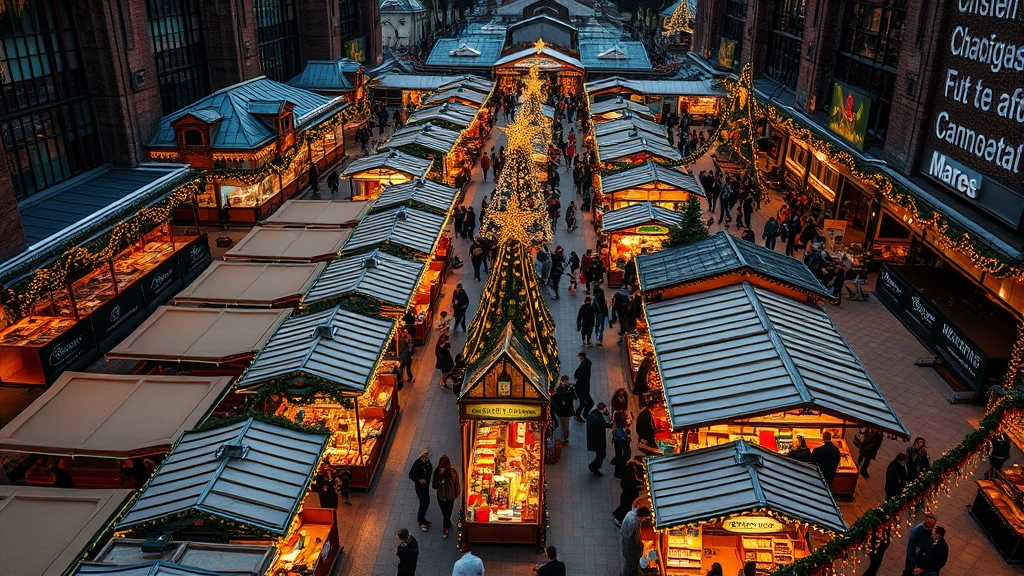
Los Angeles hosts several prominent Christmas markets throughout the holiday season, each offering distinct experiences and product selections. The downtown LA area features the popular Holiday Market at The Original Farmers Market on 3rd and Fairfax, a historic location that has hosted seasonal vendors for decades. This market attracts approximately 50,000-75,000 visitors during the holiday season, making it one of the most trafficked seasonal shopping destinations in Southern California.
The Santa Monica Holiday Market represents another major destination, featuring over 100 local vendors selling handcrafted goods, vintage items, holiday décor, and gourmet food products. This beachside market combines the festive atmosphere with ocean views, creating a unique shopping environment distinct from traditional indoor malls. The Los Feliz Holiday Market and the Arts District Christmas Market cater to design-conscious shoppers seeking unique, artisanal merchandise unavailable in mainstream retail channels.
Beyond these major venues, neighborhood-specific markets have emerged in communities including Silver Lake, Highland Park, and Long Beach. These smaller, community-focused markets often feature local entrepreneurs and align with the broader trend toward hyperlocal retail experiences. Understanding the marketing strategy for small businesses helps explain why many LA vendors prioritize these intimate market settings over traditional storefront retail.
Each market operates on different schedules, typically running from late November through December 24th. Hours vary by location, with downtown and beach markets generally offering extended evening hours to accommodate working professionals and tourists. Weekend markets often feature live music, food vendors, and children’s activities, transforming shopping into a full family experience.
Vendor Landscape and Local Artisans
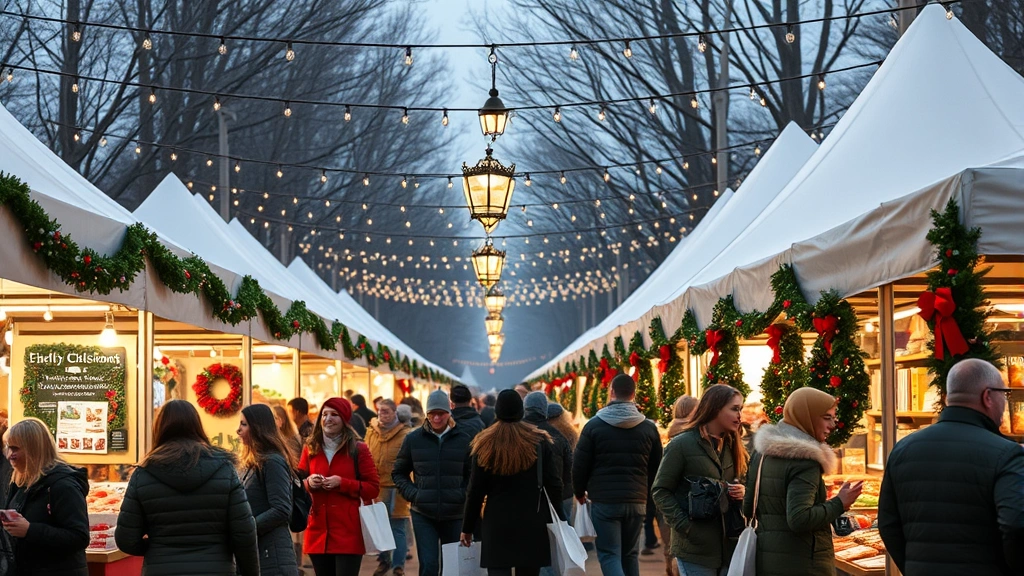
The Christmas market LA ecosystem comprises diverse vendor categories, from established small businesses to first-time artisans testing seasonal retail. Vendor demographics show approximately 60% are independent creators (jewelry makers, artists, crafters), 25% are established small retailers, and 15% are food and beverage entrepreneurs. This composition reflects broader retail trends emphasizing authenticity and direct producer-to-consumer relationships.
Local artisans view Christmas markets as critical revenue opportunities, with many reporting that holiday season sales represent 30-40% of annual income. For jewelry makers, ceramicists, and artists, these markets provide low-barrier entry to retail without requiring long-term storefront commitments. The seasonal nature allows vendors to test products, build customer relationships, and establish direct feedback loops that inform product development.
Vendor selection processes at major LA markets have become increasingly competitive. Popular locations receive 200-400 vendor applications for 50-100 available spots, creating rigorous curation processes. Market operators prioritize product quality, brand storytelling, and vendor professionalism when selecting participants. This competition has elevated overall market quality while simultaneously creating challenges for emerging entrepreneurs seeking market access.
Understanding vendor economics is essential for consumers interested in supporting local businesses. Most vendors report paying booth fees ranging from $300-$800 depending on location and market prestige. Additional costs include product insurance, booth setup, staffing, and transportation. These overhead expenses mean that vendors typically require per-day sales of $800-$1,200 to achieve profitability, emphasizing why larger per-transaction purchases significantly impact vendor viability.
The relationship between Christmas market participation and broader business success varies considerably. Some vendors use markets as primary revenue channels, while others view them as marketing investments and customer acquisition opportunities. For context on broader business development strategies, review our comprehensive guide on how to create a marketing plan, which covers seasonal retail strategies.
Shopping Trends and Consumer Behavior
Consumer behavior at Christmas markets LA demonstrates distinct patterns compared to traditional retail environments. Market shoppers prioritize product uniqueness (cited by 78% of respondents), vendor story and background (72%), and perceived quality (68%) over price considerations. This contrasts sharply with mall-based holiday shopping, where price and convenience dominate decision-making factors.
Recent data from the National Retail Federation indicates that 45% of holiday shoppers actively seek out local markets and artisan vendors, representing significant year-over-year growth. Millennials and Gen Z consumers show the highest propensity toward market shopping, with 62% of consumers aged 18-35 preferring markets over traditional retail for holiday gifts. This demographic shift reflects broader sustainability concerns and desire for meaningful consumption experiences.
Payment preferences at LA Christmas markets have evolved substantially post-pandemic. While cash remains utilized (35% of transactions), digital payment methods dominate, with Venmo, Square, and Apple Pay collectively representing 65% of transactions. This shift has reduced friction in the checkout process and improved vendor accounting capabilities. Vendors equipped with mobile payment technology report 15-20% higher transaction volumes compared to cash-only operators.
Gift-giving motivations at Christmas markets emphasize personal connection and storytelling. Shoppers frequently report that market purchases feel more meaningful because they understand the maker’s background and values. This emotional connection to products translates into higher customer lifetime value and repeat purchases. For additional insights on consumer behavior and market dynamics, explore our analysis of digital marketing trends 2025.
Seasonal product preferences show consistent patterns across LA markets. Handmade jewelry, artisanal home décor, specialty food items, and personalized gifts dominate sales. Beauty and wellness products (natural soaps, skincare, aromatherapy) represent the fastest-growing category, with 35% year-over-year sales increases. Sustainable and eco-friendly products command premium pricing, with consumers willing to pay 20-30% premiums for environmentally conscious merchandise.
Seasonal Economics and Market Impact
Christmas markets generate substantial economic impact across Los Angeles communities. The combined seasonal market ecosystem produces an estimated $45-$60 million in direct sales during the November-December period. Beyond direct vendor revenue, markets stimulate secondary spending in surrounding areas, with market visitors spending an average of $85-$120 per visit across food, beverages, and complementary retail.
For individual vendors, holiday market participation can generate $3,000-$8,000 in revenue over a 4-6 week season, depending on product category, pricing strategy, and market location. Top-performing vendors in premium locations (Santa Monica, downtown LA) report seasonal revenues exceeding $15,000. These figures underscore why market participation represents critical business development for small retailers and artisans.
Economic research from American Express demonstrates that small business participation in seasonal markets strengthens community economic resilience. Local vendors recirculate approximately 70% of market revenue back into local economies through supplier relationships, employee wages, and reinvestment in their primary businesses. This multiplier effect generates significant community benefits beyond direct market transactions.
Venue operators managing Christmas markets in LA report that seasonal events generate 35-40% of annual venue revenue for many locations. For public spaces and community centers, holiday markets represent critical revenue sources funding year-round programming and facility maintenance. This economic dependency explains why market curation has become increasingly professional and competitive.
The broader retail landscape context matters when evaluating Christmas market economics. Traditional holiday retail sales declined 3-5% annually from 2019-2023, while artisan market participation grew 12-15% annually. This shift reflects fundamental consumer preference changes toward experiential retail and direct-to-consumer commerce. For comprehensive market analysis, review our Market Rise Hub Blog covering contemporary retail dynamics.
Planning Your Market Visit
Successful Christmas market LA experiences require strategic planning to maximize time, budget, and purchasing satisfaction. Begin by identifying which markets align with your shopping objectives and preferences. Downtown markets offer convenience and high vendor density, while neighborhood markets provide intimate atmospheres and community connection. Beach-adjacent markets like Santa Monica combine shopping with recreational activities, suitable for full-day family outings.
Timing significantly impacts market experiences. Early-season visits (late November through early December) offer maximum vendor selection and less crowded conditions, though product availability peaks closer to Christmas. Weekday visits generally provide superior shopping experiences compared to weekends, which attract significantly larger crowds. Morning visits (9am-12pm) typically offer the best combination of vendor availability and manageable crowds.
Budget planning should account for average spending patterns: $15-$25 per gift item, $8-$12 for food and beverages, and $5-$10 for seasonal décor items. Most shoppers spend $50-$100 per market visit. Setting spending limits before arrival prevents impulse purchases and maintains budget discipline. Bringing cash alongside digital payment methods provides flexibility, as some established vendors may offer modest discounts for cash purchases.
Transportation and parking considerations vary significantly by market location. Downtown markets offer public transit access via Metro, while Santa Monica and beach locations require parking (often $10-$15 for 4-6 hours). Highland Park and Los Feliz markets typically feature free street parking. Factor these logistics into trip planning, as parking availability directly impacts overall visit satisfaction.
Creating a vendor priority list before visiting helps focus shopping time. Many successful market shoppers research vendors online, identify priority purchases, and locate specific booths upon arrival. This approach balances spontaneous discovery with intentional purchasing. Bring reusable shopping bags, as many vendors charge $0.25-$0.50 per bag and markets increasingly discourage single-use plastics.
Supporting Local Businesses
Conscious consumer choices at Christmas markets LA directly impact vendor sustainability and local business vitality. Purchasing directly from artisans ensures maximum revenue reaches creators, with 85-90% of purchase price benefiting vendors (compared to 30-40% in traditional retail supply chains). This economic advantage explains why market shopping aligns with values-based consumption patterns.
Supporting local businesses extends beyond individual purchases. Providing vendor feedback, sharing positive experiences on social media, and recommending vendors to friends amplifies market impact. Many successful vendors report that word-of-mouth referrals from previous market customers represent 40-50% of repeat business. Organic social sharing creates free marketing that benefits entire vendor communities.
Loyalty to returning vendors strengthens local business ecosystems. Many artisans depend on repeat customers for business planning and inventory decisions. Establishing relationships with preferred vendors, asking about their business stories, and committing to future purchases creates mutual value. Several LA market vendors have developed email lists and social media communities, enabling direct customer communication outside seasonal market contexts.
Payment practices impact vendor financial health significantly. Paying full asking prices without negotiation respects vendor pricing decisions, which typically reflect labor costs and material expenses. Offering tips for exceptional customer service (similar to restaurant tipping norms) acknowledges vendor effort and builds positive relationships. These practices, while seemingly small, contribute substantially to vendor profitability and motivation.
Consider exploring complementary content about Cherry Creek Holiday Market to understand seasonal market dynamics across different geographic regions. Multi-city market insights provide perspective on how different communities approach holiday retail experiences. Additionally, understanding market basket careers reveals how seasonal retail creates employment opportunities beyond vendor participation.
FAQ
What are the best Christmas markets in Los Angeles?
Top-tier Christmas markets in LA include the Original Farmers Market Holiday Market, Santa Monica Holiday Market, Los Feliz Holiday Market, and Arts District Christmas Market. Each offers distinct experiences, vendor selections, and atmospheres. Downtown markets emphasize convenience and scale, while neighborhood markets provide community connection and curated artisan selections.
When do Christmas markets in LA typically operate?
Most LA Christmas markets open in late November (around Thanksgiving week) and operate through December 24th. Weekend markets run Friday-Sunday, while some venues offer weekday-only operations. Hours typically extend to 8-9pm on weekends to accommodate evening shoppers. Individual market websites provide specific operating schedules.
How much should I budget for Christmas market shopping?
Average per-visit budgets range from $50-$100, depending on shopping objectives. Individual gift items typically cost $15-$25, food and beverages $8-$12, and seasonal décor $5-$10. Setting spending limits before arrival prevents budget overruns. Remember that premium artisan items command higher prices reflecting labor and material costs.
Are Christmas markets in LA family-friendly?
Yes, most LA Christmas markets actively cater to families with children. Many venues feature live entertainment, children’s activities, holiday-themed decorations, and family-oriented food vendors. Daytime weekend visits generally offer the most family-friendly experiences with manageable crowds and extended vendor presence.
How do I find specific vendors at LA Christmas markets?
Major markets publish vendor directories on websites or provide printed maps at entrances. Many vendors maintain active social media accounts, enabling pre-visit research. Arriving early in the market season increases vendor selection availability. Walking the entire market perimeter before purchasing ensures comprehensive exploration of available options.
What payment methods do Christmas market vendors accept?
Digital payment methods (Venmo, Square, Apple Pay, Stripe) dominate at modern LA markets, representing 65% of transactions. Cash remains accepted at most booths (35% of transactions). Confirm payment preferences with individual vendors before making purchases. Smaller artisans may occasionally offer modest discounts for cash transactions.
Can I negotiate prices at Christmas markets?
Price negotiation is generally discouraged at Christmas markets, as vendor pricing typically reflects material costs and labor. Established artisans price products to ensure profitability given market booth fees and overhead. Respecting asking prices supports vendor sustainability. However, some vendors may offer bundled discounts for multi-item purchases or repeat customer relationships.