DC Christmas Markets: Your Complete Local Guide to Holiday Shopping & Events
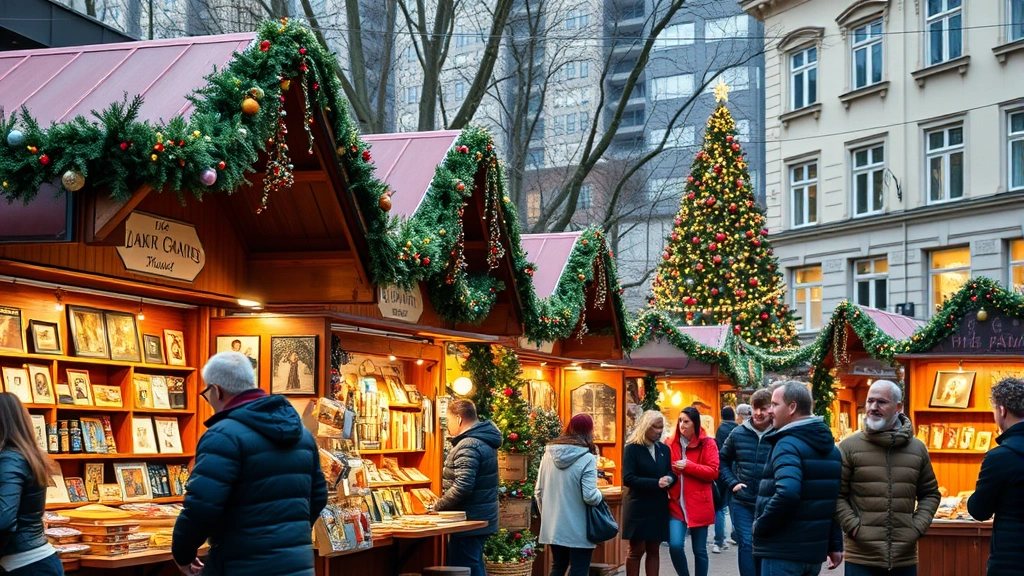
Washington, DC transforms into a winter wonderland each holiday season, with Christmas markets sprouting across the city’s most iconic neighborhoods. From Union Station’s festive marketplace to charming pop-up vendors in historic Georgetown, these seasonal shopping destinations offer everything from handcrafted gifts to gourmet food and holiday decorations. Whether you’re a local searching for unique presents or a visitor eager to experience DC’s holiday spirit, understanding where to find the best Christmas market DC locations will maximize your seasonal shopping experience.
The city’s holiday markets represent far more than simple retail spaces—they’re cultural hubs where small businesses, artisans, and local entrepreneurs showcase their products during the year’s most profitable shopping season. According to the National Retail Federation, holiday shopping accounts for approximately 20-30% of annual retail sales, making Christmas markets critical revenue drivers for local vendors. DC’s markets capitalize on this consumer spending surge while maintaining the authentic, community-focused atmosphere that distinguishes them from traditional shopping malls.
Top Christmas Markets in Washington DC
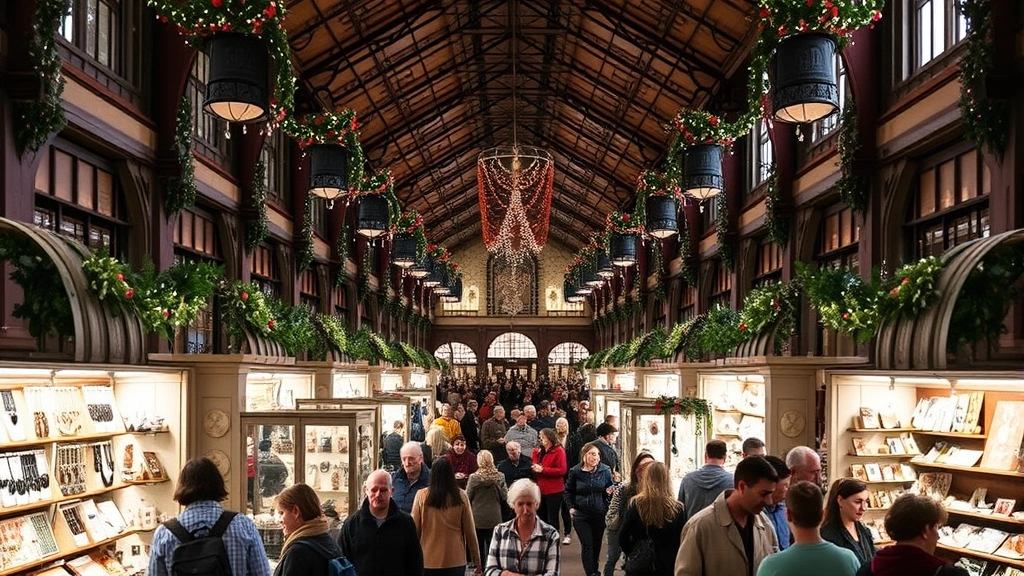
DC hosts numerous Christmas markets throughout the holiday season, each offering distinct shopping experiences and vendor selections. The city’s market landscape includes both long-established holiday destinations and emerging pop-up venues that appear seasonally. Understanding the differences between these markets helps shoppers and vendors navigate opportunities strategically.
The primary Christmas market DC venues concentrate in high-traffic areas including Union Station, the National Gallery of Art, and various neighborhood districts. These locations benefit from substantial foot traffic, established infrastructure, and proximity to public transportation. Seasonal markets typically operate from late October through December, with peak shopping periods occurring during Thanksgiving week and the two weeks preceding Christmas Day.
Market characteristics vary significantly based on location, sponsorship, and vendor mix. Some markets emphasize artisanal crafts and handmade goods, while others feature international products, holiday decorations, and specialty foods. Successful markets balance vendor diversity with cohesive branding that attracts specific consumer demographics. According to ShopperTrak retail analytics, foot traffic to seasonal markets increases 15-25% when venues offer complementary vendor categories and experiential elements like live entertainment.
Union Station Holiday Market
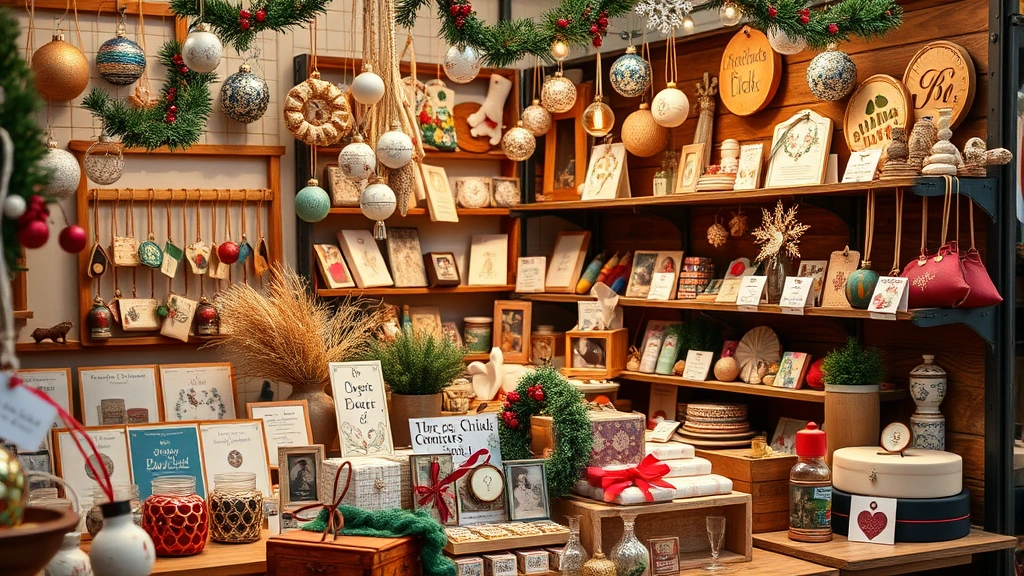
Union Station represents DC’s premier Christmas market destination, attracting hundreds of thousands of visitors annually. This iconic transportation hub transforms into a festive shopping paradise, with vendor stalls occupying multiple levels and corridors throughout the historic building. The market’s strategic location ensures accessibility via Metro, bus, and vehicle, making it the most convenient shopping destination for DC-area residents and tourists.
The Union Station Holiday Market typically features 80-120 vendors selling merchandise ranging from jewelry and accessories to home décor, clothing, and artisanal food products. Vendor selection emphasizes locally-owned small businesses and emerging entrepreneurs, creating opportunities for new market entrants. Market organizers curate vendor mixes to prevent category overlap while ensuring consumer choice within popular product segments.
Shopping patterns at Union Station reflect broader holiday consumer behavior. Data from Forrester Research indicates that 65% of holiday shoppers visit multiple retail venues, with markets offering unique products unavailable through traditional channels driving incremental shopping trips. Union Station’s integrated location—combining market shopping with dining, transit, and retail options—increases average visitor dwell time and spending.
Vendor success at Union Station depends on strategic product positioning and effective merchandising. High-traffic locations command premium booth fees, ranging from $500-2,000 for seasonal leases. Successful vendors employ eye-catching displays, competitive pricing aligned with markets near me benchmarks, and customer engagement strategies including product demonstrations and sampling programs.
Georgetown & Downtown Markets
Beyond Union Station, Washington DC’s neighborhood Christmas markets provide specialized shopping experiences in charming, walkable environments. Georgetown’s holiday markets capitalize on the neighborhood’s established retail presence, historic architecture, and strong foot traffic. These markets typically operate along M Street and surrounding blocks, creating extended shopping districts that benefit both market vendors and permanent retail locations.
Downtown DC markets, particularly those near the Gallery Place and Metro Center areas, attract office workers, students, and tourists. These venues often feature extended hours accommodating commuter schedules and emphasize convenience-oriented shopping. Successful downtown markets offer grab-and-go food options, gift cards, and smaller items suited to lunch-break shopping.
The National Gallery of Art occasionally hosts specialized holiday markets featuring artisan crafts, museum merchandise, and cultural products. These curated markets attract consumers seeking higher-end, culturally-significant items and appeal to tourists prioritizing cultural experiences during DC visits. Vendor participation typically requires jurying processes ensuring product quality and artistic merit alignment with institutional values.
Pop-up markets represent emerging Christmas market DC opportunities, with temporary venues appearing in vacant retail spaces, parking lots, and outdoor plazas. These flexible market formats reduce vendor barriers to entry and allow rapid market experimentation. Pop-up success depends on effective marketing through social media, local partnerships, and community engagement. Understanding digital marketing trends 2025 helps pop-up organizers reach target audiences efficiently.
Shopping Tips & Best Practices
Maximizing Christmas market shopping experiences requires strategic planning and informed decision-making. Smart shoppers arrive early in the season when vendor selection is optimal and popular items remain in stock. Visiting markets on weekday mornings reduces crowds and allows unhurried browsing, particularly important for shoppers seeking rare or specialized products.
Successful market shopping involves establishing budgets and prioritizing purchases. The average holiday shopper allocates $600-1,200 for gift purchases, according to the National Retail Federation. Market shopping encourages spontaneous purchases and impulse buying; setting spending limits prevents budget overruns while allowing flexibility for unexpected finds.
Payment method selection impacts shopping efficiency at Christmas markets. While most vendors accept digital payments, carrying cash facilitates transactions at smaller vendors and artisans who may lack payment processing infrastructure. Bringing reusable shopping bags reduces checkout friction and demonstrates environmental consciousness appreciated by eco-conscious vendors and fellow shoppers.
Understanding vendor dynamics enhances shopping experiences and supports small business growth. Many market vendors operate seasonal businesses generating 40-60% of annual revenue during the November-December period. Making purchases directly from vendors rather than requesting future online sales supports immediate business cash flow and sustainability. Asking about vendors’ marketing strategy for small businesses often reveals additional shopping channels including social media accounts and email lists.
Gift selection strategies benefit from market exploration and vendor consultation. Experienced market shoppers visit multiple vendors before purchasing, comparing quality, pricing, and uniqueness. Many vendors offer custom orders, personalization services, and gift wrapping, creating premium shopping experiences justifying price premiums over mass-market alternatives.
Vendor Opportunities & Local Business Growth
Christmas markets represent significant business opportunities for entrepreneurs, artisans, and small retailers. Market participation requires relatively modest startup investment compared to permanent retail locations, making markets accessible to emerging businesses and side-hustle entrepreneurs. Seasonal market revenues can exceed $10,000-50,000 depending on product category, vendor experience, and market location.
Successful market vendors employ sophisticated business practices including inventory management, pricing strategy, and customer relationship development. Understanding why marketing is important for business helps vendors maximize visibility and sales within competitive market environments. Vendors who develop email lists and social media followings during seasonal markets maintain customer relationships year-round, generating off-season sales and loyalty.
Booth selection and positioning dramatically impact vendor success. Premium locations near market entrances, food vendors, and high-traffic corridors command higher foot traffic but cost significantly more. Strategic vendors negotiate location preferences and may accept premium fees for high-visibility positions, particularly when selling impulse-purchase items or premium products with high per-unit margins.
Market participation develops essential retail skills and customer insights. Vendors gain firsthand understanding of consumer preferences, pricing sensitivity, and product demand through direct customer interaction. This market intelligence informs inventory purchasing, product development, and marketing strategies for subsequent seasons. Many successful DC retailers launched businesses through Christmas market participation before establishing permanent locations.
Networking opportunities at Christmas markets create business partnerships and collaborations. Vendors frequently refer customers to complementary businesses, share supplier contacts, and collaborate on joint marketing initiatives. These relationships often extend beyond seasonal markets, creating year-round business development opportunities and community connections strengthening the local entrepreneurial ecosystem.
Holiday Season Timeline & Planning
Successful Christmas market navigation requires understanding seasonal timelines and planning accordingly. Most DC Christmas markets open in late October or early November, with peak shopping periods occurring during Thanksgiving week and December 1-15. Understanding these patterns helps shoppers and vendors optimize timing and strategy.
Early season shopping (October-November 10) offers advantages including optimal vendor selection, less crowded conditions, and extended shopping timeframes. Vendors report stronger conversion rates during early season as shoppers aren’t yet fatigued from holiday shopping. Early shopping also allows time for custom orders, gift wrapping, and shipping arrangements.
Mid-season (November 15-December 10) represents peak shopping periods with maximum foot traffic and festive atmosphere. Crowds peak on weekends and weekday evenings, particularly around Thanksgiving and during the final two weeks before Christmas. Visitors during this period expect crowded conditions, limited parking, and extended checkout times.
Late season (December 15-24) features depleted inventory as popular items sell out, though bargain hunters often find discounted merchandise. Many vendors reduce hours as shopping intensity declines post-December 15. Planning major purchases before this period prevents disappointment and ensures optimal selection.
Checking the Market Rise Hub Blog for seasonal shopping guides and local event calendars helps plan DC Christmas market visits efficiently. Many markets publish vendor lists and special events online, allowing shoppers to research before visiting. Following market social media accounts provides real-time updates on special promotions, new vendors, and extended hours.
FAQ
When do DC Christmas markets typically open?
Most Washington DC Christmas markets open in late October or early November, with peak operations from mid-November through December 20. Union Station’s market typically operates through December 24, while smaller pop-up venues may have shorter seasonal windows. Checking specific market websites confirms exact opening dates and hours.
What payment methods do Christmas market vendors accept?
Payment method acceptance varies by vendor. Large markets like Union Station have widespread digital payment infrastructure, but individual vendors may prefer cash. Bringing both cash and digital payment options ensures smooth transactions across all vendor types.
Are there parking options near major DC Christmas markets?
Union Station offers limited on-site parking with premium rates during peak seasons. Nearby parking garages provide additional capacity at competitive rates. Using public transportation via Metro often proves more convenient and cost-effective than driving and parking, particularly during crowded holiday shopping periods.
Do Christmas market vendors offer shipping or delivery services?
Many market vendors ship purchases or arrange local delivery, particularly for larger items. Asking about shipping options before purchasing prevents disappointment, especially for bulky merchandise or international shipping needs. Vendors who offer shipping often apply surcharges covering packaging and carrier costs.
How can small businesses apply to participate in DC Christmas markets?
Market participation requirements vary by venue. Union Station and major markets typically publish vendor application deadlines in August-September for the upcoming season. Vendors submit applications including product categories, business information, and booth preferences. Acceptance depends on vendor diversity, product quality, and market fit alignment with event themes.
What types of products sell best at DC Christmas markets?
Handmade crafts, jewelry, home décor, specialty foods, and unique gift items consistently perform well. Experiential products like personalization services, gift wrapping, and custom orders add value and justify premium pricing. Seasonal items including holiday decorations, winter accessories, and festive foods also demonstrate strong seasonal demand.