
Table of Contents
Introduction
Let’s be honest—running marketing campaigns can feel like juggling flaming torches while riding a unicycle. You’re sending emails, nurturing leads, tracking analytics, and somehow trying to personalize everything for each customer. Sound familiar? That’s where marketing automation software steps in to save the day (and your sanity). Instead of drowning in repetitive tasks, you can focus on what really matters: building genuine connections with your audience and growing your business.
Think of marketing automation as your personal marketing assistant that never sleeps. It handles email campaigns, nurtures leads, segments customers, and generates detailed reports—all while you’re focusing on strategy and creativity. For small businesses especially, marketing automation for small business is like having a secret weapon. You get to compete with the big players without needing an army of marketers or a massive budget. The best part? It keeps your communication consistent, which is absolutely crucial for building lasting relationships with customers.
But here’s where it gets really interesting. The benefits go way beyond just saving time (though we all love that). As you’ll discover in marketing automation benefits, these platforms help you send the right message to the right person at exactly the right moment. Pretty powerful stuff, right? Advanced features like lead scoring and customer behavior analytics give you insights you never knew you needed. When you combine this with smart marketing communication strategies, you’ve got yourself a recipe for sustainable growth that actually works.
Now, let’s talk about the bigger picture. Marketing automation isn’t just a nice-to-have tool anymore—it’s driving real digital transformation in how businesses operate. The shift toward modern marketing approaches outlined in marketing digital transformation shows us that automation is the bridge between old-school marketing and what customers expect today. These tools play nicely with your CRM, social media platforms, and e-commerce systems, creating a unified ecosystem where everything actually talks to each other. (Finally!) This means your marketing, sales, and customer service teams can work from the same playbook.
What You’ll Learn in This Guide
This guide will walk you through everything you need to know about marketing automation software—without the jargon or overwhelming technical stuff. Whether you’re completely new to automation or looking to upgrade what you’re currently using, you’ll find practical insights that actually make sense.
- Understanding the Essentials: We start by explaining what marketing automation software is, including its core functionalities and why it is a must-have for modern marketers.
- Key Features to Consider: You’ll discover the critical features such as email automation, lead nurturing, segmentation, integrations, and usability aspects that influence your choice.
- Evaluating Benefits: This section details how automation improves efficiency, enhances customer engagement, and sharpens analytics for smarter marketing campaigns.
- Practical Selection Tips: We provide guidance on assessing your business needs, comparing top software options, and matching budgets to features to find the best fit.
Choosing the right marketing automation software can feel overwhelming—trust me, there are tons of options out there. But don’t worry. This guide will make that decision much easier by giving you clear, actionable information tailored to different business sizes and industries. For instance, understanding software for marketing automation will help you grasp the technical side and implementation details that can make or break your success. And if you’re in real estate, the specialized strategies in marketing for realtors show exactly how automation can transform your lead management and close more deals.
Here’s something crucial: understanding your marketing channels is key to getting the most out of automation. The insights in marketing channel strategy and marketing attribution software will help you allocate your resources smartly and actually measure what’s working (and what isn’t). Plus, incorporating proven techniques from email marketing best practices will boost your open rates and build stronger customer loyalty. When you combine all these elements, you create campaigns that don’t just look good on paper—they deliver real results.
Don’t forget about the tools that work alongside your automation platform. Pairing your automation software with the best CRM software for small business creates a powerful one-two punch. Your lead data and marketing outreach work together seamlessly, giving you complete customer profiles and smooth handoffs between marketing and sales. And leveraging the best marketing tools for small businesses means you can expand your capabilities without breaking the bank. It’s all about making automation scalable and accessible for businesses of any size.
By the time you finish this guide, you’ll understand not just why marketing automation software is essential, but exactly how to choose the best solution for your specific business needs. Ready to dive in? Let’s explore how automation can transform your marketing from a daily struggle into a growth-driving machine that builds lasting customer relationships.
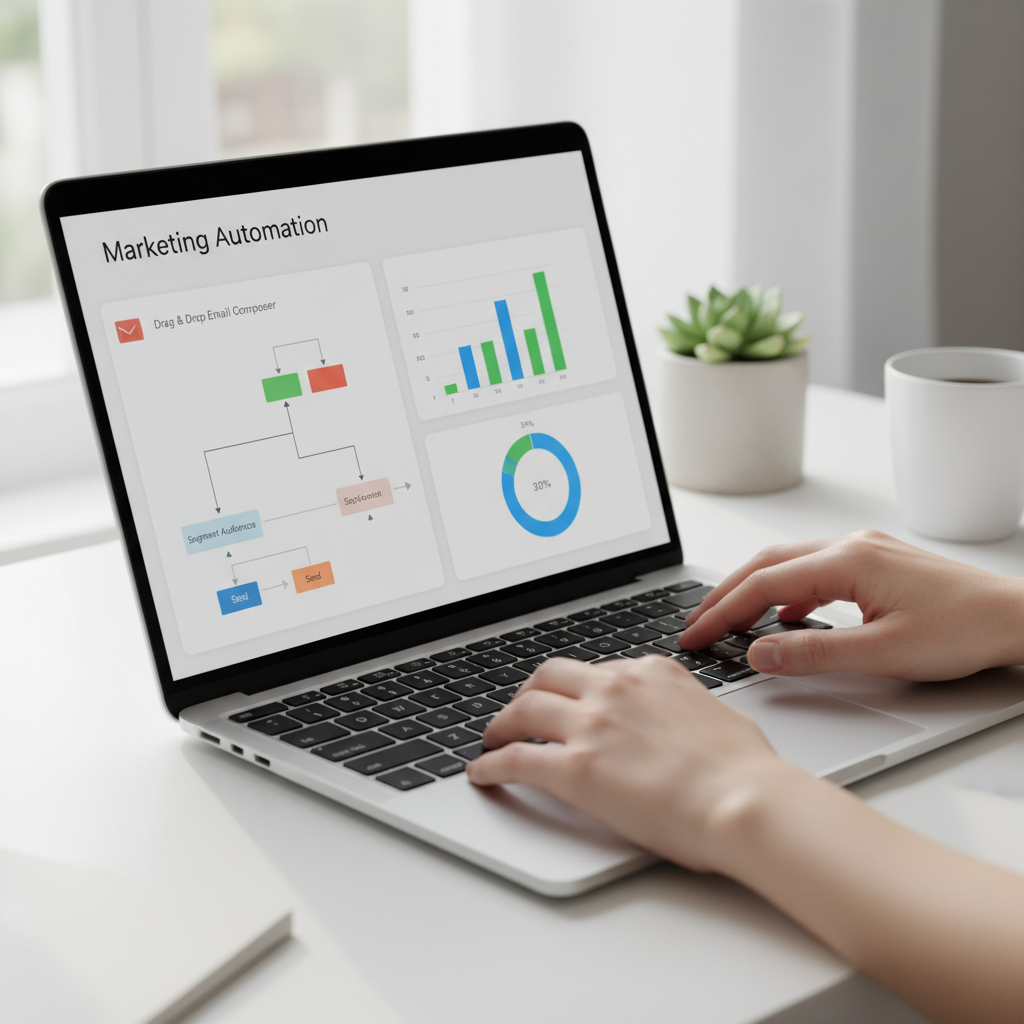
Let’s keep rolling from where we left off and really get into what makes marketing automation software tick. Here’s the thing—marketing automation isn’t just about making your life easier (though it definitely does that). It’s about transforming how businesses connect with customers, make smarter decisions, and actually grow without burning out their teams. As technology keeps racing forward, picking the right software becomes less of a nice-to-have and more of a make-or-break decision. We’re going to walk through what really matters in marketing automation and why it could be the game-changer your business needs.
Key Features to Look For in Marketing Automation Software
So what should you actually look for when you’re shopping around? The right marketing automation software needs some serious muscle under the hood. We’re talking email marketing automation, lead nurturing and scoring, customer segmentation, and workflow creation. These aren’t just fancy buzzwords—they’re the core features that turn your marketing from a scattered mess into a well-oiled machine. Want to see how this plays out for smaller businesses? Check out our guide on marketing automation for small business, where we break down strategies that actually work for companies without massive budgets.
But here’s what most people overlook: integration capabilities. Your new software needs to play nice with everything you’re already using—your CRM, social media platforms, analytics tools, the whole ecosystem. When everything talks to each other seamlessly, that’s when the magic happens. You get richer data, faster sales cycles, and insights that actually make sense. And let’s be real about usability too. If your team can’t figure out how to use it (or the support team disappears when you need help), even the fanciest features won’t save you. For more context on how automation fits into your bigger marketing picture, take a look at our resources on marketing channel strategy and marketing automation benefits.
Key Aspects of Marketing Automation Features
Let’s break down the must-have features that separate the good platforms from the great ones. Pay close attention to these:
- Email Marketing Automation: This goes way beyond just sending newsletters. We’re talking about smart, personalized campaigns that trigger based on what your customers actually do. Someone abandons their cart? Boom—automated follow-up. They download a guide? Perfect—nurture sequence kicks in. It’s like having a marketing assistant who never sleeps.
- Lead Nurturing and Scoring: Think of this as your relationship-building toolkit. It helps you deliver the right content at exactly the right moment in your customer’s journey. Meanwhile, lead scoring acts like a priority system—it tells your sales team which prospects are hot and which ones need more time in the oven.
- Customer Segmentation: Here’s where things get really smart. Instead of blasting the same message to everyone (please don’t do this), segmentation lets you group people based on what they actually care about. Different demographics, behaviors, preferences—you name it. The result? Messages that actually resonate.
- Workflow Creation: This is your automation engine. Set up rules like “if someone does X, then do Y automatically.” Could be sending an email, updating a record, or assigning a task to your team. Once it’s set up, it runs like clockwork while you focus on bigger things.
When you get these features working together, something beautiful happens—your marketing becomes responsive instead of reactive. Every customer interaction triggers the right response, and your business adapts on the fly. While you’re researching options, it’s worth exploring the broader marketing strategies that work hand-in-hand with automation to deliver results that actually matter.
Benefits of Using Marketing Automation Software for Your Business
Now let’s talk about why businesses are going crazy for marketing automation. Sure, it saves time—that’s obvious. But the real benefits run much deeper. When you automate those mind-numbing repetitive tasks, your team suddenly has bandwidth for the creative, strategic work that actually moves the needle. Campaigns launch faster, costs drop, and everyone’s happier. (Trust me, your team will thank you for not making them manually send hundreds of emails anymore.) For insights on how this fits into the bigger digital landscape, check out digital marketing trends 2025.
But here’s where it gets really interesting—customer engagement goes through the roof. Why? Because automation lets you be personal at scale. Every customer gets timely, relevant communication that feels like you’re speaking directly to them. Higher conversion rates, stronger loyalty, customers who actually stick around—it’s all connected. Plus, the data you get is incredible. You can track everything, see what’s working (and what isn’t), and adjust your strategy in real-time. No more guessing games. Want to dive deeper into keeping customers engaged long-term? Our guide on customer retention strategies in marketing has you covered.
Key Aspects of Marketing Automation Benefits
The benefits of marketing automation touch every part of your business. Here’s what you can expect:
- Increased Efficiency: Say goodbye to manually sending emails or posting on social media at 2 AM. Automation handles the routine stuff flawlessly, which means fewer mistakes and way more time for strategy. Your team can focus on what humans do best—being creative and building relationships.
- Improved Customer Engagement: When every message feels personally crafted and arrives at exactly the right moment, customers notice. They engage more, buy more, and stick around longer. It’s like having a conversation instead of shouting into the void.
- Enhanced Analytics and Reporting: Real-time data that actually tells you something useful? Yes, please. You’ll see which campaigns are crushing it, understand your customers better, and make decisions based on facts instead of hunches. ROI becomes crystal clear.
- Scalable Marketing Efforts: As your business grows, your automation grows with you. Handle 10x the campaigns without 10x the headaches. It’s like having a marketing team that magically expands when you need it to.
These benefits add up to something bigger than the sum of their parts—marketing that actually works harder while you work smarter. In today’s competitive landscape, automation isn’t just a nice advantage anymore. It’s become table stakes for staying relevant. To maximize these benefits, consider how automation fits with other business technologies like business benefits of cloud computing and how to use customer relationship management.

Here’s the thing about marketing automation software—it’s completely changed the game. What used to eat up hours of your day (think manual email campaigns, endless spreadsheets, trying to remember who got what message when) now happens automatically. And we’re not just talking about saving time here. These platforms have gotten smart. Really smart. They know when to send that follow-up email, which customers need a gentle nudge, and how to segment your audience so your messages actually land with the right people. The result? You’re not just working faster—you’re working smarter.
But here’s where it gets interesting. The real magic happens when you start seeing how your customers respond. Lead scoring systems can tell you who’s ready to buy (and who needs more nurturing). Personalized workflows adapt to what each person actually does on your site. Click this link? They get one message. Download that guide? They get another. It’s like having a personal assistant who never sleeps and knows exactly what each customer wants. And those analytics? They’re not just pretty charts—they’re telling you what’s working and what isn’t, so you can adjust on the fly.
Now, choosing the right platform—that’s where things can get tricky. You’ve got to think about your specific situation. Does it play nice with your existing CRM? (Trust me, you don’t want integration headaches.) Can your team actually use it without a computer science degree? Will it grow with you, or will you outgrow it in six months? Start with your goals. Are you trying to capture more leads? Keep existing customers happy? Boost sales? Get clear on that first, because the software that’s perfect for one business might be completely wrong for another.
Ready to dig deeper? You’ll want to check out our practical marketing automation for small business guide—it’s packed with real-world strategies that actually work. And since email is probably going to be your bread and butter, mastering these email marketing best practices will make a huge difference in your results. Don’t forget about keeping the customers you already have—our guide to customer retention strategies in marketing shows you how to turn one-time buyers into lifelong fans. And if you’re thinking bigger picture, understanding the business benefits of cloud computing will help you see how all these pieces fit together in your overall tech strategy.
Look, you’ve got the knowledge now. You understand what marketing automation can do and why it matters. The question isn’t whether you should use it—it’s how quickly you can get started. Your competitors are already using these tools. Your customers expect personalized, timely communication. The businesses that figure this out first are the ones that win. Want to really stand out? Our guide on brand positioning strategies will show you how to make your mark. The time to act is now—your business growth is waiting.
Frequently Asked Questions
-
What is marketing automation software?
- Marketing automation software automates routine marketing tasks to increase efficiency, deliver personalized messaging, and improve campaign management.
-
Which marketing automation software is best for small businesses?
- Options like HubSpot and Mailchimp are popular for small businesses due to their user-friendly interfaces, affordable pricing, and scalable features.
-
Can marketing automation software integrate with CRM systems?
- Yes, most top marketing automation platforms offer CRM integration to streamline sales and marketing efforts, providing seamless customer data flow.
-
Is marketing automation software worth the investment?
- Absolutely—marketing automation saves time, enhances customer engagement, and provides valuable data insights that lead to better marketing outcomes.
-
How do I start using marketing automation software?
- Begin by defining your marketing goals clearly, then choose software that fits your business needs and budget. Start with key features and gradually expand as you grow.