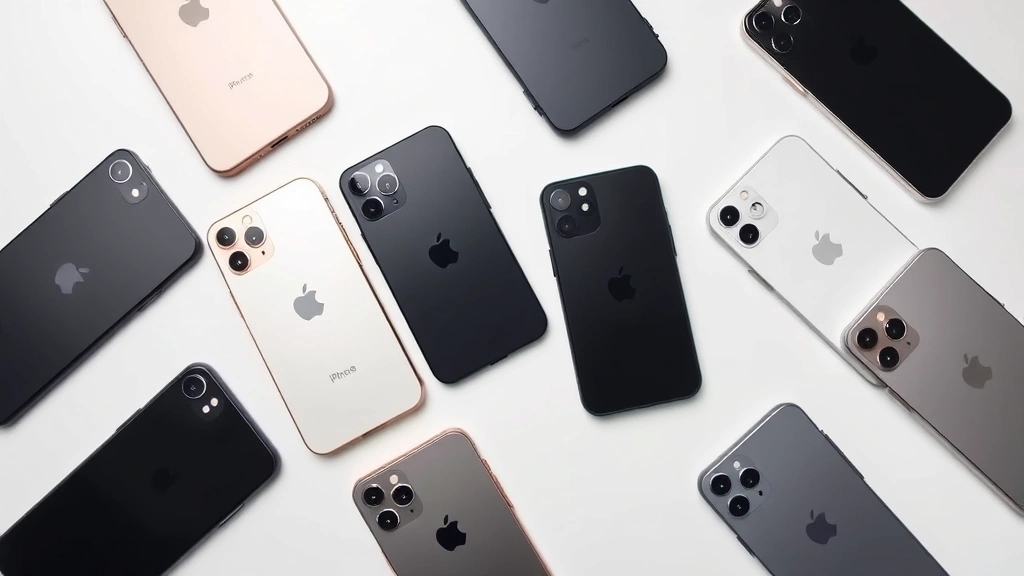
Back Market iPhone Deals: A Comprehensive Consumer Review
The refurbished smartphone market has exploded over the past five years, with Back Market emerging as one of the leading platforms for buying certified pre-owned iPhones. Whether you’re budget-conscious or environmentally aware, understanding the real value proposition of Back Market iPhone deals requires examining pricing, quality guarantees, seller ratings, and how this platform compares to alternatives. This comprehensive review explores everything you need to know before making your purchase decision.
Back Market positions itself as a marketplace for refurbished electronics, claiming to offer certified devices at significantly lower prices than new models. The platform aggregates listings from multiple sellers, creating a competitive environment that theoretically benefits consumers. However, the actual experience varies considerably depending on seller selection, device condition, and your specific needs. Our analysis examines whether the hype matches reality and whether Back Market iPhone deals genuinely deliver value.
What Is Back Market?
Back Market operates as a peer-to-peer marketplace connecting buyers with refurbished electronics sellers worldwide. Founded in 2014, the Paris-based company has expanded to serve millions of users across multiple countries. Unlike traditional retailers that control inventory directly, Back Market functions similarly to eBay or Amazon Marketplace, where independent sellers list certified refurbished devices.
The platform emphasizes transparency through seller verification, standardized grading systems, and buyer protection policies. Each seller undergoes vetting before approval, and devices are categorized by condition: excellent, good, or fair. This structure theoretically creates accountability while maintaining competitive pricing through multiple sellers offering identical or similar models.
Understanding Back Market’s business model is crucial for evaluating iPhone deals. The platform doesn’t manufacture or repair devices—it facilitates transactions between sellers and consumers. This means your experience heavily depends on which seller you choose, despite Back Market’s protective measures.

iPhone Pricing and Savings Analysis
Pricing represents the primary draw for Back Market iPhone deals. Current market analysis shows significant savings compared to Apple’s official pricing. For example, an iPhone 15 Pro Max typically retails for $1,199 new but often appears on Back Market at $850-$950 from reputable sellers—representing 25-30% savings.
Older models show even more dramatic discounts. iPhone 14 Pro models frequently sell for $600-$750 versus original retail prices near $1,000. iPhone 13 models drop to $400-$550, while iPhone 12 devices range from $300-$450. These savings scale with device age and condition classification.
However, pricing isn’t uniform. The same iPhone model might vary by $150-$300 depending on seller reputation, device condition specifics, and current market supply. Excellent condition devices command premium prices within the refurbished market, while fair condition phones offer maximum discounts but increased risk.
When evaluating Back Market iPhone deals, calculate total cost including shipping (typically $10-$20) and any applicable taxes. Compare against carrier promotions, manufacturer refurbished options directly from Apple, and major retailers running sales. Sometimes Best Buy or Amazon offer competitive pricing on new iPhones during promotional periods, narrowing the savings gap.
The savings advantage diminishes for very recent models but remains substantial for devices 2-3 years old. If you prioritize the latest technology, savings may not justify potential quality concerns. Conversely, if you’re comfortable with previous-generation iPhones, Back Market deals become increasingly attractive economically.
Quality Guarantees and Warranties
Back Market’s quality promise hinges on its certification and warranty system. All sellers must provide warranties ranging from 6 months to 2 years, depending on their tier and the specific device. The platform also offers buyer protection guaranteeing returns within 30 days if devices don’t match descriptions.
Device condition classifications attempt to standardize expectations:
- Excellent: Minimal cosmetic wear, fully functional, original box sometimes included
- Good: Visible wear, fully functional, may lack original packaging
- Fair: Significant cosmetic damage, fully functional, cheapest option
However, condition assessments remain subjective. What one seller considers “excellent” another might rate “good.” This inconsistency frustrates many consumers. Photo accuracy also varies—some sellers provide detailed close-ups showing scratches and imperfections, while others use generic product images.
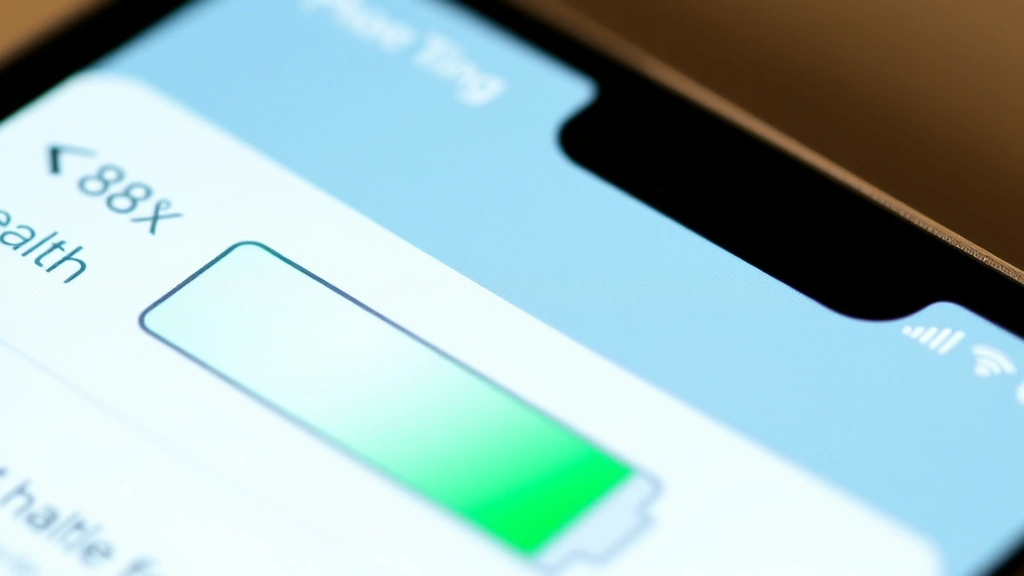
Warranty coverage typically includes hardware defects but excludes accidental damage and battery degradation beyond normal limits. Battery health is crucial for iPhones, as degraded batteries significantly impact usability. Most listings specify battery health percentages, but verification requires receiving the device.
The 30-day return window provides meaningful protection for obvious defects. However, issues emerging after this period fall to the seller’s warranty, which may involve lengthy disputes. Back Market’s mediation services help resolve conflicts, but resolution times can extend 4-6 weeks.
Comparing to manufacturer refurbished options, Apple’s official refurbished iPhones include one-year warranties and go through rigorous testing. They cost more than Back Market deals but offer superior assurance. For risk-averse consumers, this premium may justify the extra expense.
Seller Ratings and Reliability
Back Market displays seller ratings prominently, showing percentage scores and review counts. Top-tier sellers maintain 95%+ positive ratings with thousands of transactions. However, rating systems have inherent limitations.
Positive bias skews ratings significantly—satisfied customers often don’t leave reviews, while dissatisfied ones do. A seller with 1,000 reviews and 96% rating might have encountered 40 problems, which sounds concerning until you realize 40 issues across 1,000 transactions represents 4% failure rate. Conversely, a newer seller with 20 reviews and 100% rating might be beginners with insufficient transaction history.
Examine review text carefully rather than relying solely on numerical ratings. Look for patterns: Do complaints mention similar issues? Are negative reviews recent or historical? Do sellers respond professionally to criticism? Professional responses suggesting problem resolution indicate better customer service.
Some sellers operate from developing countries where labor costs enable aggressive pricing but communication barriers and logistics challenges create complications. Others are established refurbishment companies with physical locations, quality control processes, and local customer service. The difference significantly impacts your experience.
Tier-one sellers (those with premium status) typically offer better reliability, but their devices cost more. Budget sellers might save you $100-$200 but increase risk. Matching risk tolerance to seller tier represents crucial decision-making.
The Buying Experience
Purchasing through Back Market involves several steps. After identifying a desired iPhone and seller, you add the item to your cart and proceed to checkout. Payment options include credit cards, PayPal, and regional payment methods depending on your location.
Shipping times vary dramatically. Some sellers dispatch within 24 hours; others require 3-5 business days. International shipping adds 7-14 days depending on origin and destination. Tracking information typically becomes available within 48 hours of dispatch.
Upon arrival, inspect the device immediately. Test all functions: camera, microphone, speaker, buttons, ports, and screen responsiveness. Check battery health in settings. Compare physical condition against listing photos. Document any discrepancies immediately through Back Market’s messaging system before the return window closes.
If issues arise, contact the seller first. Many problems resolve quickly through seller support. If unsatisfied, initiate returns within the 30-day window. Back Market provides prepaid return labels, and most sellers process refunds within 5-10 business days after receiving returned devices.
The experience varies considerably by seller. Premium sellers might include extras like screen protectors or cases. Others provide minimal packaging. Communication responsiveness ranges from immediate replies to 48+ hour delays.
Comparing Back Market to Alternatives
Back Market isn’t your only option for refurbished iPhones. Understanding alternatives helps contextualize whether Back Market deals represent optimal value.
Apple’s Official Refurbished Store: Offers devices at 15% discount versus new prices. iPhone 15 Pro Max costs $1,019 refurbished. Includes one-year warranty, certified quality control, and authentic Apple support. Higher prices offset by superior assurance.
Carrier Refurbished Programs: Verizon, AT&T, and T-Mobile offer refurbished iPhones, often bundled with plan discounts. Prices vary but typically fall between Back Market and Apple. Warranty and support integrated with carrier relationships.
Amazon Renewed: Amazon’s refurbished marketplace competes directly with Back Market. Pricing is comparable; Amazon’s return policy (90 days) exceeds Back Market’s (30 days). Amazon’s A-to-Z guarantee provides strong buyer protection.
eBay: Offers refurbished iPhones from individual sellers and businesses. Greater price variability, less standardized grading, but sometimes better deals from motivated sellers. Higher risk without centralized quality standards.
Local Retailers: Best Buy sells refurbished iPhones with in-store inspection options. Prices typically align with Apple’s official store. Local availability eliminates shipping delays for immediate needs.
Back Market’s competitive advantage lies in seller diversity creating price competition and standardized certification. However, this advantage comes with increased complexity in seller selection and quality verification.
When comparing alternatives, consider your priorities: If certainty matters most, choose Apple or carriers despite higher prices. If maximum savings matter, Back Market or eBay offer better deals. If balance matters, Amazon Renewed provides competitive pricing with superior return policies.
Environmental and Economic Benefits
Beyond personal savings, purchasing refurbished iPhones through Back Market carries environmental significance. Smartphone manufacturing generates substantial carbon emissions and requires mining for rare earth elements. Extending device lifecycles through refurbishment reduces manufacturing demand and associated environmental impact.
Studies indicate refurbished electronics generate 50-80% fewer emissions than manufacturing new devices. When you purchase a Back Market iPhone instead of a new one, you’re preventing the environmental cost of production, packaging, and distribution of a new device.
Economically, refurbishment creates jobs in repair and testing sectors. Back Market’s seller ecosystem includes small businesses and individual refurbishment specialists who might otherwise struggle competing against large retailers. Supporting this marketplace contributes to distributed economic activity.
For budget-conscious consumers, particularly in developing markets, Back Market makes premium technology accessible. Individuals unable to afford new iPhones at $1,000+ prices can access flagship devices at $400-$600, democratizing access to sophisticated technology.
However, environmental claims require context. Shipping devices internationally creates carbon costs. Extended use of older technology might delay adoption of more efficient devices. The environmental calculus depends on specific circumstances, but generally, refurbished purchases benefit environmental sustainability compared to new purchases.
Red Flags and Consumer Concerns
Despite Back Market’s legitimacy, several concerns warrant attention before purchasing.
Condition Description Inconsistency: Devices sometimes arrive in worse condition than photos suggest. Poor lighting in photos masks damage. Always read detailed condition descriptions and examine all provided photos carefully.
Battery Degradation: iPhones older than 3-4 years often have battery health below 80%, significantly impacting daily usability. Verify battery health percentages in listings. Replacement batteries cost $50-$70, effectively reducing savings.
Hidden Activation Locks: Rarely, devices arrive with previous owner’s Apple ID still active, requiring their password for access. Reputable sellers verify removal before shipping. This is less common than it once was but remains possible with negligent sellers.
Carrier Locking: Some devices remain locked to specific carriers, limiting usability. Listings should specify whether devices are unlocked. Locked devices should cost less, but verify carrier compatibility with your needs.
Missing Accessories: “Good” or “Fair” condition devices often lack original chargers, cables, or boxes. Calculate true cost including necessary accessories. Third-party chargers cost $15-$30, adding to total expenditure.
Slow Shipping: Budget sellers from overseas sometimes provide slow shipping. If you need a device urgently, premium sellers with local operations offer faster alternatives despite higher prices.
Return Complications: While Back Market provides return protection, international returns create complications. Sellers may dispute condition upon return, claiming damage occurred during shipping. Document everything with photos and detailed descriptions.
These concerns aren’t unique to Back Market but occur across refurbished marketplaces. Mitigation requires careful seller selection, detailed communication, and immediate issue documentation.
FAQ
Are Back Market iPhones legitimate?
Yes, Back Market iPhones are legitimate refurbished devices. The platform verifies sellers and enforces quality standards. However, legitimacy doesn’t guarantee perfect condition or flawless experience. Devices are genuinely refurbished but quality varies by seller and individual device condition.
Do Back Market iPhones work with all carriers?
Most Back Market iPhones are unlocked and work with any carrier. However, some listings specify carrier locking. Always verify the “unlocked” designation before purchasing. Locked devices should be significantly cheaper but limit future carrier flexibility.
What’s the warranty on Back Market iPhones?
Warranties range from 6 months to 2 years depending on seller tier and device. Standard protection includes hardware defects but excludes accidental damage and excessive battery degradation. Review specific seller warranty terms before purchasing.
Can you return Back Market iPhones?
Yes, Back Market guarantees 30-day returns if devices don’t match descriptions. Returns require contacting the seller first, then initiating formal return requests through Back Market. Sellers provide prepaid return labels. Refunds process within 5-10 business days after receipt.
How do Back Market prices compare to Apple’s refurbished store?
Back Market typically offers 10-20% lower prices than Apple’s official refurbished store. However, Apple provides stronger warranty guarantees and quality assurance. The price difference reflects this quality trade-off.
Is buying a refurbished iPhone worth it?
For budget-conscious consumers, refurbished iPhones offer excellent value. Savings of $300-$500 on flagship devices justify modest quality concerns for most users. However, if certainty matters most, new devices or Apple refurbished options provide better assurance despite higher prices.
What battery health should I expect?
Refurbished iPhones typically have battery health between 80-95%. Older devices may fall below 80%. Battery replacement costs $50-$70. Factor battery replacement into total cost calculations for older devices.
How long does shipping take from Back Market?
Domestic shipping typically takes 3-7 business days. International shipping requires 10-21 days depending on origin and destination. Expedited options sometimes available at additional cost. Check specific seller shipping terms before purchasing.