Alemany Farmers Market: Local’s Favorite Guide
Alemany Farmers Market stands as one of San Francisco’s most vibrant community gathering spaces, where local farmers, artisans, and food producers connect directly with residents seeking fresh, seasonal produce and authentic regional products. Operating since 1943, this historic market has become an essential resource for health-conscious shoppers, home cooks, and culinary professionals who understand the value of farm-to-table commerce and sustainable food systems.
Located at 100 Alemany Boulevard in the Bernal Heights neighborhood, the market operates year-round on Saturdays, creating a dynamic economic ecosystem that supports local agriculture while providing consumers with unparalleled access to quality ingredients. The market’s enduring popularity reflects broader shifts in consumer behavior toward direct purchasing models, transparency in food sourcing, and community-driven retail experiences that transcend traditional supermarket commerce.
Market Overview and History
Alemany Farmers Market represents a cornerstone of San Francisco’s food infrastructure, having maintained continuous operations for over eight decades. The market’s establishment in 1943 predates the modern farm-to-consumer movement by several decades, making it a pioneer in direct agricultural commerce long before the farm-to-table concept became mainstream consumer preference. This historical continuity demonstrates the market’s fundamental role in urban food systems and its adaptation to evolving community needs.
The market operates under the management of the San Francisco Farmers Market Association, a nonprofit organization dedicated to promoting local agriculture and supporting regional farmers. This governance structure distinguishes Alemany from purely commercial operations, emphasizing community benefit and agricultural sustainability over profit maximization. The nonprofit model aligns with broader trends in market-driven commerce that prioritize stakeholder value and community resilience.
Weekly operations have created a predictable, reliable marketplace where both vendors and customers have developed long-term relationships. Many shoppers have patronized specific vendors for years or decades, establishing trust networks that facilitate repeat purchases and community cohesion. This relationship-based commerce model contrasts sharply with impersonal retail environments and represents a significant differentiator in contemporary consumer choice patterns.
Vendor Diversity and Product Categories
The market’s success derives substantially from its vendor diversity, which encompasses multiple product categories serving different consumer segments and dietary preferences. Approximately 100 vendors operate at Alemany on peak Saturday mornings, offering produce, prepared foods, flowers, crafts, and specialty items that reflect regional agricultural production and artisanal food manufacturing.
Produce Vendors represent the market’s core offering, featuring seasonal fruits and vegetables grown by regional farmers within approximately 100 miles of San Francisco. These vendors typically operate small to medium-sized farms practicing sustainable agriculture, organic certification, or conventional methods with direct-to-consumer distribution models. Produce availability fluctuates seasonally, with spring and summer months featuring abundant stone fruits, berries, and vegetables, while fall and winter emphasize root vegetables, squash, and hardy greens.
Specialty Food Producers include vendors offering prepared foods, baked goods, honey, nuts, dried goods, and artisanal products. These vendors often operate micro-businesses or cottage food operations, creating value-added products from raw agricultural inputs. Items such as jam, olive oil, cheese, bread, and prepared meals represent opportunities for farmers to capture additional margin and for consumers to access convenience products with transparent sourcing.
Flower and Plant Vendors provide seasonal cut flowers and potted plants, typically propagated by local growers. These vendors cater to aesthetic and horticultural consumer demands, adding visual appeal to the market environment while creating additional revenue streams for agricultural producers diversifying beyond food production.
Craft and Artisan Vendors occasionally operate at the market, offering handmade goods, textiles, and locally-produced items that complement the market’s community gathering function. These vendors expand the market’s appeal beyond food procurement, creating a comprehensive neighborhood shopping destination.
Shopping Hours and Location Details
Alemany Farmers Market operates Saturday mornings year-round, typically from 6:00 AM to 3:30 PM, though specific hours may vary seasonally and by vendor availability. This consistent weekly schedule enables shoppers to integrate market visits into regular routines, supporting habitual purchasing behavior and vendor predictability. The early morning opening accommodates both early-rising shoppers and vendors requiring time to set up merchandise before peak shopping hours.
The market’s location at 100 Alemany Boulevard positions it in the Bernal Heights neighborhood, an area characterized by residential density, walkability, and demographic diversity. Proximity to public transit, including BART access and multiple bus lines, facilitates customer accessibility for residents across San Francisco’s broader metropolitan area. Parking availability, though limited, supports vehicle-based shopping for customers from outlying areas.
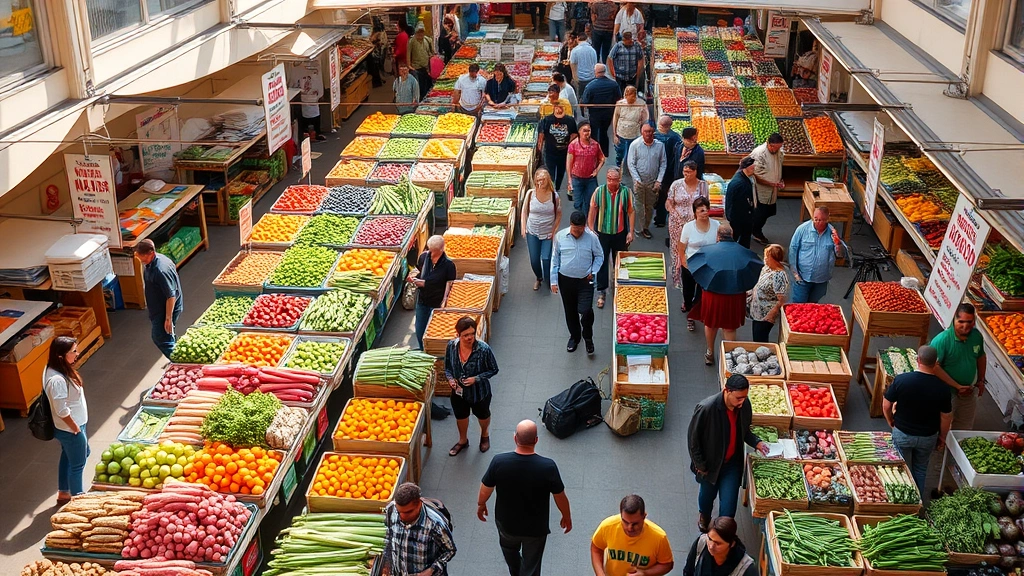
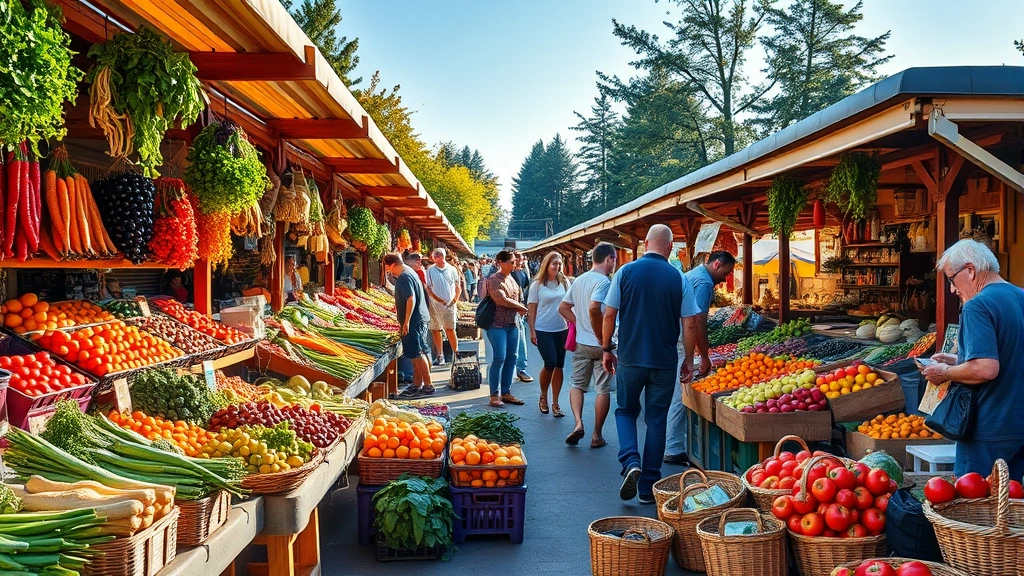
The physical space encompasses an open-air plaza environment with vendor stalls arranged in rows, creating a marketplace atmosphere that encourages browsing and social interaction. Weather protection through awnings and covered areas provides operational continuity during San Francisco’s variable climate conditions. The outdoor setting creates sensory experiences—visual appeal of produce displays, aromatic qualities of fresh foods, social dynamics of crowd interaction—that distinguish farmers market shopping from indoor retail environments.
For those seeking additional markets near me options, Alemany represents one option within San Francisco’s broader farmers market infrastructure, though its specific characteristics and vendor mix create unique value propositions.
Economic Impact on Local Agriculture
Alemany Farmers Market generates significant economic benefits for regional agricultural producers, representing a direct revenue channel that bypasses conventional wholesale distribution networks. Farmers selling directly to consumers at farmers markets typically capture 60-90% of retail prices, compared to 20-40% margins when selling through wholesale channels to supermarkets and distributors. This margin differential enables farm profitability at smaller scale operations, supporting agricultural viability for family farms and specialty producers.
The market’s year-round operation creates sustained demand for regional agricultural products, incentivizing farmers to maintain diverse crop production and year-round operations. This demand stability enables agricultural planning, workforce scheduling, and infrastructure investment decisions that might be infeasible with sporadic or seasonal market access. The predictable customer base represented by regular Alemany shoppers provides revenue certainty that supports business planning.
According to research from the USDA Agricultural Marketing Service, farmers markets generate approximately $2 billion in annual sales nationwide, supporting thousands of farm operations and rural economies. Alemany contributes meaningfully to San Francisco’s local food economy, with vendor revenues estimated at $10-15 million annually based on typical farmers market economic impact studies. This economic activity supports regional employment, agricultural infrastructure, and food system resilience.
The market’s existence creates multiplier effects throughout local economies, as farmers purchase inputs from equipment suppliers, seed companies, and service providers within regional networks. Customers purchasing at Alemany direct spending toward local food systems rather than national supermarket chains, maintaining economic activity within Bay Area communities. These economic dynamics represent significant advantages of farmers market systems compared to consolidated retail distribution networks.
Customer Experience and Community Benefits
Shopping at Alemany Farmers Market provides customer experiences fundamentally distinct from conventional retail environments. Direct vendor interaction enables product knowledge exchange, recipe recommendations, and personalized service that create informational value beyond the transactional product exchange. Customers can inquire about production methods, ask preparation suggestions, and establish relationships with producers, building trust networks that influence purchasing decisions and loyalty patterns.
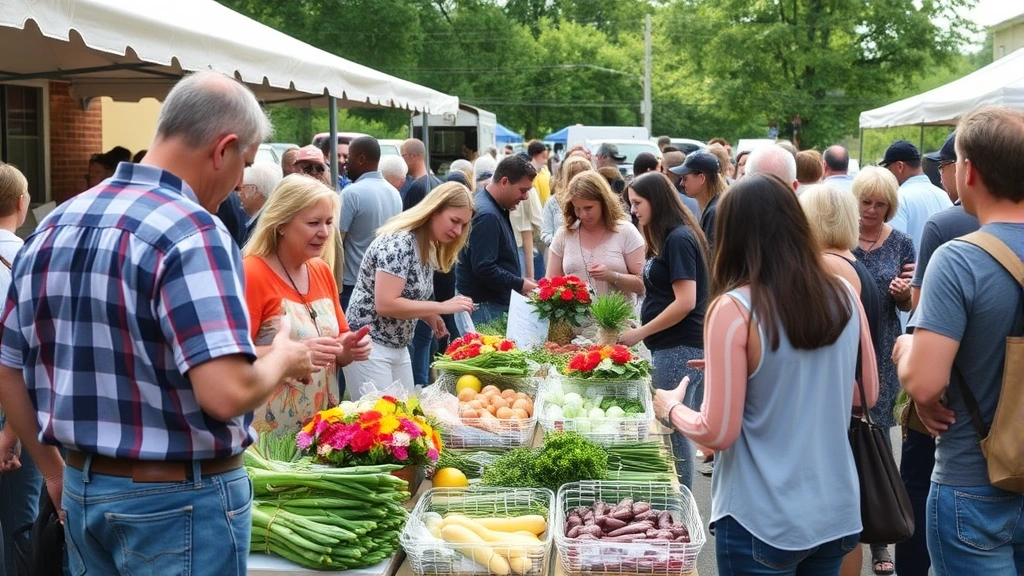
The market functions as community gathering space, hosting social interactions, neighborhood networking, and cultural exchange that extend beyond commercial transactions. Regulars recognize each other, vendors remember customers’ preferences, and the weekly gathering creates social cohesion within neighborhoods. This community function addresses documented social isolation in urban environments, providing informal social infrastructure that supports psychological wellbeing and civic participation.
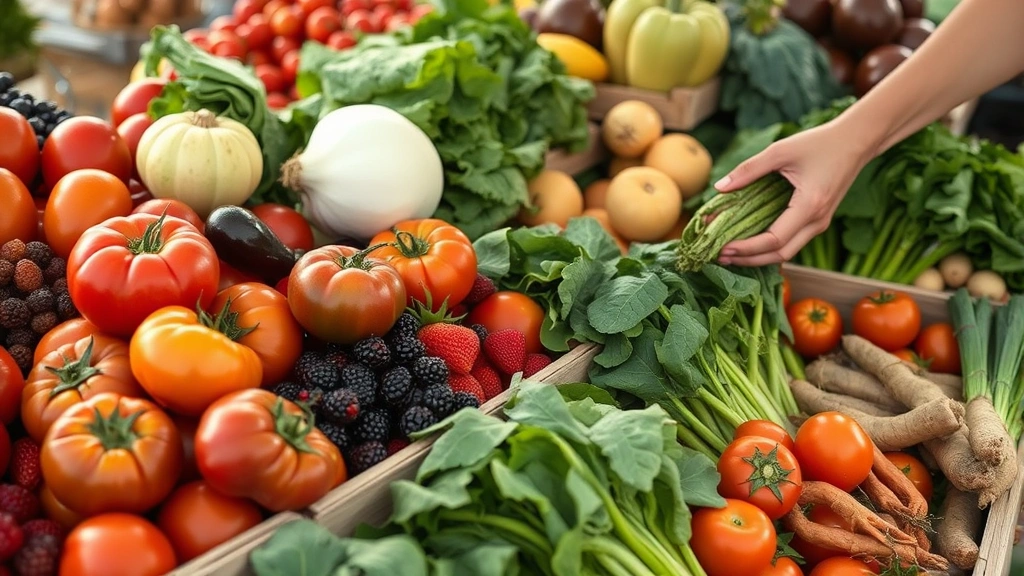
Nutritional benefits derive from direct access to fresh, seasonal produce harvested at peak ripeness. Farmers market produce typically reaches consumers within days of harvest, preserving nutrient density and flavor characteristics superior to supermarket produce that may have been harvested weeks prior and subjected to extended cold storage. This nutritional advantage aligns with health-conscious consumer preferences and supports dietary quality improvements.
Environmental consciousness represents a significant customer motivation for farmers market shopping. Direct producer relationships enable verification of agricultural practices, supporting consumers seeking organic certification, pesticide minimization, or sustainable farming methods. The transparent sourcing available through direct vendor interaction satisfies consumer demands for environmental accountability increasingly important in contemporary marketing strategy and consumer decision-making.
Educational opportunities emerge through market interactions, as customers learn about seasonal availability, agricultural production, nutritional properties, and food preparation through informal vendor conversations. This educational function supports food literacy and informed consumption patterns, particularly valuable for younger generations with limited agricultural knowledge.
Seasonal Availability and Product Rotation
Alemany’s product offerings fluctuate substantially across seasons, reflecting Bay Area agricultural production cycles and regional climate patterns. Understanding seasonal availability enables strategic shopping, budget optimization, and menu planning aligned with harvest cycles and pricing dynamics.
Spring Season (March-May) features early vegetable emergence including asparagus, artichokes, spring greens, peas, and early root vegetables. Strawberries begin appearing in April-May, representing the season’s premier fruit offering. Spring flowers become abundant, supporting demand for fresh cut arrangements and potted plants. Prices for early-season items tend to be elevated due to limited supply and production costs, gradually declining as production volumes increase.
Summer Season (June-August) represents peak agricultural production, offering maximum vendor diversity and product abundance. Stone fruits including peaches, plums, and nectarines reach peak ripeness and availability. Berries including blackberries, raspberries, and blueberries offer premium quality and competitive pricing. Vegetables including tomatoes, peppers, eggplant, zucchini, and summer squash dominate produce displays. Prices decline to annual lows due to supply abundance, creating optimal purchasing conditions for budget-conscious shoppers.
Fall Season (September-November) transitions toward cooler-season production, featuring apples, pears, and stone fruits in early fall. Grapes reach peak availability in September-October. Root vegetables including beets, carrots, and turnips increase in availability. Squash and pumpkins emerge for seasonal preparation. Fall greens including chard and kale become abundant as cooler temperatures enhance flavor development.
Winter Season (December-February) features limited produce variety compared to other seasons, with emphasis on storage crops and hardy vegetables. Root vegetables including potatoes, onions, and garlic maintain availability from storage. Winter greens including kale, collards, and lettuce continue production. Citrus fruits reach peak ripeness and availability. Prepared foods and specialty items gain prominence as fresh produce options diminish, enabling vendors to maintain sales during lower-production months.
Pricing Dynamics and Value Proposition
Alemany pricing reflects multiple factors including seasonal availability, production costs, vendor overhead, and competitive positioning relative to conventional retail alternatives. Understanding pricing dynamics enables strategic shopping and informed purchasing decisions.
Farmers market prices typically exceed supermarket prices for identical products, reflecting direct vendor operations without wholesale distribution intermediaries. However, quality differentials including freshness, ripeness, and nutritional density justify price premiums for many consumers. A premium tomato purchased at peak ripeness from a farmers market vendor delivers superior flavor and nutritional value compared to a supermarket tomato harvested weeks prior, justifying price differentials of 20-40%.
Seasonal pricing variations create significant opportunities for budget-conscious shoppers. Summer abundance drives prices to annual lows, enabling consumers to purchase and preserve seasonal products through freezing, canning, or dehydration. Strategic purchasing during peak season—when prices are lowest and quality is highest—enables year-round consumption of seasonal products at reduced cost.
Bulk purchasing discounts frequently apply at Alemany, with vendors offering reduced per-unit prices for larger quantities. Customers purchasing multiple pounds of seasonal produce often receive 10-20% discounts, particularly late in market mornings when vendors seek to minimize unsold inventory. This pricing flexibility rewards higher-volume purchasing and encourages consumption of abundant seasonal items.
Comparative shopping across vendor stalls enables price optimization, as multiple vendors often sell similar products at varying prices. Subtle quality differences, vendor reputation, and personal preferences influence purchasing decisions beyond pure price minimization. Experienced shoppers develop vendor relationships and knowledge of typical pricing patterns, enabling strategic purchasing decisions.
Sustainability and Environmental Practices
Alemany Farmers Market embodies sustainability principles through agricultural production methods, distribution efficiency, and waste reduction practices that minimize environmental impact compared to conventional food retail systems.
Transportation Efficiency represents a primary sustainability advantage, as regional agricultural producers transport products short distances to market, minimizing fuel consumption and carbon emissions. Products from Alemany vendors typically travel 50-100 miles from farm to market, compared to 1,500+ miles for conventional supermarket produce sourced from national or international suppliers. This transportation efficiency directly reduces carbon footprint associated with food consumption.
Agricultural Practices employed by Alemany vendors frequently emphasize sustainability, with many farmers implementing organic certification, integrated pest management, cover cropping, and soil conservation practices. Direct consumer relationships incentivize environmental stewardship, as farmers market customers explicitly value sustainability and willingly pay premiums for environmentally-responsible products. This consumer demand creates market incentives for sustainable production methods that might not be economically viable in conventional wholesale distribution systems.
Packaging and Waste Reduction practices at Alemany minimize environmental impact through customer-provided reusable containers, minimal packaging requirements for fresh produce, and vendor composting of unsold products. The open-air market environment eliminates climate-controlled retail facilities, reducing energy consumption compared to conventional supermarkets. Customers encouraged to bring reusable bags reduce plastic waste associated with retail shopping.
Biodiversity Support emerges through diverse crop production practices at regional farms supplying Alemany. Small-scale farmers typically cultivate diverse crop varieties, supporting agricultural biodiversity compared to monoculture conventional farming. This diversity supports ecosystem services, pollinator populations, and resilience to agricultural pests and diseases.
Environmental benefits extend to consumer behavior modification, as farmers market shopping encourages seasonal eating patterns aligned with regional agricultural production. This seasonal consumption supports regional food system resilience, reduces imported product dependence, and aligns dietary patterns with environmental carrying capacity of local agricultural regions.
The market’s continued operation supports preservation of Bay Area agricultural land, as viable farm economics enabled through farmers market channels incentivize continued agricultural production rather than land conversion to urban development. This agricultural preservation maintains open space, supports ecosystem services, and preserves regional food production capacity.
Understanding digital marketing trends helps farmers markets reach broader audiences, while traditional farmers market models remain resilient. Vendors increasingly utilize social media to communicate about weekly product availability, special items, and market updates, creating hybrid digital-physical retail experiences.
For farmers and small producers, developing effective marketing strategy for small businesses enables differentiation and customer acquisition. Many Alemany vendors build brand loyalty through consistent quality, personable service, and authentic storytelling about their farms and products. These relationship-based marketing strategies align with farmers market commerce principles and customer preferences for authentic, transparent vendor relationships.
FAQ
What are Alemany Farmers Market’s operating hours?
Alemany Farmers Market operates Saturday mornings year-round from approximately 6:00 AM to 3:30 PM. Specific hours may vary seasonally and by vendor availability, so arriving early ensures maximum vendor selection and product availability.
What payment methods do Alemany vendors accept?
Most vendors accept cash, though an increasing number accept electronic payment methods including credit cards and mobile payments. Customers should carry cash as a reliable payment method, though many vendors accommodate card transactions through portable payment processors.
How do seasonal changes affect product availability and pricing?
Seasonal variations significantly impact product availability and pricing. Summer months offer maximum abundance and lowest prices, while winter features limited fresh produce and higher prices. Spring and fall represent transitional seasons with moderate availability and pricing. Strategic shopping during peak seasons enables budget optimization.
Are products at Alemany certified organic?
Not all vendors at Alemany are certified organic, though many practice organic or sustainable agriculture without formal certification. Customers should directly inquire with vendors about production methods, pesticide use, and agricultural practices. Vendor communication about growing practices is a primary farmers market advantage.
Can I find prepared foods and specialty items at Alemany?
Yes, Alemany features numerous prepared food vendors offering baked goods, cooked meals, honey, nuts, oils, and artisanal products. These specialty vendors complement fresh produce options, making the market a comprehensive shopping destination for diverse food categories.
How does shopping at Alemany support local agriculture?
Purchasing at Alemany directly supports regional farmers through substantially higher profit margins compared to wholesale distribution. Direct vendor sales enable farm profitability at smaller scales, support agricultural employment, and maintain Bay Area agricultural land in productive use rather than development conversion.
Is parking available at Alemany Farmers Market?
Limited parking exists at the market location, though public transit access via BART and bus lines provides alternatives for customers without vehicles. Many shoppers walk or bike to the market, particularly those from nearby neighborhoods. Arriving early provides better parking availability.
What are the environmental benefits of shopping at farmers markets?
Farmers market shopping reduces transportation emissions through short-distance product distribution, supports sustainable agricultural practices, minimizes packaging waste, encourages seasonal consumption patterns, and preserves agricultural land from development conversion. These environmental benefits align with consumer sustainability values and climate action objectives.