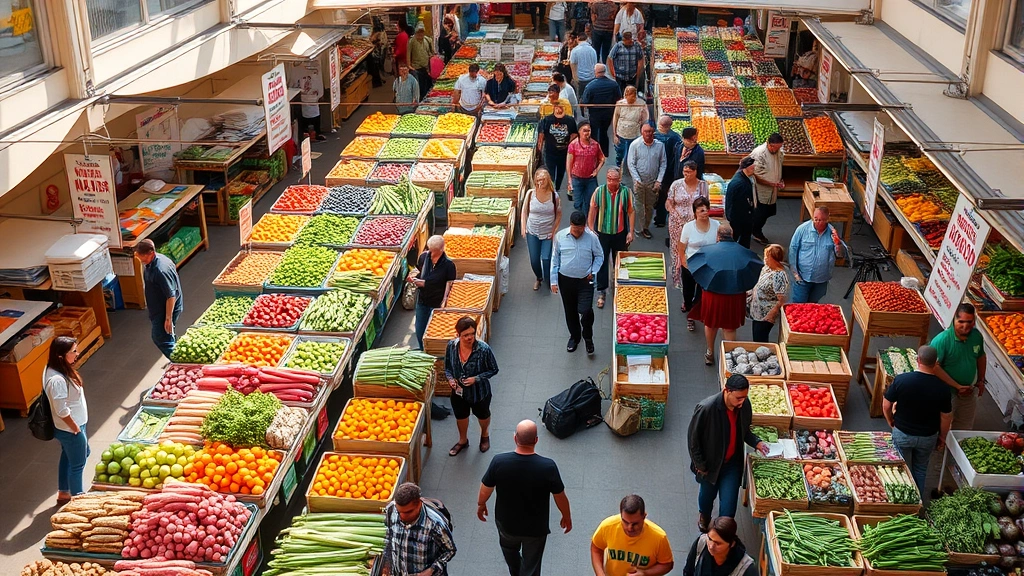
Latin Market Trends 2023: Industry Insights & Growth Opportunities
The Latin American market landscape in 2023 represents one of the most dynamic and rapidly evolving regions for ecommerce and retail expansion. With over 650 million consumers across Latin America and the Caribbean, the region continues to demonstrate remarkable resilience and innovation despite macroeconomic headwinds. From Mexico to Brazil, Argentina to Colombia, businesses are witnessing unprecedented digital transformation, changing consumer behaviors, and emerging opportunities that reshape traditional commerce models.
Understanding the nuances of the Latin market requires examining multiple dimensions: digital adoption rates, payment infrastructure evolution, consumer spending patterns, and the competitive dynamics that define this region. Companies seeking to establish or expand their presence in Latin America must navigate cultural preferences, regulatory environments, and logistical challenges while capitalizing on the region’s young, increasingly connected population. This comprehensive analysis explores the critical trends shaping the Latin market in 2023 and beyond.
Digital Commerce Acceleration and eCommerce Growth
The Latin market experienced explosive ecommerce growth throughout 2023, with online retail sales reaching approximately $110 billion USD across the region. This represents a compound annual growth rate of 12-15% over the previous five years, significantly outpacing global ecommerce expansion rates. Mexico, Brazil, and Argentina emerged as the largest markets, collectively accounting for nearly 70% of regional ecommerce transactions.
Several factors catalyzed this acceleration. First, pandemic-driven digital adoption created lasting behavioral shifts among consumers who discovered online shopping convenience. Second, improved internet infrastructure and increased smartphone penetration expanded market accessibility to previously underserved populations. Third, local and international retailers invested heavily in platform development and user experience optimization to capture market share in this competitive environment.
The latest market insights reveal that fashion and apparel dominate ecommerce categories, representing 28% of online sales, followed by electronics (22%), home and garden (18%), and personal care products (15%). Cross-border ecommerce also gained momentum, with consumers increasingly purchasing from international sellers, particularly from the United States and China.
Small and medium-sized enterprises (SMEs) recognized the strategic importance of digital presence, with approximately 65% of Latin American SMEs establishing some form of online selling capability by mid-2023. This democratization of ecommerce access created new competitive dynamics and challenged established retailers to innovate continuously. Marketplaces like Mercado Libre, OLX, and regional variations of Amazon solidified their dominance while emerging platforms captured niche segments and specific geographic markets.
Payment Methods and Financial Innovation
Payment infrastructure represents one of the most transformative aspects of the Latin market’s ecommerce evolution. Traditional credit card penetration remains relatively low in many Latin American countries, with cash transactions still dominating consumer behavior. However, 2023 marked a significant inflection point in payment method diversification and fintech innovation.
Digital wallets and mobile payment solutions experienced remarkable adoption, particularly among younger demographics. WhatsApp Pay, Google Pay, and Apple Pay expanded their Latin American operations, while regional players like Mercado Pago revolutionized payment accessibility by offering interest-free installment plans and integration with local banking systems. Buy-now-pay-later (BNPL) services emerged as game-changers, with companies like Konfío, Afirme, and international players capturing substantial market share by enabling consumers to spread purchases across multiple installments without traditional credit requirements.
Cryptocurrency and blockchain-based payment solutions gained traction in specific markets, particularly in countries experiencing currency volatility or inflation pressures. El Salvador’s Bitcoin adoption, while controversial, stimulated broader conversations about alternative payment mechanisms throughout the region. However, regulatory uncertainty and consumer education gaps limited mainstream cryptocurrency adoption in most Latin American markets during 2023.
Financial inclusion remained a critical focus area, with approximately 45% of Latin Americans remaining unbanked or underbanked. Fintech companies addressed this gap by offering prepaid cards, mobile banking solutions, and alternative credit assessment methods that bypassed traditional banking requirements. This financial democratization directly supported ecommerce expansion by enabling previously excluded populations to participate in online commerce.
Understanding effective digital marketing strategy examples becomes essential when targeting these diverse payment preferences across different customer segments and geographic markets.
Consumer Demographics and Purchasing Behavior
The Latin American consumer profile in 2023 reflects a region undergoing rapid demographic transition and lifestyle modernization. Approximately 62% of the population resides in urban areas, with major metropolitan centers like São Paulo, Mexico City, and Buenos Aires serving as ecommerce hubs. The median age across Latin America stands at 31 years, creating a substantial millennial and Gen Z consumer base with high digital affinity and distinct purchasing preferences.
Income distribution remains uneven, with significant disparities between wealthy metropolitan centers and rural regions. However, the emergence of a robust middle class, estimated at 35-40% of the population in developed Latin American markets, created substantial purchasing power and demonstrated growing appetite for discretionary spending. This middle-class expansion correlated directly with increased ecommerce participation, as consumers gained both financial capacity and digital access.
Purchasing behavior analysis reveals several distinct patterns. First, price sensitivity remains elevated compared to developed markets, with promotions and discounts driving conversion rates significantly. Second, consumers demonstrate strong brand loyalty once established, particularly toward trusted local and regional brands. Third, social commerce integration gained prominence, with Instagram, TikTok, and Facebook serving as critical discovery and purchasing channels, especially for fashion and beauty products.
Seasonal purchasing patterns showed interesting variations across the region. Year-end holidays drove 25-30% of annual ecommerce sales, while back-to-school seasons (August-September) and local celebrations created secondary peak periods. Understanding these temporal dynamics became crucial for inventory management and marketing campaign planning.
For businesses developing effective approaches, exploring marketing strategy for small businesses provides valuable frameworks applicable to Latin American market entry and expansion.
Mobile-First Shopping Strategies
Mobile commerce dominated Latin American ecommerce, with approximately 75% of online transactions originating from smartphones by 2023. This mobile-first reality fundamentally shaped platform design, payment integration, and customer engagement strategies across the region. Unlike developed markets where desktop and mobile transactions remain relatively balanced, Latin America’s mobile concentration reflects both infrastructure realities and consumer preferences.
Smartphone penetration reached 65-70% across most Latin American countries, with 4G LTE networks providing adequate connectivity for most urban and semi-urban populations. However, data costs remained substantial for lower-income consumers, driving demand for lightweight applications and optimized user experiences that minimized data consumption.
Progressive web applications (PWAs) gained significant traction as retailers sought to deliver app-like experiences without requiring substantial device storage. Companies like Mercado Libre and regional retailers implemented sophisticated PWA strategies that delivered fast loading times, offline functionality, and seamless checkout processes optimized for mobile devices.
Social commerce integration became inseparable from mobile strategy, with platforms like WhatsApp, Instagram, and TikTok serving as primary shopping channels for specific demographic segments. Live streaming commerce, borrowed from successful Asian models, began gaining adoption in 2023, particularly for fashion, beauty, and electronics categories.
Payment optimization for mobile became paramount, with one-click purchasing, biometric authentication, and simplified form fields reducing cart abandonment rates. Retailers implementing mobile-first strategies consistently achieved 15-20% higher conversion rates compared to those maintaining desktop-centric approaches.
Logistics and Supply Chain Evolution
Logistics infrastructure represents both a critical challenge and emerging opportunity within the Latin market. Last-mile delivery costs consume 40-50% of order fulfillment expenses in many Latin American markets, compared to 25-30% in developed nations. This cost structure significantly impacts profitability and pricing strategies for ecommerce retailers operating in the region.
Traditional logistics providers like DHL, FedEx, and UPS maintained significant market presence, while regional carriers such as Loggi, Rappi, and Cornershop expanded their networks and service offerings. These companies invested heavily in technology infrastructure, real-time tracking, and last-mile optimization to improve service levels and reduce operational costs.
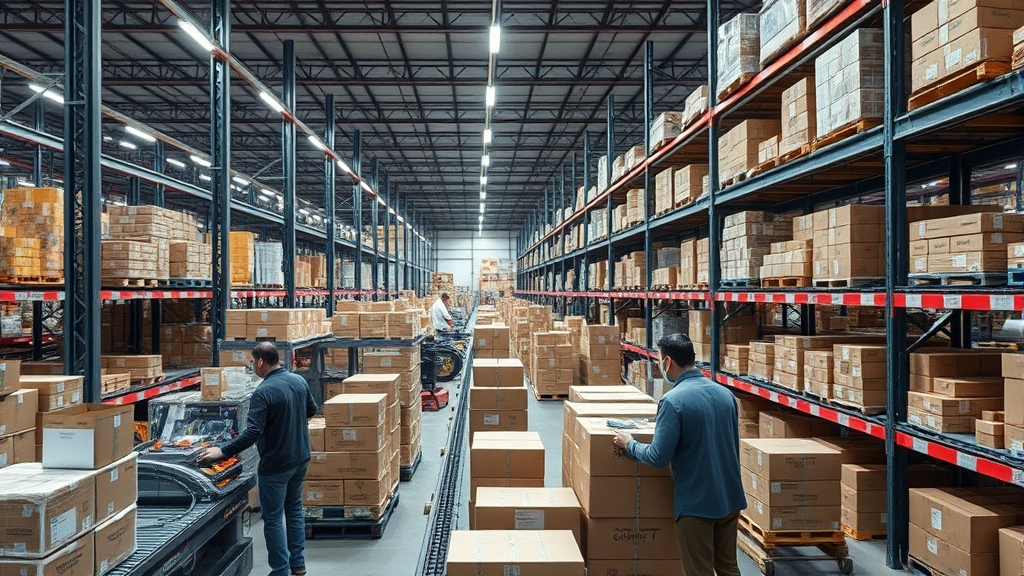
Warehouse infrastructure modernization accelerated throughout 2023, with major ecommerce platforms and retailers establishing fulfillment centers in strategic locations. Amazon, Mercado Libre, and other major players invested in automated warehouses featuring robotics, AI-driven inventory management, and optimized picking and packing processes. This infrastructure investment directly improved delivery speed and reliability, critical factors influencing consumer satisfaction.
Cross-border logistics presented unique challenges and opportunities. Regional trade agreements, customs procedures, and tariff structures varied significantly across Latin American countries, creating complexity for retailers attempting to operate at scale. However, companies mastering cross-border logistics gained competitive advantages through expanded product selection and geographic reach.
The stock market reflected strong investor confidence in logistics companies serving Latin America, with several firms achieving substantial valuations and expansion funding during 2023. This capital availability accelerated infrastructure development and service innovation across the region.
Regional Market Variations and Opportunities
While Latin America often receives unified market treatment, significant variations across countries demand tailored strategies and localized approaches. Brazil, the region’s largest economy with 215 million people, generated approximately 50% of regional ecommerce revenue. However, market saturation among major players created intense competition and reduced margins compared to emerging markets within the region.
Mexico represented the second-largest market with strong growth momentum, particularly in northern states benefiting from proximity to the United States and cross-border commerce dynamics. The country’s young population (median age 28) and improving middle class created substantial growth opportunities for retailers willing to invest in localized marketing and payment infrastructure.
Argentina experienced unique market dynamics driven by currency volatility and inflation, creating demand for alternative payment mechanisms and dollar-denominated pricing. Despite macroeconomic challenges, Argentinian consumers maintained strong ecommerce engagement, with approximately 55% of the population making online purchases regularly.
Colombia and Peru emerged as high-growth markets with expanding middle classes, improving digital infrastructure, and relatively underpenetrated ecommerce adoption. These markets offered first-mover advantages for retailers willing to invest in market education and brand building before competitive saturation occurred.
Central American markets including Guatemala, Honduras, and El Salvador represented smaller but potentially high-growth opportunities, with ecommerce penetration rates significantly below regional averages. Limited logistics infrastructure and lower payment method diversity presented challenges, but also opportunities for companies developing innovative solutions addressing these specific market constraints.
Examining markets near me resources can help retailers identify specific geographic opportunities and local market dynamics relevant to their business models.

Competitive Landscape and Key Players
The Latin American ecommerce landscape features a complex competitive ecosystem combining global giants, regional powerhouses, and emerging specialists. Mercado Libre maintains dominant market position across most Latin American countries, leveraging first-mover advantages, extensive logistics networks, and comprehensive payment solutions. The company’s market capitalization and continuous expansion demonstrated strong investor confidence in the region’s ecommerce potential.
Amazon expanded aggressively throughout Latin America during 2023, establishing operations in Mexico, Brazil, and other key markets. The company’s global brand recognition, sophisticated technology infrastructure, and customer service excellence positioned it as a formidable competitor to established regional players. However, cultural preferences for local platforms and Amazon’s premium positioning limited market share capture in price-sensitive segments.
Alibaba-backed platforms gained significant presence through AliExpress and other services, particularly in electronics and budget-conscious categories. These platforms’ ability to offer extremely competitive pricing through direct manufacturer relationships attracted price-sensitive Latin American consumers despite longer delivery times and language barriers.
Specialized retailers and niche marketplaces flourished, capturing specific categories and demographic segments underserved by general marketplaces. Fashion-focused platforms like Dafiti, beauty retailers like Sephora, and electronics specialists like Best Buy and local equivalents demonstrated that vertical specialization could compete effectively against horizontal marketplaces through superior curation, expertise, and targeted marketing.
Social commerce platforms gained prominence, with influencer-driven sales channels and direct-to-consumer brands leveraging Instagram, TikTok, and WhatsApp for customer acquisition and engagement. This decentralization of ecommerce created opportunities for smaller retailers and entrepreneurs to reach customers without massive infrastructure investments.
Understanding why marketing is important for business becomes especially critical in the competitive Latin American landscape, where brand differentiation and customer engagement directly influence market success.
FAQ
What is driving ecommerce growth in the Latin market?
Multiple factors catalyze Latin American ecommerce expansion: pandemic-driven digital adoption creating lasting behavioral shifts, improved internet infrastructure and smartphone penetration reaching underserved populations, substantial retailer investments in platform development, and emerging middle-class consumers with increased purchasing power and digital access. Additionally, fintech innovations and alternative payment methods enable previously unbanked populations to participate in online commerce.
Which Latin American countries offer the best ecommerce opportunities?
Brazil and Mexico represent the largest markets with established ecommerce ecosystems, though competitive saturation limits margins. Colombia, Peru, and Argentina present high-growth opportunities with less competitive penetration. Central American markets including Guatemala and El Salvador offer first-mover advantages for retailers willing to invest in market education and infrastructure development despite current logistical challenges.
How important is mobile commerce in Latin America?
Mobile commerce dominates the Latin market, with approximately 75% of ecommerce transactions originating from smartphones. This mobile-first reality reflects both infrastructure realities and consumer preferences, requiring retailers to optimize platforms for mobile devices, implement lightweight applications, and integrate social commerce capabilities.
What payment methods do Latin American consumers prefer?
Consumer payment preferences vary significantly across the region, but digital wallets, mobile payment solutions, and buy-now-pay-later services gained substantial adoption in 2023. Traditional credit cards remain important but have lower penetration than developed markets. Cash-on-delivery remains relevant in some markets, while cryptocurrency adoption remains limited despite regional interest.
What are the main logistics challenges in the Latin market?
Last-mile delivery costs consume 40-50% of fulfillment expenses, significantly higher than developed markets. Infrastructure varies substantially across countries and regions, with rural areas facing particular challenges. Cross-border logistics complexity, customs procedures, and tariff structures create additional complications for regional retailers, though these challenges also represent opportunities for companies developing innovative solutions.
How do consumer behaviors differ across Latin American regions?
Significant variations exist across countries regarding price sensitivity, brand loyalty, payment preferences, and digital adoption rates. Urban consumers in major metropolitan areas demonstrate higher ecommerce engagement than rural populations. Macroeconomic conditions, currency stability, and local regulatory environments substantially influence consumer behavior and purchasing patterns in specific markets.