
Table of Contents
Introduction
Running a nonprofit? Then you know the struggle is real. You’re trying to change the world, but sometimes it feels like you’re shouting into the void. Here’s the thing—great marketing isn’t just nice to have anymore. It’s absolutely essential. Without it, even the most important causes can get lost in the noise, and that’s a tragedy nobody wants.
Now, nonprofit marketing is a different beast entirely from selling widgets or software. You’re not pushing products—you’re sharing a vision. You’re asking people to believe in something bigger than themselves and then act on that belief. The numbers don’t lie: nonprofits that invest in smart marketing strategies see dramatically higher engagement and donations. That’s not just feel-good fluff—that’s real impact you can measure.
Let’s talk about your audience for a minute. Donors, volunteers, community members—they’re all different people with different motivations. (And yes, trying to speak to everyone usually means you’re speaking to no one.) The nonprofits that really nail this? They get specific about who they’re talking to and why those people should care. If you want to dig deeper into this approach, check out these proven marketing strategies for nonprofits—it’s packed with techniques that actually work in the real world.
Digital tools have completely changed the game. Social media, email campaigns, content scheduling—these aren’t just buzzwords anymore. They’re the difference between reaching hundreds of people and reaching thousands. Smart nonprofits are embracing marketing automation for small business techniques that keep donors engaged without burning out your team. And if you really want to stay ahead of the curve, understanding the broader marketing digital transformation will open doors you didn’t even know existed.
What You’ll Learn in This Guide
We’re going to walk through everything you need to build a marketing strategy that actually moves the needle. No theory for theory’s sake—just practical, actionable advice you can start using today.
- Understanding Your Nonprofit Audience: Learn how to identify key segments including donors, volunteers, and partners. Build detailed donor personas that enable targeted messaging and stronger relationships.
- Core Marketing Strategies for Nonprofits: Explore branding, messaging, and event marketing tactics that align with your mission and engage your community effectively.
- Digital Marketing Tools and Channels: Discover how to leverage social media, email campaigns, websites, and SEO to widen your reach and optimize engagement.
- Measuring Marketing Effectiveness: Master key performance indicators (KPIs) and analytics tools to assess your campaigns, refine tactics, and maximize your impact.
What you’ll find here isn’t just another list of marketing tactics. We’re breaking down exactly how successful nonprofits think about their outreach, from the first contact with a potential supporter to building lifelong advocates for your cause. Whether you’re starting from scratch or your current efforts feel stuck, these strategies will help you connect with people in ways that actually matter.
First up, we’ll tackle audience research—because you can’t hit a target you can’t see. Then we’ll explore how to craft messages that cut through the clutter and stick with people long after they’ve scrolled past your post. You’ll learn how to maximize your digital presence without needing a computer science degree, and how to tell stories that make people feel something (because facts tell, but stories sell).
Here’s something most guides won’t tell you: measuring your marketing isn’t optional anymore. Every dollar counts when you’re trying to change the world, so we’ll show you exactly how to track what’s working and what isn’t. No more throwing spaghetti at the wall and hoping something sticks. You’ll also find carefully selected resources throughout this guide, including insights on marketing communication strategies that can transform how you connect with your community. When you combine all these pieces, you won’t just be more visible—you’ll be impossible to ignore.
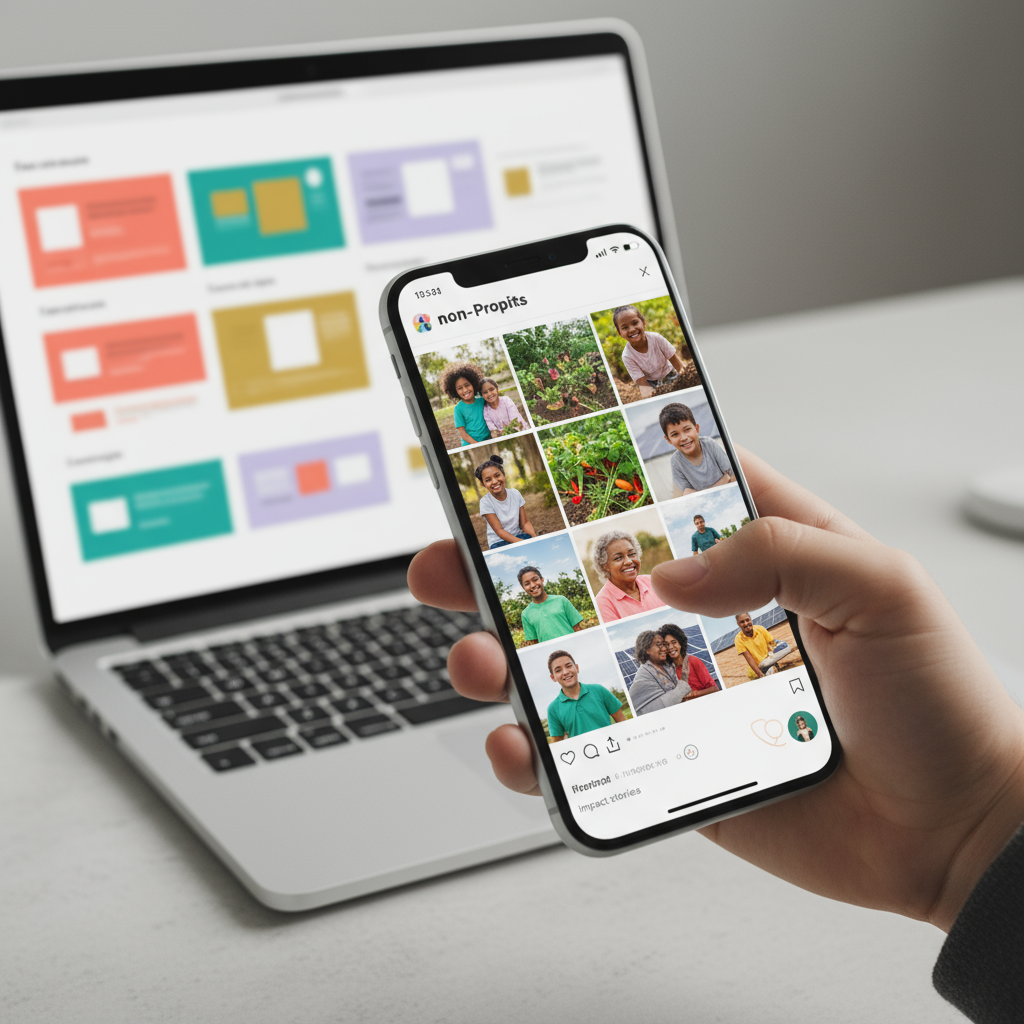
Here’s the thing about nonprofit marketing—it can make or break your organization’s impact. You’ve got an amazing mission, but if people don’t know about it? You’re essentially shouting into the void. Smart marketing isn’t just about getting your name out there (though that matters). It’s about creating real connections with the people who care about what you do. When you nail your communication strategy, something beautiful happens: donors become advocates, volunteers turn into ambassadors, and your community starts spreading your message for you. We’re going to walk through the strategies that actually work—the ones that help nonprofits cut through the noise and inspire people to take action.
Understanding Your Nonprofit Audience
Want to know the biggest mistake nonprofits make? They try to talk to everyone and end up connecting with no one. Your audience isn’t just “people who care about our cause.” It’s way more specific than that. Think about it—the reasons a major donor supports you are completely different from why a college student volunteers on weekends. When you really understand these differences, you can craft messages that hit home. And that’s where the magic happens. To get this right, you need to dig into marketing strategies for nonprofits that focus on audience insights and segmentation. Building donor personas isn’t just marketing jargon—it’s your roadmap to meaningful conversations.
But here’s what many nonprofits miss: understanding your audience goes way beyond basic demographics. You need to watch how people actually behave. What emails do they open? Which events do they attend? What makes them share your content? This behavioral data is gold—it tells you where to spend your limited marketing budget and which channels actually work. Smart nonprofits are using marketing automation tools to keep these insights organized and actionable. (Trust me, trying to manage this manually will drive you crazy.) These tools help you stay connected with supporters without burning out your team or breaking the bank.
Identifying Key Audience Segments
Let’s break down who you’re actually talking to. Each group has different motivations, different communication preferences, and different ways they want to help your cause.
- Donors and funders: These are your financial supporters, but they’re not all the same. Some give $25 because they believe in your mission. Others write five-figure checks because they want to see measurable impact. Figure out what drives each type and how they prefer to hear from you.
- Volunteers and community members: These folks give something even more valuable than money—their time. They’re usually connected to your cause on a personal level. Keep them engaged with recognition, clear expectations, and opportunities to see their impact firsthand.
- Beneficiaries of your services: Don’t overlook the people you’re actually helping. They can become powerful advocates for your work. When they share their stories, people listen in a way that no marketing campaign can match.
- Partner organizations and sponsors: These relationships can multiply your reach overnight. But they need to see clear value in working with you. Show them how partnership benefits everyone involved, not just your organization.
When you tailor your messages to each group’s specific interests and motivations, something clicks. People feel seen and understood. That’s when they move from casual supporters to committed advocates.
Now that you know who you’re talking to, let’s focus on what you’re actually going to say—and how you’re going to say it.
Core Marketing Strategies for Nonprofits
Alright, let’s talk strategy. You know your audience—now you need a plan that cuts through all the noise out there. Every nonprofit is competing for attention, and frankly, most people are bombarded with causes asking for support. So how do you stand out? Start with your brand. And no, I don’t just mean a pretty logo (though that helps). Your brand is the personality behind your mission—it’s how people feel when they think about your organization. For nonprofits ready to step up their game, marketing automation for small business offers tools that can transform how you connect with supporters, making every interaction feel personal even when you’re reaching thousands of people.
Don’t sleep on events, either. Yes, they’re old school, but they work. There’s something about gathering people in one place—whether it’s a gala, a 5K run, or a community cleanup—that creates connections you can’t get through a screen. The key is making sure your events feel authentic to your mission, not just like fundraising schemes. Promote them everywhere: social media, email, local news, word of mouth. And remember, the best marketing for your next event? Making this one so good that people can’t wait to come back.
Branding and Messaging
Your brand isn’t what you say about yourself—it’s what people remember and feel when they hear your name. Get this right, and everything else becomes easier.
- Establishing a clear mission and voice: Can you explain what you do in one sentence? If not, keep working on it. Your mission should be so clear and compelling that people want to be part of it.
- Consistent visual identity across channels: Whether someone sees you on Instagram, gets your newsletter, or visits your website, they should immediately know it’s you. Same colors, same fonts, same feel. Consistency builds trust.
- Authentic storytelling: Statistics inform, but stories inspire. Share real experiences from real people. Let your beneficiaries, volunteers, and donors tell their stories in their own words. That authenticity is worth more than any polished marketing copy.
- Clear calls to action: Don’t make people guess how to help. Tell them exactly what you want them to do next—donate, volunteer, share, sign up. Make it obvious and make it easy.
When your branding feels genuine and your messaging resonates, people don’t just support your cause—they become part of your story.
Speaking of stories, let’s talk about how digital tools can help you tell yours to a much bigger audience.
Digital Marketing Tools and Channels
Let’s be real—if your nonprofit isn’t online, you’re missing out on connecting with an entire generation of supporters. Social media isn’t just for cat videos anymore (though those still work). Platforms like Facebook, Instagram, Twitter, and LinkedIn are where conversations about causes happen every single day. The trick is knowing how to join those conversations authentically. Understanding marketing communication strategies for digital platforms means knowing when to be serious, when to be playful, and when to just listen. Email marketing? Still one of the most effective ways to reach supporters. People check their email daily, and unlike social media algorithms, your message actually reaches the people who signed up to hear from you.
Your website is your digital headquarters—it’s where people go to learn about you, donate, volunteer, and share your story. If it’s hard to navigate or slow to load, you’re losing supporters before they even get started. Good SEO isn’t about gaming the system; it’s about making it easy for people who care about your cause to find you. And here’s something many nonprofits overlook: analytics aren’t just numbers on a screen. They’re insights into what’s working and what isn’t, helping you spend your marketing dollars where they’ll actually make a difference.
Key Aspects of Digital Marketing
Digital marketing works best when all the pieces work together. Think of it like a symphony—each instrument plays its part to create something bigger.
- Social media marketing: Share behind-the-scenes moments, celebrate victories, and show the real people behind your mission. Social media works when it feels social, not like a constant sales pitch.
- Email marketing: Segment your lists so you’re sending relevant messages to the right people. A volunteer doesn’t need the same updates as a major donor. Personalization isn’t just nice—it’s necessary.
- Website and SEO: Make sure your site works perfectly on mobile devices (most people will visit on their phones). Use keywords naturally in your content so people searching for causes like yours can actually find you.
- Content marketing: Regular blog posts, videos, and impact stories keep people engaged between asks. Show your work, share your challenges, and celebrate your wins. People want to support organizations they trust and understand.
When you combine these digital tools with your offline efforts—events, community partnerships, traditional media—you create a marketing ecosystem that reaches people wherever they are. The goal isn’t to be everywhere at once. It’s to be present and authentic in the places where your supporters are already spending their time.

Here’s the thing about nonprofit marketing—it’s absolutely essential if you want your organization to thrive. Without it? Your amazing mission stays hidden from the people who’d love to support it. We’ve covered a lot of ground together, from understanding your different audiences (donors, volunteers, the people you serve) to crafting messages that actually speak to each group. Because let’s be honest—what motivates a major donor isn’t the same thing that gets a college student excited about volunteering their Saturday morning.
The strategies we talked about—building a solid brand identity, telling authentic stories, hosting events that people actually want to attend—these aren’t just nice-to-haves anymore. They’re what separate thriving nonprofits from those constantly struggling for attention. And yes, you absolutely need to master the digital stuff. Social media, email marketing, SEO—these tools aren’t going anywhere. (In fact, they’re only getting more important.) The beauty is they let you reach way more people without breaking your budget. But here’s what really matters: measuring what works. Track your engagement rates, see which campaigns bring in donations, count those event sign-ups. Data tells you where to double down and where to pivot.
So what’s next? Well, you’ve got options. If you want to dig deeper into strategy, check out these marketing strategies for nonprofits—they’re specifically designed for mission-driven work like yours. Feeling overwhelmed by all the manual outreach? Look into marketing automation for small business. It’ll help you stay personal while reaching more people. Want to get better at crafting messages that actually move people to action? These marketing communication strategies will sharpen your skills. And here’s something many nonprofits overlook—make sure your organization has financial breathing room by learning how to build an emergency fund. Trust me, having that safety net lets you focus on growth instead of constantly worrying about cash flow.
Look, marketing your nonprofit isn’t a one-and-done thing. It’s more like tending a garden—you keep learning, trying new approaches, seeing what grows. Every small improvement gets you closer to the impact you’re dreaming of. Stay curious about what works. Don’t be afraid to experiment. And when you hit a wall? Get help. There’s no shame in bringing in experts who can see what you might be missing. Your cause matters too much not to give it every advantage.
Frequently Asked Questions
-
What is nonprofit marketing?
- Nonprofit marketing involves promoting a nonprofit’s mission to increase awareness, engage supporters, and encourage donations and volunteerism.
-
How is marketing for nonprofits different from for-profit marketing?
- Nonprofit marketing focuses on mission-driven messaging and building relationships rather than selling products or services for profit.
-
What digital channels work best for nonprofit marketing?
- Social media, email marketing, and SEO-optimized websites are highly effective channels to reach and engage nonprofit supporters.
-
How can nonprofits measure marketing success?
- Nonprofits measure success by tracking metrics such as engagement rates, donation conversion rates, and event attendance to improve strategies.
-
When should a nonprofit hire professional marketing help?
- A nonprofit should consider professional help when internal resources or expertise are insufficient to meet its growth and engagement goals effectively.