Best Finds at Myrtle Beach Flea Market: Local Insights & Shopping Guide
The Myrtle Beach Flea Market stands as one of the Southeast’s premier destinations for bargain hunters, vintage enthusiasts, and small business owners seeking inventory at wholesale prices. Located in the heart of South Carolina’s coastal tourism hub, this sprawling marketplace attracts thousands of visitors weekly who come to discover everything from antique furniture and collectibles to brand-new merchandise at fraction-of-retail prices. Whether you’re a local resident or a tourist exploring the Grand Strand, understanding the best strategies for navigating this bustling marketplace can transform your shopping experience from overwhelming to remarkably rewarding.
The market’s significance extends beyond casual shopping—it represents a critical hub for understanding local marketplace dynamics and consumer behavior patterns in the South Carolina retail landscape. For entrepreneurs and resellers, the flea market serves as both a sourcing opportunity and a testing ground for product-market fit. This comprehensive guide draws on local expertise and data-driven insights to help you maximize your Myrtle Beach Flea Market experience.

Understanding Myrtle Beach Flea Market Layout & Operations
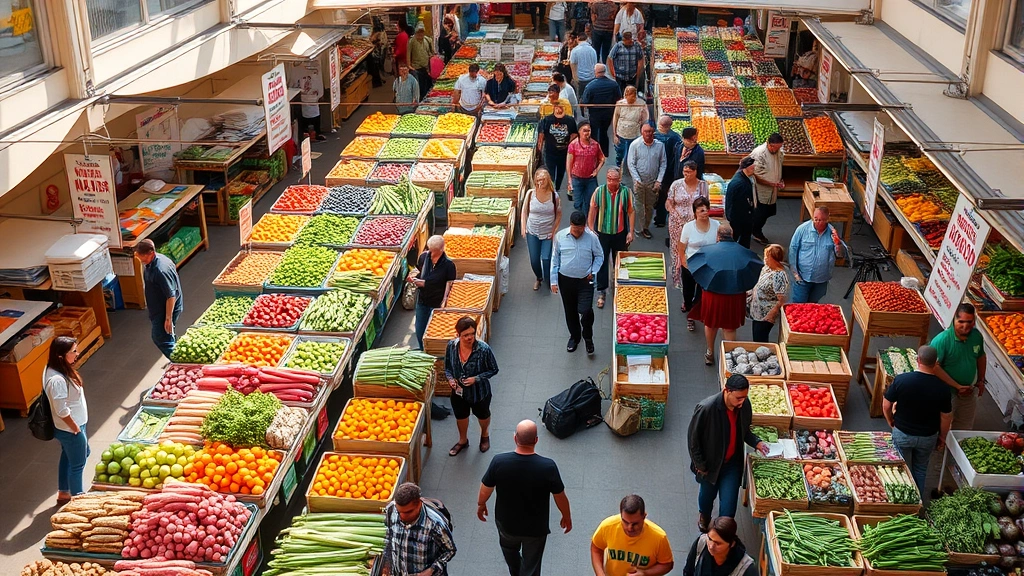
The Myrtle Beach Flea Market operates as an indoor-outdoor hybrid venue spanning approximately 140,000 square feet with over 800 vendor stalls. Unlike traditional retail environments, flea markets operate on a vendor-based model where independent sellers rent booth space, meaning pricing, product quality, and selection vary significantly across the marketplace. This decentralized structure creates both opportunities and challenges for shoppers.
The market’s layout typically divides into distinct zones: the main indoor pavilion housing climate-controlled vendor spaces, outdoor covered areas for seasonal merchandise, and dedicated sections for specific product categories. Understanding this geography proves essential because strategic navigation can reduce fatigue and increase your likelihood of discovering premium finds before other shoppers claim them. Peak shopping hours occur mid-morning on weekends and mid-afternoon on weekdays, with serious resellers and dealers arriving at opening time.
The vendor demographic includes professional antique dealers, liquidation specialists, part-time resellers, and small manufacturers clearing excess inventory. This diversity means you’ll encounter everything from professionally curated vintage collections to bulk merchandise from warehouse closeouts. Learning to distinguish between vendor types helps you allocate your shopping time more effectively.
According to the Small Business Administration, secondary markets like flea markets generate over $28 billion annually in the United States, with coastal markets like Myrtle Beach capturing significant portions of this activity due to tourism and seasonal population fluctuations. This economic significance reflects the market’s importance within regional commerce networks.
Top Categories & Best Finds at Myrtle Beach Flea Market
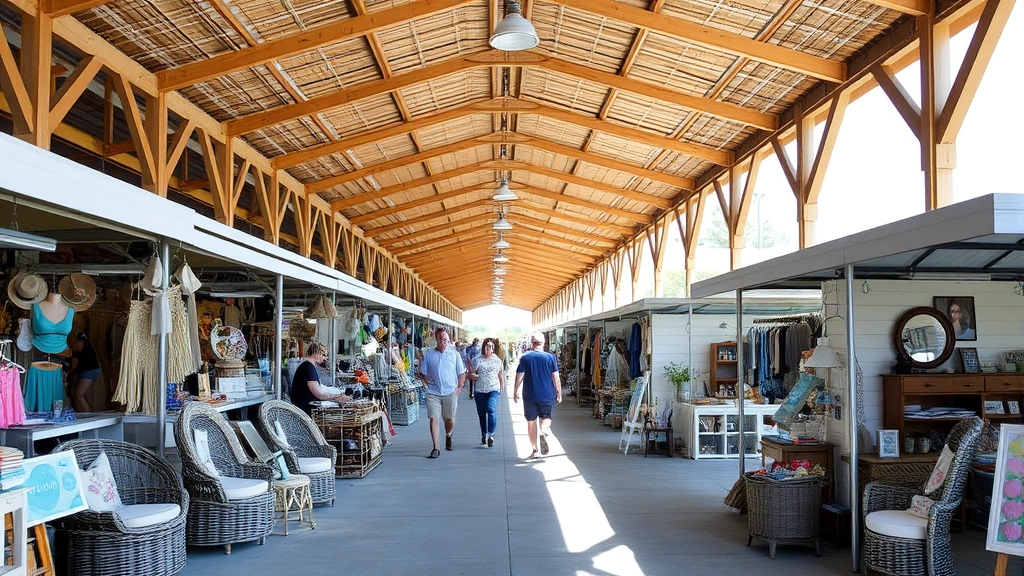
Furniture represents one of the most popular categories at Myrtle Beach Flea Market, particularly vintage and mid-century pieces that appeal to interior designers, vacation rental operators, and home decorators. The market’s location within a tourism-heavy region means vendors stock furniture specifically suited to coastal aesthetics—wicker, rattan, coastal farmhouse styles, and weathered wood pieces command consistent demand and represent solid value. Prices typically run 40-60% below retail for comparable pieces found in coastal furniture showrooms.
Collectibles and vintage items form another robust category, including vinyl records, action figures, sports memorabilia, and retro advertising signs. The flea market attracts serious collectors who understand market values, making this category increasingly competitive. However, less-popular collectible niches—such as vintage kitchen gadgets, old sewing supplies, or regional memorabilia—often feature excellent pricing because fewer buyers recognize their value.
Electronics and appliances constitute a significant portion of inventory, ranging from vintage audio equipment to contemporary surplus stock. Vendors sourcing from liquidation auctions and store clearances frequently offer items 50-70% below market rates, though buyers should inspect functionality carefully and inquire about return policies. This category demands the most vendor negotiation, as many prices remain flexible depending on bulk purchase opportunities.
Textiles, including vintage linens, quilts, and clothing, appeal to both decorators and fashion enthusiasts. Myrtle Beach’s appeal to tourists means vendors stock items with coastal and tropical themes, often at significant discounts compared to specialty boutiques. Implementing strategic sourcing approaches can help resellers identify undervalued textile items with strong online resale potential.
Books and paper items—including vintage paperbacks, rare editions, postcards, and ephemera—represent a niche category where knowledgeable buyers find exceptional values. Because many casual shoppers overlook books, patient dealers often discover first editions and collectible titles at remarkably low prices. Understanding current market trends helps identify which titles possess resale value.
Vendor Negotiation Strategies & Price Optimization
Negotiation represents a fundamental aspect of flea market culture, distinguishing it from traditional retail. However, successful negotiation requires understanding vendor psychology and market conditions. Most vendors expect negotiation, particularly on higher-priced items or bulk purchases, but initial offers should remain respectful—typically 10-20% below asking price represents a reasonable opening position.
Timing significantly impacts negotiation success. Late afternoon shopping, particularly on slower weekdays, creates conditions where vendors become more motivated to negotiate due to inventory carrying costs and desire to generate sales velocity. Conversely, weekend peak hours reduce vendor flexibility because they face consistent customer traffic.
Bundling purchases dramatically increases negotiation leverage. Proposing to purchase multiple items from a single vendor—rather than individual pieces—creates compelling economics for the vendor and justifies meaningful discounts. A vendor might resist a $5 reduction on a $50 item but readily offer 25-30% discounts when you’re purchasing $200+ in merchandise.
Cash payments traditionally provided negotiation advantages, though digital payment prevalence has reduced this advantage. However, offering cash still signals serious buying intent and transaction certainty, which some vendors value. Building rapport with vendors—showing genuine interest in their merchandise and asking informed questions—often yields better pricing than aggressive negotiation tactics.
Developing relationships with regular vendors creates long-term advantages. Vendors who recognize repeat customers often reserve premium finds, provide advance notice of new inventory, and offer preferential pricing. This relationship-building approach transforms the market from transactional to community-based shopping.
Seasonal Shopping Patterns & Inventory Cycles
Myrtle Beach’s tourism economy creates pronounced seasonal patterns affecting both vendor inventory and shopper demographics. Summer months (June-August) attract significant tourist traffic, resulting in higher prices and greater competition for premium items. However, summer also brings inventory clearance from winter accumulation, meaning vendors aggressively price older stock to create space.
Fall and spring shoulder seasons (September-October, April-May) represent optimal shopping windows. Vendor selection remains strong, tourist traffic decreases, creating less competition, and seasonal merchandise turnover creates fresh inventory. Prices during these periods typically run 10-15% lower than summer peaks.
Winter months (November-February) feature the lowest tourist traffic but attract serious collectors and resellers preparing for spring and summer online selling seasons. Holiday shopping periods (Thanksgiving, Christmas) create temporary demand spikes for decorative items and gifts. Post-holiday sales (January-February) generate exceptional opportunities as vendors clear holiday inventory at steep discounts.
Understanding these cycles allows strategic shopping timing. Resellers benefit from winter and early spring purchasing, accumulating inventory for summer online sales. Home decorators and casual shoppers find better values during shoulder seasons. Tourist shoppers should expect premium pricing during peak summer months.
Local Insights for Smart Shopping & Deal Recognition
Successful flea market shopping requires developing expertise in value recognition—understanding which items represent genuine bargains versus overpriced merchandise. This skill develops through research, market observation, and category specialization. Before visiting, research typical retail prices for items you seek, enabling immediate price comparison recognition.
Condition assessment proves critical, particularly for furniture, electronics, and collectibles. Inspect items thoroughly for structural damage, mechanical functionality, and cosmetic wear. Vendors generally don’t accept returns, making condition evaluation your sole protection. Request permission to test electronics, open drawers, and examine hidden areas before committing to purchases.
Building expertise in specific categories creates competitive advantages. Rather than shopping broadly, developing deep knowledge of particular niches—such as mid-century furniture, vinyl records, or vintage kitchen items—enables faster deal recognition and more confident negotiation. This specialization also facilitates resale success if you’re sourcing for online platforms.
Networking with other shoppers and vendors provides invaluable local insights. Experienced flea market participants share information about vendor reputations, upcoming inventory arrivals, and emerging categories. Many vendors maintain social media presence, announcing new stock and special pricing through Facebook or Instagram.
Connecting with local marketplace communities reveals seasonal opportunities and vendor patterns specific to Myrtle Beach’s unique economic conditions. Local resellers understand which vendors consistently offer professional-grade merchandise versus casual sellers, enabling more targeted shopping.
Reseller & Business Opportunities at Myrtle Beach Flea Market
Beyond casual shopping, the Myrtle Beach Flea Market represents a significant sourcing opportunity for online resellers, small business owners, and entrepreneurs. The market’s scale and vendor diversity create consistent inventory replenishment, supporting sustainable business models built on flea market sourcing and online resale.
Many professional resellers specialize in specific platforms—Amazon, eBay, Etsy, or Facebook Marketplace—sourcing inventory from flea markets at cost basis permitting healthy profit margins. Success requires understanding platform-specific demand, shipping logistics, and competitive pricing. Items with strong resale potential include vintage collectibles, branded goods, specialty tools, and unique home decor.
Wholesale and bulk purchasing opportunities exist for business owners operating vacation rental properties, small boutiques, or interior design services. Negotiating directly with vendors for quantity discounts enables cost-effective inventory sourcing. Many vendors maintain wholesale relationships with business customers, offering pricing structures unavailable to casual shoppers.
The market also serves as a testing ground for entrepreneurs evaluating product-market fit. Before investing in inventory, aspiring vendors can source merchandise, conduct limited sales, and gather customer feedback—essentially running low-risk market validation experiments. This approach aligns with startup marketing strategy principles emphasizing validation before scale.
Understanding current digital marketing trends enhances resale success, as most flea market sourcing ultimately connects to online channels. Social media marketing, marketplace optimization, and customer engagement strategies determine resale profitability regardless of sourcing venue.
Research from McKinsey & Company indicates secondary market commerce—including flea markets, consignment, and resale platforms—experiences 25-30% annual growth, significantly outpacing traditional retail. This trend validates the economic viability of market-based sourcing strategies for entrepreneurs and small business operators.
Practical Logistics & Shopping Preparation
Visiting the Myrtle Beach Flea Market requires strategic preparation to maximize efficiency and purchasing success. Arriving early, particularly on weekends, grants access to premium inventory before other shoppers claim items. Bring comfortable walking shoes, as the 140,000 square feet of space demands considerable navigation. Many serious shoppers arrive with rolling carts or wagons for transporting purchases.
Establish a budget before visiting, accounting for negotiation flexibility. Successful shopping typically involves discovering unexpected items at compelling prices, requiring budget reserves beyond planned purchases. Bring cash for negotiation leverage, though most vendors accept digital payments.
Document merchandise with photos if planning multiple visits or resale research. Photography enables price comparison research, condition documentation, and reference materials for future shopping expeditions. This practice proves particularly valuable for resellers tracking inventory opportunities and pricing trends.
Connect with vendor communities through social media and local networks. Many Myrtle Beach flea market vendors maintain Facebook pages or Instagram accounts, announcing new inventory, special sales, and vendor hours. Following these accounts provides advance notice of opportunities and builds relationships supporting better pricing.
Consider visiting during off-peak periods for more relaxed shopping and better vendor interaction. Weekday afternoons typically feature lighter crowds, enabling more thorough browsing and easier vendor engagement. This timing strategy particularly benefits resellers requiring extended evaluation periods for inventory decisions.
Market Trends & Future Opportunities
The secondary market sector, encompassing flea markets, continues evolving as consumer preferences shift toward sustainable shopping, vintage aesthetics, and value-conscious consumption. Industry data indicates growing consumer interest in secondhand goods, particularly among millennial and Gen Z demographics prioritizing sustainability and unique items unavailable through traditional retail.
Online integration increasingly influences flea market operations, with vendors leveraging social media, online marketplaces, and digital payment systems. This omnichannel approach enables vendors to reach customers beyond physical market visits, supporting expanded business models. Shoppers benefit from advance inventory visibility and vendor accessibility extending beyond market hours.
Experiential retail—where shopping encompasses community gathering, entertainment, and social interaction—represents an emerging trend strengthening flea market appeal. Myrtle Beach’s tourism context positions the market as both shopping destination and entertainment experience, differentiating it from purely transactional retail venues.
Sustainability consciousness increasingly drives consumer purchasing decisions, with flea markets positioned as environmentally responsible shopping alternatives to conventional retail. This positioning attracts value-conscious consumers motivated by both economic and environmental considerations. Understanding these consumer psychology trends enhances vendor success and shopping satisfaction.
The convergence of online commerce and physical markets creates hybrid retail ecosystems where flea markets function as inventory sources, customer acquisition channels, and community touchpoints. This evolution suggests sustained growth for well-positioned secondary markets like Myrtle Beach.
Frequently Asked Questions
What are the Myrtle Beach Flea Market hours and admission policies?
The market typically operates Thursday through Sunday, with extended summer hours during peak season. Admission is generally free, though specific hours vary seasonally. Checking the official market website or contacting vendors directly before visiting ensures accurate information, as operations occasionally adjust for special events or holidays.
Are returns or refunds possible at Myrtle Beach Flea Market?
Most vendors operate on final-sale policies, meaning returns and refunds are generally unavailable. This underscores the importance of thorough condition inspection before purchasing. Establishing vendor relationships and requesting written warranties or guarantees for significant purchases can provide limited protection.
What payment methods do vendors accept?
While cash traditionally dominates flea markets, most vendors now accept digital payments including credit cards, debit cards, and mobile payment systems like Venmo or PayPal. However, cash remains advantageous for negotiation leverage. Confirming payment preferences with individual vendors prevents transaction complications.
How can I find specific items at the market?
Arriving early and strategically navigating by category represents the most effective approach. Connecting with vendors through social media enables requests for specific items, with vendors often reserving merchandise for interested buyers. Visiting repeatedly builds vendor relationships yielding advance notice of relevant inventory.
What’s the best strategy for negotiating prices?
Successful negotiation balances respect for vendor economics with assertive deal-seeking. Begin with 10-20% discount requests on individual items, increasing to 25-30% for bulk purchases. Late afternoon shopping provides better negotiation conditions. Building rapport and demonstrating genuine interest outperforms aggressive tactics.
Can I source inventory for resale at the Myrtle Beach Flea Market?
Yes, many professional resellers source exclusively through flea markets. Success requires understanding platform-specific demand, competitive pricing, and logistics. Developing vendor relationships, specializing in specific categories, and leveraging online marketplace platforms effectively maximizes resale profitability from flea market sourcing.