Cologne Christmas Market Guide: Local Insights & Business Opportunities
The Cologne Christmas Market stands as one of Europe’s most significant seasonal retail events, attracting millions of visitors annually and generating substantial revenue for local merchants and vendors. This comprehensive guide explores the market dynamics, visitor behavior patterns, and commercial opportunities that make Cologne’s festive marketplace a benchmark for seasonal commerce throughout the continent. Understanding the operational mechanics and economic impact of this event provides valuable insights for retailers, e-commerce platforms, and business strategists seeking to capitalize on peak holiday shopping seasons.
Cologne’s Christmas markets represent far more than traditional holiday celebrations—they function as dynamic commercial ecosystems where consumer behavior, foot traffic patterns, and purchasing decisions align with broader retail trends. The 2024 season has demonstrated remarkable resilience in consumer spending despite economic uncertainties, with preliminary data suggesting year-over-year growth in both visitor attendance and average transaction values. For businesses analyzing seasonal commerce strategies, the Cologne market offers actionable data on holiday consumer preferences, pricing psychology, and omnichannel retail integration.

Market Overview and Historical Context
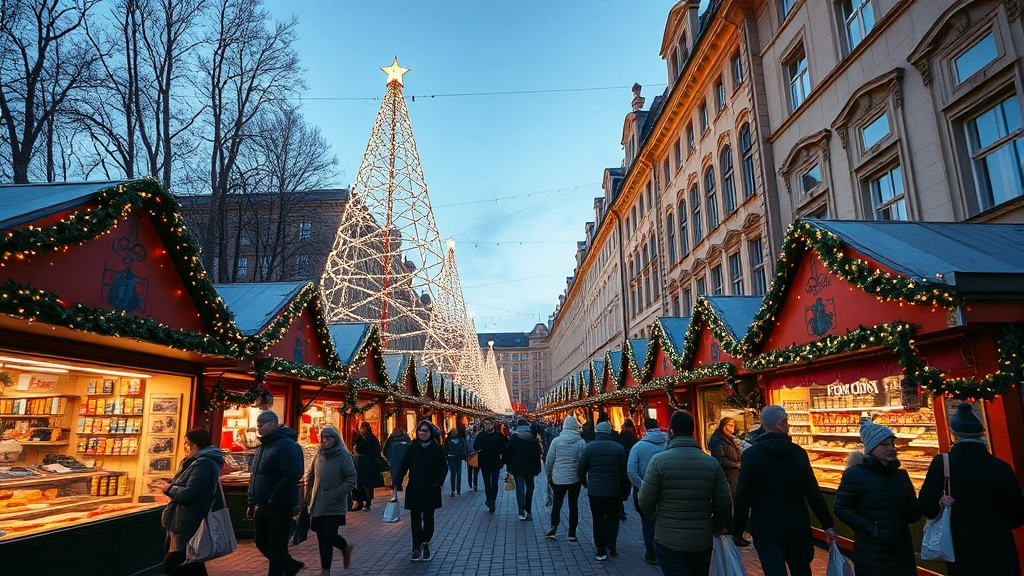
Cologne’s Christmas markets have evolved into a multi-location seasonal retail phenomenon spanning several distinct zones throughout the city center. The primary markets—including those at Cathedral Square (Domplatz), Neumarkt, and Hansaring—collectively represent one of the largest Christmas market clusters in Germany. Historical data indicates continuous expansion since the 1990s, with the 2023-2024 season featuring approximately 280+ vendor stalls distributed across multiple locations. This distributed model contrasts with concentrated single-location markets, creating distinct microeconomies within the broader marketplace ecosystem.
The institutional structure supporting Cologne’s markets demonstrates sophisticated event management capabilities. The City of Cologne, in partnership with Cologne Tourism, coordinates vendor selection, regulatory compliance, and infrastructure development. Vendor application processes have become increasingly competitive, with established merchants securing premium locations while new entrants compete for secondary positioning. This hierarchical allocation reflects market maturity and the commercial value associated with foot traffic concentration—a principle directly applicable to understanding retail location strategy as discussed in our Markets Near Me analysis.
The seasonal calendar for Cologne Christmas markets typically runs from mid-November through December 31st, creating an eight-week commercial window that represents approximately 15-20% of annual retail revenue for participating vendors. This concentration underscores the critical importance of pre-season planning, inventory optimization, and capital allocation strategies. Retailers utilizing Digital Marketing Trends 2025 methodologies are increasingly integrating physical market participation with digital promotion, creating hybrid retail experiences that extend reach beyond geographic limitations.
Visitor Demographics and Consumer Behavior
Consumer research indicates Cologne’s Christmas markets attract approximately 4-5 million total visits during the season, with peak attendance occurring in the final three weeks before Christmas. Demographic analysis reveals a balanced distribution across age groups, though visitors aged 25-54 represent approximately 65% of total traffic. International visitors comprise roughly 40% of attendees, reflecting Cologne’s position as a major European tourist destination, with particular concentration from neighboring countries (Netherlands, Belgium, France) and increasingly from Scandinavian regions.
Purchase behavior patterns demonstrate distinct segmentation based on visitor origin and timing. Local shoppers (Cologne residents and surrounding regions) exhibit higher basket values with focus on gifts and premium food items, while international tourists prioritize experiential consumption and distinctive local products. Data from Statista’s E-commerce Market Outlook indicates that seasonal markets now capture significant portions of holiday retail spending that previously concentrated exclusively in traditional retail environments. The average visitor transaction value at Cologne markets ranges from €25-€45 depending on product category and time of day, with evening hours (5-9 PM) generating disproportionately higher spending than daytime periods.
Behavioral economics principles significantly influence purchasing decisions within the market environment. The combination of sensory stimulation (aromatic food offerings, festive lighting, ambient music), time pressure (seasonal window), and social dynamics (group shopping) creates a high-conversion environment. Repeat visitor analysis indicates approximately 35% of total traffic comprises individuals who have attended previous seasons, suggesting strong brand loyalty and seasonal habituation. This loyalty metric proves critical for vendors planning multi-year participation strategies.
Payment methodology has undergone significant evolution, with digital payment adoption increasing from approximately 25% in 2019 to nearly 60% in 2024. This shift reflects broader consumer preferences documented in our Market Revolution research and aligns with omnichannel retail integration strategies. Vendors accepting contactless payments, mobile wallets, and cryptocurrency report higher transaction frequencies and larger average order values compared to cash-only counterparts.
Vendor Categories and Product Performance
The Cologne Christmas market ecosystem encompasses diverse vendor categories, each demonstrating distinct performance characteristics and margin profiles. Premium food and beverage vendors (representing approximately 35% of total stalls) generate the highest per-transaction revenues, with mulled wine (Glühwein), roasted almonds, and artisanal chocolates commanding premium pricing justified by production quality and local sourcing narratives. These vendors typically achieve daily revenues ranging from €800-€2,000 depending on location and weather conditions, with gross margins typically exceeding 60% due to high food cost controls and pricing power derived from experiential consumption contexts.
Handicraft and artisanal goods vendors (25% of market composition) represent a distinct segment with lower transaction frequency but significantly higher average order values. Handmade jewelry, wooden crafts, and locally-produced textiles appeal to gift-purchasing demographics willing to pay premium prices for perceived uniqueness and authentic production narratives. Revenue performance for this category demonstrates higher volatility, with peak days (December 15-23) generating €1,500-€3,000 while shoulder periods may produce only €300-€600 daily. The success of this category underscores the commercial value of authenticity narratives in retail—a principle explored extensively in our Why Marketing is Important for Business resource.
Novelty and seasonal merchandise vendors (20% of market share) occupy the price-sensitive segment with high transaction volume but lower margins. Christmas ornaments, festive decorations, and novelty items typically price between €5-€25, with vendors targeting volume-based revenue models. These stalls demonstrate consistent daily performance, less susceptible to weather disruptions, with typical daily revenues around €600-€1,200. The predictability of this category makes it attractive for first-time market participants and smaller vendors with limited capital reserves.
Beverage service vendors (15% of composition) provide essential infrastructure supporting extended visitor dwell times. Hot chocolate, coffee, and non-alcoholic beverages generate consistent revenue streams with exceptional margins (typically 70%+) due to minimal product costs. Strategic positioning near high-traffic intersection points proves critical for this category, making location negotiation a primary business focus.
Specialty and niche vendors (5% of market) occupy premium positioning with highly differentiated offerings. Gourmet food importers, luxury goods, and exclusive experiential services command elite customer segments willing to allocate significant budgets for distinctive holiday experiences. This category demonstrates lowest transaction frequency but highest per-transaction values, often exceeding €100 per customer interaction.
Logistics, Operations, and Infrastructure
The operational complexity underlying Cologne’s Christmas markets extends far beyond visible vendor activities. Infrastructure requirements include electrical systems supporting 280+ vendor stalls, water distribution networks, waste management protocols, security systems, and weather protection infrastructure. The city invests approximately €2-3 million annually in market setup, maintenance, and dismantling—a significant public expenditure justified by demonstrated economic impact and tourism revenue generation.
Vendor logistics present critical operational challenges. Market setup typically occurs over a 2-3 week period in November, requiring careful coordination of delivery schedules, booth construction, and utility connections. Peak season maintenance demands daily cleaning, waste management, and security monitoring. The transition to post-season dismantling requires rapid asset recovery and site restoration, typically completed within 2-3 weeks of market closure. Vendors managing multiple market locations across Germany and Central Europe must develop sophisticated logistics capabilities, including inventory management systems, delivery scheduling, and temporary storage arrangements.
Weather contingency planning represents a substantial operational concern. Cologne’s climate during market season includes regular precipitation and temperatures typically ranging from 0-8°C. Vendors must invest in weather protection infrastructure (canopies, heating systems, weatherproofing) that increases initial capital requirements but proves essential for operational continuity. Weather-related closures have become increasingly rare due to advanced infrastructure, though extreme conditions may reduce foot traffic by 30-50%.
Security and crowd management require sophisticated operational protocols. Peak-period visitor congestion necessitates clear pedestrian flow management, multiple entrance/exit points, and emergency response capabilities. Local law enforcement and private security personnel maintain constant presence, with particular focus during evening hours and peak shopping periods. The integration of CCTV systems and real-time crowd monitoring technology represents recent operational advancement enhancing both safety and vendor security.
Digital Integration and Omnichannel Strategy
Contemporary Christmas markets increasingly function as physical touchpoints within broader omnichannel retail ecosystems rather than isolated commercial events. Cologne market vendors increasingly maintain social media presence, e-commerce platforms, and digital marketing campaigns that drive foot traffic to physical locations while enabling post-visit online engagement. This integrated approach aligns with principles outlined in our Marketing Strategy for Startups guide, demonstrating that physical and digital retail channels function most effectively when strategically coordinated.
Mobile applications dedicated to Christmas market navigation and vendor discovery have emerged as significant traffic drivers. Real-time vendor inventory tracking, QR code-based product information, and in-app purchasing options create seamless customer experiences that bridge physical and digital retail. Progressive vendors implement location-based marketing through geofencing technology, enabling push notifications that target visitors within proximity ranges and drive conversion through time-sensitive promotional offers.
Social media engagement around Cologne markets demonstrates substantial reach. Instagram and TikTok content featuring market atmospherics, vendor interactions, and product showcases generates millions of impressions, with user-generated content proving particularly effective for authenticity-driven marketing. Hashtag campaigns (#CologneChristmasMarket variations) aggregate visitor experiences and create community narratives that reinforce seasonal brand associations. Vendors strategically leveraging social platforms report 20-35% increases in foot traffic compared to those relying exclusively on traditional promotion.
Post-market customer relationship management increasingly extends vendor engagement beyond the seasonal window. Email capture campaigns, loyalty program enrollment, and digital newsletter subscription enable year-round customer relationship development. Advanced vendors implement predictive analytics identifying high-value customer segments for targeted pre-season outreach, effectively extending their commercial influence beyond the physical market period.
Economic Impact and Revenue Analysis
The aggregate economic impact of Cologne’s Christmas markets extends substantially beyond direct vendor revenues. Municipal economic analysis indicates total seasonal market-related spending (including vendor revenues, tourism expenditures, hospitality services, and transportation) reaches approximately €150-180 million annually. This figure encompasses direct market transactions plus indirect spending by international visitors on accommodation, dining outside market contexts, and retail purchases in surrounding commercial districts.
Vendor revenue aggregation demonstrates significant variance by location, category, and individual business performance. Preliminary 2024 season analysis indicates average vendor revenues ranging from €35,000-€85,000 for the eight-week season depending on category and location. Premium locations at Cathedral Square command higher revenues (average €70,000-€85,000) while secondary locations generate €35,000-€50,000. These figures represent gross revenue; net profit margins typically range from 35-55% after accounting for location fees (typically 8-15% of gross revenue), product costs, and operational expenses.
Employment generation represents significant economic impact beyond direct vendor revenues. Temporary employment during market season reaches approximately 800-1,200 positions across vendor staff, security, maintenance, and hospitality services. This seasonal employment supports local communities and provides income diversification for workers throughout the region. Hospitality sector employment specifically increases 25-40% during peak market weeks as hotels, restaurants, and cafes expand operations to accommodate elevated visitor volumes.
Tourism revenue multiplier effects demonstrate substantial economic leverage. International visitors spending an average of €180-220 per visit across accommodation, dining, and retail create significant economic stimulus beyond market boundaries. Hotel occupancy rates in Cologne increase 35-50% during market season, with premium accommodations commanding premium pricing. Restaurant and café revenues similarly demonstrate seasonal peaks, with establishments near market locations reporting 40-60% revenue increases compared to baseline periods.
Marketing and Promotional Strategies
Effective market promotion requires integrated strategies operating at municipal, vendor collective, and individual business levels. The City of Cologne invests substantially in destination marketing, including advertising campaigns across German-language media, international tourism publications, and digital platforms. These efforts generate brand awareness and drive international visitor traffic, creating the foundational demand environment supporting individual vendor success.
Vendor collective marketing through merchant associations amplifies individual business capabilities. Group promotional campaigns, coordinated social media strategies, and cooperative advertising achieve greater reach than individual vendor efforts. These associations also coordinate vendor recruitment, establish quality standards, and manage vendor relationships with municipal authorities—functions providing significant value justifying collective membership fees.
Individual vendor marketing strategies demonstrate increasing sophistication and digital integration. Premium vendors implement multi-channel campaigns combining social media content, email marketing, influencer partnerships, and search engine marketing. Pre-season campaigns beginning in September establish market awareness among target demographics, while real-time campaigns during peak shopping periods emphasize urgency and conversion. Performance data indicates vendors investing 5-8% of projected seasonal revenue in marketing typically achieve 15-25% higher foot traffic compared to those undertaking minimal promotional activities.
Influencer partnerships represent emerging promotional channels demonstrating measurable effectiveness. Micro-influencers (10,000-100,000 followers) with authentic connections to holiday, lifestyle, and local communities generate high-engagement content that drives qualified visitor traffic. Influencer partnerships typically involve product provisions rather than cash compensation, creating cost-effective marketing arrangements particularly valuable for vendors with limited advertising budgets.
Press relations and media coverage generate substantial earned media value. Journalists and bloggers covering holiday markets create content reaching audiences far beyond paid advertising reach. Vendors positioning themselves as unique stories (artisanal production methods, family heritage, sustainable practices) attract media attention that translates to significant traffic and premium positioning within consumer consciousness.
Emerging Trends and Future Outlook
Sustainability considerations increasingly influence market operations and consumer purchasing decisions. Vendors emphasizing sustainable practices (minimal packaging, local sourcing, fair trade certification) report higher conversion rates among environmentally-conscious demographics. Municipal authorities increasingly mandate waste reduction protocols, recyclable material requirements, and energy-efficient operations. This sustainability shift aligns with broader consumer behavior trends documented in recent McKinsey retail insights, indicating consumer willingness to pay premiums for environmentally responsible products.
Experiential retail increasingly dominates market positioning strategies. Beyond transactional purchasing, vendors create immersive experiences including product demonstrations, educational workshops, and interactive installations. These experiential elements increase dwell time, enhance emotional engagement, and justify premium pricing through perceived value enhancement. Vendors offering hot chocolate preparation workshops, jewelry-making demonstrations, or craft classes report significantly higher customer lifetime value compared to traditional point-of-sale models.
Accessibility and inclusivity represent growing market focus areas. Wheelchair accessibility improvements, multilingual vendor support, and sensory-friendly shopping hours address previously underserved market segments. These inclusive practices expand addressable market size while generating positive brand associations and community goodwill.
Technology integration will continue accelerating. Augmented reality applications enabling virtual product visualization, blockchain-based authenticity verification for artisanal goods, and AI-powered personalization systems will reshape customer experiences. Early-adopting vendors implementing these technologies report competitive advantages in visitor engagement and premium positioning.
Climate adaptation measures increasingly influence market planning. Extended heating systems, improved weather protection infrastructure, and climate-resilient scheduling represent emerging operational imperatives. The integration of climate considerations into market planning demonstrates sophisticated risk management aligned with long-term sustainability objectives.
FAQ
What are the peak shopping periods at Cologne Christmas markets?
December 15-23 represents the primary peak period, with December 22-23 generating maximum foot traffic and spending. Secondary peaks occur on weekends throughout the season, particularly Saturdays. Evening hours (5-9 PM) consistently outperform daytime periods across all weeks, suggesting leisure shopping behavior patterns dominating the customer base.
How much does average vendor revenue reach during the season?
Average vendor revenues range from €35,000-€85,000 for the eight-week season depending on location, product category, and individual business performance. Premium Cathedral Square locations typically generate €70,000-€85,000 while secondary locations produce €35,000-€50,000. Premium food vendors often exceed these averages, while novelty merchandise vendors typically underperform average figures.
What payment methods should vendors accept?
Digital payment methods now dominate, with contactless cards and mobile wallets representing approximately 60% of transactions. Vendors should accept major credit cards, EC-cards (German standard debit), Apple Pay, Google Pay, and increasingly cryptocurrency options. Cash acceptance remains important for specific demographics but should not be the primary focus of payment infrastructure investments.
How far in advance should vendors apply for market participation?
Application deadlines typically occur in August-September for the following season, requiring 3-4 months advance planning. Established vendors secure locations earlier through renewal processes, while new vendors should initiate contact with market organizers in July to understand application requirements and selection criteria. Early planning enables inventory procurement and logistics arrangement.
What are typical vendor location fees?
Location fees range from €800-€2,500 for the eight-week season depending on positioning and size, typically representing 8-15% of gross vendor revenue. Premium locations command premium fees justified by higher foot traffic and conversion rates. Fees structure incentivizes vendors to maximize revenue through pricing optimization and operational efficiency rather than pure volume approaches.
How do weather conditions impact market operations?
Weather has minimal operational impact due to advanced infrastructure, though extreme conditions may reduce foot traffic 30-50%. Vendors must invest in weather protection (canopies, heating) estimated at €1,500-€4,000 depending on booth size. Snow and moderate precipitation typically increase visitor spending due to extended dwell times and impulse purchasing behavior, while extreme cold or rain creates traffic reductions.
Can vendors participate in multiple Cologne market locations?
Yes, many vendors operate in multiple locations simultaneously, though this requires expanded staff, inventory management, and operational complexity. Vendors successfully managing multiple locations report 40-60% higher total seasonal revenues compared to single-location operations. However, quality control and consistent brand presentation require sophisticated operational management.
What role does the City of Cologne play in market management?
The City of Cologne coordinates infrastructure development, vendor selection, regulatory compliance, and security operations. The city invests €2-3 million annually in market setup and maintenance, establishing quality standards and managing vendor relationships. This institutional support creates stable market environment enabling long-term vendor planning and business development.