Clermont Farmers Market: Local Vendor Spotlight and Economic Impact
The Clermont Farmers Market has become a cornerstone of the local community, serving as a vital hub where small-scale producers, artisans, and agricultural entrepreneurs connect directly with consumers. This vibrant marketplace represents more than just a weekend gathering—it embodies a growing movement toward sustainable commerce, local food systems, and community-driven economic development. Understanding the dynamics of the Clermont Farmers Market provides valuable insights into how regional vendors build brand loyalty, generate revenue, and contribute to their local economy.
For entrepreneurs and small business owners, the Clermont Farmers Market offers a compelling case study in direct-to-consumer sales, community engagement, and the power of authentic brand storytelling. As consumers increasingly seek transparency about product origins and vendor relationships, farmers markets have emerged as essential retail channels. This spotlight examines the vendors who have built thriving businesses through the Clermont Farmers Market, exploring their strategies, challenges, and the broader implications for local commerce and community resilience.
Understanding the Clermont Farmers Market Ecosystem
The Clermont Farmers Market operates within a complex ecosystem of supply chains, consumer preferences, and community dynamics that distinguish it from traditional retail environments. Unlike conventional grocery stores, farmers markets create direct relationships between producers and buyers, eliminating intermediaries and enabling vendors to capture significantly higher profit margins. This direct-to-consumer model has proven particularly effective for small-scale operations that lack the resources to navigate wholesale distribution channels or secure shelf space in major retailers.
The market typically operates on a weekly or bi-weekly schedule, with vendors occupying booth spaces that range from modest 10×10 foot stalls to larger 20×20 foot installations. Booth fees vary based on size and market location, but generally range from $25 to $75 per market day. For vendors, these relatively low barriers to entry compared to brick-and-mortar retail make farmers markets an attractive channel for testing new products, building customer bases, and establishing brand recognition within their local community.
Consumer demographics at the Clermont Farmers Market skew toward health-conscious shoppers, environmentally aware consumers, and individuals seeking authentic connections with food producers. Research from the USDA Agricultural Marketing Service indicates that farmers market shoppers typically spend 20-30% more per transaction than conventional grocery store customers, reflecting both product quality premiums and the experiential value of the market environment itself.
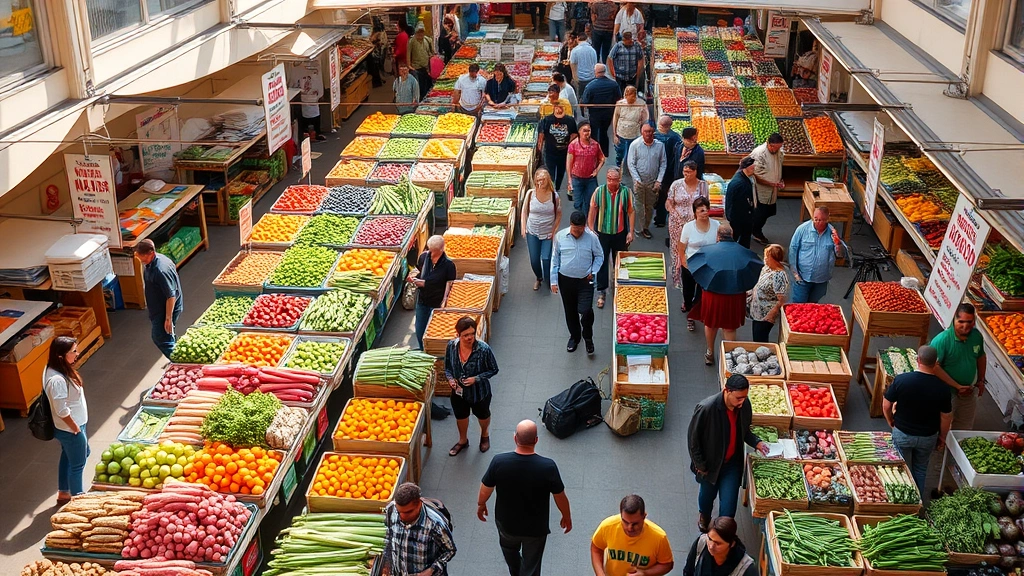
The physical layout and vendor mix of the Clermont Farmers Market create natural cross-promotion opportunities. Customers visiting for fresh produce often discover artisan goods, prepared foods, and value-added products they might not have encountered elsewhere. This merchandising dynamic encourages longer dwell times, increased spending, and repeat visits—critical metrics for vendor success and market sustainability.
Featured Vendor Profiles and Success Stories
Several vendors have built exceptional businesses through the Clermont Farmers Market, demonstrating diverse product categories and business models. These success stories reveal common patterns: commitment to quality, consistent market presence, strong customer relationships, and strategic use of digital marketing strategy examples to extend their reach beyond the physical market.
One standout vendor operates an organic produce operation spanning 15 acres of diversified crops. This vendor’s success stems from implementing a pre-order system through social media, allowing customers to reserve items before market day. By communicating harvest schedules and seasonal availability through consistent Facebook posts and email newsletters, they’ve built a loyal customer base that generates predictable revenue. Their approach demonstrates how marketing strategy for small businesses extends beyond the booth itself into digital channels.
Another featured vendor specializes in artisan cheese production, operating a small-scale creamery that processes locally-sourced milk. Their success illustrates the premium pricing power of specialty products with authentic stories. By educating customers about production methods, milk sourcing, and flavor profiles, they’ve positioned their products in the premium segment, achieving price points 40-50% above commodity alternatives.
A third vendor spotlight focuses on prepared foods—specifically, a family operation producing traditional ethnic cuisine using farmers market ingredients. This vendor has strategically positioned their booth to serve as a gathering point, offering samples and creating a memorable experience that drives both direct sales and word-of-mouth marketing. Their consistent presence and quality standards have generated a waiting list for catering services beyond the market itself.

Agricultural Products and Seasonal Offerings
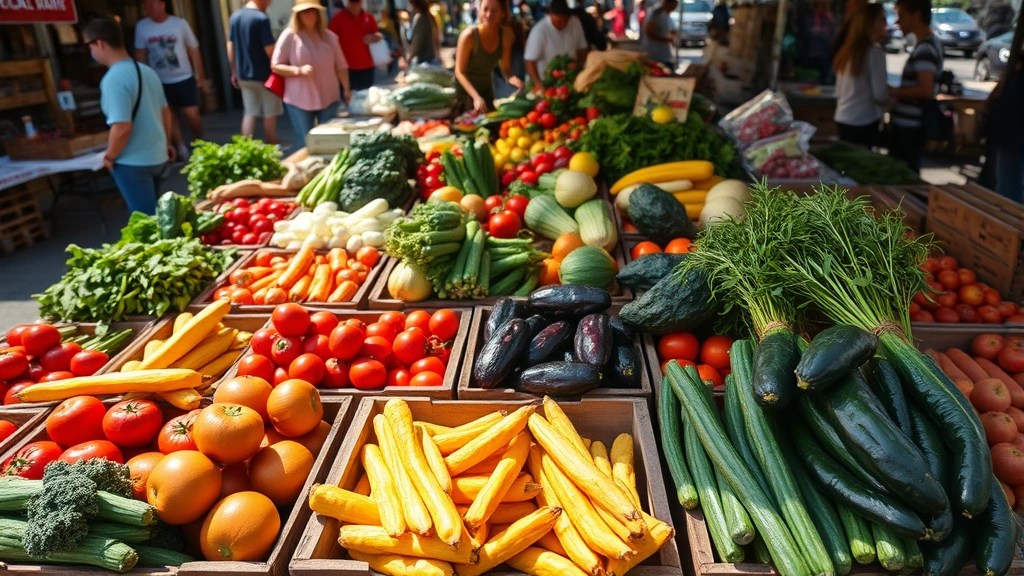
Fresh produce forms the foundation of most farmers markets, and the Clermont Farmers Market features seasonal produce that reflects the region’s growing conditions and climate patterns. Spring brings leafy greens, asparagus, and early berries. Summer peaks with tomatoes, peppers, stone fruits, and cucumbers. Fall offers root vegetables, winter squash, and apples. Winter presents a more limited selection, featuring storage crops and cold-hardy varieties, though some vendors employ season-extension techniques like hoop houses and high tunnels to maintain production year-round.
Pricing for farmers market produce typically ranges 10-30% above conventional grocery store prices, but this premium reflects several factors: superior freshness (often harvested within 24 hours of sale), superior flavor, organic or pesticide-minimized production methods, and the premium consumers place on direct relationships with producers. Understanding this pricing dynamic is essential for markets near me analysis and consumer expectations.
Beyond traditional vegetables, many Clermont Farmers Market vendors offer specialty crops including microgreens, edible flowers, medicinal herbs, and heirloom varieties that command premium prices due to their scarcity and distinctive characteristics. These specialty products often generate higher per-pound revenues than commodity items, making them attractive for vendors seeking to maximize booth profitability within limited space constraints.
Vendors also offer cut flowers, plants, and gardening supplies, extending the agricultural product category beyond consumables. These items serve an important merchandising function, creating visual appeal and attracting customers who might not purchase food but appreciate the aesthetic dimensions of the market environment.
Value-Added Products and Artisan Goods
Value-added products—items created by processing or transforming raw agricultural commodities—represent a significant revenue stream for many Clermont Farmers Market vendors. These products include jams, jellies, pickled vegetables, dried herbs, herbal teas, baked goods, honey, nuts, and prepared foods. Value-added products typically command 200-400% markups over raw material costs, making them particularly attractive for vendors seeking to maximize profitability.
Regulatory compliance presents both a challenge and an opportunity in the value-added product category. Most processed foods must be produced in licensed commercial kitchens rather than home kitchens, creating startup costs that serve as barriers to entry. However, this regulatory environment also protects established vendors from excessive new competition and signals quality assurance to consumers. Many vendors address these requirements through shared commercial kitchen arrangements, reducing per-unit overhead costs.
Artisan goods including handmade soaps, candles, ceramics, textiles, and crafts represent another significant category at farmers markets. While these products fall outside traditional agricultural classification, their presence creates visual diversity and attracts customers with different purchasing motivations. Many farmers markets maintain policies requiring vendors to produce items themselves, maintaining authenticity and preventing resale of mass-produced goods.
The success of value-added and artisan products demonstrates that farmers markets function as general merchandise destinations rather than purely agricultural venues. This broader positioning attracts diverse customer demographics and increases average transaction values. For vendors, it creates opportunities to leverage digital marketing trends 2025 to build brand awareness and customer loyalty beyond weekly market visits.
Marketing Strategies for Local Vendors
Successful vendors at the Clermont Farmers Market employ integrated marketing strategies that combine physical booth presence with digital channels. Social media represents the primary digital marketing tool, with vendors using Facebook, Instagram, and increasingly TikTok to showcase products, communicate harvest schedules, announce special offerings, and build community engagement.
Visual content plays a critical role in farmers market vendor marketing. High-quality photographs of products, behind-the-scenes production imagery, and customer testimonials create emotional connections that drive purchasing decisions. Vendors who invest in professional photography and consistent content calendars demonstrate significantly higher customer engagement and loyalty metrics compared to those using sporadic, low-quality posts.
Email marketing represents another effective channel, particularly for vendors offering pre-order systems or subscription boxes. By collecting customer email addresses and sending regular updates about seasonal availability, special offerings, and market schedules, vendors create direct communication channels that reduce dependence on social media algorithms. This approach aligns with broader Market Rise Hub Blog insights about building direct customer relationships.
Booth presentation and customer service represent critical non-digital marketing elements. Vendors who maintain attractive, well-organized booths with clear signage and informative product descriptions outperform those with cluttered or poorly presented spaces. Friendly, knowledgeable staff who can discuss product sourcing, preparation methods, and flavor profiles create memorable experiences that drive repeat visits and word-of-mouth recommendations.
Loyalty programs and customer relationship strategies extend vendor marketing beyond individual transactions. Some vendors offer punch cards rewarding repeat purchases, while others maintain customer lists for special event invitations or exclusive pre-order access. These relationship-building tactics create customer retention advantages that compound over time, building sustainable revenue bases that weather seasonal fluctuations and market competition.
Strategic pricing represents another marketing consideration. While farmers market customers generally accept premium pricing, egregiously high prices can alienate budget-conscious shoppers. Vendors who offer strategic value through bundle deals, volume discounts, or loyalty pricing create perceptions of fairness that enhance customer relationships and generate positive word-of-mouth.
Economic Impact and Community Benefits
The Clermont Farmers Market generates measurable economic impacts extending far beyond individual vendor revenues. Research from the USDA Farmers Market Managers Network indicates that farmers markets stimulate local economic development by keeping consumer dollars within communities rather than flowing to distant corporate entities. For every dollar spent at a farmers market, approximately $0.60 remains in the local economy through vendor supply chains, labor, and business operations.
Employment generation represents a significant community benefit. Individual vendor operations employ family members, seasonal workers, and support staff. Collectively, farmers markets create meaningful employment opportunities in agricultural production, food processing, and retail operations. For many rural communities, farmers markets provide critical income diversification opportunities that enhance agricultural viability and reduce farmer vulnerability to commodity price fluctuations.
Food security and nutrition outcomes improve in communities with active farmers markets. Access to fresh produce at reasonable prices, combined with vendor education about nutrition and preparation methods, contributes to healthier dietary patterns. Studies from the USDA Food and Nutrition Service demonstrate that farmers market shoppers consume significantly more fresh fruits and vegetables compared to conventional grocery shoppers, with corresponding health benefits.
Environmental sustainability represents another community benefit dimension. Farmers markets support local agricultural production models that often incorporate sustainable practices including crop rotation, integrated pest management, and reduced chemical inputs. By shortening supply chains and reducing transportation distances, farmers markets contribute to lower carbon footprints compared to conventional food systems dependent on long-distance trucking.
Community cohesion and social capital strengthen through farmers market activities. Markets function as gathering spaces where neighbors interact, local organizations promote programs, and community identity reinforces. For many communities, farmers markets have become cultural touchstones that define local character and quality of life.
Challenges and Opportunities for Growth
Despite their success, Clermont Farmers Market vendors face several structural challenges that limit growth and sustainability. Weather dependency represents a fundamental challenge—rainfall, frost, heat waves, and other climatic events create production variability and market attendance fluctuations. Vendors must develop production strategies that account for climate unpredictability while maintaining consistent product availability for customer expectations.
Seasonality creates revenue concentration challenges, with most vendors experiencing 60-70% of annual revenue during peak summer and fall months. This seasonality requires vendors to maintain financial reserves during low-revenue seasons or develop diversified income streams. Some vendors have addressed this through season-extension techniques, value-added product development, or expansion into winter farmers markets, but these strategies require additional capital investment and operational complexity.
Competition from e-commerce grocery services and conventional retailers presents ongoing pressure. As online grocery delivery services expand and conventional retailers improve produce quality and selection, farmers market vendors must articulate clear value propositions beyond simple price competition. Success increasingly depends on brand development, customer relationship cultivation, and experience differentiation.
Labor availability and cost constraints challenge vendor operations, particularly during peak harvest seasons. Agricultural labor shortages in many regions create wage pressures that compress margins on commodity products. Vendors must either accept lower margins, increase prices, or develop labor-saving production and processing systems.
Growth opportunities exist for vendors willing to invest in infrastructure and marketing. Digital expansion through e-commerce platforms, subscription services, and farm-to-table restaurant partnerships creates revenue channels beyond physical market presence. Some vendors have successfully developed online stores, farm visit experiences, and educational programming that builds customer relationships and generates additional revenue streams.
Collaborative vendor initiatives represent another growth avenue. Groups of complementary vendors can jointly market themselves, coordinate supply chains, and develop cooperative purchasing power for inputs. These collaborative approaches can address individual vendor limitations while maintaining the independence that attracts many farmers market participants.
The emergence of year-round indoor farmers markets, seasonal pop-up markets in alternative locations, and partnerships with institutions like schools and workplaces create venue diversification opportunities. Vendors who expand beyond traditional outdoor markets can increase revenue and reduce weather-related income volatility.
Understanding the Market Basket Careers landscape and broader retail employment trends helps vendors anticipate market changes and position themselves strategically. As the retail environment continues evolving, farmers market vendors who embrace digital tools, develop strong brands, and build authentic customer relationships will be best positioned for sustainable growth.
FAQ
What are typical booth fees at the Clermont Farmers Market?
Booth fees typically range from $25 to $75 per market day, depending on booth size and market location. Some markets offer discounted rates for seasonal vendors or multi-week commitments. Fees generally cover market operations, liability insurance, and marketing support.
What percentage of farmers market revenue comes from produce versus value-added products?
This varies significantly by vendor. Produce-focused vendors typically generate 70-80% of revenue from fresh items, while value-added product vendors may achieve 50-60% margins on processed goods despite lower transaction volumes. Successful vendors often balance both categories.
How can I start as a vendor at the Clermont Farmers Market?
Contact the market management to inquire about vendor application processes. Most markets require vendors to provide product samples, proof of business licensing, food permits for processed items, and liability insurance. Many markets maintain waiting lists during peak seasons.
What marketing strategies work best for farmers market vendors?
Integrated strategies combining social media presence, email marketing, attractive booth presentation, and strong customer service generate the best results. Vendors should focus on authentic storytelling, consistent communication, and building personal relationships with customers.
How do farmers market revenues compare to wholesale or retail channels?
Farmers market direct-to-consumer sales typically generate 30-50% higher per-unit revenues compared to wholesale channels, though with higher per-transaction operational costs. The economics vary based on product category, customer demographics, and vendor efficiency.
What food safety regulations apply to farmers market vendors?
Regulations vary by state and product category. Most states require processed foods to be produced in licensed commercial kitchens. Fresh produce generally has fewer restrictions but may require documentation of food safety practices. Vendors should consult state agriculture departments for specific requirements.