Bethlehem PA Christmas Market: Local Insights & Shopping Guide
The Bethlehem Christmas Market has become one of Pennsylvania’s most anticipated seasonal events, drawing thousands of visitors annually to the historic Moravian community in Lehigh Valley. This centuries-old tradition transforms downtown Bethlehem into a festive European-style marketplace, featuring handcrafted goods, local artisans, holiday decorations, and authentic seasonal cuisine. For both local shoppers and regional visitors, understanding the market’s layout, vendor offerings, and strategic shopping approaches can maximize your experience and support small businesses in the community.
Beyond being a shopping destination, the Bethlehem Christmas Market represents a significant economic event for local merchants and the broader Lehigh Valley region. The market generates substantial foot traffic for downtown businesses, creates seasonal employment opportunities, and strengthens the cultural identity of this historic town. Whether you’re a first-time visitor or a seasoned shopper, this comprehensive guide provides actionable insights into navigating the market, discovering unique vendors, and understanding the economic impact of holiday shopping in Bethlehem.
History and Significance of Bethlehem’s Christmas Market
Bethlehem’s Christmas traditions date back to the town’s founding in 1741 by Moravian settlers, who brought their rich cultural heritage and holiday celebrations to Pennsylvania. The Bethlehem Christmas Market evolved from these deep roots, becoming formalized as a major community event in recent decades. The market now operates as a cultural touchstone that honors the town’s European heritage while supporting contemporary local commerce.
The significance of this market extends beyond retail transactions. According to the National Retail Federation, holiday shopping events in small communities generate 20-30% of annual retail sales for participating merchants. For Bethlehem, the Christmas Market concentrates this seasonal spending into a defined period, creating economic momentum that extends into January and February. The event has become increasingly important as traditional downtown shopping districts face competition from e-commerce platforms and suburban malls.
The Moravian influence remains visible in every aspect of the market, from the traditional putz displays (Moravian nativity scenes) to the sale of authentic Moravian cookies and seasonal decorations. This cultural authenticity differentiates the Bethlehem Christmas Market from generic holiday shopping events, attracting visitors seeking genuine, locally-rooted experiences rather than mass-produced seasonal offerings.
Market Layout and Vendor Categories
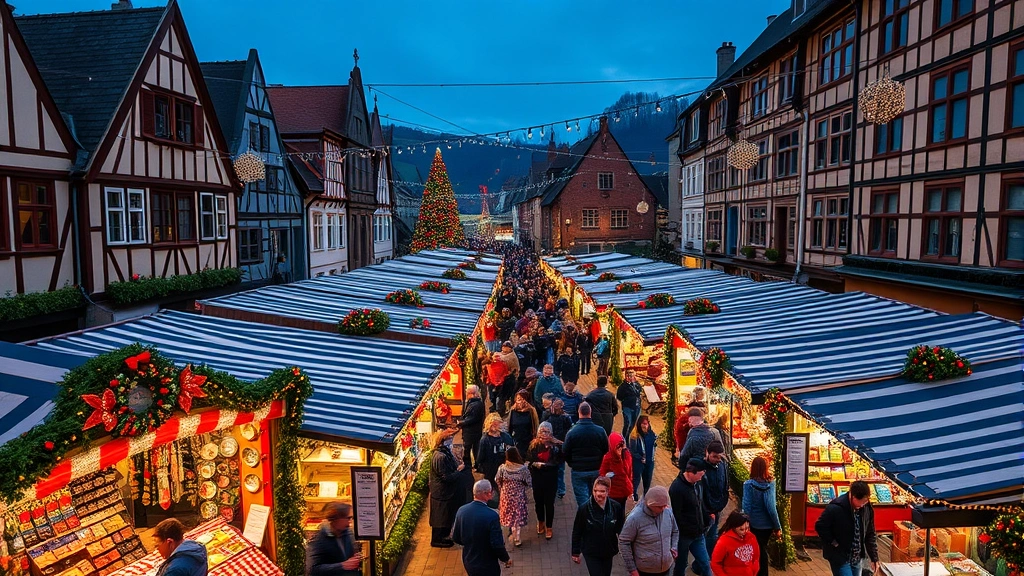
The Bethlehem Christmas Market typically spans several blocks in the historic downtown district, with vendors organized into distinct categories that cater to different shopping interests and budgets. The main market area centers around Main Street and adjacent blocks, creating a walkable shopping environment that encourages browsing and discovery. Understanding the market’s geographic layout helps visitors plan efficient routes and allocate shopping time strategically.
Vendor categories generally include: handcrafted decorations and ornaments, local food and beverage offerings, artisan jewelry and accessories, home décor items, seasonal clothing, gift items, and children’s products. Many vendors operate year-round at other locations but establish dedicated holiday booths at the Bethlehem market, leveraging the concentrated foot traffic to reach new customers. This temporary retail model mirrors successful markets near you, where seasonal pop-up vendors create dynamic shopping environments.
The market layout intentionally encourages visitors to explore the entire downtown district, not just the central marketplace. This dispersed vendor strategy benefits secondary businesses including restaurants, coffee shops, and retail stores surrounding the market perimeter. Visitors frequently spend 3-5 hours shopping and browsing, creating extended dwell time that generates additional spending across multiple establishments.
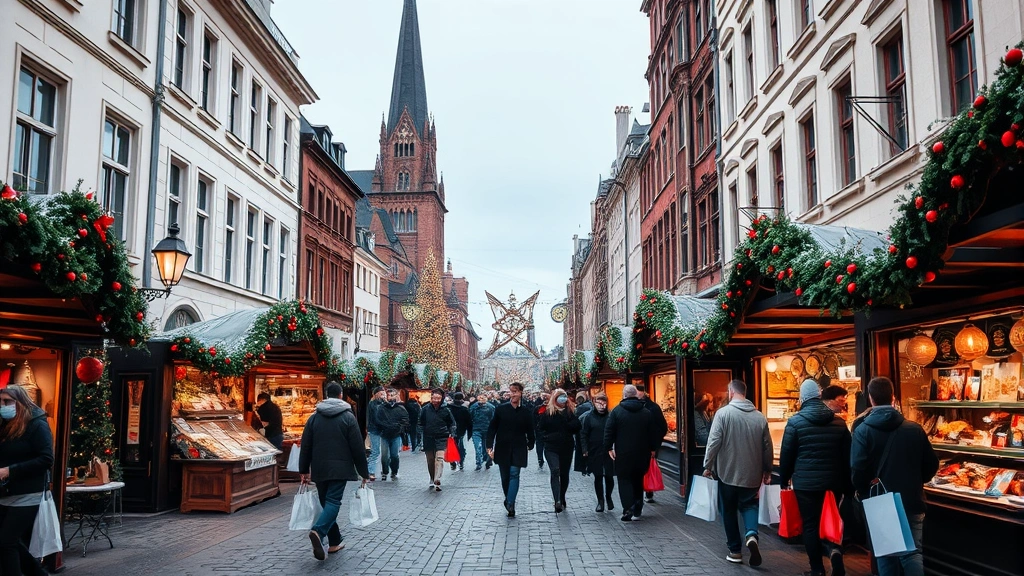
Seasonal decorations and themed displays throughout downtown create an immersive holiday atmosphere that enhances the shopping experience. This atmospheric investment by the community and merchants demonstrates commitment to customer experience beyond transactional retail, building emotional connections that drive repeat visits and word-of-mouth marketing.

Shopping Strategy and Timing
Strategic shopping at the Bethlehem Christmas Market requires understanding visitor patterns, weather conditions, and vendor availability throughout the season. Early November shopping allows access to full vendor inventory and less crowded conditions, though some vendors may not operate during early-season weekends. Mid-November through early December represents peak season, with maximum vendor participation but significantly higher foot traffic and longer browsing times.
Weekday visits, particularly Tuesday through Thursday afternoons, offer the optimal balance between vendor availability and manageable crowd levels. Weekend shopping, especially Saturdays, attracts regional visitors and creates congested conditions that can frustrate serious shoppers. However, weekend evenings often feature special events, live entertainment, and extended vendor hours that enhance the overall experience despite increased crowds.
Weather significantly impacts the shopping experience in Pennsylvania’s December climate. Visitors should prepare for temperatures typically ranging from 30-45°F, with potential for rain or snow. Covered or indoor vendor spaces provide weather protection, making these areas attractive during inclement conditions. Experienced shoppers arrive with weather-appropriate clothing and plan their route to balance covered and outdoor shopping areas.
Developing a marketing plan for your shopping approach—identifying priority vendors, establishing budget allocations, and planning route efficiency—maximizes satisfaction and prevents impulse overspending. Many successful shoppers create lists categorized by recipient and budget, then identify specific vendors addressing each category before visiting.
Local Artisans and Unique Offerings
The Bethlehem Christmas Market distinguishes itself through authentic local artisan participation rather than mass-produced merchandise. Local woodworkers, ceramic artists, jewelry designers, and craft producers showcase handmade items that reflect individual artistic vision and regional cultural heritage. These artisans often provide custom ordering, personalization services, and limited-edition pieces unavailable through conventional retail channels.
Handcrafted ornaments represent a major product category, with local artisans creating designs inspired by Bethlehem’s architectural heritage, natural landscape, and cultural traditions. Prices for artisan ornaments typically range from $15-60, positioning them as premium gift items that appeal to customers seeking meaningful, locally-produced alternatives to mass-manufactured decorations. The personal stories behind each artisan’s work create emotional value that transcends functional utility.
Food vendors offer authentic Moravian specialties including traditional cookies (butter and sugar varieties), seasonal candies, and prepared foods reflecting Central European culinary traditions. These food offerings generate significant repeat customer loyalty, with many visitors returning specifically to purchase favorite vendors’ products. Food sales represent 25-35% of total market transactions, according to American Express business research, indicating strong consumer interest in experiential food shopping.
Local jewelry artisans showcase designs incorporating regional materials, cultural symbols, and contemporary aesthetic sensibilities. These pieces appeal to gift-givers seeking distinctive items with personal significance and local connection. Many jewelry vendors offer custom design services, allowing customers to commission pieces that incorporate specific preferences or family heritage elements.
Home décor vendors present seasonal items ranging from traditional Moravian-inspired decorations to contemporary holiday design. This category appeals to customers investing in long-term decorative purchases rather than single-season items, with price points reflecting quality construction and artistic merit. Vendors in this category often provide design consultation, helping customers envision how products integrate with existing home décor schemes.
Economic Impact on Small Businesses
The Bethlehem Christmas Market generates substantial economic impact for participating vendors and the broader Lehigh Valley business community. Research indicates that seasonal markets in comparable Pennsylvania communities generate 15-25% of annual vendor revenue during the November-December period. For some specialty artisans, the Bethlehem market represents 30-40% of their annual sales, making seasonal market participation financially critical.
Beyond direct vendor sales, the market drives significant spillover spending at surrounding businesses. Restaurants, coffee shops, retail stores, and service businesses (parking, transportation) benefit from increased customer traffic during market season. This multiplier effect means the market’s economic impact exceeds direct transaction values, stimulating broader economic activity throughout downtown Bethlehem.
The market creates seasonal employment opportunities for local residents, including vendor staff, setup and logistics workers, security personnel, and event management professionals. These temporary positions provide income during economically important periods and create professional development opportunities for workers entering retail and event management fields. For many communities, seasonal event employment represents meaningful economic stimulus during otherwise slower business periods.
Supporting the Bethlehem Christmas Market through local shopping strengthens the economic resilience of small businesses facing ongoing competition from e-commerce platforms and consolidated retail chains. When customers choose local artisans and vendors, they invest directly in business sustainability, community employment, and local economic independence. This marketing strategy for small businesses emphasizes community connection as a competitive advantage.
Vendor participation requires significant investment in booth setup, inventory acquisition, staffing, and marketing. Many vendors operate at financial risk during early-season periods, depending on strong mid-to-late-season sales to achieve profitability. Understanding this financial dynamic helps customers appreciate the value exchange inherent in local shopping and recognize how purchasing decisions directly impact vendor sustainability.
Visitor Experience and Logistics
Planning a successful Bethlehem Christmas Market visit requires attention to practical logistics including parking, accessibility, duration allocation, and crowd management strategies. Downtown parking becomes increasingly constrained during peak market season, with many lots reaching capacity by midday on weekends. Visitors should arrive early, consider alternative transportation (public transit, rideshare services), or plan visits during less crowded periods to minimize parking frustration.
Accessibility considerations affect visitor experience significantly. The historic downtown district features uneven sidewalks, limited wheelchair-accessible vendor spaces, and challenging terrain for visitors with mobility limitations. However, many vendors provide accommodations including accessible booth positioning, seating areas, and staff assistance. Contacting the market organizers before visiting allows visitors with specific accessibility needs to plan appropriate routes and identify accommodating vendors.
The average visitor spends 2-4 hours at the market, depending on shopping intensity, crowd conditions, and entertainment engagement. This extended dwell time requires appropriate planning for meals, restroom access, and weather protection. Identifying restaurants and food vendors in advance helps visitors allocate time efficiently and avoid last-minute searching during peak hunger periods.
Many visitors enhance their experience by attending special events including live music performances, holiday concerts, tree lighting ceremonies, and family activities. These programmed events create memorable experiences that extend beyond transactional shopping, building emotional connections to the market and downtown Bethlehem. Event scheduling information should be reviewed before visiting to align personal preferences with available programming.
For families with young children, the market offers special attractions including children’s activities, seasonal entertainment, and family-friendly food options. However, crowded conditions and extended shopping duration can challenge young visitors. Planning shorter visits, attending less-crowded periods, and prioritizing child-friendly vendor areas helps families enjoy the experience without excessive stress or fatigue.
Digital Marketing Opportunities for Vendors
Modern vendors at the Bethlehem Christmas Market leverage digital marketing strategies to extend market reach beyond physical attendance and build customer relationships that persist after the seasonal event concludes. Social media platforms including Instagram, Facebook, and TikTok allow vendors to showcase products, announce market locations, and engage potential customers throughout the season.
Effective vendor digital marketing trends 2025 emphasize authentic storytelling, behind-the-scenes content, and customer testimonials that build credibility and emotional connection. Vendors photographing their creative process, sharing artisan stories, and featuring customer experiences generate engagement that drives market visits and encourages online purchases. This content strategy positions seasonal market participation within broader year-round business development.
Email marketing enables vendors to maintain customer relationships between seasonal events, announcing new products, offering exclusive promotions, and inviting customers to future markets. Building email lists during market interactions creates valuable customer contact channels that reduce dependency on social media algorithm changes and platform policy shifts.
Online sales channels including e-commerce websites and marketplace platforms (Etsy, Amazon Handmade) allow vendors to extend market reach beyond geographic limitations. Customers who discover vendors at the Bethlehem market can continue purchasing throughout the year, transforming seasonal relationships into sustained business relationships. This omnichannel approach maximizes the market’s value as a customer acquisition channel.
Collaborative marketing initiatives where multiple vendors cross-promote each other amplify individual marketing reach and strengthen the overall market brand. Vendor associations or informal networks can coordinate hashtag campaigns, shared content calendars, and mutual social media promotion that benefits all participants and attracts broader customer attention.
The Market Rise Hub Blog provides additional resources on retail strategy, customer engagement, and seasonal business optimization relevant to Christmas market vendors seeking to maximize their participation impact.
FAQ
When does the Bethlehem Christmas Market operate?
The Bethlehem Christmas Market typically operates from early November through late December, with peak season occurring from mid-November through mid-December. Specific dates vary annually, with most vendors participating Thursday through Sunday. Visiting the official event website or contacting the Bethlehem Chamber of Commerce provides current scheduling information and special event dates.
What types of products are available at the market?
Vendors offer diverse product categories including handcrafted ornaments and decorations, Moravian cookies and seasonal foods, artisan jewelry, home décor items, clothing, gift products, and children’s items. Product quality and pricing reflect individual vendor positioning, with artisan items generally commanding premium prices reflecting craftsmanship and uniqueness.
Is parking available at the Bethlehem Christmas Market?
Downtown Bethlehem provides multiple parking lots and street parking, though availability becomes limited during peak market season. Arriving early, visiting during weekday periods, or utilizing alternative transportation (public transit, rideshare) helps manage parking challenges. Some vendors provide parking validation or partnership agreements with nearby lots.
Are credit cards accepted by all vendors?
Most vendors accept credit cards, but some smaller artisans may operate cash-only businesses. Visitors should carry cash as backup and confirm payment methods with vendors before committing to purchases. Mobile payment platforms (Apple Pay, Google Pay) have gained acceptance but aren’t universally available.
Can I order custom items from vendors?
Many artisans, particularly jewelry designers, woodworkers, and specialty crafts vendors, accept custom orders for items created after the market season. Discussing custom work directly with vendors during market visits allows customers to commission personalized pieces reflecting specific preferences or requirements. Custom work typically requires payment deposits and extended delivery timelines.
What should I know about visiting with children?
The market offers family-friendly activities, though crowded conditions and extended shopping duration can challenge young children. Plan shorter visits, identify child-friendly vendor areas in advance, and attend less-crowded weekday periods when possible. Many vendors provide interactive experiences or demonstrations that engage children while adults shop.
How do I support vendors year-round?
Following vendors on social media, subscribing to email lists, and making online purchases throughout the year extends support beyond seasonal market participation. Many vendors operate websites, maintain Etsy shops, or participate in other seasonal markets year-round. Requesting custom orders and providing referrals to friends strengthens vendor businesses and ensures continued market participation.