Beverly Hills Farmers Market: A Local’s Comprehensive Review and Shopping Guide
The Beverly Hills Farmers Market has established itself as a premier destination for fresh, locally-sourced produce and artisanal goods in one of Los Angeles’s most affluent neighborhoods. Operating since 1992, this weekly market has become more than just a shopping venue—it’s a community gathering space where residents, chefs, and food enthusiasts converge to access high-quality ingredients while supporting local farmers and producers. This comprehensive review explores what makes this market stand out, examines vendor quality, pricing structures, and provides actionable insights for both first-time visitors and regular shoppers.
Whether you’re a health-conscious consumer seeking organic vegetables, a chef sourcing specialty ingredients, or someone interested in understanding how local markets near you operate as economic engines, the Beverly Hills Farmers Market offers valuable lessons in community commerce and sustainable food systems. The market’s success reflects broader trends in consumer behavior, with shoppers increasingly prioritizing quality, sustainability, and direct producer relationships over convenience and mass-market pricing.
Location, Hours & Access
The Beverly Hills Farmers Market is located at the corner of Civic Center Drive and Santa Monica Boulevard, positioned directly across from the Beverly Hills City Hall. This strategic location makes it highly accessible, with ample parking available in nearby municipal lots and on surrounding streets. The market operates year-round on Saturday mornings from 8:00 AM to 1:00 PM, a schedule that accommodates both early-morning shoppers seeking premium selections and those preferring mid-morning visits.
Accessibility is a key consideration for market operators and visitors alike. The venue’s proximity to public transportation, including Metro bus lines, makes it accessible for those without personal vehicles. The flat, paved surface of the Civic Center area accommodates wheelchairs and strollers, though peak hours (9:00 AM to 11:00 AM) can create crowding challenges. Parking availability varies seasonally, with summer months presenting greater competition for spaces as tourist traffic increases throughout Beverly Hills.
The market’s location in an upscale neighborhood influences both vendor composition and customer demographics. Unlike markets in less affluent areas that may emphasize budget-friendly options, the Beverly Hills market caters to customers with higher disposable income and willingness to pay premium prices for superior quality and specialty items.
Vendor Quality & Product Selection
The Beverly Hills Farmers Market hosts approximately 60-80 vendors during peak season, though this number fluctuates based on seasonal availability and vendor participation. Unlike some farmers markets that exclusively feature local producers, this market includes a curated mix of certified farmers, artisanal producers, prepared food vendors, and specialty retailers. This diversity provides comprehensive shopping capabilities but requires careful vendor evaluation to distinguish between true local farmers and wholesale resellers.
Certified farmers represent the market’s core vendors, with producers coming from within a 100-mile radius of Los Angeles County. Notable agricultural vendors include organic fruit and vegetable producers, citrus specialists, berry growers, and specialty crop cultivators. Quality indicators typically include visible farm names, CDFA certification numbers, and vendors who can discuss their growing practices. The most established vendors maintain consistent booth locations and develop loyal customer relationships, often reserving premium items for regular shoppers.
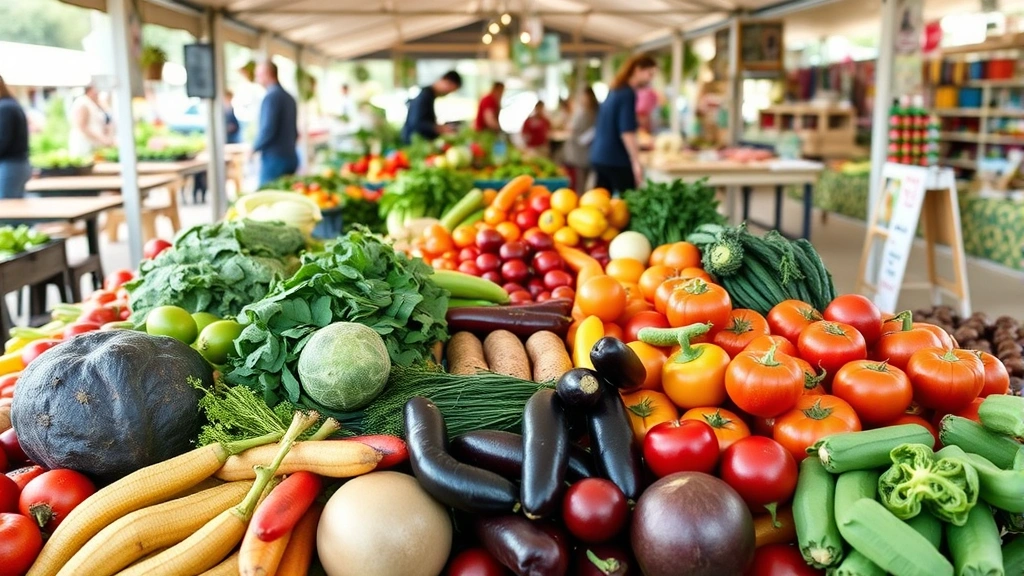
Produce quality at the Beverly Hills market consistently exceeds supermarket standards. Fruits and vegetables are typically harvested within 24-48 hours of sale, preserving nutritional content and flavor profiles that commercial distribution chains cannot match. Seasonal availability is pronounced—spring brings asparagus and artichokes, summer features stone fruits and berries, fall offers apples and stone fruits, and winter provides citrus, root vegetables, and leafy greens. Understanding seasonal market trends helps shoppers maximize value and quality.
Artisanal producers represent a significant market segment, offering prepared foods, baked goods, honey, jam, olive oil, and specialty products. These vendors typically operate small-batch operations with premium ingredients and traditional production methods. While prices reflect artisanal quality and limited production volumes, the products often justify premiums through superior taste and freshness compared to mass-produced alternatives.
Pricing Structure & Value Analysis
Pricing at the Beverly Hills Farmers Market reflects multiple factors: premium neighborhood location, high vendor costs, superior product quality, and target customer demographics with higher purchasing power. A comparative analysis reveals that prices typically run 20-40% higher than conventional supermarkets but often undercut specialty retailers and organic-focused chains for equivalent quality.
Produce pricing examples (based on typical Saturday visits):
- Organic leafy greens: $3-5 per bunch (versus $2-3 at conventional markets)
- Stone fruits (peaches, plums): $2-3 per pound (peak season pricing)
- Berries: $5-8 per pint (premium quality, minimal damage)
- Heirloom tomatoes: $4-6 per pound (seasonal availability)
- Specialty items (microgreens, edible flowers): $6-12 per package
Value assessment requires understanding the premium-quality paradigm. Produce purchased at this market typically yields 15-25% less waste than supermarket alternatives due to superior freshness. A bunch of organic greens lasting an extra 3-4 days represents tangible value advantage. For consumers implementing strategic purchasing approaches, shopping farmers markets can reduce overall food costs despite higher per-unit pricing.
Prepared foods and artisanal products command premium pricing justified by quality, freshness, and ingredient sourcing. A prepared salad or sandwich ($12-15) may cost 50-100% more than chain alternatives but includes superior ingredients and immediate consumption value. Honey, jam, and specialty oils ($8-18 per jar) represent investment purchases with extended utility and gift-giving potential.
Seasonal pricing fluctuations significantly impact value. Early-season items (spring asparagus, summer berries) command premium prices due to limited supply. Mid-season purchases (July stone fruits, August tomatoes) offer optimal value with peak supply and quality. Late-season items (fall apples, winter citrus) provide consistent value as supply stabilizes.
” alt=”Fresh organic produce display at farmers market with colorful vegetables and fruits arranged on vendor tables, customers browsing in background, natural daylight, vibrant colors”>
The Shopping Experience
The Beverly Hills Farmers Market provides a distinctive shopping experience that extends beyond transactional purchasing. The market atmosphere combines upscale retail sensibilities with farmers market authenticity, creating an environment where shopping becomes a leisure activity rather than utilitarian errand.
Vendor interaction represents a significant differentiator. Most farmers personally staff their booths and readily discuss growing practices, seasonal variations, ripeness indicators, and recipe suggestions. This direct producer-consumer relationship provides educational value and builds community connections absent in conventional retail environments. Regular shoppers often develop personal relationships with favorite vendors, receiving reserved items and exclusive recommendations.
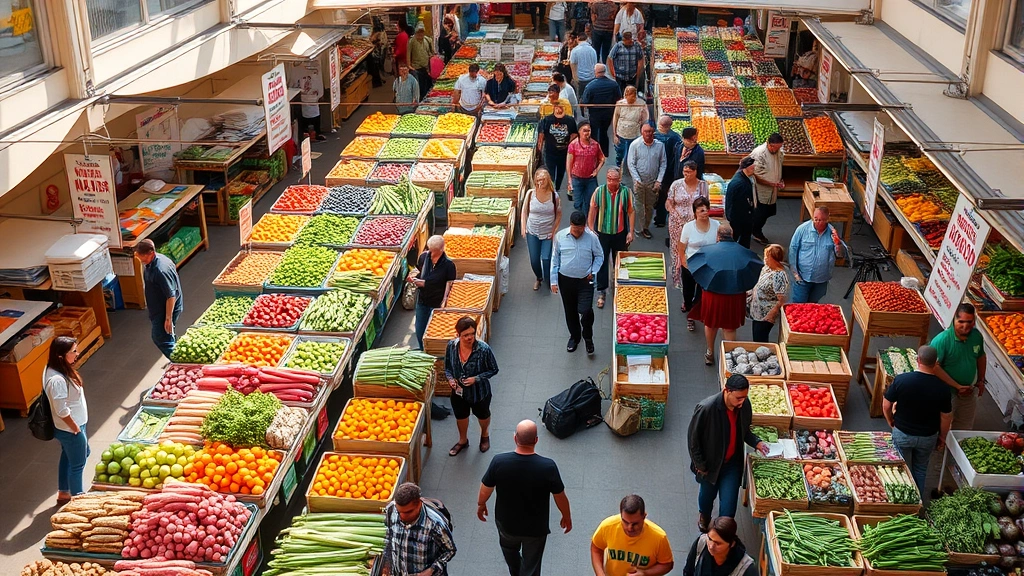
The market’s physical layout facilitates efficient shopping. Vendors arrange booths in logical clusters—produce sections, prepared foods, specialty items—allowing shoppers to navigate systematically. Peak hours (9:00-11:00 AM) create congestion, particularly near popular vendors, while arriving by 8:30 AM or after 11:30 AM provides more relaxed browsing opportunities.
Amenities enhance the overall experience. The market includes prepared food vendors, coffee stands, and seating areas where shoppers can enjoy breakfast or beverages. Many visitors treat the market as a social destination, arriving early for coffee, browsing leisurely, and socializing with friends and neighbors. This community aspect differentiates farmers markets from anonymous supermarket shopping.
Payment methods have modernized significantly. While cash remains common, most vendors now accept credit cards, mobile payment systems, and SNAP/EBT benefits. This accessibility removes barriers for customers without cash and improves overall market functionality.
Seasonal Highlights & Specialties
Understanding seasonal availability maximizes both quality and value at the Beverly Hills market. Each season presents distinct product availability and vendor participation patterns.
Spring (March-May): Spring vegetables dominate—asparagus, artichokes, spring peas, radishes, and tender lettuce varieties. Strawberries begin appearing in late April. Herb vendors offer fresh culinary and medicinal varieties. Spring represents prime shopping season for vegetable-forward diets.
Summer (June-August): Peak season with maximum vendor participation and variety. Stone fruits (peaches, plums, nectarines) reach quality zenith. Berries achieve peak ripeness and flavor. Tomato varieties proliferate with heirloom options commanding attention. Sweet corn, zucchini, and summer squash offer abundant supply. Prepared food vendors expand offerings with seasonal ingredients.
Fall (September-November): Apples, pears, and stone fruits continue through early fall. Late-season tomatoes and peppers provide final summer harvests. Root vegetables (carrots, beets, turnips) increase in availability. Specialty items like pomegranates appear. Market begins transitioning toward cooler-season produce.
Winter (December-February): Citrus varieties dominate—oranges, lemons, grapefruits, tangerines. Root vegetables, leafy greens, and brassicas (broccoli, cauliflower, cabbage) provide winter nutrition. Specialty winter squash varieties offer storage-stable options. Prepared foods shift toward heartier options. Vendor participation decreases slightly as production focuses on cold-hardy crops.
Community Impact & Local Economy
The Beverly Hills Farmers Market generates substantial economic impact extending far beyond transaction values. As a USDA-recognized farmers market, it contributes to broader agricultural sustainability and local food system development.
Economic impact analysis reveals significant benefits:
- Direct farmer income: Farmers typically retain 80-90% of retail prices, compared to 15-20% through wholesale channels. Weekly market participation provides reliable income streams supporting farm viability.
- Employment generation: Market operations employ dozens of staff, security personnel, and administrative workers. Vendor businesses employ farm workers, production staff, and delivery personnel.
- Secondary economic activity: Market visitors spend additional dollars at nearby retailers, restaurants, and services. Market-day foot traffic benefits surrounding commercial establishments.
- Property value effects: Regular farmers markets correlate with neighborhood desirability and property values, creating positive externalities for surrounding communities.
- Food system resilience: Local food systems reduce supply chain vulnerability and support regional agricultural preservation against development pressures.
Consumer behavior research indicates that farmers market shoppers typically demonstrate higher environmental consciousness and willingness to pay premiums for sustainability. Understanding these modern consumer behavior patterns reveals why premium farmers markets thrive in affluent communities.
The Beverly Hills market also serves educational functions, hosting cooking demonstrations, nutrition workshops, and agricultural information sessions. These community programs build market loyalty and educate consumers about food sourcing, seasonal eating, and sustainable agriculture.
Tips for Maximum Value
Experienced shoppers employ strategic approaches to optimize farmers market purchases:
- Arrive early: First arrivals (8:00-8:30 AM) access peak selection and can discuss availability directly with farmers before crowds develop.
- Bring cash: Many vendors offer small discounts for cash transactions, avoiding payment processing fees they pass to customers.
- Shop seasonally: Purchasing in-season produce maximizes quality and minimizes pricing premiums. Understand market trend analysis to anticipate seasonal transitions.
- Develop vendor relationships: Regular interactions with favorite vendors often result in reserved items, exclusive recommendations, and occasional pricing considerations.
- Negotiate bulk purchases: Vendors often discount bulk purchases, particularly near market closing when remaining inventory becomes liability.
- Plan meals around availability: Rather than shopping with predetermined lists, identify available produce and plan meals accordingly, ensuring optimal freshness and value.
- Bring reusable bags: Most vendors prefer customers with reusable containers, and some offer small discounts for bringing bags.
- Ask questions: Farmers readily discuss ripeness indicators, storage methods, and usage recommendations. This information improves product quality and reduces waste.
- Sample offerings: Many vendors provide samples, allowing informed purchasing decisions and discovery of new products.
- Comparison shop prepared foods: Multiple prepared food vendors compete for customers. Sampling and comparing options ensures value satisfaction.
Budget-conscious shoppers can maximize value by focusing on seasonal produce, avoiding prepared foods, and shopping near market closing when discounts increase. Families can reduce per-unit costs through bulk purchasing and strategic preservation (freezing, canning) of seasonal abundance.
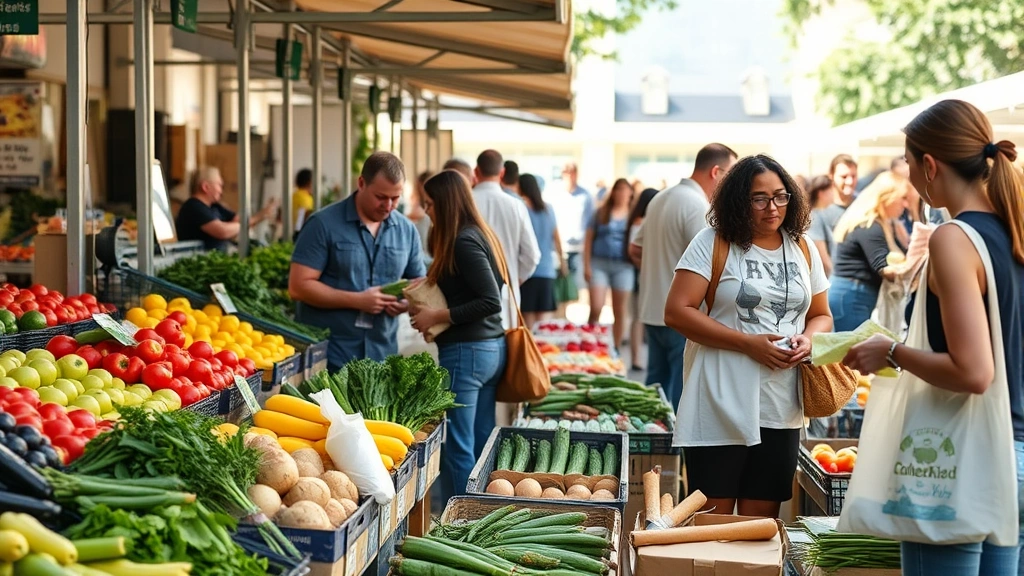
” alt=”Diverse group of shoppers selecting fresh produce at market stalls on Saturday morning, natural lighting, realistic market environment, people examining vegetables and fruits”>
FAQ
What are the Beverly Hills Farmers Market hours?
The market operates Saturdays from 8:00 AM to 1:00 PM year-round. Early arrival (before 9:00 AM) provides optimal selection, while late shopping (after 11:30 AM) offers more relaxed browsing with possible discounts on remaining inventory.
Is parking available?
Yes, the market location offers ample parking in municipal lots and surrounding streets. Saturday morning parking is generally available, though peak hours (9:00-11:00 AM) may require brief searches. Public transportation options include nearby Metro bus lines.
Do vendors accept credit cards?
Most vendors now accept credit cards and mobile payments, though some smaller operations prefer cash. SNAP/EBT benefits are accepted at participating vendors, making the market accessible to diverse income levels.
What are typical price ranges?
Produce prices typically run $2-6 per pound or bunch, with specialty items and prepared foods commanding higher prices ($8-18). Prices reflect premium quality and local sourcing rather than budget-focused retail pricing.
Are products certified organic?
Many vendors offer certified organic produce, clearly marked and priced accordingly. Non-certified organic vendors often employ organic practices but haven’t pursued formal certification. Asking vendors directly about growing practices provides clarity.
What’s the best time to visit?
Early Saturday mornings (8:00-9:00 AM) provide optimal selection and vendor availability. Mid-morning (9:00-11:00 AM) offers social atmosphere but increased crowding. Late shopping (11:30 AM-1:00 PM) features relaxed browsing and occasional discounts.
Can I find specialty or unusual items?
Yes, the Beverly Hills market includes specialty vendors offering heirloom vegetables, microgreens, edible flowers, and international varieties. Specialty items appear seasonally and may require advance reservations during peak demand.
Is the market suitable for families?
Absolutely. The market offers family-friendly amenities including prepared foods, seating areas, and educational opportunities. Children enjoy interactive vendor engagement and learning about food sourcing. Weekend timing accommodates family schedules.
How do prices compare to supermarkets?
Farmers market produce typically costs 20-40% more than conventional supermarkets but equals or undercuts specialty retailers for equivalent quality. The premium reflects superior freshness, minimal waste, and direct producer economics.
What should I bring?
Bring reusable bags or containers, cash (for potential discounts), and arrive with flexible meal plans rather than rigid shopping lists. A cooler or insulated bag helps maintain produce quality during transport, particularly during warmer months.
Are there prepared food options?
Yes, multiple prepared food vendors offer breakfast items, sandwiches, salads, baked goods, and beverages. These options allow shoppers to enjoy market experience while purchasing fresh ingredients for home preparation.
How does the market support local economy?
Farmers retain 80-90% of retail prices compared to 15-20% through wholesale channels. This direct economics supports farm viability, employment, and agricultural preservation. Secondary spending by market visitors benefits surrounding businesses and community vitality.