Aloha Stadium Flea Market Tips: Insider Guide to Hawaii’s Premier Shopping Destination
The Aloha Stadium Flea Market stands as one of Hawaii’s most iconic shopping destinations, attracting thousands of visitors weekly seeking everything from vintage collectibles to modern electronics. Located on the grounds of the historic Aloha Stadium in Honolulu, this sprawling marketplace has become a cultural institution where locals and tourists converge to hunt for bargains, unique finds, and authentic Hawaiian merchandise. Whether you’re a seasoned flea market veteran or visiting for the first time, understanding the ins and outs of this bustling marketplace can dramatically enhance your shopping experience and help you find incredible deals.
Understanding the dynamics of a large-scale marketplace like Aloha Stadium requires strategic planning and insider knowledge. This comprehensive guide draws from retail analytics and consumer behavior research to help you maximize your time, budget, and purchasing power at this legendary flea market. From timing your visit to negotiating with vendors, we’ll explore proven tactics that experienced shoppers use to score the best deals and avoid common pitfalls that can turn a fun outing into a frustrating experience.
Understanding Aloha Stadium Flea Market Basics
The Aloha Stadium Flea Market operates as a unique retail ecosystem where independent vendors rent booth spaces to sell merchandise directly to consumers. Unlike traditional retail environments with fixed pricing and corporate overhead, flea markets operate on principles more aligned with wholesale distribution and direct-to-consumer commerce. According to Statista’s alternative retail report, secondhand and flea market retail has grown significantly, with consumers increasingly valuing unique finds and discounted pricing.
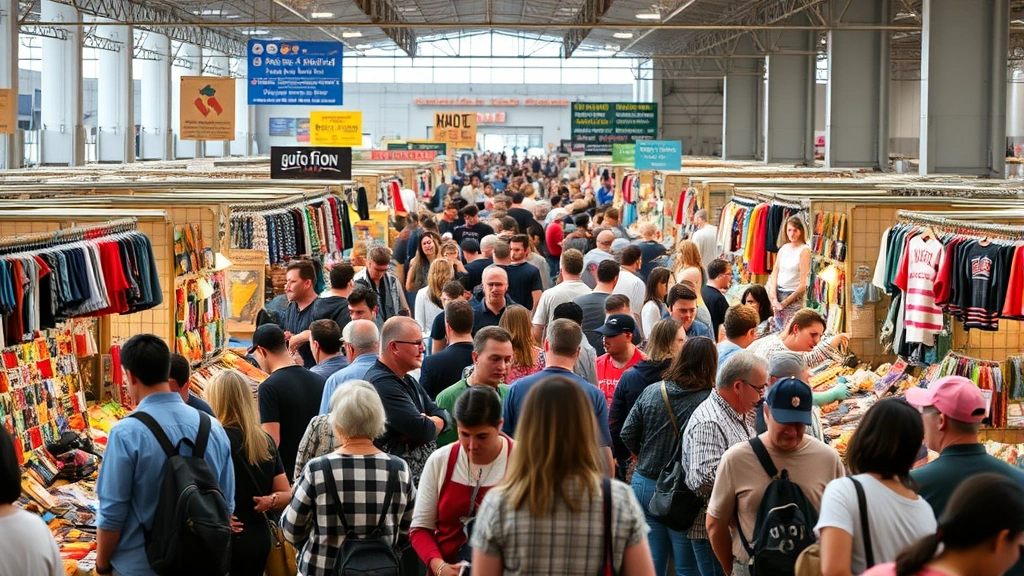
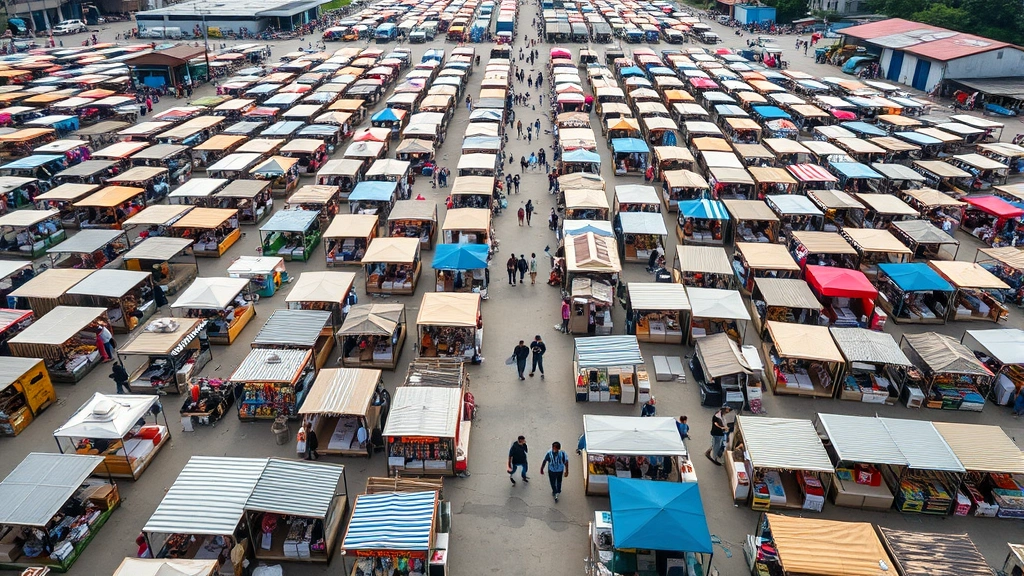
The market operates on a Wednesday-to-Sunday schedule, with specific operating hours that vary seasonally. Understanding the market’s operational structure is crucial for developing an effective shopping strategy. The venue covers approximately 100,000 square feet of retail space, housing over 400 vendor booths organized into distinct sections. Each vendor operates independently, setting their own prices and determining what merchandise they’ll offer. This decentralized structure means prices for identical items can vary dramatically between booths, making comparison shopping essential.
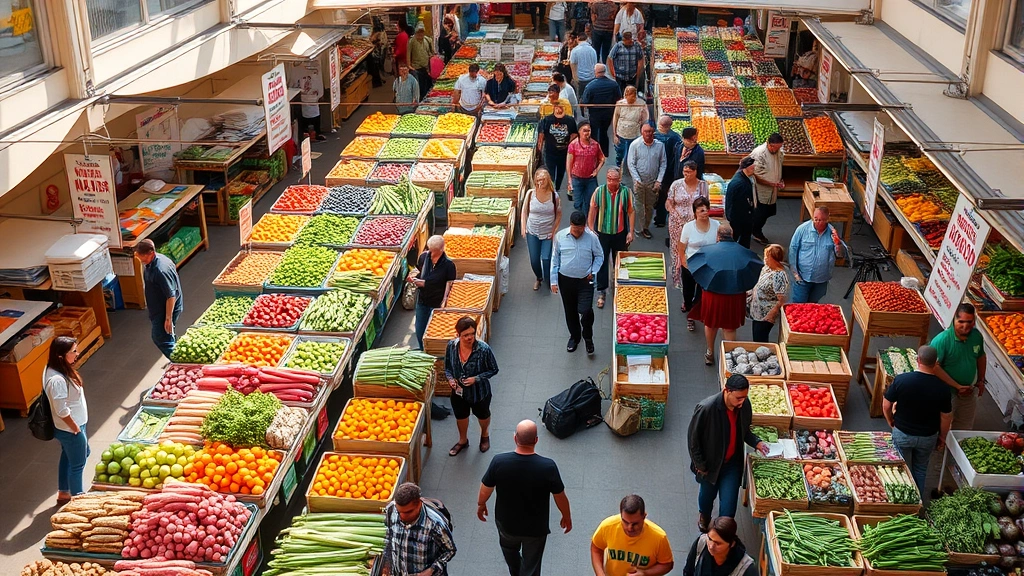
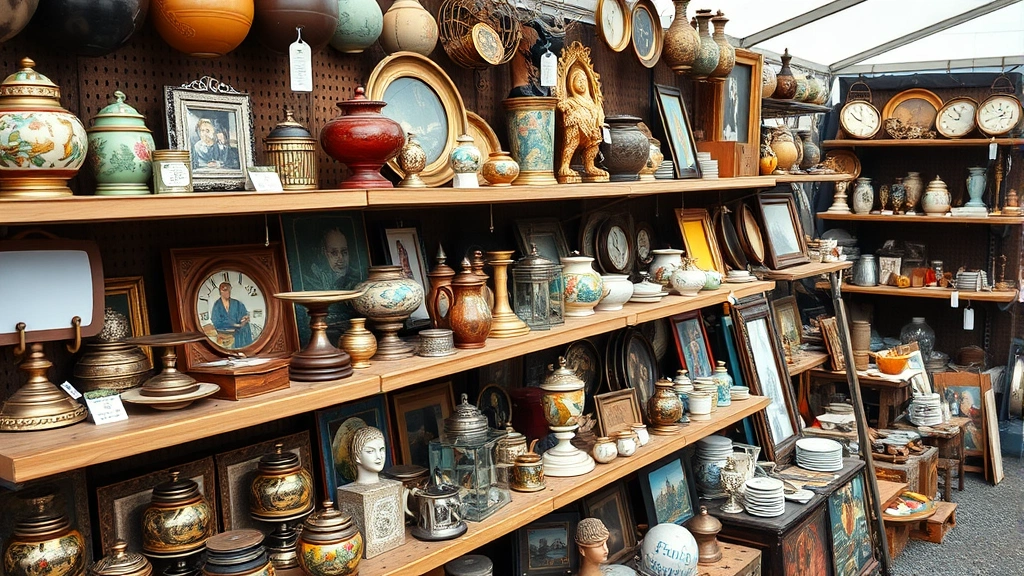
The merchandise diversity at Aloha Stadium Flea Market reflects both supply chain dynamics and consumer demand patterns. You’ll find everything from brand-new surplus inventory and closeout merchandise to vintage collectibles, antiques, clothing, electronics, home goods, and locally-crafted items. Many vendors source inventory from estate sales, liquidation auctions, and wholesale suppliers, which explains the incredible price variations compared to retail establishments. Understanding this supply chain perspective helps shoppers appreciate why certain deals exist and how to identify quality merchandise.
Best Times to Visit for Maximum Deals
Timing your visit to the Aloha Stadium Flea Market significantly impacts both the selection available and the likelihood of securing favorable deals. Market dynamics research shows that early morning visits on weekdays offer distinct advantages over weekend shopping. Arriving within the first hour of operation on Wednesday or Thursday provides access to the freshest inventory before other shoppers have picked through the best items. Vendors are typically in better moods early in the day, more willing to negotiate, and haven’t experienced the fatigue that comes with heavy foot traffic.
The end-of-day shopping strategy presents another opportunity for deal hunters. As closing time approaches on Sunday evenings, vendors become increasingly motivated to reduce inventory rather than pack unsold merchandise back to storage facilities. Vendors operating on thin margins recognize that a discounted sale beats zero revenue and storage costs. However, this strategy requires flexibility regarding selection, as popular items will have already sold.
Seasonal timing also influences marketplace dynamics significantly. Post-holiday periods, particularly after Christmas and New Year, see increased inventory as vendors liquidate seasonal merchandise. Summer months attract more tourist shoppers, potentially increasing both competition and vendor motivation to move inventory quickly. Rainy weather days often see reduced foot traffic, creating opportunities for more personalized vendor interactions and better negotiating positions.
Day-of-week analysis reveals that Wednesdays and Thursdays attract primarily local shoppers, while weekends draw significant tourist traffic. If you prefer less crowded conditions and more vendor availability, weekday visits prove superior. The digital marketing strategies used by successful retailers emphasize understanding customer traffic patterns, a principle equally applicable to flea market shopping strategy.
Strategic Shopping and Navigation Tips
Navigating a 100,000-square-foot marketplace with 400+ vendors requires systematic planning to avoid wasted time and missed opportunities. Successful shoppers develop a grid-based navigation strategy, mentally dividing the market into sections and working methodically through each area. This approach prevents the common mistake of wandering aimlessly and revisiting the same booths multiple times.
Understanding booth organization patterns helps optimize your route. Vendors typically cluster by merchandise category—electronics in one section, clothing in another, vintage items in a third. Identifying these patterns during your first visit allows you to plan efficient routes for subsequent visits. Many experienced shoppers create mental maps or even take photos of vendor booth numbers for items they’re considering, allowing them to compare prices across multiple vendors before making purchasing decisions.
The “anchor booth” strategy involves identifying several must-visit vendors early in your trip, then working through intermediate booths systematically. This approach ensures you see the vendors most likely to have your target items while discovering unexpected treasures along the way. Taking notes or photos of booth numbers for items you’re considering allows you to compare prices without carrying merchandise throughout the market.
Crowd management represents another critical navigation consideration. High-traffic periods concentrate around main entrances and popular sections. Experienced shoppers work through less-trafficked perimeter areas first, then tackle crowded central sections when they’re ready to wrap up. This strategy reduces physical fatigue and provides a more pleasant shopping experience overall.
Physical preparation for extended walking is essential. Comfortable footwear, staying hydrated, and pacing yourself prevents the exhaustion that can lead to poor purchasing decisions. Many successful flea market shoppers treat the experience as a moderate workout, budgeting three to four hours for a thorough visit.
” alt=”Aerial view of crowded flea market with vendor booths, shoppers browsing merchandise displays, organized retail sections with colorful inventory”>
Vendor Negotiation and Price Haggling
Price negotiation represents one of the most misunderstood aspects of flea market shopping. Unlike retail environments with fixed pricing, flea markets operate within a negotiation framework where vendors expect haggling on higher-priced items. Understanding negotiation psychology and vendor perspectives significantly improves your success rate. According to consumer behavior research from Deloitte’s consumer behavior studies, negotiation and perceived value creation strongly influence purchasing satisfaction.
Effective negotiation begins with respectful engagement. Vendors are small business operators managing their livelihoods, not corporate representatives with unlimited pricing authority. Approaching negotiation as collaborative rather than adversarial creates better outcomes. Start by expressing genuine interest in an item, then asking if the vendor has flexibility on pricing. This framing positions negotiation as a problem-solving discussion rather than confrontation.
The timing of negotiation matters considerably. Approaching a vendor during slow periods, when they’re not actively serving other customers, creates space for genuine conversation. Negotiating during peak traffic times feels rushed and pressured, reducing vendor receptiveness. Late-day negotiations, particularly on Sunday evenings, benefit from vendor motivation to clear inventory before closing.
Bundling strategy proves particularly effective for securing discounts. Offering to purchase multiple items from a single vendor creates compelling economic incentives. A vendor who makes a small margin on individual items suddenly finds bundled purchases attractive when volume increases. Requesting “bundle pricing” for multiple purchases typically yields better results than negotiating individual items.
Knowledge-based negotiation carries significant power. Understanding true market value for items you’re considering positions you as an informed buyer. Vendors respect knowledgeable customers and are more willing to negotiate with people who understand their merchandise’s actual worth. However, avoid aggressive or condescending price-quoting, which damages rapport and reduces negotiating success.
Cash transactions often facilitate better negotiations than card payments. Vendors avoid credit card processing fees, and physical cash creates psychological pressure that electronic payments don’t generate. Mentioning “I have cash” can sometimes prompt vendors to offer immediate discounts, particularly on larger purchases.
What to Buy and What to Avoid
Strategic purchasing at flea markets requires understanding which merchandise categories represent genuine values and which carry hidden risks. Electronics present a classic flea market category requiring careful evaluation. While deals exist, particularly on discontinued models or overstock inventory, purchasing electronics without warranty protection carries risk. Test items thoroughly before purchasing, request vendor contact information for potential post-sale issues, and avoid items with visible damage or missing components.
Vintage clothing and accessories represent strong flea market values, particularly designer items and quality vintage pieces. The secondary market for vintage fashion has exploded, with platforms like Vestiaire Collective demonstrating significant demand for quality vintage merchandise. Inspect clothing carefully for damage, stains, and proper fit before purchasing. Vintage items often reflect different sizing standards, making proper fitting essential.
Collectibles and antiques require expertise or research capabilities. Unless you’re knowledgeable about specific collectible categories, avoid assuming vendor pricing reflects true market value. Many flea market vendors price items based on condition and rarity correctly, but others significantly overprice items based on inaccurate assumptions. Use smartphone research capabilities to verify pricing on potentially valuable items before committing to purchases.
Home goods and furniture represent areas where visual inspection proves critical. Furniture condition directly impacts functionality and longevity. Check structural integrity, test drawers and moving parts, and inspect for damage or pest issues. Electronics in home goods—like microwaves or small appliances—require testing or warranty verification before purchasing.
Avoid purchasing items with recalls or safety concerns. Certain product categories, particularly children’s items and electronics, may have manufacturing issues or safety recalls. Research potential purchases before buying, particularly for items that will be used by children or that involve electrical safety.
Locally-crafted Hawaiian items often represent genuine values at Aloha Stadium Flea Market, supporting local artisans and small businesses. These items frequently offer authenticity and quality that justify premium pricing compared to mass-produced alternatives. Consider these purchases as investments in local commerce and cultural preservation.
Money Management and Budgeting
Successful flea market shopping requires disciplined financial management to prevent impulse purchases and ensure spending aligns with actual needs and values. Establishing a predetermined budget before arriving at the market provides essential spending guardrails. Startup marketing principles emphasizing resource allocation apply equally to personal shopping strategy, where budgeting prevents wasteful spending and maximizes value extraction.
The envelope system—carrying only cash in denominations matching your budget allocation—provides psychological reinforcement for budget discipline. When your cash is depleted, you’re finished shopping. This simple technique prevents the credit card mentality where spending feels abstract and unlimited.
Prioritization frameworks help allocate limited budgets across multiple desired items. Create mental or written rankings of items you’re seeking, then allocate budget proportionally. This approach ensures you acquire priority items rather than spending your entire budget on secondary purchases.
Comparison shopping across vendors prevents overpaying for similar items. Most experienced shoppers identify 3-5 vendors selling comparable merchandise, then compare pricing before committing to purchases. This strategy requires discipline to avoid decision fatigue but typically yields 10-20% savings compared to purchasing from the first appealing vendor.
The “walk away” strategy proves psychologically challenging but financially rewarding. Identifying items you’d like but can live without, then intentionally not purchasing them, preserves budget for priority items. Many flea market shoppers experience regret from impulse purchases while missing opportunities for better value items they actually needed.
Payment method strategy influences both pricing and spending discipline. Cash purchases create stronger psychological friction than digital payments, naturally limiting overspending. Vendors also frequently offer cash discounts, providing immediate 5-10% savings on cash transactions.
Preparation and Packing Essentials
Arriving at Aloha Stadium Flea Market unprepared creates unnecessary friction and reduces shopping effectiveness. Physical preparation begins with appropriate clothing and footwear. Comfortable, breathable clothing suitable for warm Hawaii weather prevents discomfort during extended shopping sessions. Closed-toe shoes with arch support are essential, as you’ll be walking continuously on concrete surfaces for 3-4 hours.
Bringing a substantial bag or small rolling luggage facilitates carrying purchases without hand fatigue. Many shoppers bring collapsible bags that pack flat until needed, then expand to accommodate purchases. Consider bringing multiple bags of different sizes to accommodate varying item dimensions.
Hydration and nutrition matter more than many shoppers realize. Bringing water and light snacks prevents the fatigue and decision-making impairment that comes from dehydration and low blood sugar. These factors directly impact purchasing decisions and negotiation effectiveness.
Practical tools enhance shopping effectiveness significantly. Bringing a flashlight helps inspect merchandise in booth corners and darker areas. A measuring tape proves invaluable for furniture and large items. A smartphone with internet access allows real-time research on item values and specifications. A small notebook and pen facilitate tracking booth numbers and prices for items you’re comparing.
Cash in small denominations—primarily ones, fives, and tens—facilitates negotiations and prevents vendors needing to make excessive change. Bringing slightly more cash than your predetermined budget allows flexibility for unexpected great deals while maintaining overall spending discipline.
Arriving early requires planning transportation to ensure parking availability. Aloha Stadium provides parking, but peak shopping times can create congestion. Arriving 15-30 minutes before market opening provides optimal parking access and allows you to be among the first shoppers entering as vendors complete setup.
Local Insights and Hidden Gems
Aloha Stadium Flea Market has operated continuously since 1982, creating deep-rooted relationships between regular shoppers and vendors. Understanding local shopping culture and hidden gems elevates your experience from tourist visit to authentic marketplace participation. The vendor community includes established dealers with decades of market experience, creating pockets of expertise and exceptional inventory quality.
Regular vendors often develop specialty niches—one vendor might specialize in vintage Hawaiian collectibles, another in Japanese electronics, another in designer clothing. Identifying specialty vendors matching your interests creates opportunities for more educated purchasing and better value discovery. Many successful shoppers develop relationships with specific vendors, receiving first access to new inventory or preferential pricing.
The market’s cultural significance extends beyond commerce. For many locals, Aloha Stadium Flea Market represents a gathering space where Hawaiian culture, community connection, and commerce intersect. Respectful engagement with local vendors and appreciation for the market’s cultural role creates more meaningful shopping experiences than treating it purely as a discount shopping destination.
Hidden gems exist throughout the market for shoppers willing to explore less-trafficked sections. Perimeter booths and corner locations often feature exceptional inventory because fewer shoppers discover them. These locations frequently offer better prices due to reduced foot traffic and less competitive vendor pressure.
Seasonal inventory patterns create predictable opportunities for knowledgeable shoppers. Post-holiday periods bring specific merchandise types, summer brings tourist-oriented items, and winter brings cold-weather goods. Understanding these patterns allows you to time visits around specific merchandise availability.
Local food vendors and refreshment stands operate throughout the market, offering authentic Hawaiian plate lunch options and local specialties. Taking break time for meals and refreshments prevents fatigue while supporting local food vendors. This practice also creates natural shopping rhythm, allowing your mind to process purchases before continuing your market journey.
The market’s evolution reflects broader retail and commerce trends. Understanding how effective marketing planning applies to marketplace success demonstrates that even informal retail spaces benefit from strategic thinking and customer-centric approaches.
” alt=”Close-up of vintage collectibles and antique items displayed on flea market booth shelves with diverse merchandise arranged for retail sale”>
FAQ
What are the operating hours for Aloha Stadium Flea Market?
The market typically operates Wednesday through Sunday, with hours varying seasonally. Wednesday and Thursday hours usually run from 8 AM to 3 PM, while weekend hours extend from 6 AM to 3 PM. However, hours can change seasonally and for special events, so checking the official website before your visit is recommended. Many vendors open earlier than official market hours, so arriving 15-30 minutes before posted opening times provides first-access advantages.
Is haggling expected at Aloha Stadium Flea Market?
Yes, haggling is not only expected but encouraged, particularly on items priced above $20-30. Flea market culture assumes negotiation as part of the transaction process. However, approach negotiations respectfully, recognizing vendors as small business operators. For lower-priced items, haggling may seem excessive, while for high-value merchandise, vendors expect negotiation as standard practice. Bundle purchases typically create the best negotiating opportunities.
What payment methods do vendors accept?
Cash remains the preferred payment method at most flea market booths, though many vendors now accept mobile payment apps and credit cards. Bringing cash provides negotiating advantages and ensures you can transact with all vendors regardless of payment technology. ATMs operate on-site, though fees may apply. Planning to bring sufficient cash for your entire shopping visit prevents ATM fees and maintains spending discipline.
Are there any items I should definitely avoid purchasing?
Avoid purchasing items with visible damage, missing components, or unclear functionality without vendor warranties. Electronics without original packaging or proof of authenticity require careful evaluation. Furniture with structural issues or pest concerns should be avoided entirely. Items with potential recalls—particularly children’s products—warrant research before purchasing. Counterfeit designer goods, while appearing at flea markets, present legal and ethical concerns worth avoiding.
How much time should I budget for a thorough visit?
A comprehensive flea market visit typically requires 3-4 hours to navigate all 400+ vendor booths and make thoughtful purchasing decisions. Shorter visits of 1-2 hours allow you to hit priority vendors and specific merchandise categories without exhaustion. Physical fitness and shopping experience influence time requirements—experienced shoppers often complete visits more efficiently than first-time visitors. Plan additional time if you’re particularly interested in specific merchandise categories or enjoy leisurely exploration.
Can I return items if I’m unsatisfied with my purchase?
Return policies vary dramatically between vendors and are entirely at vendor discretion. Most flea market vendors operate no-return policies due to the nature of their business model. Always clarify return possibilities before purchasing, particularly for higher-priced items. Request vendor contact information and consider asking about satisfaction guarantees for items with functionality concerns. Purchasing with cash and getting written receipts creates documentation for potential disputes, though enforcement options remain limited.
What’s the best strategy for purchasing furniture at the market?
Thoroughly inspect furniture for structural integrity, test all moving parts, and check for damage, stains, or pest issues before purchasing. Bring measuring tape to verify dimensions against your space requirements. Consider transportation logistics before committing to large pieces—verify whether you have adequate vehicle space and transportation capability. Late-day Sunday shopping often provides better furniture pricing as vendors motivate to clear inventory. Request vendor contact information for potential post-purchase issues with large furniture pieces.