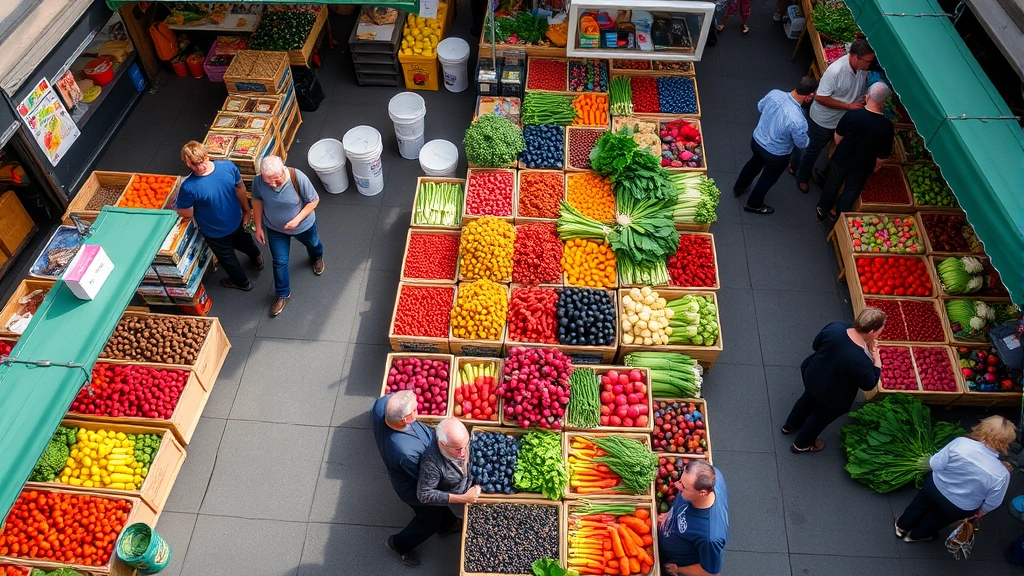
Exploring U District Farmers Market: Local Insights
The U District Farmers Market, located in Seattle’s vibrant University District, has become a cornerstone of the local food economy and community commerce. This weekly gathering of vendors, farmers, and artisans represents more than just a place to purchase fresh produce—it’s a dynamic marketplace that reflects broader trends in consumer behavior, local food systems, and retail innovation. Understanding the mechanics and impact of this market provides valuable insights into how farmers markets function as both commercial enterprises and community anchors.
The University District farmers market operates with a mission that extends beyond simple transactions. It connects producers directly with consumers, eliminates unnecessary supply chain intermediaries, and fosters relationships that strengthen neighborhood bonds. For e-commerce strategists and retail professionals, studying such markets reveals important lessons about customer loyalty, experiential retail, and the enduring appeal of local commerce in an increasingly digital world.
Market Overview and Location
The U District Farmers Market operates in one of Seattle’s most pedestrian-friendly neighborhoods, strategically positioned to serve both university students and residential communities. The market typically runs year-round, with peak activity during warmer months when agricultural production reaches its zenith. This temporal variation mirrors patterns observed across markets near me throughout the Pacific Northwest, where seasonal availability directly influences vendor participation and consumer purchasing decisions.
Located near the University of Washington campus, the market benefits from consistent foot traffic and a demographic that values sustainability and local sourcing. The venue selection itself demonstrates sophisticated retail strategy—accessible by public transportation, positioned in a walkable area, and surrounded by complementary businesses that create a destination effect. This location strategy directly impacts market viability and consumer engagement, making it a case study for understanding how physical space influences commerce outcomes.
The market’s infrastructure supports both vendor needs and shopper convenience. Multiple entrances, adequate parking, and covered areas for inclement weather create conditions that encourage extended shopping visits. These operational considerations represent the foundation upon which successful farmers markets build their reputation and customer loyalty. Understanding these fundamentals helps retail professionals grasp why location and operational excellence matter as much as product quality.
Vendor Ecosystem and Product Diversity
The U District Farmers Market showcases a diverse vendor community spanning several product categories. Produce vendors typically dominate the marketplace, offering seasonal vegetables, fruits, berries, and specialty crops that reflect regional agricultural capabilities. Beyond produce, the market includes prepared foods, baked goods, dairy products, meat, fish, flowers, and artisanal products. This diversification creates a one-stop shopping experience that competes effectively with traditional grocery retailers despite having a more limited inventory.
Vendor relationships at the U District Farmers Market demonstrate the importance of community trust in commerce. Many vendors have maintained consistent presences for years, building customer relationships that transcend transactional interactions. This loyalty generation mechanism—based on personal connection and product consistency—offers valuable lessons for marketing strategy for small businesses operating in competitive environments. When customers recognize vendor faces and remember their products, they develop emotional attachments that strengthen purchasing patterns.
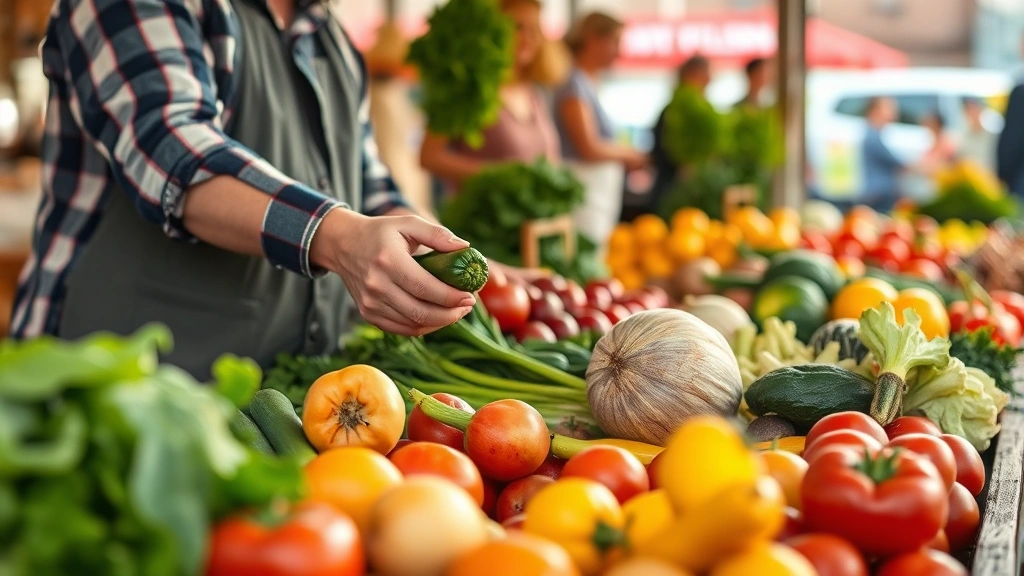
Product quality and freshness serve as primary competitive advantages for farmers market vendors. Unlike grocery chains that source regionally and nationally, farmers market producers often harvest products the day before or morning of market day. This freshness premium commands higher prices than conventional retail channels, yet customers willingly pay premiums because they perceive superior quality and value alignment with their purchasing principles. This pricing dynamic reflects consumer willingness to support local food systems and sustainable agriculture practices.
The vendor community also includes value-added product producers who transform raw agricultural commodities into finished goods. Jam makers, cheese producers, bakers, and prepared food vendors expand market appeal beyond fresh produce shoppers. These vendors typically operate with lower volumes and higher margins than commodity producers, contributing to overall market economic health while serving niche consumer segments with specific preferences.
Consumer Demographics and Shopping Patterns
Understanding who shops at the U District Farmers Market reveals important insights about local food movement demographics. Research indicates farmers market shoppers tend to have higher education levels, above-average household incomes, and strong environmental consciousness. These consumers actively seek alignment between their purchasing decisions and their values, making farmers markets attractive alternatives to conventional grocery retail.
Shopping frequency varies significantly among market customers. Regular shoppers—those visiting weekly or bi-weekly—represent the market’s most valuable customer segment, generating consistent revenue and providing the stability that allows vendors to plan production. Occasional shoppers and tourists add volume but contribute less to predictable revenue streams. Understanding these segments helps market operators develop strategies that encourage conversion from occasional to regular shoppers through loyalty programs, seasonal promotions, and community engagement initiatives.
The University District location attracts a distinctive demographic mix. Students represent a significant portion of market traffic, though their purchasing patterns differ from established residents. Students typically purchase smaller quantities, shop with budget constraints, and gravitate toward produce and prepared foods rather than specialty items. Faculty, staff, and neighborhood residents exhibit different patterns, often making larger purchases and seeking specialty products unavailable through conventional retail channels.
Seasonal variations in shopping patterns reflect both product availability and weather conditions. Summer months generate peak attendance as agricultural production maximizes and outdoor shopping becomes more appealing. Winter shopping decreases significantly, though dedicated customers maintain regular visits for storage crops, preserved goods, and hardy vegetables. Understanding these patterns helps vendors optimize inventory and staffing decisions while assisting market management in planning promotions that encourage off-season shopping.
Economic Impact on Local Businesses
The U District Farmers Market generates substantial economic activity that extends beyond direct vendor transactions. Market operations create employment for vendor staff, market management personnel, and support service providers. Additionally, market visitors generate spillover spending at nearby restaurants, coffee shops, retail stores, and service providers, amplifying the market’s economic footprint within the neighborhood.
For individual vendors, farmers market participation provides essential income supplementation or primary revenue. Many small agricultural producers rely on farmers market sales to maintain economic viability, as direct-to-consumer channels eliminate wholesale intermediaries and improve profit margins. A vendor selling directly to consumers at farmers markets typically captures 50-70% of retail prices, compared to 20-30% when selling through wholesale channels to grocery retailers. This economic advantage makes farmers market participation economically rational despite higher time investments and operational complexity.
The market also supports agricultural diversity by making specialty and heirloom crop production economically viable. Farmers can grow unique vegetable varieties, heritage fruits, and specialty products that wouldn’t justify the logistics of wholesale distribution but command premium prices when sold directly to enthusiastic consumers. This economic model encourages agricultural innovation and crop diversity that benefits both consumers and regional food systems.
Local business community benefits extend to complementary retail and service providers. Restaurants near farmers markets often feature market-sourced ingredients in their menus, creating marketing opportunities and customer attractions. Coffee shops, bakeries, and other food service providers benefit from increased foot traffic. Even non-food retailers experience sales increases when markets generate neighborhood activity and create destination effects that draw shoppers to surrounding areas.
According to research from the USDA Agricultural Marketing Service, farmers markets contribute significantly to local economic development. The organization’s data indicates that farmers market sales have grown substantially over the past two decades, reflecting consumer demand for local food sources and direct-to-producer purchasing opportunities. This growth trajectory demonstrates the economic viability of farmers market models even as e-commerce transforms retail landscapes.
Seasonal Trends and Supply Dynamics
Seasonal variation represents the most significant factor influencing U District Farmers Market dynamics. The Pacific Northwest’s agricultural calendar dictates vendor participation, product availability, and consumer purchasing patterns. Spring brings early greens, asparagus, and strawberries. Summer maximizes produce diversity with tomatoes, berries, stone fruits, and vegetables reaching peak availability. Fall features apples, pears, squash, and root vegetables. Winter supplies the market with storage crops, preserved goods, and hardy greens.
These seasonal patterns create predictable inventory cycles that vendors must manage carefully. Producers invest in crop planning based on expected market demand, requiring accurate forecasting of consumer needs and competitive vendor participation. Weather variations significantly impact supply—late frosts reduce spring production, summer heat affects crop quality, and early cold weather can devastate fall harvests. Vendors must communicate proactively with regular customers when weather impacts supply, maintaining trust through transparency about supply constraints.
Seasonal variations also influence pricing dynamics. Early-season products command premium prices due to scarcity and high production costs. As production peaks and supply increases, prices decline. Late-season products again command premiums as supply tightens. Sophisticated vendors understand these price elasticity patterns and adjust production and marketing strategies accordingly. Understanding seasonal supply dynamics helps retailers develop inventory strategies aligned with consumer demand and product availability.
The market’s ability to operate year-round, even with reduced vendor participation during winter months, reflects consumer commitment to local food sourcing. Winter markets feature fewer vendors but attract dedicated customers seeking winter vegetables, preserved products, and artisanal goods. This year-round operation distinguishes successful farmers markets from seasonal operations, providing vendors consistent income opportunities and customers reliable access to local products.
Digital Integration and Modern Adaptations
While farmers markets represent traditional retail models, successful operations increasingly integrate digital tools to enhance customer experience and operational efficiency. The U District Farmers Market has adapted to modern commerce expectations by developing online presence, accepting digital payments, and exploring pre-ordering systems that streamline transactions and improve vendor planning.
Digital marketing plays an increasing role in farmers market promotion and customer engagement. Social media platforms allow markets and vendors to showcase products, announce seasonal arrivals, and build community around the market experience. Platforms like Instagram prove particularly effective for farmers markets, where visual product presentation drives consumer interest and encourages visits. Consistent digital communication maintains customer engagement between market visits and encourages regular participation.
Payment technology adoption has transformed farmers market operations. While cash traditionally dominated farmers market transactions, digital payment acceptance increases accessibility and appeals to younger consumers who carry minimal cash. Mobile payment systems, card readers, and digital wallets now appear routinely at farmers market stalls, improving transaction efficiency and reducing cash handling burdens for vendors.
Pre-ordering and online purchasing platforms represent emerging adaptations that extend farmers market reach beyond physical location constraints. Some markets now offer online ordering with pickup at market locations, allowing customers to secure desired products before arriving. This innovation appeals to time-constrained consumers while helping vendors plan production and reduce unsold inventory waste.
These digital integrations complement rather than replace the farmers market’s core appeal—the experiential, community-focused shopping environment. Customers continue valuing face-to-face vendor interactions, product sampling, and the social experience of market attendance. Digital tools enhance this experience by improving information access and transaction convenience rather than transforming the fundamental farmers market model. This integration strategy aligns with broader digital marketing trends 2025 that emphasize omnichannel experiences combining digital and physical retail touchpoints.
Community Benefits and Social Impact
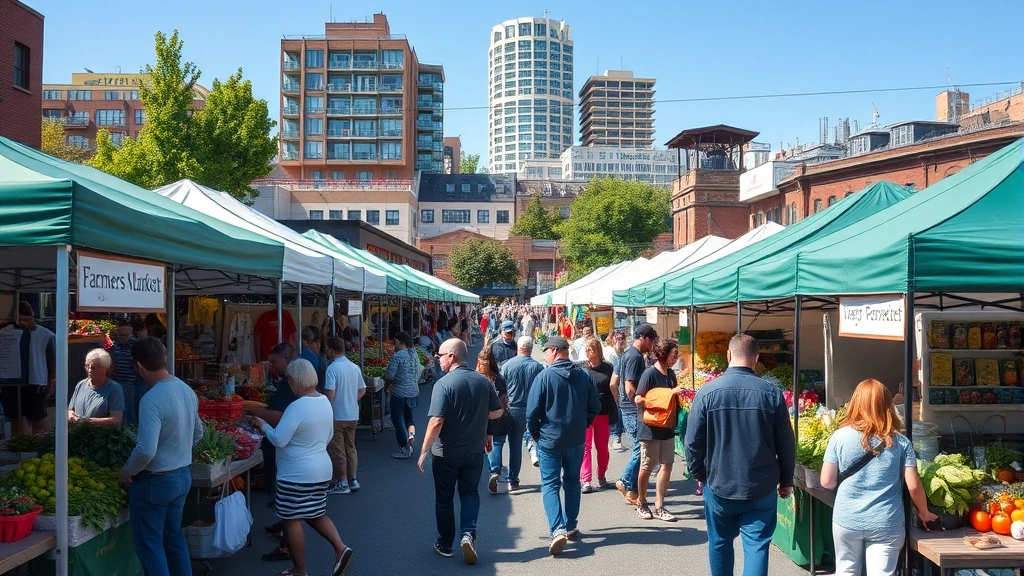
The U District Farmers Market generates substantial community benefits extending beyond economic metrics. The market serves as a gathering space where neighbors connect, community organizations build visibility, and local culture expresses itself. This social function represents an increasingly valuable service in urban environments where traditional community gathering spaces have declined.
Food access equity represents an important consideration for farmers market operations. While farmers markets attract affluent consumers willing to pay premiums for local products, equitable access requires intentional strategies. Some markets accept SNAP benefits (food stamps) and offer matching funds that increase purchasing power for low-income consumers. These programs align market operations with broader food justice objectives while expanding customer bases and supporting underserved community members.
Educational opportunities flourish at farmers markets where vendors share knowledge about products, preparation methods, and agricultural practices. Customers learn about seasonal produce, discover new products, and gain appreciation for agricultural work and food systems. Some markets host demonstrations, cooking classes, and agricultural education programs that deepen community engagement and build market loyalty.
Environmental benefits emerge from farmers market participation patterns. Reduced transportation distances for products decrease carbon emissions compared to conventional grocery supply chains. Customers who adopt farmers market shopping often increase their overall local food consumption, multiplying environmental benefits. Additionally, farmers market participation supports sustainable agriculture practices that benefit soil health, water resources, and ecosystem function.
The market also strengthens neighborhood identity and social cohesion. Regular attendance builds relationships among customers and vendors, creating social networks that extend beyond market transactions. This community building function differentiates farmers markets from anonymous grocery shopping experiences and contributes to neighborhood vitality and resident satisfaction. For urban planners and community development professionals, farmers markets represent cost-effective interventions that enhance quality of life while supporting local economies.
Research from Local Harvest demonstrates that farmers markets strengthen community food systems and build social capital. The organization’s data indicates that farmers market participants report higher levels of community connection and greater satisfaction with their neighborhoods compared to non-participants. These social benefits complement economic advantages, making farmers markets valuable community assets.
FAQ
What days and times does the U District Farmers Market operate?
The U District Farmers Market typically operates on specific days during seasons with adequate vendor participation. Hours and exact days vary seasonally, with the market running more frequently during peak production months. Prospective visitors should check the market’s official website or social media channels for current operating schedules, as they may adjust based on weather, holidays, and vendor availability. Many markets now publish schedules several months in advance to help customers plan visits.
Which payment methods do vendors accept at the market?
Most vendors at the U District Farmers Market now accept both cash and digital payments including credit cards, debit cards, and mobile payment systems. However, cash remains common at some stalls, particularly for smaller transactions. Customers should bring multiple payment options to ensure smooth transactions, as individual vendors may have different payment capabilities. The market management often provides information about payment options available across vendor stalls.
Are prices at farmers markets significantly higher than grocery stores?
Farmers market prices vary depending on product type and season. While some items cost more than conventional grocery stores, others compare favorably, particularly when considering product freshness and quality. Early-season items command premiums due to scarcity, while peak-season produce may offer competitive pricing. Customers who focus purchasing on seasonal items and develop relationships with vendors often find farmers market shopping economically comparable to grocery stores while receiving superior product quality.
How can I find specific products or vendors at the market?
Most farmers markets maintain vendor lists on their websites or social media pages, allowing customers to identify specific vendors before visiting. Alternatively, asking market staff or other vendors can help locate specific products. Regular market attendance helps customers learn vendor locations and specialties. Many vendors also maintain their own social media presence where they announce product availability and seasonal arrivals.
Do farmers markets accept SNAP or food assistance benefits?
Many farmers markets, including those in the Seattle area, accept SNAP benefits and participate in matching programs that increase purchasing power for low-income consumers. These programs typically require customers to swipe their SNAP card at a central booth that issues market tokens or credits redeemable at any vendor. Customers should inquire with market management about available assistance programs and participating vendors.
What makes shopping at farmers markets different from grocery stores?
Farmers markets offer direct relationships with producers, superior product freshness, seasonal variety, and community connection that distinguish them from grocery retail. Customers interact directly with farmers and producers, learning about products and agricultural practices. The market experience emphasizes community gathering and social interaction rather than anonymous transactions. For consumers prioritizing local food systems, sustainability, and product quality, farmers markets offer compelling advantages despite requiring different shopping habits and seasonal adjustment.
Additional Resources: Learn more about Market Rise Hub Blog for comprehensive market insights, explore Market Basket News for retail trends, and check our guide on markets near me to discover similar operations in your area.


