Exploring Tuscan Market Trends: Expert Insights
The Tuscan market represents one of Europe’s most dynamic and culturally rich commercial landscapes, blending centuries-old traditions with modern consumer behaviors and digital transformation. Whether you’re an ecommerce entrepreneur, retail business owner, or market analyst, understanding Tuscan market trends is essential for identifying growth opportunities and optimizing your business strategy in this competitive region.
Tuscany, located in central Italy, has evolved from a primarily agricultural economy into a sophisticated marketplace that attracts international investors, tourists, and businesses seeking premium products and services. The region’s market dynamics are shaped by its unique positioning as both a heritage destination and a modern commercial hub, where luxury goods, artisanal products, and digital retail channels coexist and thrive.
This comprehensive guide explores the latest Tuscan market trends, consumer behavior patterns, and strategic insights that will help you navigate this fascinating marketplace. We’ll examine everything from e-commerce growth to luxury retail dynamics, providing actionable intelligence for businesses looking to succeed in Tuscany’s competitive environment.

Understanding the Tuscan Market Landscape
The Tuscan market operates within a complex ecosystem that combines traditional commerce with contemporary retail practices. According to Statista’s Italy Market Outlook, Tuscany represents approximately 8% of Italy’s total retail market value, demonstrating its significance as a commercial region. The market is characterized by a diverse mix of small family-owned businesses, multinational corporations, and emerging digital-native companies.
Regional economic factors play a crucial role in shaping market trends. The Tuscan economy benefits from strong tourism revenues, robust manufacturing sectors, and a well-developed service industry. The region’s GDP growth has remained relatively stable despite global economic fluctuations, providing a reliable foundation for business investment and market expansion. Understanding these macroeconomic indicators is essential when developing your marketing plan for Tuscan markets.
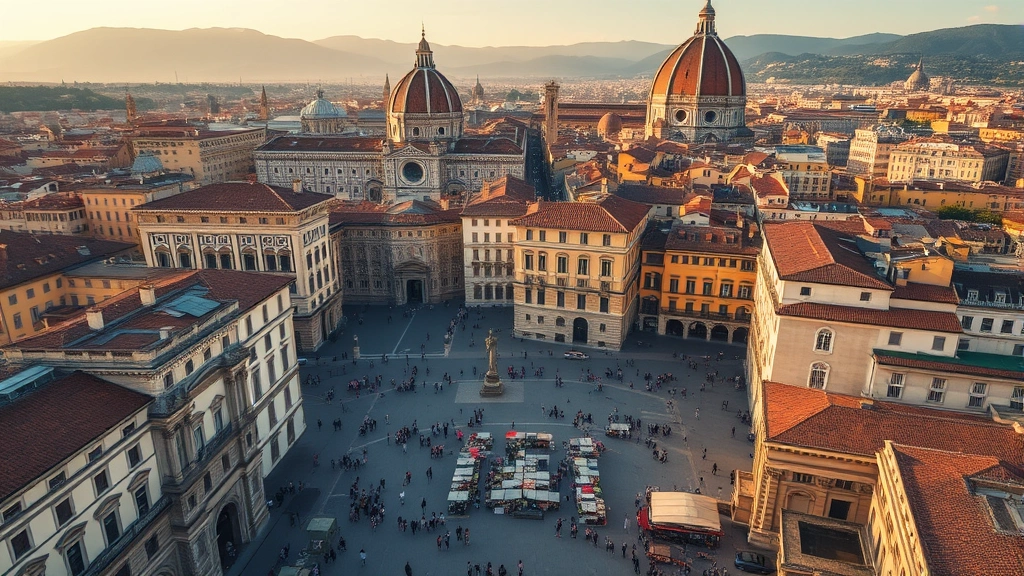
The competitive landscape in Tuscany is increasingly influenced by regional variations. Florence, the capital, dominates retail activity and attracts the majority of international investors, while smaller towns like Siena and Arezzo maintain unique market characteristics and consumer preferences. When exploring markets near you in Tuscany, it’s important to recognize these geographic nuances and their impact on business opportunities.
E-Commerce Growth and Digital Transformation
Digital commerce has fundamentally transformed the Tuscan market landscape over the past five years. Research from Ecommerce Europe indicates that online retail in Italy grew by 15-18% annually between 2020 and 2024, with Tuscany experiencing above-average growth rates due to its educated consumer base and strong internet infrastructure.
Mobile commerce represents the fastest-growing segment within the Tuscan e-commerce ecosystem. Approximately 72% of online purchases in Tuscany are now conducted through mobile devices, reflecting broader European trends toward smartphone-based shopping. Businesses implementing responsive design and mobile-optimized checkout processes report significantly higher conversion rates and customer satisfaction scores. This shift necessitates a complete reassessment of traditional digital marketing trends to remain competitive.
Omnichannel retail strategies have become essential for success in the Tuscan market. Consumers expect seamless integration between online and physical shopping experiences, with capabilities like buy-online-pickup-in-store (BOPIS), virtual consultations, and real-time inventory visibility. Companies that fail to integrate these channels effectively lose market share to more innovative competitors. The Market Rise Hub Blog regularly covers emerging omnichannel strategies that apply to regional markets like Tuscany.
Payment technology adoption continues to accelerate in Tuscany. Digital wallets, buy-now-pay-later services, and cryptocurrency payment options are gaining traction, particularly among younger consumers. Businesses must support multiple payment methods to capture the full spectrum of Tuscan consumers, from tech-savvy millennials to traditional shoppers preferring established payment systems.
Luxury Retail and Premium Product Trends
Tuscany has long been synonymous with luxury goods and premium products, from high-end fashion to artisanal crafts. The luxury segment accounts for approximately 28% of the region’s total retail value, significantly higher than the national Italian average of 18%. This premium positioning creates distinct opportunities and challenges for businesses operating in the Tuscan market.
Luxury consumer behavior in Tuscany differs markedly from mass-market segments. High-net-worth individuals prioritize authenticity, heritage, and exclusivity over price competitiveness. Marketing strategies must emphasize brand story, craftsmanship, and cultural significance rather than discounting or promotional tactics. Successful luxury brands in Tuscany invest heavily in experiential marketing, curated events, and personalized customer service.
Sustainability has become a critical factor in luxury purchasing decisions within Tuscany. According to McKinsey’s Luxury Market Analysis, 67% of Tuscan luxury consumers consider environmental and social responsibility when making purchasing decisions. Brands that demonstrate genuine commitment to sustainable practices gain competitive advantage and command premium pricing power.
The counterfeit market poses significant challenges for legitimate luxury retailers in Tuscany. The region’s prominence as a tourist destination makes it a hotspot for illegal product distribution. Businesses must implement robust supply chain verification systems, authentication technologies, and consumer education programs to protect brand integrity and maintain market trust.
Consumer Behavior and Purchasing Patterns
Tuscan consumers exhibit distinct behavioral characteristics shaped by regional culture, economic conditions, and demographic factors. Understanding these patterns is fundamental to developing effective marketing strategies for small businesses operating in the region. The typical Tuscan consumer values quality over quantity, prefers established brands with heritage, and demonstrates strong loyalty to businesses that align with their values.
Age segmentation reveals significant variations in purchasing preferences. Consumers over 55 (representing 32% of the Tuscan population) prefer traditional retail channels and personal interactions with sales staff. Millennials and Gen Z consumers (combined 38% of the population) embrace digital channels, expect personalization, and demand transparency regarding product sourcing and manufacturing practices. Successful businesses tailor their approaches to address these demographic segments distinctly.
Seasonal purchasing patterns significantly impact Tuscan market dynamics. Tourism peaks during spring and fall, driving substantial increases in retail spending across fashion, dining, and entertainment sectors. Summer months see reduced commercial activity as many locals vacation elsewhere, while winter (November-December) generates strong retail performance driven by holiday shopping and year-end celebrations. Businesses must adjust inventory, staffing, and marketing investments according to these predictable seasonal cycles.
Price sensitivity in Tuscany varies dramatically by product category and consumer segment. While luxury goods command premium pricing, consumers demonstrate increasing price consciousness in everyday categories like groceries, clothing, and household goods. The rise of discount retailers and online comparison shopping has intensified competitive pressure on margins across traditional retail sectors.
Tourism and Seasonal Market Dynamics
Tourism represents a cornerstone of the Tuscan economy and a primary driver of market trends. The region welcomes approximately 9.5 million visitors annually, generating substantial retail, hospitality, and entertainment revenues. Understanding tourism patterns is essential for businesses seeking to maximize revenue opportunities and optimize operational efficiency throughout the year.
International visitors comprise 68% of Tuscany’s tourist base, bringing diverse purchasing behaviors and preferences. German, British, French, and American tourists represent the largest segments, each with distinct shopping preferences, spending patterns, and brand affinities. Successful retailers develop multilingual marketing materials, offer international payment methods, and stock products aligned with visitor preferences.
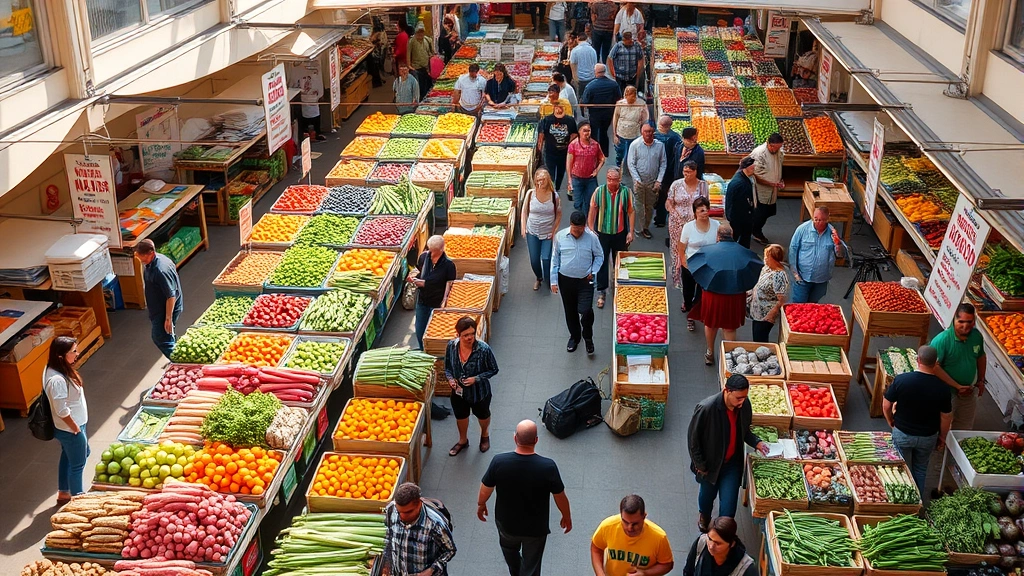
Tourism-driven retail extends far beyond traditional souvenir shops. Restaurants, fashion boutiques, art galleries, accommodations, and food markets all benefit significantly from visitor spending. The average international visitor spends €850-1,200 during their Tuscan visit, with approximately 35-40% allocated to retail and dining experiences. This substantial spending power creates opportunities for businesses that effectively market to and serve international clientele.
Seasonal tourism fluctuations create both opportunities and challenges. Peak seasons (April-May and September-October) generate maximum revenue but require substantial staffing and inventory investments. Shoulder seasons (March, June, November) offer moderate activity with lower operational costs. Winter months (January-February, December after holidays) present the lowest tourist traffic but opportunity for local market focus and inventory clearance activities.
Agricultural and Food Market Trends
Tuscany’s agricultural heritage remains central to its market identity and economic performance. The region produces world-renowned products including Chianti wines, extra virgin olive oil, pecorino cheese, and specialty meats, collectively representing a €3.2 billion annual market segment. These agricultural products drive significant tourism, export revenue, and local economic development.
Farm-to-table and direct-to-consumer models are experiencing explosive growth in Tuscany. Consumers increasingly seek direct relationships with producers, valuing transparency, freshness, and authentic products. Digital platforms connecting producers directly with consumers have reduced traditional distribution intermediaries, improving margins for farmers while offering consumers better pricing and quality. This trend significantly impacts traditional wholesale and retail food distribution channels.
Organic and biodynamic agriculture continues expanding in Tuscany, driven by consumer demand and environmental sustainability commitments. Approximately 18% of Tuscan agricultural land now operates under organic certification, compared to 12% nationally. Organic products command 25-40% price premiums, making organic farming increasingly attractive to producers despite higher operational costs and certification requirements.
Wine market dynamics reflect broader trends in Tuscan agriculture. While traditional Chianti maintains strong international demand, emerging wine regions and alternative varietals are gaining market share. Younger consumers show growing interest in natural wines, organic viticulture, and sustainability practices, shifting preferences away from exclusively premium, traditionally-produced wines.
Sustainability and Ethical Commerce
Sustainability has evolved from a niche concern to a mainstream market imperative in Tuscany. Environmental consciousness, driven by both consumer demand and regulatory requirements, fundamentally shapes business practices across retail, manufacturing, and hospitality sectors. Businesses that fail to address sustainability concerns face declining customer loyalty, regulatory penalties, and reputational damage.
Circular economy principles are gaining traction in Tuscan commerce. Businesses implementing product recycling programs, packaging reduction initiatives, and secondhand resale channels report increased customer engagement and differentiation from competitors. Fashion retailers, in particular, are pioneering circular models through rental services, consignment programs, and repair offerings that extend product lifecycles and reduce environmental impact.
Supply chain transparency has become a competitive differentiator in Tuscan markets. Consumers increasingly demand information about product origins, manufacturing practices, labor conditions, and environmental impacts. Businesses leveraging blockchain technology, third-party certifications, and detailed supply chain documentation build consumer trust and justify premium pricing. This transparency extends to market dynamics and business performance, where publicly-traded companies face increasing scrutiny regarding sustainability metrics.
Regulatory compliance regarding sustainability continues intensifying. The European Union’s circular economy action plan, coupled with Italian national environmental regulations, imposes mandatory requirements for packaging reduction, waste management, and carbon reporting. Businesses must budget for compliance investments and view sustainability not merely as a marketing opportunity but as an operational necessity.
Strategic Marketing Approaches for Tuscan Markets
Effective marketing in Tuscany requires understanding regional preferences, cultural nuances, and consumer expectations. Generic, one-size-fits-all approaches consistently underperform compared to localized strategies that acknowledge regional distinctiveness and consumer sophistication. Tuscan consumers, particularly in metropolitan areas, exhibit high media literacy and skepticism toward inauthentic marketing messages.
Content marketing focused on storytelling and cultural connection resonates powerfully with Tuscan audiences. Rather than promoting product features, successful brands narrate compelling stories about heritage, craftsmanship, regional authenticity, and cultural significance. This approach aligns with Tuscan values emphasizing quality, tradition, and meaningful human experiences over transactional consumption.
Influencer partnerships must be carefully curated for Tuscan market relevance. Micro-influencers with authentic connections to Tuscan culture and communities often outperform major international influencers lacking regional credibility. Local food bloggers, artisan promoters, and cultural commentators carry substantial influence within their communities and among followers seeking authentic perspectives.
Social media strategies should prioritize Instagram and TikTok for younger demographics while maintaining Facebook presence for older consumer segments. Visual content showcasing regional landscapes, artisanal processes, and cultural events performs exceptionally well. User-generated content campaigns encouraging customers to share their Tuscan experiences build community engagement and authentic brand advocacy.
Email marketing remains effective in Tuscany when personalized and segmented appropriately. Promotional emails with generic messaging underperform, while tailored communications addressing specific customer interests, purchase history, and preferences generate significantly higher engagement rates. Seasonal campaigns aligned with tourism peaks and cultural events demonstrate strong performance.
Search engine optimization targeting region-specific keywords ensures visibility among Tuscan consumers and international visitors seeking Tuscan products and services. Long-tail keywords incorporating “Tuscan,” “Tuscany,” and specific town names capture high-intent search traffic. Local SEO optimization, including Google Business Profile management and location-specific content, drives foot traffic to physical retail locations.
FAQ
What is the current size of the Tuscan retail market?
The Tuscan retail market is valued at approximately €28-32 billion annually, representing roughly 8% of Italy’s total retail market. This figure includes both physical and e-commerce channels across all retail categories.
How has e-commerce transformed the Tuscan market?
E-commerce has grown 15-18% annually in Tuscany, with mobile commerce accounting for 72% of online transactions. Omnichannel retail integration has become essential, with consumers expecting seamless experiences across online and physical channels.
What products perform best in the Tuscan luxury segment?
Luxury fashion, artisanal crafts, premium wines, high-end olive oils, and exclusive home furnishings dominate the Tuscan luxury market. Sustainability and ethical sourcing have become critical factors influencing luxury purchasing decisions.
How do seasonal tourism patterns affect local businesses?
Peak tourism seasons (April-May, September-October) generate 40-50% of annual retail revenues, requiring significant staffing and inventory investments. Businesses must develop strategies to maintain profitability during lower-traffic winter months through local market focus and operational efficiency.
What sustainability practices are most important in Tuscan commerce?
Supply chain transparency, packaging reduction, circular economy models, organic certification, and carbon footprint reduction are increasingly non-negotiable. Consumers expect businesses to demonstrate genuine environmental commitment through concrete actions, not merely marketing claims.
How should businesses approach marketing to Tuscan consumers?
Localized strategies emphasizing storytelling, cultural authenticity, and regional heritage outperform generic approaches. Successful marketing acknowledges Tuscan consumer sophistication, values quality and tradition, and builds genuine connections rather than pursuing transactional relationships.
What role do international visitors play in the Tuscan market?
International tourists comprise 68% of Tuscany’s 9.5 million annual visitors and spend €850-1,200 per visit, with 35-40% allocated to retail and dining. Businesses should develop multilingual offerings and international payment capabilities to capture this substantial spending.