Exploring Poteet Flea Market: Texas Local Gems and Economic Impact
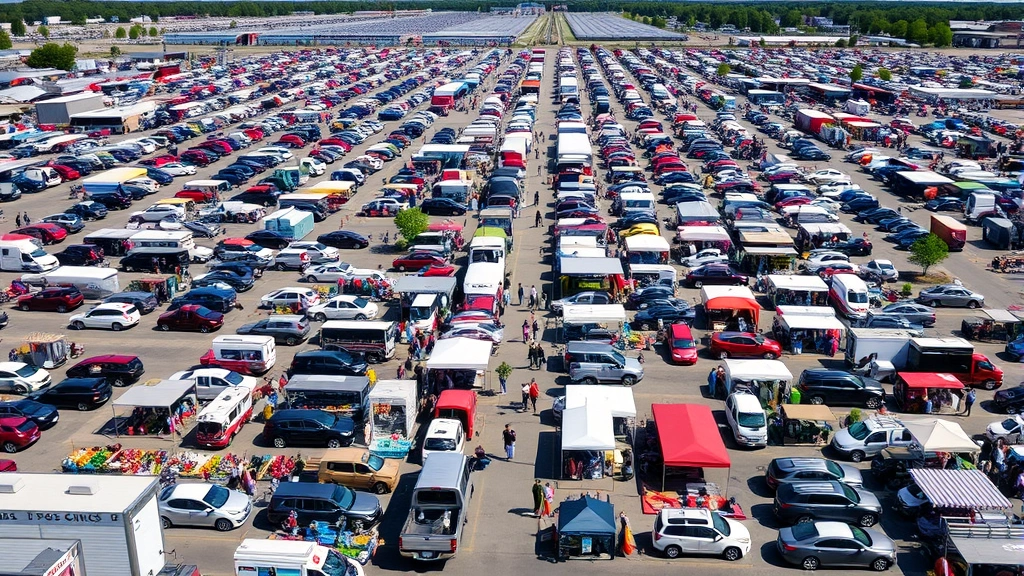
Poteet Flea Market stands as one of Texas’s most vibrant outdoor shopping destinations, attracting thousands of visitors annually seeking unique treasures, vintage collectibles, and locally sourced goods. Located in Poteet, Texas—a charming rural community in Atascosa County—this sprawling marketplace has become a cultural institution that reflects the entrepreneurial spirit of South Texas. Whether you’re a seasoned collector, casual shopper, or business enthusiast interested in understanding local retail ecosystems, the Poteet Flea Market offers valuable insights into how community-driven commerce operates in the modern economy.
The flea market phenomenon has transformed significantly over the past two decades, evolving from simple weekend yard sales into sophisticated retail operations that generate substantial economic activity. Poteet’s market exemplifies this transformation, serving as a microcosm of broader retail trends affecting small-town Texas economies. Understanding what makes this marketplace successful requires examining vendor diversity, customer behavior patterns, and the strategic positioning that keeps this venue relevant in an increasingly digital commerce landscape.
History and Development of Poteet Flea Market
The Poteet Flea Market emerged during the 1980s when local entrepreneurs recognized the potential for establishing a centralized marketplace in this agricultural community. What began as an informal gathering of vendors selling surplus goods and secondhand items has evolved into a professionally managed operation spanning multiple acres. The market’s growth trajectory mirrors broader shifts in consumer behavior, particularly the increasing demand for sustainable shopping practices and vintage merchandise that characterize contemporary retail trends.
Poteet’s strategic location between San Antonio and Corpus Christi positioned the market advantageously for attracting both regional day-trippers and serious collectors willing to travel significant distances. The community’s agricultural heritage—Poteet is famous for strawberry production—created natural synergies with agritourism and outdoor marketplace activities. Local government support and vendor reinvestment gradually transformed the flea market from a simple weekend operation into a destination that operates year-round with scheduled events and seasonal promotions.
The market’s development coincided with changing attitudes toward shopping venues. As research from the National Retail Federation indicates, experiential shopping and community-oriented retail spaces have gained prominence as consumers seek alternatives to impersonal big-box stores. Poteet Flea Market successfully positioned itself as precisely this type of venue—a gathering place where shopping intertwines with social interaction and community building.
Vendor Diversity and Product Categories
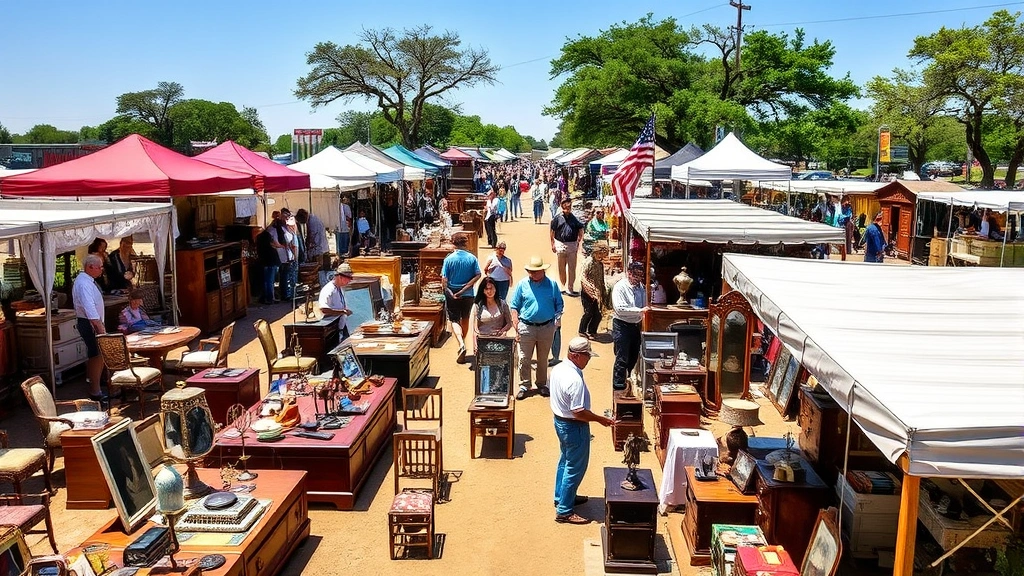
The marketplace’s strength derives substantially from its impressive vendor diversity. On any given weekend, you’ll encounter vendors specializing in antiques, collectibles, furniture, clothing, electronics, tools, jewelry, home décor, and produce. This product range heterogeneity creates what retailers call a “destination effect”—customers visit once for a specific item category but remain to browse other offerings, increasing overall transaction value and visit duration.
Vendor categories break down into several distinct segments. Antique dealers and vintage specialists form the market’s prestige tier, offering curated collections of mid-century furniture, vintage glassware, and collectible memorabilia. These vendors typically maintain permanent booth spaces and develop loyal customer bases that return regularly. Their presence elevates the market’s overall perception and attracts customers seeking authentic vintage merchandise rather than mass-produced reproductions.
A second vendor tier comprises general merchandise sellers offering practical household goods, clothing, and electronics at discounted prices. These vendors typically source inventory from liquidation sales, overstock situations, and wholesale channels. Their competitive pricing attracts price-conscious shoppers and families seeking value, broadening the market’s demographic appeal. Understanding effective marketing strategies for small retailers helps these vendors maintain competitiveness despite operating in a crowded marketplace.
Local artisans and craftspeople represent a third important segment, offering handmade goods including jewelry, pottery, wood crafts, and artwork. This category has expanded significantly as consumer interest in locally-made and artisanal products has grown. These vendors contribute to the market’s authentic character and align with broader consumer trends favoring small business support and sustainable production practices.
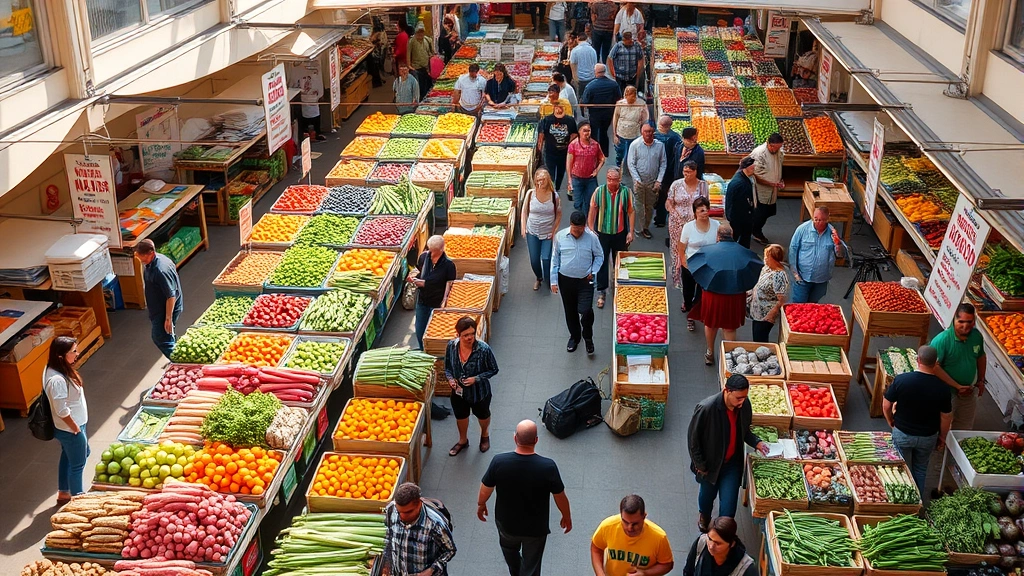
Produce vendors and food purveyors, particularly those selling locally-grown strawberries and agricultural products, maintain Poteet’s connection to its farming heritage while providing practical shopping options that enhance the overall visitor experience.
Customer Demographics and Shopping Patterns
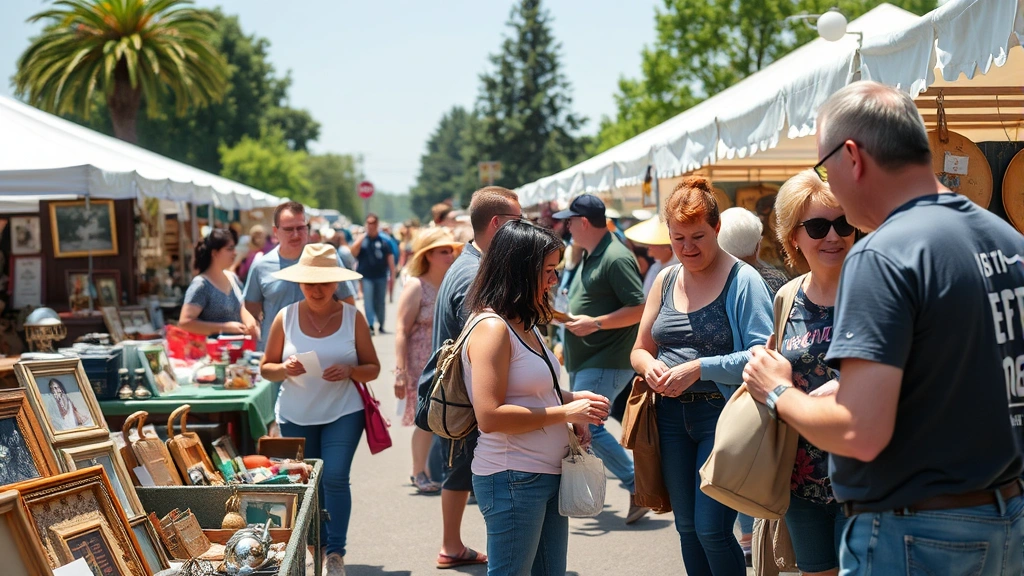
Poteet Flea Market attracts remarkably diverse customer demographics, from retired collectors and antique enthusiasts to young families seeking affordable merchandise and weekend entertainment. Research on consumer behavior trends shows that flea market shoppers increasingly represent millennial and Gen Z consumers interested in sustainable consumption and secondhand shopping as environmental responsibility.
Seasonal patterns significantly influence visitor traffic. Peak seasons typically occur during spring and fall when weather conditions are optimal for outdoor shopping. Holiday seasons generate increased visits as customers seek unique gift options and decorative items. Summer months see steady traffic, while winter generally experiences reduced foot traffic despite year-round operations.
Visitor origin data reveals that while local and regional customers form the core audience, the market attracts tourists from across Texas and neighboring states. Visitors often combine their Poteet visit with trips to nearby attractions, making the flea market part of broader regional tourism strategies. This geographic diversity requires marketing approaches that balance local community engagement with regional destination promotion.
Shopping behavior patterns indicate that successful flea market customers employ specific strategies. Early arrival provides access to newly-stocked booths and better selection. Regular visitors develop relationships with preferred vendors and receive advance notice of special inventory. Serious collectors often visit multiple times monthly, treating the market as a primary source for specialized merchandise. Casual shoppers typically visit less frequently, often for specific occasions or when entertaining out-of-town guests.
Economic Impact on Local Community
The Poteet Flea Market generates substantial economic benefits extending far beyond direct vendor revenue. Market operations create employment opportunities for permanent staff managing facilities, security, and administration. Hundreds of vendors rely on the market as either primary or supplementary income sources, with many operating as independent small business entrepreneurs. This vendor ecosystem represents significant entrepreneurial activity that contributes to local economic resilience.
Visitor spending extends throughout the community. Restaurants, gas stations, hotels, and other retail establishments benefit from the customer traffic generated by the flea market. Regional tourism data demonstrates that flea market visitors typically spend additional money at nearby establishments, multiplying the economic impact beyond the market itself. This multiplier effect strengthens the entire local economy and justifies community investment in market infrastructure and promotion.
The market also generates tax revenue through vendor booth rental fees, sales tax collection, and business licensing. These revenues support local government services and infrastructure maintenance. Additionally, the flea market enhances Poteet’s regional reputation, attracting attention to the community and supporting broader economic development initiatives. Understanding how local retail ecosystems function helps communities optimize their marketplace operations for maximum economic benefit.
Real estate values in proximity to the flea market benefit from increased property visibility and foot traffic. Business owners recognize that locations near the market enjoy enhanced customer exposure, supporting local commercial property values and encouraging new business development in the area.
Operational Excellence and Market Management
Professional market management distinguishes Poteet Flea Market from informal or poorly-organized venues. Effective management encompasses vendor relations, customer experience optimization, facility maintenance, security, and strategic marketing. These operational elements create the reliability and quality that encourage repeat visits and positive word-of-mouth promotion.
Vendor management practices include booth allocation systems, fee structures, and quality standards that maintain marketplace professionalism. Successful markets establish clear policies regarding acceptable merchandise, booth appearance, and customer service expectations. These standards prevent the decline into chaos that characterizes poorly-managed flea markets and protect customer confidence in product authenticity and vendor reliability.
Customer experience enhancements include adequate parking, clear signage, seating areas, and food vendors. These amenities recognize that flea market shopping involves extended browsing periods and require physical comfort. Markets that prioritize customer experience generate higher visitor satisfaction and frequency, creating competitive advantages over alternative shopping venues.
Security and safety protocols protect both vendors and customers. Professional markets employ security personnel, establish clear operating hours, and implement loss prevention measures that deter theft while maintaining a welcoming atmosphere. These investments reduce vendor losses and protect customer confidence in the marketplace.
Technology integration increasingly characterizes modern flea market operations. Many vendors now accept digital payments alongside cash transactions, expanding payment flexibility. Some markets utilize online platforms for advance booth reservations or vendor communication. However, successful markets maintain the in-person, tactile shopping experience that distinguishes flea markets from purely digital commerce channels.
Competition and Market Positioning
The Poteet Flea Market operates within a competitive landscape that includes other Texas flea markets, online resale platforms, and traditional retail establishments. Understanding competitive positioning requires analyzing what unique advantages the market offers compared to alternatives. Digital marketing trends increasingly influence how flea markets attract customers, as discussed in our analysis of 2025 marketing trends.
Online resale platforms like eBay, Facebook Marketplace, and Etsy represent significant competition for vintage and collectible merchandise. However, these platforms cannot replicate the in-person discovery experience, immediate transaction completion, and community atmosphere that characterize successful flea markets. Poteet’s competitive advantage derives from offering an experience rather than merely serving as a transaction venue.
Other Texas flea markets, including those in Dallas, Houston, and Austin, compete for visitor attention and vendor participation. Poteet differentiates itself through authentic local character, agricultural heritage connections, and the genuine community atmosphere that attracts customers seeking authentic marketplace experiences rather than commercialized entertainment venues.
Traditional retail competition has diminished as big-box stores and shopping malls have declined in consumer preference. This shift actually benefits flea markets by making them more attractive alternatives to impersonal chain retail. The National Retail Federation research on consumer preferences confirms that experiential and community-oriented retail continues gaining market share.
Poteet’s positioning emphasizes authenticity, value, and community. Marketing communications highlight the unique merchandise, local vendor stories, and family-friendly atmosphere. This positioning attracts customers seeking alternatives to mass-market retail while differentiating the market from competitors emphasizing entertainment or commercialized experiences.
Future Growth Opportunities
The Poteet Flea Market faces numerous opportunities for strategic expansion and enhancement. Digital integration represents a primary growth vector, with potential applications including online vendor directories, advance shopping guides, and virtual booth previews. However, digital enhancements must complement rather than replace the in-person experience that defines flea market appeal.
Seasonal event programming could expand beyond standard weekend operations. Themed markets celebrating specific product categories, vendor spotlights, or seasonal themes could attract new customer segments and increase visit frequency among existing customers. Educational programming, including antique appraisal events or vendor workshops, could position the market as a community resource beyond simple commerce.
Vendor development initiatives could strengthen the ecosystem by providing training, financial resources, or mentoring to emerging vendors. Supporting vendor success directly supports market growth, as satisfied vendors invest in improved booth presentations and expanded inventory. Understanding fundamental business concepts helps vendors optimize their operations and profitability.
Strategic partnerships with tourism agencies, regional attractions, and hospitality providers could increase visitor traffic through coordinated marketing and package promotions. Positioning the market as a destination within broader regional tourism strategies could expand the customer base beyond current geographic reach.
Sustainability initiatives, including recycling programs and environmental certifications, could appeal to environmentally-conscious consumers while aligning with broader consumer trends. Marketing the market’s sustainability benefits supports competitive differentiation and attracts values-aligned customers.
Infrastructure improvements, including expanded facilities, enhanced amenities, and improved accessibility, could accommodate growth while maintaining the authentic marketplace atmosphere. Balancing expansion with character preservation represents a critical strategic challenge requiring careful planning.
FAQ
What days and hours does Poteet Flea Market operate?
Poteet Flea Market typically operates on weekends year-round, with specific hours varying seasonally. It’s advisable to check current operating hours before visiting, as schedules may change for holidays or special events. Many vendors also attend during weekday periods during peak seasons.
How much does vendor booth rental cost?
Booth rental fees vary based on space size and location within the market. Premium locations near entrances typically command higher fees than interior spaces. Vendors can contact market management for current pricing and availability information. Many vendors operate on both regular booth rental and temporary space arrangements.
What types of merchandise are prohibited at Poteet Flea Market?
Like most organized flea markets, Poteet prohibits certain merchandise categories including illegal goods, counterfeit items, and products requiring special licensing. Specific restrictions are outlined in vendor agreements. Management enforces quality standards to maintain marketplace integrity and customer confidence.
Is the market accessible for visitors with mobility limitations?
Accessibility varies depending on specific locations within the market. Parking areas typically include designated accessible spaces, and main pathways are generally navigable. However, the outdoor venue and uneven terrain may present challenges for some visitors. Contacting market management can provide specific accessibility information.
Can I negotiate prices with vendors?
Price negotiation is common and expected at flea markets, though success depends on individual vendor policies. Many vendors price items with negotiation in mind and expect reasonable offers, particularly on larger purchases. However, some vendors, especially those selling collectibles with established values, may maintain firm pricing.
How do I become a vendor at Poteet Flea Market?
Prospective vendors should contact market management directly to inquire about booth availability and application procedures. Most markets require vendor information, merchandise type descriptions, and sometimes references. New vendors may have application fees and must comply with established policies regarding merchandise and booth presentation.
What payment methods do vendors accept?
While cash remains the traditional flea market payment method, increasing numbers of vendors now accept digital payments including credit cards and mobile payment platforms. However, cash availability is advisable as not all vendors accept digital payments. ATMs are typically available at the market location.