Pono Market Kauai: Local’s Choice for Fresh Finds
Nestled in the heart of Kauai, Pono Market has become a cornerstone of the local community, offering residents and visitors alike an authentic shopping experience centered on fresh, locally-sourced products. The name “Pono” carries deep Hawaiian meaning—it refers to righteousness, balance, and living in harmony with nature—values that are reflected in every aspect of this beloved market. For decades, Pono Market Kauai has maintained its commitment to supporting local farmers, artisans, and producers while providing the island community with quality groceries and specialty items that celebrate Hawaiian culture and sustainable practices.
In an era where chain supermarkets dominate the retail landscape, Pono Market stands out as a testament to the power of community-driven commerce. The market has successfully blended traditional Hawaiian values with modern retail practices, creating a unique shopping destination that prioritizes both customer satisfaction and environmental responsibility. Whether you’re searching for freshly-caught seafood, organic produce, or locally-made crafts, Pono Market Kauai delivers an experience that goes far beyond typical grocery shopping.

Understanding Pono Market Kauai’s Community Impact
Pono Market Kauai represents more than just a place to purchase groceries—it’s a vital economic engine for the island’s local economy. By prioritizing relationships with nearby farms and producers, the market ensures that dollars spent within its walls directly support Kauai’s agricultural community. This economic model creates a multiplier effect, where revenue circulates through the local economy multiple times before leaving the island.
The market’s commitment to community extends beyond economics. Pono Market actively participates in local events, sponsors community initiatives, and serves as a gathering place for residents. Many customers view shopping at Pono as an investment in their island’s future, a conscious choice to support sustainable local commerce rather than enriching distant corporations. This emotional connection transforms routine shopping into a meaningful community participation act.
According to research from the International Food Information Council, consumers increasingly prioritize local sourcing and community impact when making purchasing decisions, with 65% of shoppers willing to pay premium prices for locally-sourced products. Pono Market capitalizes on this consumer trend while maintaining its authentic commitment to island values. The market has become a model for how independent retailers can thrive in competitive markets by emphasizing their unique community connections and values-driven approach.
Fresh Produce and Local Sourcing Philosophy
The foundation of Pono Market Kauai’s success lies in its unwavering commitment to fresh, locally-sourced produce. The market works directly with Kauai’s network of farmers, ensuring that fruits, vegetables, and herbs reach customers at peak freshness while supporting agricultural livelihoods on the island. This direct-to-consumer model eliminates unnecessary middlemen, reduces transportation costs, and guarantees superior product quality compared to items shipped from mainland distribution centers.
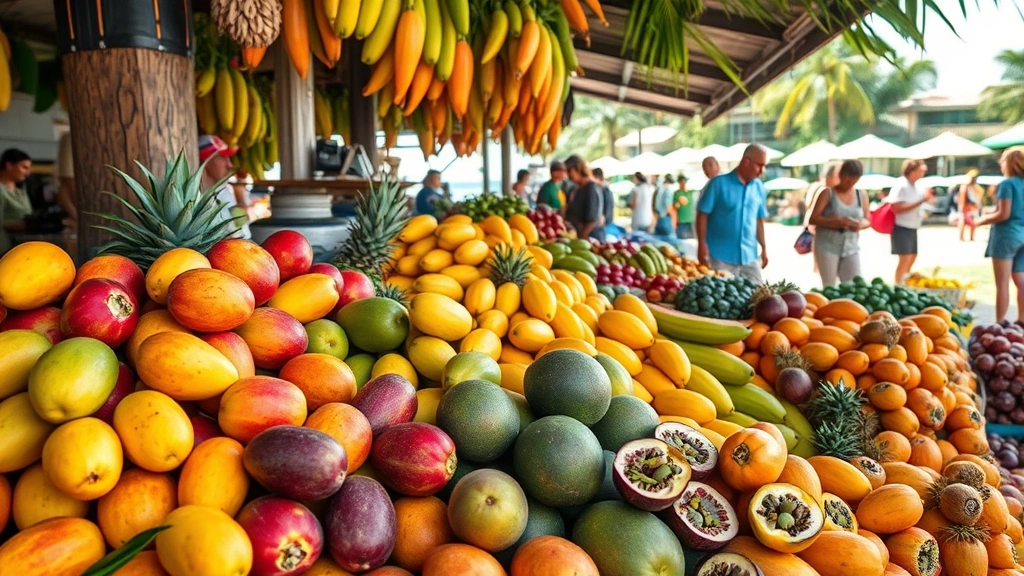
Pono Market’s produce selection reflects Kauai’s diverse agricultural heritage. Shoppers can find tropical fruits like mango, papaya, and passion fruit alongside traditional Hawaiian crops such as taro and sweet potato. The market also stocks seasonal vegetables that change throughout the year, encouraging customers to adapt their cooking and eating habits to what’s naturally thriving on the island. This seasonal approach aligns with modern nutritional science, which suggests that eating seasonally-available produce provides optimal nutritional benefits and supports natural food cycles.
Quality control at Pono Market exceeds standard grocery industry practices. Produce is inspected daily, with careful attention to ripeness, appearance, and nutritional integrity. The market’s staff maintains close relationships with farmers, understanding cultivation methods, harvest timing, and storage techniques that preserve quality. For customers interested in learning more about how retail markets operate, exploring markets near me can provide insights into local sourcing practices across different regions.
The market also offers organic and pesticide-free options for health-conscious consumers. Many Kauai farmers practice sustainable agriculture without synthetic chemicals, aligning with both environmental stewardship and consumer wellness priorities. By featuring these products prominently, Pono Market validates the work of island farmers committed to regenerative agriculture while meeting growing demand for organic options.
Specialty Items and Local Artisan Products
Beyond fresh produce, Pono Market Kauai distinguishes itself through an impressive selection of specialty items and locally-made products that celebrate Hawaiian culture and island entrepreneurship. The market dedicates significant shelf space to artisan goods created by Kauai residents, from locally-roasted coffee to handcrafted preserves and specialty sauces. This focus on local artisans transforms the market into a cultural hub where shoppers discover unique products unavailable through conventional retail channels.
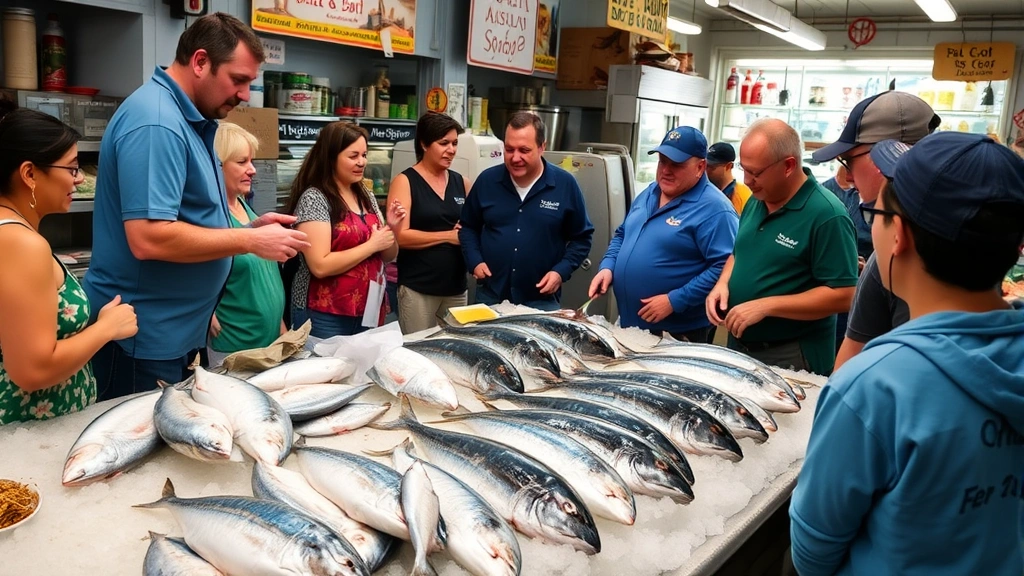
The seafood section at Pono Market represents another area of excellence. Working with local fishermen, the market offers fresh catch that often arrived on the island within hours of being harvested. Items like opah, ahi, and local snapper provide customers with nutritious protein options while supporting the island’s fishing community. The market’s transparency about sourcing—including information about which boats caught specific fish—appeals to environmentally-conscious consumers interested in sustainable fishing practices.
Pono Market also features locally-made prepared foods and ready-to-eat options, catering to busy island residents and tourists seeking authentic Hawaiian cuisine. These items, prepared fresh daily, showcase traditional recipes and modern culinary innovation. The prepared food section demonstrates how independent markets can compete with fast-food chains by offering quality alternatives that celebrate local food culture. Those interested in understanding broader retail food trends might explore the Market Rise Hub Blog for industry insights and analysis.
Specialty beverages, including locally-brewed kombucha, fresh juices, and artisan teas, occupy premium shelf space reflecting their popularity among health-conscious shoppers. The market carefully curates these selections, often featuring products from micro-producers who might struggle to find retail distribution through larger chains. This curation creates a treasure-hunt shopping experience where customers regularly discover new local products.
Shopping Experience and Customer Service Excellence
Pono Market Kauai distinguishes itself through exceptional customer service that reflects the island’s aloha spirit. Staff members are knowledgeable about products, willing to discuss sourcing details, and genuinely engaged with customer needs. This level of service contrasts sharply with large-format supermarkets where employees are often undertrained and overworked. At Pono Market, shopping feels like visiting a community gathering place rather than navigating an impersonal retail environment.
The market layout encourages exploration and discovery. Products are organized logically while still maintaining surprises—customers often encounter new items or seasonal specials while shopping for staples. This merchandising approach increases customer engagement and average transaction values while enhancing the overall shopping experience. The physical environment itself communicates values through tasteful displays celebrating local agriculture and Hawaiian culture.
For businesses looking to improve their own customer service and marketing approaches, understanding retail best practices is essential. marketing strategy for startups provides frameworks that even established retailers like Pono Market can leverage to enhance their competitive positioning and customer relationships. Similarly, best marketing tools for small businesses explores technologies that help independent retailers compete effectively against larger chains.
Pono Market has embraced technology thoughtfully, implementing systems that enhance rather than replace human interaction. Online ordering options, loyalty programs, and digital marketing efforts complement the traditional shopping experience without diminishing the personal connections that define the market’s appeal. This balanced approach to technology adoption positions Pono Market well for long-term success in an increasingly digital retail landscape.
Sustainability Practices in Island Retail
Operating on an island presents unique environmental challenges and opportunities, which Pono Market addresses through comprehensive sustainability practices. The market actively minimizes packaging waste by encouraging customers to bring reusable bags and containers. Many products are sold in bulk, allowing customers to purchase exactly what they need while reducing unnecessary packaging materials. This approach aligns with growing consumer demand for sustainable retail practices, particularly among environmentally-conscious island residents.
Pono Market has implemented waste reduction programs throughout its operations. Composting programs handle organic waste from produce and prepared foods, returning nutrients to the island’s soil rather than creating landfill burden. The market also partners with local organizations to donate unsold but still-edible products, reducing food waste while addressing food insecurity issues within the community. These initiatives demonstrate how retail businesses can integrate social responsibility into core operations.
Energy efficiency represents another sustainability priority. The market has invested in LED lighting, efficient refrigeration systems, and water-saving technologies that reduce operational environmental impact. These investments require significant capital but provide long-term cost savings while demonstrating genuine commitment to environmental stewardship. For retailers interested in understanding broader sustainability trends in commerce, Forbes Retail Coverage provides industry analysis and case studies.
Supply chain sustainability is perhaps Pono Market’s most distinctive feature. By sourcing primarily from local producers, the market dramatically reduces transportation distances and associated carbon emissions. Products that travel from farms to market within hours rather than across thousands of miles represent a fundamentally more sustainable approach to food retail. This local-first sourcing philosophy provides environmental benefits while creating economic advantages for island farmers.
Competitive Advantages in the Local Market
In an increasingly competitive retail landscape, Pono Market Kauai has developed distinctive advantages that secure its position as the local’s choice for fresh finds. The market’s deep community roots, built over decades of consistent values-driven operations, create customer loyalty that transcends price competition. Shoppers choose Pono Market not merely because of product availability or competitive pricing, but because shopping there aligns with their values and supports their community.
The market’s product differentiation is substantial. Items available at Pono Market simply cannot be found through conventional retail channels, particularly locally-made artisan products and specialty produce from island farmers. This differentiation creates a value proposition that chain supermarkets cannot replicate, regardless of their pricing power or operational efficiency. Customers visit Pono Market for unique products and experiences unavailable elsewhere.
Brand identity represents another competitive strength. Pono Market has carefully cultivated a brand associated with authenticity, quality, and community values. This brand positioning attracts customers willing to pay premium prices for products and experiences aligned with their beliefs. In digital marketing trends 2025, authenticity and values-alignment emerge as increasingly important factors in consumer decision-making, particularly among younger demographics prioritizing social responsibility.
The market’s location and role as a community gathering space provide additional competitive advantages. Customers view shopping at Pono Market as participation in community life rather than mere transaction completion. This emotional connection creates switching costs—customers would sacrifice convenience and potentially pay higher prices to maintain their relationship with Pono Market rather than shift to competitors. Such loyalty represents valuable competitive moat in retail markets.
Future Growth and Market Expansion
As Pono Market Kauai looks toward the future, growth opportunities exist without compromising the values that define the brand. Potential expansion could include additional locations on Kauai, serving underserved areas while maintaining the market’s distinctive character. Expansion requires careful planning to ensure new locations maintain the community focus and local sourcing philosophy that distinguish Pono Market from competitors.
Digital commerce presents another growth avenue. While Pono Market’s physical location and community gathering function are essential to its identity, thoughtful e-commerce integration could extend reach to customers unable to visit in person. Online ordering with local delivery options could serve elderly residents, busy professionals, and others who value Pono Market’s products but face shopping barriers. Such digital expansion would complement rather than replace the physical market experience.
Product line expansion offers growth opportunities aligned with market values. Developing private-label products featuring local ingredients could increase margins while deepening relationships with island producers. Pono Market-branded items would celebrate the market’s role in island commerce while providing unique products unavailable elsewhere. This strategy has succeeded for many independent retailers seeking to differentiate and improve profitability.
Community education initiatives could deepen customer relationships while supporting the market’s mission. Cooking classes featuring local ingredients, agricultural workshops discussing island farming, and cultural events celebrating Hawaiian food traditions would strengthen Pono Market’s position as a community institution. Such initiatives generate customer engagement while advancing the market’s values-driven mission. For insights into how retailers can leverage educational content for growth, Market Basket Careers illustrates how employee development and community investment drive organizational success.
Pono Market Kauai represents a compelling model for sustainable retail success. By prioritizing community values, local sourcing, and authentic customer relationships over pure profit maximization, the market has built a thriving business that serves its community while remaining economically sustainable. As retail continues evolving, Pono Market’s example demonstrates that independent retailers can compete effectively by offering something chain stores cannot: genuine connection to community and authentic commitment to local values.
FAQ
What makes Pono Market Kauai different from chain supermarkets?
Pono Market Kauai differentiates itself through direct relationships with local farmers and artisans, commitment to Hawaiian values and sustainability, personalized customer service reflecting island culture, and unique products unavailable through conventional retail. The market prioritizes community impact and environmental stewardship alongside profitability, creating an experience that transcends typical grocery shopping.
Does Pono Market Kauai offer organic and pesticide-free products?
Yes, Pono Market features numerous organic and pesticide-free options from local farmers practicing sustainable agriculture. The market prominently displays these products and educates customers about production methods. Staff can discuss specific farming practices and sourcing details with interested shoppers.
What types of local artisan products are available?
Pono Market stocks locally-made items including roasted coffee, preserves, specialty sauces, prepared foods, beverages, crafts, and other artisan goods created by Kauai residents. The selection changes seasonally and regularly features new products from micro-producers seeking retail distribution.
Does Pono Market Kauai have prepared food options?
Yes, the market offers fresh prepared foods and ready-to-eat options prepared daily, featuring traditional Hawaiian recipes and modern culinary innovation. These items provide convenient alternatives to fast food while celebrating local food culture.
How does Pono Market support local farmers and producers?
Pono Market works directly with island farmers and artisans, ensuring fair pricing, consistent orders, and reliable retail distribution. This direct relationship eliminates middlemen, reduces transportation costs, and guarantees superior freshness while supporting agricultural livelihoods on Kauai.
Is Pono Market Kauai environmentally sustainable?
Yes, the market implements comprehensive sustainability practices including waste reduction and composting programs, energy-efficient operations, water conservation, packaging minimization, and local sourcing that dramatically reduces transportation emissions. These initiatives demonstrate genuine commitment to environmental stewardship.


