Top Finds at Ogden Farmers Market: Local Picks for Smart Shoppers
The Ogden Farmers Market stands as a cornerstone of community commerce in northern Utah, offering residents direct access to locally-grown produce, artisan goods, and sustainable food sources. Unlike conventional retail environments, farmers markets create unique value propositions for both consumers and vendors—a dynamic that’s reshaping how people approach grocery shopping and supporting local economies. Whether you’re seeking organic vegetables, heritage-breed meats, or handcrafted products, understanding what makes the Ogden Farmers Market special requires insight into seasonal availability, vendor relationships, and the broader economic impact of direct-to-consumer agricultural sales.
This comprehensive guide explores the top finds at Ogden Farmers Market, examining seasonal produce selections, artisan vendors, pricing strategies, and how shopping locally compares to traditional retail channels. We’ll analyze data-driven shopping strategies, vendor specializations, and the economic benefits that extend beyond your grocery basket into the broader Utah community.
Seasonal Produce Selections and Peak Availability
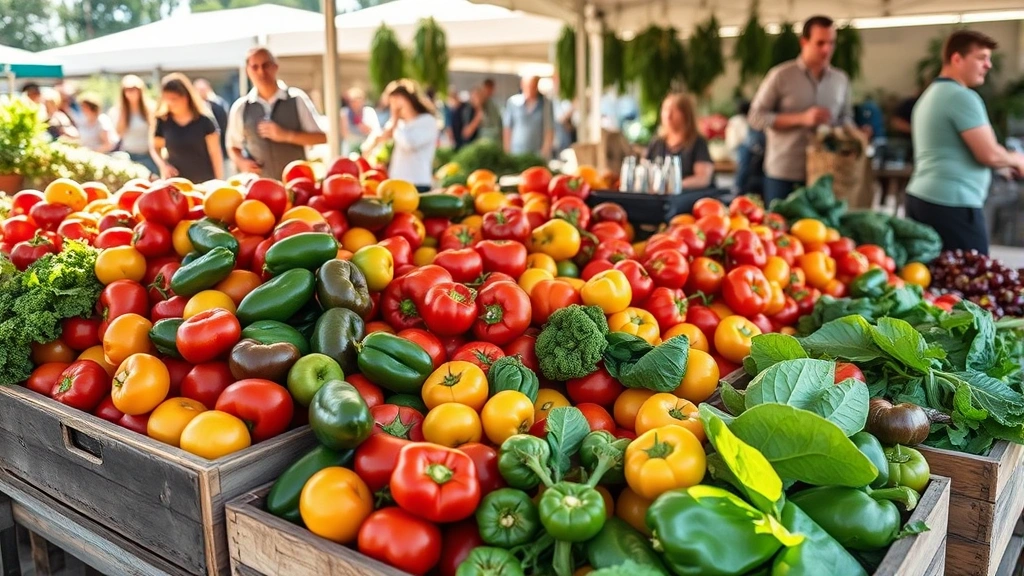
The Ogden Farmers Market operates on a seasonal calendar that directly reflects Utah’s agricultural growing season. Understanding these patterns enables shoppers to maximize both quality and pricing advantages. Spring markets (typically April through May) feature early greens, asparagus, and transplant seedlings. Summer months bring peak abundance with berries, stone fruits, tomatoes, and leafy vegetables reaching optimal ripeness and nutritional density.
According to USDA Agricultural Marketing Services, farmers markets that operate during peak season months experience 40-60% higher transaction volumes compared to shoulder seasons. At the Ogden Farmers Market, summer Saturdays consistently draw larger crowds seeking tomatoes, peaches, and corn at their peak flavor profiles. Fall harvests introduce root vegetables, winter squash, and apples, while winter markets (November through March) feature storage crops, greenhouse greens, and prepared foods that extend the market’s operational relevance year-round.
Specific seasonal finds include:
- Spring (April-May): Asparagus bunches, leafy greens (spinach, kale, lettuce varieties), peas, radishes, and herb plants for home gardens
- Summer (June-August): Berries (strawberries, raspberries, blackberries), stone fruits (peaches, apricots, plums), heirloom tomatoes, zucchini, and fresh-picked corn
- Fall (September-October): Apples, pears, grapes, root vegetables (carrots, beets, turnips), winter squash, and pumpkins
- Winter (November-March): Storage crops (potatoes, onions, garlic), greenhouse lettuce, mushrooms, honey, and preserved goods
Shopping strategically during peak season for each category ensures superior flavor profiles and typically lower prices due to vendor supply abundance. When exploring markets near you, timing your visits to coincide with peak harvest windows maximizes value.

Top Vendor Specialties and Artisan Products
The Ogden Farmers Market hosts 40-60 vendors weekly during peak season, each bringing specialized expertise and distinct product categories. Beyond commodity produce, vendors offer value-added products that command premium pricing justified by quality differentiation and labor investment.
Leading vendor categories include:
- Organic Vegetable Producers: Multiple vendors operate certified organic operations, providing pesticide-free produce with third-party verification. These operations typically command 15-25% price premiums over conventional produce, reflecting certification costs and sustainable farming practices.
- Heritage Breed Meat Vendors: Pasture-raised beef, pork, and poultry operations emphasize animal welfare and nutritional profiles. Direct-to-consumer meat sales allow farmers to retain 50-70% more margin compared to wholesale channels, enabling competitive pricing despite premium production standards.
- Artisan Bakeries: Small-batch bakers offer sourdough breads, pastries, and specialty items using quality ingredients. These products differentiate through fermentation techniques, heritage grain varieties, and production transparency unavailable in industrial bakery chains.
- Honey and Bee Products: Local apiarists provide raw honey, infused honey, propolis, and bee pollen. Raw honey commands premium pricing (typically $12-18 per pound) versus processed alternatives, justified by enzymatic content and local allergy mitigation claims.
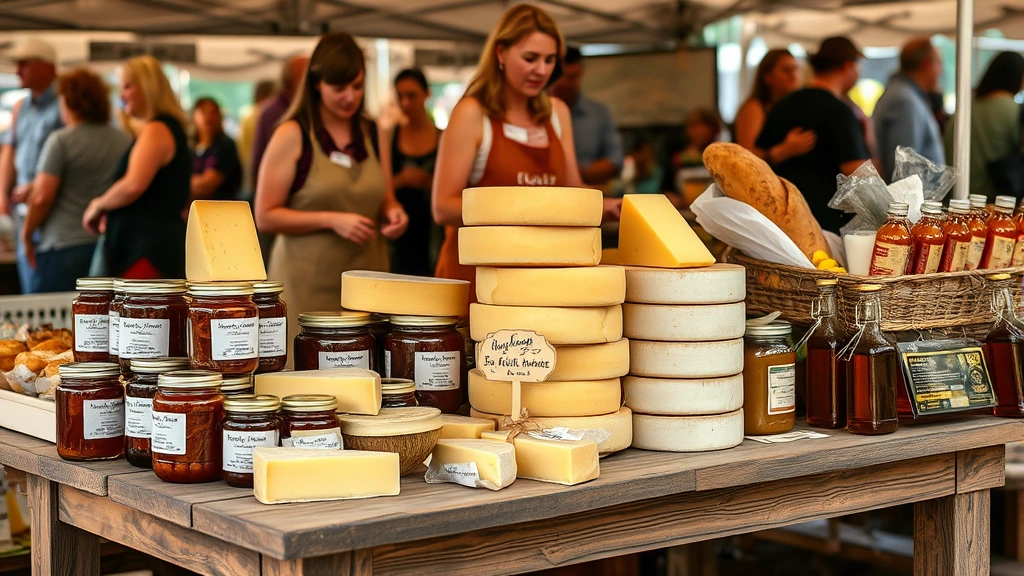
- Cheese and Dairy: Small-scale cheese makers and dairy producers offer artisan cheeses, yogurts, and butter utilizing milk from local herds. These products provide traceability and production transparency absent in mass-market alternatives.
- Prepared Foods and Value-Added Products: Vendors transform raw produce into jams, sauces, pickles, and prepared meals, capturing processing margins while extending shelf life and convenience.
Understanding vendor specializations enables strategic purchasing aligned with household preferences and budget parameters. Developing relationships with specific vendors often yields advance notice of premium products, bulk pricing opportunities, and access to pre-orders for high-demand items.
Pricing Strategy: Value vs. Conventional Retail
Price comparisons between farmers market produce and conventional supermarket channels reveal nuanced dynamics. According to USDA Farmers Market data, direct-to-consumer agricultural sales eliminate 4-6 supply chain intermediaries, theoretically enabling competitive or superior pricing despite quality premiums.
Practical pricing analysis:
- Peak-season produce: Farmers market prices typically match or undercut supermarket pricing during peak supply periods. A dozen eggs from pasture-raised hens ($4-6) compare favorably to organic supermarket alternatives ($5-8), while berries during peak season ($3-4 per pound) offer superior quality at comparable or lower pricing.
- Off-season produce: Winter market pricing increases 30-50% as supply constraints intensify. Root vegetables and storage crops remain competitively priced year-round due to extended storage capability.
- Specialty and artisan products: Heritage cheeses, small-batch preserves, and artisan breads command 20-40% premiums over mass-market alternatives, justified by production quality and differentiation.
- Bulk purchasing advantages: Vendors frequently offer volume discounts for bulk purchases (10+ pounds of produce, multiple dozen eggs), effectively reducing per-unit costs below supermarket pricing.
Strategic shoppers maximize value by purchasing peak-season produce in quantity for preservation (freezing, canning, fermenting) while limiting off-season farmers market shopping to specialty items where quality differentiation justifies premium pricing. Developing marketing strategy relationships with vendors often yields advance pricing information and bulk purchase opportunities.
Organic Certification and Quality Standards
Navigating organic certification claims requires understanding regulatory frameworks and vendor accountability mechanisms. USDA organic certification represents the most rigorous third-party verification, requiring documented compliance with federal organic standards including prohibited synthetic pesticide and fertilizer use.
Quality consideration frameworks:
- Certified organic: USDA certification requires annual inspections, detailed record-keeping, and documented compliance. Certified vendors display official USDA organic seals and maintain certification documentation available for customer review.
- Transitional organic: Farms in the three-year transition period toward certification may employ organic practices without certification eligibility. These operations offer quality benefits without certification premiums, though verification relies on vendor transparency.
- Conventional with sustainable practices: Non-certified vendors may employ environmentally responsible farming practices (reduced pesticide use, crop rotation, soil health management) without meeting organic certification standards. Vendor communication about specific practices provides transparency regarding production methods.
- Chemical-free claims: Unverified claims require skepticism. Direct vendor conversations about specific production practices provide more reliable information than marketing terminology.
Informed purchasing requires vendor engagement regarding certification status, production practices, and quality assurance mechanisms. Vendors operating under third-party certification or those demonstrating transparent production documentation provide greater confidence in quality and environmental claims.
Smart Shopping Tactics for Maximum Value
Optimizing farmers market shopping involves strategic planning, vendor relationship development, and market timing awareness. Data-driven approaches significantly enhance value realization and budget efficiency.
Implementation tactics include:
- Arrive early for peak selection: Markets typically operate 8:00 AM to 1:00 PM on Saturdays. Early arrival (within first hour) ensures maximum product availability and vendor selection, particularly for high-demand items like heritage tomatoes, specialty mushrooms, and prepared foods.
- Develop vendor relationships: Regular purchasing from specific vendors builds rapport enabling advance notification of premium products, bulk pricing, and access to items not displayed in regular booth inventory. Vendors often reserve premium selections for established customers.
- Bring cash and small denominations: While electronic payment adoption increases, cash transactions remain dominant. Small bills ($1, $5, $10) facilitate negotiations on bulk purchases and reduce vendor change-making friction.
- Plan meals around available produce: Rather than seeking specific items, planning weekly menus around abundant, peak-season produce maximizes quality and minimizes costs. This approach requires flexibility and recipe adaptation but yields superior results.
- Purchase for preservation: Buying peak-season produce in quantity for freezing, canning, or fermenting extends seasonal availability while locking in favorable pricing. A pound of strawberries frozen in June provides smoothie ingredients throughout winter at fraction of fresh winter pricing.
- Compare value across vendors: Multiple vendors often offer similar products. Comparing pricing, product quality, and vendor engagement helps identify optimal purchasing relationships. Price variations of 25-40% between vendors for identical products justify comparison effort.
- Inquire about bulk and pre-order discounts: Vendors frequently offer 10-15% discounts for bulk purchases or advance orders. Direct inquiry about discount availability often reveals pricing flexibility unavailable through standard transactions.
Developing systematic shopping approaches transforms farmers market visits from casual browsing into strategic procurement activities aligned with household nutrition and budget objectives.
Community Economic Impact and Local Support
Farmers market shopping extends economic benefits beyond individual household value propositions into broader community development. Understanding these dynamics provides context for purchasing decisions and community engagement.
Economic impact research indicates that farmers market transactions generate significant community economic activity. Every dollar spent at farmers markets circulates within local economies approximately 2-3 times, compared to 1-2 times for supermarket spending where profits flow to distant corporate entities. This multiplier effect supports local agricultural viability, farmer income stability, and community economic resilience.
Specific community benefits include:
- Agricultural preservation: Direct-to-consumer sales provide economic viability enabling small-scale farming continuation. The average farmers market vendor generates 20-30% of annual farm income through market sales, supporting farm financial sustainability and land preservation.
- Employment generation: Market operations employ vendors, staff, and support services. Peak season markets generate employment opportunities for farmers, family members, and market administrators while supporting local transportation and infrastructure services.
- Food system resilience: Distributed agricultural networks reduce supply chain vulnerability and build regional food security. Diverse local production creates redundancy in food systems while reducing transportation impacts and supply chain disruption risks.
- Community health outcomes: Research from CDC nutrition research demonstrates that farmers market access correlates with increased produce consumption and improved dietary outcomes, particularly in underserved communities.
- Environmental sustainability: Reduced transportation distances, lower chemical input requirements in many farming operations, and enhanced soil health practices generate environmental benefits exceeding conventional agricultural supply chains.
Supporting the Ogden Farmers Market contributes to agricultural viability, community economic development, and food system resilience while providing individual household benefits through superior product quality and pricing advantages during peak seasons.
Connecting with broader market trends and understanding how market insights and blog resources inform community development provides context for farmers market participation as both personal procurement strategy and community investment.
FAQ
When does the Ogden Farmers Market operate?
The Ogden Farmers Market operates year-round on Saturday mornings, typically 8:00 AM to 1:00 PM. Peak season (May through October) features maximum vendor participation and product selection, while winter months (November through March) operate with reduced vendor numbers focused on storage crops and prepared foods. Specific operating dates and vendor information are available through local community resources and market administrative contacts.
What payment methods do vendors accept?
Cash remains the dominant payment method at farmers markets, though electronic payment adoption continues increasing. Vendors increasingly accept credit/debit cards and mobile payment systems (Venmo, Apple Pay), but cash transactions remain most common. Bringing cash in small denominations ($1, $5, $10) facilitates transactions and enables bulk purchase negotiations.
How do I identify certified organic produce?
Certified organic vendors display USDA organic certification documentation and typically label produce with certification information. Direct vendor inquiry about certification status, certification organization, and production practices provides transparency. Certification documentation should be available for customer review, providing verification beyond verbal claims.
Can I negotiate prices at farmers markets?
Price negotiation is culturally acceptable at farmers markets, particularly for bulk purchases. Vendors frequently offer volume discounts for purchases exceeding standard retail quantities (10+ pounds of produce, multiple dozen eggs). Respectful inquiry about bulk pricing or end-of-market discounts often yields favorable pricing adjustments.
How should I store farmers market produce?
Storage methods vary by produce type. Leafy greens store optimally in refrigerator crisper drawers in breathable containers (3-7 day shelf life). Root vegetables and winter squash store in cool, dark environments (2-8 week shelf life). Berries refrigerate in single layers on paper towels (3-5 day shelf life). Tomatoes and stone fruits store at room temperature until ripeness, then refrigerate as needed. Vendor recommendations regarding optimal storage enhance product longevity and quality maintenance.
What advantages does farmers market shopping provide over supermarkets?
Farmers market advantages include superior produce freshness (harvested within 24 hours versus 5-14 day supermarket supply chains), direct farmer access enabling production practice transparency, competitive or superior pricing during peak seasons, reduced environmental impact through minimized transportation, and community economic support through direct farmer compensation. Trade-offs include reduced product consistency, weather-dependent availability, and limited year-round selection compared to conventional retail channels.


