Exploring Monaco Markets: Local Insights for E-Commerce Success
Monaco represents one of Europe’s most affluent and strategically positioned markets, offering unique opportunities for e-commerce businesses seeking high-net-worth consumers and luxury market penetration. With a population of approximately 36,000 residents and an estimated 30,000+ foreign workers, Monaco’s market dynamics differ significantly from broader European retail landscapes. The principality’s economy thrives on luxury goods, financial services, and premium hospitality, creating distinctive consumer behavior patterns that demand specialized market understanding.
Understanding markets in Monaco requires examining both the resident population’s purchasing power and the transient affluent visitors who frequent the region. The retail environment in Monaco combines traditional brick-and-mortar establishments with increasingly sophisticated digital commerce channels. E-commerce businesses targeting this market must recognize that Monégasque consumers prioritize quality, exclusivity, and convenience—factors that directly influence product selection, pricing strategies, and customer service approaches.
This comprehensive guide explores the multifaceted nature of Monaco’s markets, providing actionable insights for businesses seeking to establish or expand their presence in this exclusive economic zone. Whether you’re developing a marketing strategy for startups targeting Monaco or refining existing operations, understanding local market nuances proves essential for sustainable growth.
Monaco’s Economic Landscape and Consumer Demographics
Monaco’s economy ranks among the highest GDP per capita globally, with residents demonstrating exceptional purchasing power and consumption patterns that diverge dramatically from European averages. The principality’s tax structure and political stability attract wealthy individuals from across Europe, Asia, and the Americas, creating a cosmopolitan consumer base with sophisticated tastes and international expectations.
The resident population comprises approximately 8,500 Monégasque citizens and 27,500 foreign nationals from over 125 countries. This demographic composition directly impacts market opportunities—foreign residents often maintain purchasing habits aligned with their countries of origin while adopting local preferences for luxury and exclusivity. According to Statista’s Monaco e-commerce outlook, the principality’s online shopping market continues expanding, particularly among younger demographics and international residents accustomed to digital commerce.
Consumer income levels in Monaco significantly exceed European benchmarks, with median household income exceeding €150,000 annually. This wealth concentration creates distinct market segments: ultra-high-net-worth individuals (UHNWI) representing approximately 12% of the population, affluent professionals forming the middle tier, and service industry workers comprising the remainder. Each segment exhibits different purchasing behaviors, price sensitivities, and product preferences that e-commerce businesses must address through segmented marketing approaches.
Understanding these demographics enables businesses to develop targeted strategies aligned with the Marketing Leadership Council best practices for premium market positioning. High-income residents prioritize convenience, quality assurance, and personalized service—factors that distinguish Monaco’s market from mass-market European regions.

Retail Infrastructure and E-Commerce Adoption
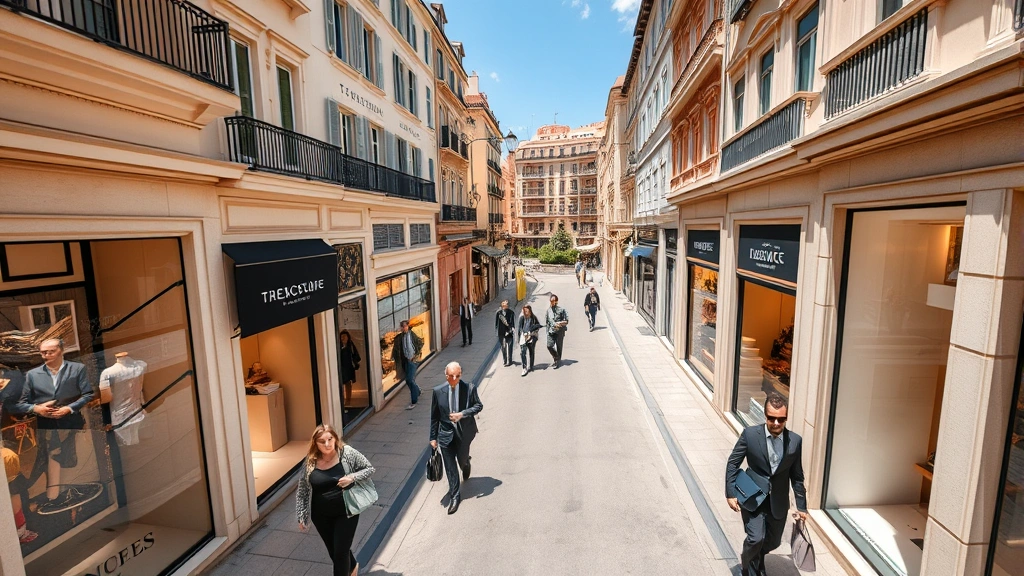
Monaco’s physical retail landscape concentrates in three primary zones: Port Hercules (harbor district), Casino Square (central commercial area), and the Condamine district. These areas host luxury boutiques, designer flagship stores, and premium restaurants serving both residents and tourists. The principality’s compact geography—just 2.02 square kilometers—creates unique distribution advantages, with same-day delivery feasible across the entire territory.
E-commerce adoption in Monaco accelerates faster than many European markets, driven by resident preference for convenience and international online shopping familiarity. According to E-Commerce Times Monaco 2024 analysis, online shopping represents approximately 28% of total retail transactions, with growth projecting at 15-18% annually through 2026. This adoption rate reflects Monaco’s tech-savvy population and high internet penetration exceeding 98%.
Mobile commerce dominates Monaco’s online retail landscape, with smartphone shopping accounting for approximately 65% of e-commerce transactions. This mobile-first orientation reflects both generational preferences and the lifestyle patterns of affluent residents who conduct business and shopping activities during transit between residences, offices, and leisure venues. Businesses implementing digital marketing strategy examples must prioritize mobile optimization and responsive design as fundamental requirements rather than supplementary features.
The regulatory environment supports e-commerce development through Monaco’s membership in the European Economic Area and alignment with EU digital commerce directives. However, the principality maintains independent regulatory authority over certain retail practices, including licensing requirements for specific product categories and data protection standards that exceed EU requirements in certain sectors.
Luxury Goods Market Dominance
Luxury goods represent the dominant product category in Monaco’s retail market, with fashion, jewelry, watches, and premium automobiles commanding the highest sales volumes and profit margins. The principality’s reputation as a luxury destination attracts both residents and tourists specifically seeking exclusive, high-end merchandise unavailable in standard retail channels.
Fashion and apparel luxury brands generate approximately 35% of Monaco’s retail sales, with designer labels including Chanel, Louis Vuitton, Hermès, and Gucci maintaining flagship or premium boutique locations throughout the principality. E-commerce businesses targeting fashion consumers in Monaco must emphasize authenticity verification, exclusive collections, and personalized styling services that justify premium pricing while differentiating from mass-market online retailers.
The jewelry and watch market thrives in Monaco, with consumers investing significantly in Swiss timepieces, diamond jewelry, and precious metal accessories. These categories command average transaction values exceeding €5,000, with some purchases reaching €100,000+. Businesses operating in this segment require advanced authentication systems, insurance coordination, and white-glove customer service capabilities that extend beyond typical e-commerce operations.
Premium automotive sales, while not strictly e-commerce, influence digital marketing strategies through luxury lifestyle positioning. Porsche, Ferrari, Lamborghini, and Rolls-Royce maintain showrooms in Monaco, and related digital content (automotive accessories, branded merchandise, lifestyle products) performs exceptionally well with Monaco’s target audience. Complementary e-commerce opportunities exist in automotive luxury goods, vintage memorabilia, and exclusive brand partnerships.
Digital Marketing Strategies for Monaco Markets
Successful digital marketing in Monaco requires sophisticated audience targeting, multilingual content strategies, and emphasis on exclusivity and prestige. The digital marketing trends 2025 increasingly emphasize personalization and data-driven targeting—capabilities essential for Monaco’s affluent, discerning consumers who expect customized experiences.
Language considerations significantly impact Monaco’s digital marketing landscape. While French remains the official language, English proficiency among residents and tourists exceeds 85%, with additional prevalence of Russian, Italian, German, and Mandarin. Successful businesses implement multilingual website experiences with content tailored to specific linguistic communities rather than simple translation approaches. This localization strategy demonstrates respect for customer preferences and increases conversion rates among international residents.
Social media marketing in Monaco emphasizes quality over quantity, with Instagram and LinkedIn driving engagement among affluent demographics. Visual storytelling showcasing product craftsmanship, exclusivity, and luxury lifestyle aesthetics resonates strongly with Monaco’s target audience. Influencer partnerships with luxury lifestyle content creators, yacht culture personalities, and high-end fashion figures generate authentic engagement and brand credibility within Monaco’s tight-knit affluent community.
Email marketing strategies must emphasize personalization and exclusivity, offering VIP access to new collections, private sales, and invitation-only events. Segmentation based on purchase history, browsing behavior, and engagement patterns enables businesses to deliver highly relevant content that respects the time constraints and preferences of affluent consumers. Average email open rates in Monaco’s luxury segment exceed 35%, significantly outperforming broader European benchmarks.
Content marketing opportunities abound in Monaco’s market, with educational materials addressing product authentication, luxury market trends, and lifestyle guidance performing exceptionally well. Blog posts, video content, and interactive tools that provide genuine value beyond promotional messaging build authority and trust with Monaco’s sophisticated consumer base.
Payment Methods and Transaction Preferences
Monaco’s payment infrastructure reflects its status as a global financial hub, with residents and businesses demonstrating sophisticated preferences for multiple payment options and security protocols. Credit card processing dominates e-commerce transactions, with Visa and Mastercard commanding approximately 45% and 35% market share respectively among online purchases.
Cryptocurrency adoption in Monaco exceeds broader European averages, with Bitcoin and Ethereum accepted by approximately 12% of e-commerce platforms targeting the principality. This reflects Monaco’s positioning as a blockchain technology hub and the demographic profile of tech-savvy, internationally-minded residents interested in alternative financial instruments. Businesses implementing cryptocurrency payment options gain competitive advantages within specific market segments, particularly among younger UHNWI individuals and technology entrepreneurs.
Bank transfer (SEPA) and direct debit methods account for approximately 15% of online transactions, particularly among French and European residents preferring traditional banking methods. Digital wallet solutions including Apple Pay, Google Pay, and PayPal generate increasing adoption, with mobile payment methods representing approximately 28% of transaction volume and growing at 22% annually.
Luxury e-commerce businesses increasingly offer payment plans and financing options through partnerships with premium financial service providers, enabling customers to distribute large purchases across multiple months without traditional credit constraints. These arrangements appeal to ultra-high-net-worth individuals managing significant cash flow optimization strategies.
Currency considerations matter significantly in Monaco’s market, with transactions occurring in euros, British pounds, US dollars, and Swiss francs depending on customer origin and preference. Implementing multi-currency pricing and transparent exchange rate policies reduces friction in the purchasing process and demonstrates sophistication in international commerce management.
Regulatory Considerations and Compliance
Operating in Monaco’s markets requires understanding a complex regulatory environment blending Monégasque law, French commercial standards, and European Union directives. The principality maintains independent regulatory authority while participating selectively in EU frameworks, creating compliance obligations that exceed many European markets.
Data protection regulations in Monaco align with GDPR requirements while imposing additional restrictions on data processing and international data transfers. The Commission Nationale de l’Informatique et des Libertés (CNIL) oversees Monaco’s data protection compliance, and violations carry significant penalties reaching €20 million or 4% of annual revenue—equivalent to GDPR maximums. Businesses must implement rigorous consent management, data minimization, and privacy impact assessment protocols before processing customer information.
Consumer protection laws in Monaco provide extensive safeguards, including mandatory right-of-withdrawal periods (14 days for distance sales), transparency requirements for pricing and product information, and dispute resolution obligations. E-commerce businesses must clearly display terms and conditions, implement accessible complaint procedures, and maintain documentation of all customer interactions for regulatory verification.
Product liability and warranty obligations extend beyond many European markets, with businesses held responsible for product safety compliance, accurate product descriptions, and quality assurance throughout the customer lifecycle. Luxury goods sellers face heightened scrutiny regarding authenticity claims, with false attribution constituting fraud under Monégasque commercial law.
Tax compliance in Monaco presents unique considerations, with the principality maintaining no value-added tax (VAT) but imposing specific taxes on certain product categories including alcohol, tobacco, and fuel. Businesses must understand differential tax treatment for Monaco residents versus EU customers and implement proper tax calculation and remittance procedures.
Seasonal Market Trends and Tourism Impact
Monaco’s market dynamics fluctuate significantly based on seasonal tourism patterns, with visitor numbers peaking during summer months (June-September) and secondary peaks during winter holidays and Formula One Grand Prix season (May). These seasonal variations directly impact e-commerce demand, with luxury goods sales increasing 40-60% during peak tourism periods.
The Monaco Grand Prix (mid-May) generates exceptional market opportunities, with luxury automotive brands, hospitality services, and premium merchandise experiencing surge demand from international visitors and racing enthusiasts. E-commerce businesses implementing Grand Prix-themed promotions, exclusive merchandise, and limited-edition collections capitalize on this concentrated consumer spending period.
Summer yacht season (July-August) drives demand for marine accessories, luxury lifestyle products, and premium entertainment services. The principality’s status as a primary yachting destination creates opportunities for businesses offering products and services aligned with maritime leisure, nautical fashion, and boat-related luxury goods.
Winter holiday periods (November-December) emphasize gift-giving and luxury purchases, with consumers seeking exclusive presents and personal indulgences. Luxury gift guides, personalized recommendation services, and exclusive holiday collections perform exceptionally well during this season, with average transaction values increasing 35-45% compared to baseline months.
Understanding these seasonal patterns enables businesses to optimize inventory management, marketing investment, and customer service capacity allocation. The Market Rise Hub Blog provides additional insights into seasonal market planning and demand forecasting strategies applicable to Monaco’s unique tourism-influenced market dynamics.
Building Local Partnerships and Distribution Networks
Successful market entry in Monaco frequently requires establishing local partnerships with established retailers, logistics providers, and service organizations familiar with the principality’s regulatory environment and consumer expectations. Direct international shipping remains viable, but partnerships with local distributors enhance market credibility and enable faster fulfillment cycles.
Monégasque chambers of commerce and business associations facilitate networking opportunities and provide regulatory guidance essential for market entry. The Chambre de Commerce et d’Industrie de Monaco offers business registration assistance, market research resources, and networking events connecting international businesses with local partners.
Logistics partnerships with established Monaco-based providers including DHL, FedEx, and local courier services ensure reliable last-mile delivery and compliance with customs regulations. Same-day delivery capabilities provide competitive advantages in Monaco’s concentrated geographic area, with delivery times averaging 2-4 hours for orders placed before noon.
Retail partnerships with luxury boutiques and department stores create omnichannel distribution opportunities, enabling online customers to browse digital catalogs, reserve items, and complete purchases through integrated physical-digital experiences. These partnerships strengthen market position and provide tangible local presence supporting brand credibility.
Employment considerations matter when establishing local operations, with Monaco requiring work permits for non-EU citizens and preferential hiring consideration for residents. Businesses establishing customer service, logistics, or management operations in Monaco must budget for premium labor costs, with entry-level positions commanding €25,000-€35,000 annually and professional roles exceeding €60,000.
For businesses exploring remote marketing jobs supporting Monaco operations, the principality’s time zone alignment with Central European Time enables seamless collaboration with European marketing teams while maintaining service coverage during business hours.
FAQ
What languages should e-commerce websites targeting Monaco support?
While French is Monaco’s official language, successful e-commerce platforms implement English as a primary secondary language, with additional support for Russian, Italian, German, and Mandarin based on customer analytics. Professional translation services ensuring cultural appropriateness and luxury brand voice consistency prove essential, as automated translation undermines premium market positioning.
How do payment preferences differ in Monaco compared to broader European markets?
Monaco demonstrates higher adoption rates for mobile payments (28% vs. 18% European average) and cryptocurrency acceptance (12% vs. 4% European average). Credit card processing remains dominant (80% combined Visa/Mastercard), but businesses should implement multiple payment methods accommodating the principality’s internationally diverse population.
What are typical shipping timeframes for Monaco deliveries?
Same-day delivery is feasible for orders within Monaco, with standard delivery timeframes of 2-4 hours from order placement. International shipping from EU locations typically requires 3-5 business days, while non-EU shipments may require customs clearance adding 2-3 additional days. Luxury goods often ship via insured courier services with tracking and signature requirements.
Are there specific product categories prohibited or heavily restricted in Monaco?
Certain product categories including firearms, specific medications, and items violating French import regulations face restrictions. Alcohol and tobacco products incur specific taxes. Businesses should verify product compliance with Monégasque customs authorities before establishing sales operations, particularly for specialized or restricted merchandise.
What customer service expectations should e-commerce businesses anticipate in Monaco?
Monaco’s affluent consumer base expects white-glove service including multilingual support, rapid response times (under 2 hours for inquiries), personalized recommendations, and flexible return policies. VIP customer segments often require dedicated account managers, priority shipping, and exclusive access to new products or private sales.
How does Monaco’s lack of VAT affect e-commerce pricing strategies?
Monaco’s absence of VAT creates pricing advantages for Monaco-based businesses compared to EU competitors, enabling competitive pricing while maintaining premium margins. However, businesses shipping to EU customers must calculate and remit appropriate VAT based on customer location, complicating pricing structures and requiring sophisticated tax compliance systems.
What marketing channels prove most effective for reaching Monaco’s consumers?
Instagram and visual content platforms dominate among Monaco’s demographics, with LinkedIn effective for B2B and professional services marketing. Email marketing with personalized, exclusive offers generates exceptional engagement rates. Direct partnerships with luxury lifestyle influencers and yacht/automotive culture personalities provide authentic reach within Monaco’s tight-knit affluent community.