Best Flea Markets in Houston: Local Insights & Complete Buyer’s Guide
Houston’s flea market scene represents one of Texas’s most vibrant secondhand commerce ecosystems, attracting hundreds of thousands of bargain hunters, resellers, and vintage enthusiasts annually. The city’s sprawling geography and diverse population have created a unique marketplace landscape where vendors offer everything from antique furniture and collectibles to electronics, clothing, and home décor. Whether you’re a seasoned thrifter looking to build inventory or a casual shopper seeking one-of-a-kind treasures, understanding Houston’s flea market landscape is essential to maximizing your shopping experience and finding authentic deals.
The flea market culture in Houston has evolved significantly over the past two decades, transforming from informal weekend gatherings into organized, professionally-managed events that generate substantial economic activity. These markets serve as critical distribution channels for small vendors, resellers, and entrepreneurs who leverage marketing strategy for small businesses principles to build loyal customer bases. Understanding the dynamics of Houston’s flea markets provides valuable insights into consumer behavior, pricing strategies, and the secondary retail economy.
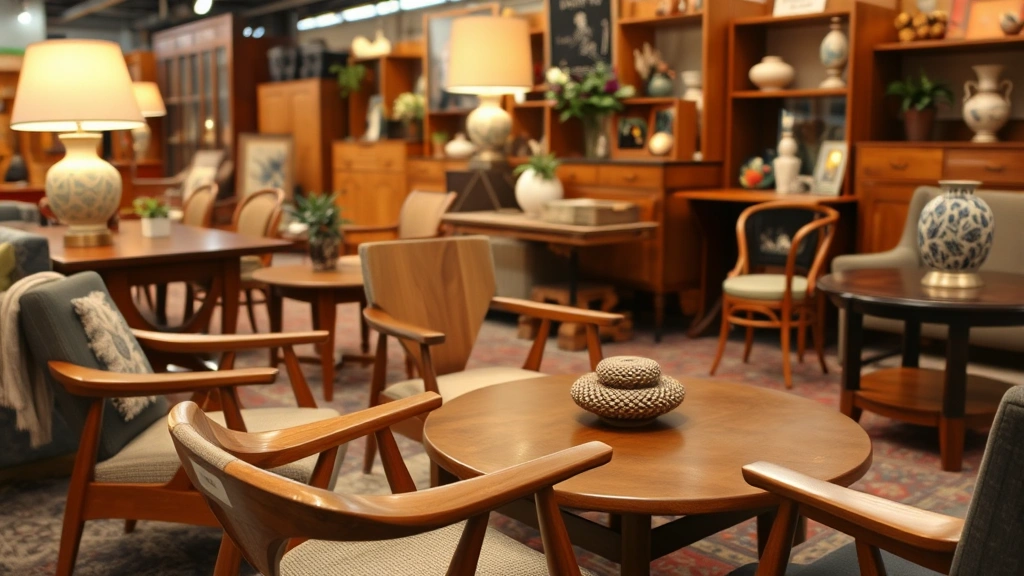
Top Flea Markets in Houston
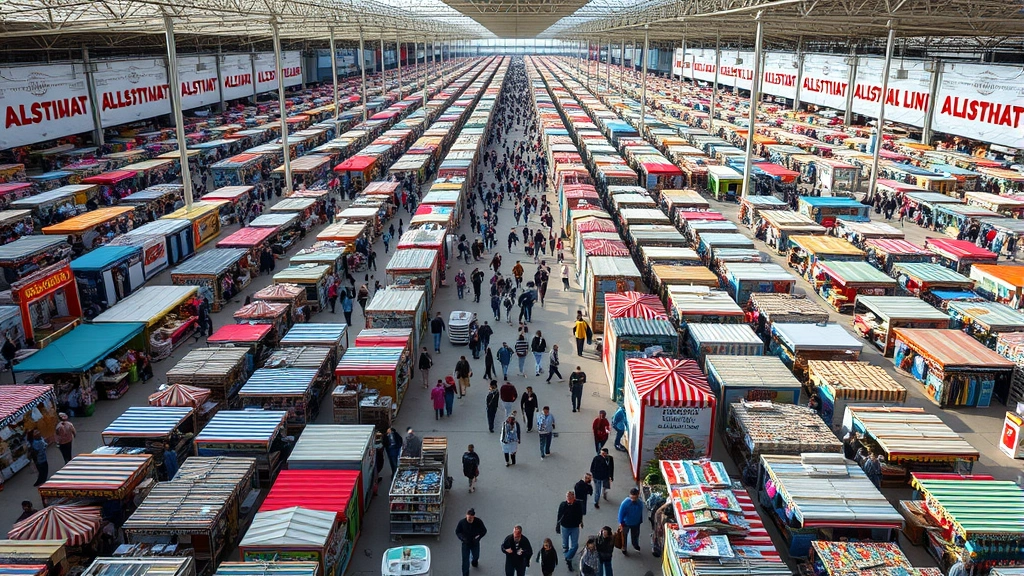
Houston Flea Market stands as the city’s largest and most established marketplace, operating continuously since the 1970s. Located at 8213 North Freeway, this sprawling venue covers over 100,000 square feet and hosts approximately 400-500 vendors on weekends. The market operates Friday through Sunday, creating a consistent shopping rhythm that attracts serious collectors and casual browsers alike. Parking is abundant and free, making it accessible for families and bulk buyers. The market’s infrastructure includes climate-controlled sections, multiple entrance points, and clearly demarcated vendor zones, which facilitates efficient navigation and discovery.
Trader’s Village Houston represents another cornerstone institution in the city’s flea market ecosystem. Operating since 1989, this massive venue sprawls across 106 acres and hosts 3,000-4,000 vendors during peak weekends. The sheer scale creates both opportunities and challenges—while selection is unparalleled, navigating the venue requires strategic planning. Trader’s Village’s business model emphasizes entertainment value alongside commerce, featuring food vendors, live entertainment, and family-friendly attractions. This markets near me approach has transformed traditional flea market shopping into experiential retail.
Greenspoint Flea Market occupies a strategic position in North Houston, serving the Greenspoint and surrounding communities. Operating primarily on weekends, this market features 200-300 vendors specializing in furniture, electronics, clothing, and home goods. The venue’s mid-size positioning makes it ideal for shoppers seeking curated selection without the overwhelming scale of larger markets. Vendor quality tends to be consistent, and repeat customers develop strong relationships with familiar sellers.
Pasadena Flea Market serves the southeast Houston region and attracts a diverse vendor base focused on household goods, tools, and specialty items. Operating since the 1980s, this market maintains a loyal customer base built on competitive pricing and vendor reliability. The market’s location makes it convenient for east-end Houston residents and those traveling from Galveston County.
Bellaire Flea Market caters to the upscale Bellaire and West University neighborhoods, featuring vendors specializing in higher-end antiques, vintage furniture, and collectibles. This market attracts shoppers with specific aesthetic preferences and higher budgets. The vendor mix skews toward quality over quantity, with many dealers curating carefully selected inventory.
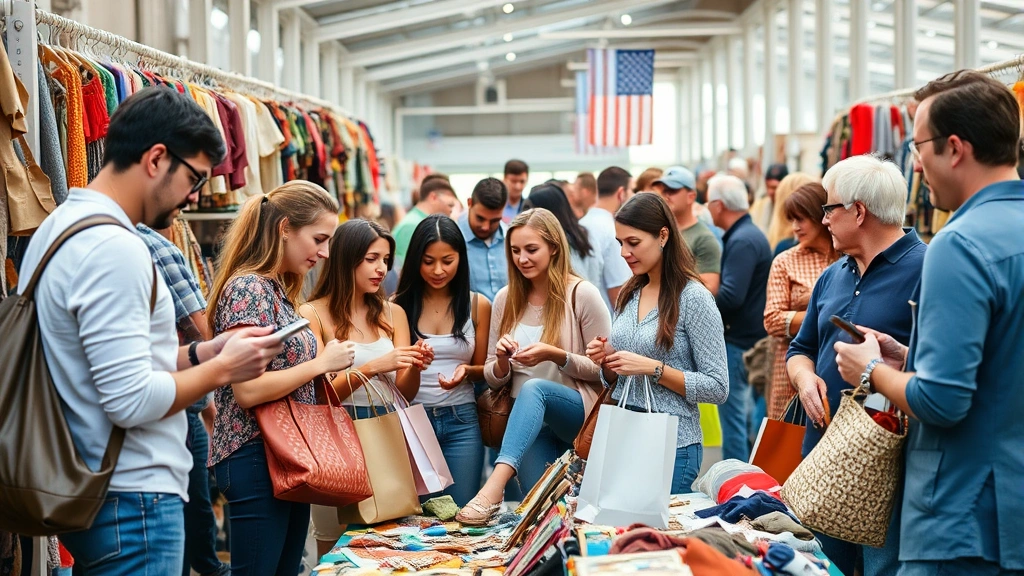
Market Characteristics & Specializations
Houston’s flea markets demonstrate remarkable specialization patterns that reflect both vendor expertise and customer demographics. Understanding these specializations enables targeted shopping and supports effective how to create a marketing plan for vendors operating within these ecosystems. The markets function as micro-economies with distinct characteristics, pricing structures, and customer expectations.
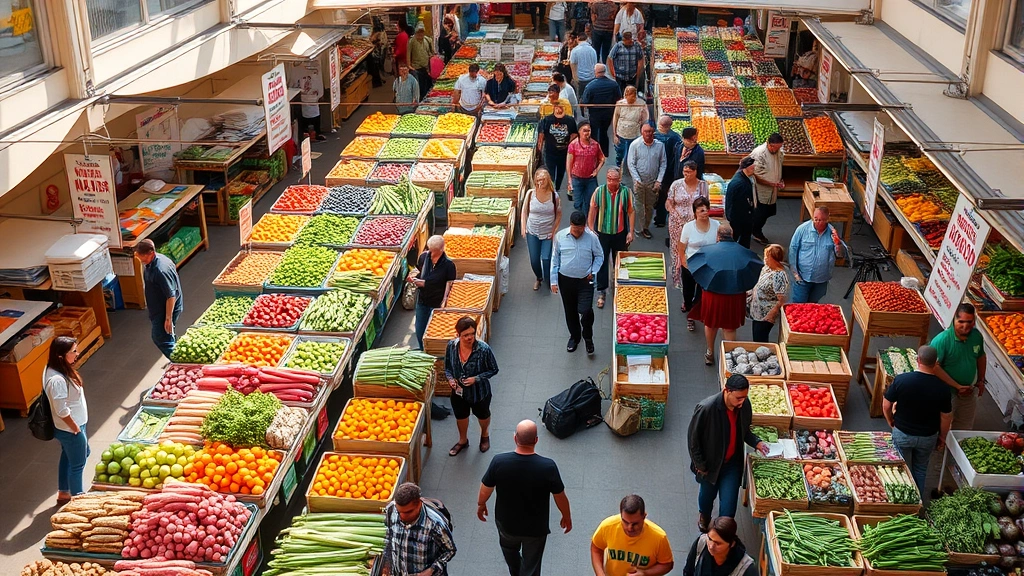
Furniture and Home Décor Dominance characterizes Houston’s largest markets. Vendors source inventory from estate sales, business liquidations, and residential downsizing, creating steady supply chains. Quality ranges from basic functional pieces to designer vintage items, with pricing reflecting condition, brand recognition, and current interior design trends. The furniture category demonstrates clear seasonal patterns, with demand peaks corresponding to spring moving season and post-holiday home improvement initiatives.
Electronics and Technology represent a significant market segment, particularly in larger venues. Vendors specialize in laptops, gaming systems, smartphones, and peripherals, often offering substantial discounts compared to retail pricing. This category attracts resellers who leverage price arbitrage opportunities and international market differences. Digital marketing trends 2025 increasingly influence how electronics vendors reach customers through online channels, creating omnichannel retail strategies.
Clothing and Fashion occupy dedicated sections in most markets, featuring vintage designer pieces, contemporary resale items, and bulk clothing lots. The vintage fashion segment has experienced explosive growth, driven by sustainability consciousness and social media influence. Younger shoppers specifically seek unique pieces unavailable in conventional retail, creating premium pricing opportunities for curated vintage inventory.
Collectibles and Specialty Items command premium positioning within market hierarchies. Vendors dealing in comic books, action figures, vinyl records, sports memorabilia, and gaming items attract passionate collectors willing to pay significant premiums for rare or mint-condition items. These specialists often maintain online presence and participate in specialized collector forums, creating hybrid retail models.
Tools and Equipment draw professional contractors, DIY enthusiasts, and resellers. Quality tools maintain consistent value, creating reliable inventory for vendors. Seasonal demand fluctuates with construction cycles and weather patterns, with spring and fall typically showing stronger demand.
Shopping Strategy & Best Practices
Effective flea market shopping requires strategic planning and tactical execution. Understanding market dynamics enhances value capture and reduces time investment. Stock market terminology concepts like valuation and pricing efficiency apply surprisingly well to flea market economics, where information asymmetries create opportunity.
Timing Optimization significantly impacts shopping success. Arriving early (within the first hour of opening) provides access to fresh inventory and vendors still energized for negotiation. However, arriving mid-morning after initial crowds dissipate offers advantages for those seeking relaxed browsing and potentially tired vendors willing to negotiate. Late-afternoon shopping, particularly on Sundays, can yield exceptional deals as vendors discount inventory to avoid transporting unsold stock.
Price Negotiation Fundamentals require understanding vendor economics. Most flea market vendors operate on thin margins (typically 30-50% markup) and price items expecting negotiation. Successful negotiation acknowledges this reality while respecting vendor effort. Bundling multiple items creates leverage for price reduction, as vendors value transaction velocity and reduced carrying costs. Cash payments often facilitate better pricing, though increasingly vendors accept mobile payments.
Condition Assessment demands careful attention. Unlike retail environments, flea market purchases typically lack warranty protection or return options. Physically inspect items thoroughly, test electronics when possible, and understand that “as-is” is the standard condition. Request vendor history when available—understanding an item’s provenance often provides confidence in quality.
Inventory Research enhances decision-making. Smartphone access enables quick price comparisons with online marketplaces, helping identify genuine value. However, balance research with spontaneity—flea markets reward quick decision-making, as desirable items disappear rapidly. Building mental reference prices for common categories prevents analysis paralysis.
Vendor Relationship Building creates long-term advantages. Regular customers receive preferential treatment, early access to new inventory, and better pricing. Developing genuine relationships with trusted vendors builds reliability and access to items matching specific preferences. Many vendors maintain inventory lists and contact regular customers about specific items.
Vendor Opportunities & Economics
Houston’s flea markets create significant entrepreneurial opportunities for individuals seeking alternative retail channels. Understanding vendor economics and Market Rise Hub Blog resources provides foundation for successful participation. The barrier to entry remains remarkably low compared to conventional retail, though success requires strategic planning and operational discipline.
Revenue Models and Margin Structures vary significantly based on specialization. Furniture vendors typically operate on 40-60% gross margins, accounting for delivery costs and storage. Electronics vendors often achieve higher margins (50-75%) through selective pricing and rapid inventory turnover. Clothing vendors range from 30-40% margins for bulk lots to 100%+ for curated vintage pieces. Understanding category-specific economics informs inventory selection and pricing strategy.
Sourcing and Supply Chain Management represent critical success factors. Successful vendors develop reliable sourcing channels including estate sales, business liquidations, wholesale liquidators, and direct consumer purchases. Building relationships with liquidation companies and estate sale companies creates preferential access to inventory. Online sourcing through wholesale platforms supplements local sourcing, though shipping costs require careful analysis.
Operational Costs and Break-Even Analysis demand rigorous tracking. Booth rental fees typically range from $30-75 per day depending on location and market. Vendor fuel costs, parking, and time investment require explicit accounting. Most vendors need to generate $200-300 in revenue to achieve profitability on a weekend day, creating baseline performance targets.
Customer Relationship Management increasingly involves digital tools. Successful vendors maintain email lists, social media presence, and even simple websites showcasing inventory. This approach creates customer touchpoints beyond weekend market attendance and builds brand loyalty extending into weekday sales opportunities.
Scaling and Growth Strategies enable vendors to expand beyond weekend markets. Many successful flea market vendors eventually open permanent retail locations, develop online storefronts, or participate in specialized trade shows. This evolution often begins with market success and customer base development.
Seasonal Trends & Peak Times
Houston’s flea markets demonstrate distinct seasonal patterns reflecting consumer behavior, inventory availability, and weather conditions. Understanding these patterns enables strategic shopping and vendor planning.
Spring Season (March-May) represents peak activity period. Warmer weather drives market attendance, and moving season creates substantial inventory from residential transitions. Furniture demand peaks as homeowners invest in spring refreshes and outdoor entertaining spaces. Vendor selection expands significantly as part-time dealers increase participation.
Summer Season (June-August) shows moderate activity with summer travel reducing some customer attendance. However, students returning from college create inventory flows, and family road trips drive tourism-based shopping. Back-to-school shopping (late August) creates specific demand patterns for furniture and household goods.
Fall Season (September-November) demonstrates renewed strength as weather moderates and holiday entertaining planning begins. Thanksgiving and Christmas preparation drives home décor and entertaining equipment demand. Vendor inventory becomes increasingly curated as dealers prepare for winter holiday shopping.
Winter Season (December-February) shows variable patterns. December experiences strong holiday-driven traffic but cold weather reduces attendance. January features significant inventory flows from post-holiday liquidation and New Year’s resolution-driven downsizing. February typically represents the slowest month, though savvy shoppers find exceptional deals.
Transportation & Logistics
Practical considerations regarding transportation significantly impact flea market shopping success. Houston’s sprawling geography and traffic patterns require strategic planning.
Vehicle Selection and Capacity influence purchasing decisions. Shoppers with truck or SUV access can pursue larger items like furniture, while sedan drivers focus on smaller goods. Understanding your vehicle’s capacity prevents impulse purchases requiring subsequent trips or delivery arrangements. Many vendors offer delivery services for furniture and large items, typically charging $50-150 depending on distance.
Parking and Access vary significantly across venues. Trader’s Village offers abundant parking across its massive acreage, while Houston Flea Market provides covered parking. Arriving early ensures convenient parking; late arrivals may require extended walks. Understanding each market’s parking logistics prevents frustration and time waste.
Traffic Patterns and Travel Time require consideration. Most markets operate Friday-Sunday, with Saturday morning representing peak traffic times. Traveling during off-peak hours (Friday evening or Sunday afternoon) often provides more relaxed experiences. GPS navigation and traffic apps help optimize routing, particularly important given Houston’s notorious congestion.
Payment and Transaction Logistics have modernized significantly. While cash remains preferred by many vendors, most now accept mobile payments (Venmo, PayPal, Square Cash). Carrying cash in reasonable amounts and small bills facilitates negotiation and transactions. ATMs exist at major markets, though fees apply.
Storage and Inventory Management for vendors requires careful planning. Booth rental periods typically cover specific hours, requiring efficient setup and breakdown. Many vendors maintain storage facilities for unsold inventory, with rental costs ranging from $100-300 monthly depending on space. This overhead requires explicit accounting in pricing strategies.
FAQ
What are the best days to visit Houston flea markets?
Saturday mornings typically offer the optimal combination of fresh inventory and manageable crowds. Friday evenings provide uncrowded experiences for those seeking relaxed browsing. Sunday afternoons feature vendor discounting as they prepare to depart. Peak crowds occur Saturday late morning through early afternoon.
Do flea market vendors accept credit cards and mobile payments?
Most established vendors now accept mobile payments through Venmo, PayPal, and Square. However, cash remains preferred by many, often facilitating better negotiation. Larger markets like Trader’s Village have ATM facilities, though fees apply. Confirming payment methods before negotiating prevents complications.
Are flea market items guaranteed or returnable?
No. Flea market purchases are typically final sales with no return options or warranties. “As-is” condition applies to virtually all items. This reality emphasizes the importance of thorough inspection before purchase and understanding vendor reputation when purchasing higher-value items.
How much can I negotiate prices at Houston flea markets?
Negotiation is standard practice and expected by vendors. Realistic reductions range from 10-30% depending on item price, vendor margin, and negotiation approach. Bundling multiple items creates stronger negotiation leverage. Respectful negotiation acknowledging vendor effort typically yields better results than aggressive haggling.
What’s the difference between Houston Flea Market and Trader’s Village?
Houston Flea Market operates as a more traditional, vendor-focused market with approximately 400-500 dealers in a 100,000 square-foot facility. Trader’s Village sprawls across 106 acres with 3,000-4,000 vendors and emphasizes entertainment value alongside commerce. Houston Flea Market suits shoppers seeking curated selection; Trader’s Village appeals to those wanting overwhelming variety and family entertainment.
Can I start a vendor booth at Houston flea markets?
Yes. Most markets accept vendor applications and offer booth rental options ranging from $30-75 daily. Some markets require vendor licenses or proof of inventory sourcing. Contact specific market management offices for application processes and requirements. Success requires reliable inventory sourcing, competitive pricing, and customer service excellence.
What items typically offer the best value at flea markets?
Furniture, vintage clothing, tools, and collectibles generally offer superior value compared to retail alternatives. Electronics require careful inspection but offer substantial savings. Home décor items provide opportunities for unique finds unavailable through conventional retail. Avoid items with safety concerns or complex electronics unless you can thoroughly test them.