
Ellwood Thompson’s Market: Local Shopper’s Review
Ellwood Thompson’s Natural Market has established itself as a cornerstone of Richmond’s natural and organic food community since its founding in 1988. This independent grocery retailer represents a unique approach to food retail that prioritizes local sourcing, sustainable practices, and community engagement over mass-market convenience. For shoppers seeking alternatives to conventional supermarket chains, Ellwood Thompson’s offers a compelling combination of curated product selection, knowledgeable staff, and commitment to environmental responsibility.
In an era where large-scale retailers dominate the grocery landscape, locally-owned markets like Ellwood Thompson’s demonstrate the enduring appeal of personalized shopping experiences. The store’s philosophy centers on supporting regional producers, offering organic and natural products, and fostering relationships with customers who value transparency in their food sources. This comprehensive review explores what makes Ellwood Thompson’s a destination for conscious consumers and examines how independent natural markets compete in today’s competitive retail environment.
Store Overview and History
Ellwood Thompson’s Natural Market operates as an independent grocery retailer in Richmond, Virginia, maintaining its commitment to natural and organic foods for over three decades. The store’s founding principles reflect a vision of creating an alternative to conventional supermarkets, emphasizing quality, sustainability, and community values. Understanding the store’s background provides context for its current operations and market positioning.
The independent natural market sector has experienced significant growth, with consumer demand for organic and locally-sourced products increasing substantially over the past fifteen years. According to the Organic Trade Association, organic food sales in the United States have grown consistently, reflecting broader consumer shifts toward health-conscious and environmentally responsible purchasing decisions. Ellwood Thompson’s has capitalized on these trends while maintaining its original mission of serving the local community.
As a locally-owned natural market, Ellwood Thompson’s differentiates itself through personalized service, curated product selection, and direct relationships with regional suppliers. This approach contrasts sharply with the standardized inventory and corporate structure of national grocery chains. The store’s longevity in a competitive market demonstrates the viability of independent retailers who focus on niche markets and community relationships rather than competing solely on price or convenience.
The store’s physical location in Richmond’s Fan District positions it within a neighborhood known for progressive values, environmental consciousness, and support for local businesses. This geographic advantage has allowed Ellwood Thompson’s to develop a loyal customer base aligned with its core values. The store’s design and layout reflect its commitment to accessibility and customer education, with clear product categorization and staff expertise readily available.

Product Selection and Quality
Ellwood Thompson’s Natural Market distinguishes itself through exceptional attention to product quality and selection. The store stocks a comprehensive range of organic produce, natural grocery items, bulk foods, supplements, and prepared foods. Every product category reflects the store’s commitment to offering items that meet rigorous natural and organic standards.
The organic produce section represents one of the store’s strongest offerings, featuring seasonal fruits and vegetables sourced from regional farms whenever possible. Unlike conventional supermarkets where organic options represent a small subset of inventory, Ellwood Thompson’s positions organic produce as the primary offering. Shoppers report that produce quality consistently exceeds expectations, with fresher items and shorter shelf life compared to mass-market retailers. The store’s relationships with local farms ensure rapid inventory turnover and seasonal variety that reflects regional agricultural cycles.
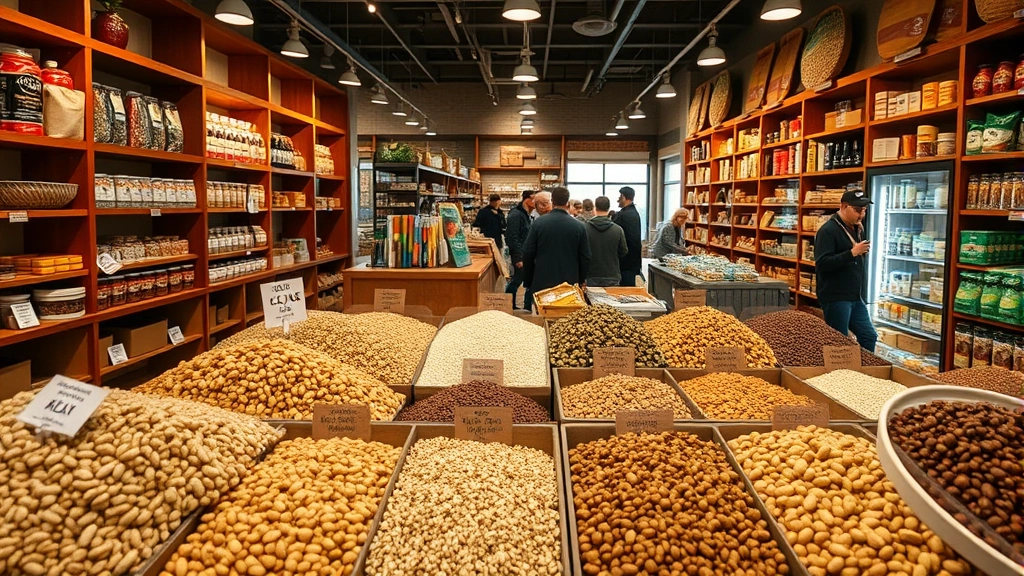
The bulk food section provides significant value for shoppers seeking to reduce packaging waste while purchasing staple items. Customers can purchase grains, nuts, seeds, legumes, and dried fruits in quantities suited to their needs, eliminating excess packaging and allowing for budget-conscious shopping. This service aligns with the store’s sustainability mission while offering practical benefits to environmentally conscious consumers.
Ellwood Thompson’s supplement and natural health section caters to customers interested in nutritional support and wellness products. The staff demonstrates genuine expertise in this category, able to discuss product benefits, sourcing, and appropriate usage. This level of knowledgeable assistance distinguishes the store from competitors where supplement sections often lack trained personnel.
The prepared foods section offers ready-to-eat options, sandwiches, salads, and hot items prepared in-house using natural and organic ingredients. This service addresses the practical needs of busy shoppers while maintaining the store’s quality standards. The prepared foods menu changes seasonally, reflecting ingredient availability and seasonal eating principles.
Local and Regional Sourcing
One of Ellwood Thompson’s defining characteristics is its commitment to sourcing products from local and regional producers. This approach directly supports Virginia’s agricultural community while reducing transportation distances and environmental impact. The store actively partners with nearby farms, artisanal producers, and small manufacturers to stock products unavailable through conventional distribution channels.
Local dairy products, including milk, cheese, and yogurt from Virginia producers, feature prominently throughout the store. These partnerships support regional farmers and provide customers with fresher products compared to items shipped from distant locations. The store often features information about producer partners, allowing shoppers to understand the origins of their purchases and the impact of their spending decisions.
Virginia’s wine section showcases local vineyards, supporting the state’s growing wine industry while offering customers distinctive products reflecting regional terroir. Craft beverages from regional producers similarly receive prominent placement, creating opportunities for customers to discover local brands and support emerging businesses.
The bakery section features products from local bakeries, including artisanal breads and baked goods. This partnership model ensures freshness while supporting small food producers in the greater Richmond area. Customers appreciate the opportunity to purchase products from businesses they can visit and support directly.
Implementing effective marketing strategies for small businesses like Ellwood Thompson’s requires emphasizing these local partnerships and sourcing practices. The store’s commitment to regional producers becomes a compelling marketing narrative that resonates with environmentally and socially conscious consumers. Understanding why marketing is important for business helps explain how Ellwood Thompson’s uses its sourcing practices as a competitive advantage.
Pricing and Value Proposition
Pricing represents a significant consideration for shoppers evaluating Ellwood Thompson’s relative to conventional supermarkets and larger natural food retailers. As an independent store without the purchasing power of national chains, Ellwood Thompson’s necessarily charges premium prices on many items. However, the value proposition extends beyond simple price comparisons to encompass product quality, sustainability impact, and community support.
Organic products inherently command price premiums reflecting higher production costs, more stringent certification requirements, and smaller production volumes. Shoppers comparing Ellwood Thompson’s prices to conventional supermarkets will find higher costs across most categories. However, comparisons to other natural food retailers reveal competitive or favorable pricing, particularly for bulk items and locally sourced products.
The bulk food section offers substantial cost advantages for shoppers purchasing staple items regularly. Buying nuts, grains, and legumes in bulk eliminates packaging costs and allows customers to purchase exact quantities needed, reducing both expense and food waste. For budget-conscious shoppers committed to organic and natural products, the bulk section provides meaningful savings.
Prepared foods pricing reflects the quality of ingredients and in-house preparation. While higher than conventional supermarket deli items, prices remain reasonable for freshly prepared meals using organic and natural ingredients. Customers report that prepared food portions are generous and quality justifies the cost premium.
Ellwood Thompson’s occasional sales, loyalty programs, and seasonal promotions provide opportunities for cost-conscious shoppers to reduce expenses. The store’s approach to pricing emphasizes transparency and value rather than aggressive discounting, reflecting its positioning as a premium natural market serving values-aligned customers.
Understanding the broader context of digital marketing strategy examples helps explain how natural markets communicate value propositions to justify premium pricing in competitive environments.
Customer Service Excellence
Staff knowledge and customer service quality consistently emerge as strengths in shopper reviews of Ellwood Thompson’s. The store’s hiring practices emphasize finding employees genuinely interested in natural foods, nutrition, and sustainable living. This cultural alignment results in staff who can engage meaningfully with customers about products, preparation methods, and nutritional benefits.
The store’s customer service approach prioritizes education and relationship-building over transactional efficiency. Staff members remember regular customers, ask about their needs, and make personalized recommendations. This level of attention creates a community atmosphere distinct from the impersonal service typical of large retailers.
Checkout staff demonstrate efficiency while maintaining friendly engagement with customers. The store avoids the rushed, assembly-line atmosphere of conventional supermarkets, instead fostering unhurried interactions that enhance the shopping experience. This approach aligns with the store’s overall positioning as a destination for mindful shopping rather than quick convenience purchases.
Staff expertise extends across all departments, with knowledgeable personnel available to discuss product selection, preparation techniques, and nutritional information. This expertise proves particularly valuable in sections like supplements, where shoppers benefit from informed guidance in selecting appropriate products.
Community Engagement
Ellwood Thompson’s functions as more than a retail establishment; it serves as a community hub for environmentally and socially conscious residents. The store regularly hosts events, workshops, and educational programs that build community while promoting its mission and values. These activities deepen customer relationships and position the store as a trusted resource within the community.
The store’s bulletin board features information about local events, community organizations, and upcoming classes. This service provides value to shoppers while strengthening connections between the store and the broader community. Customers view Ellwood Thompson’s as an integral part of Richmond’s local food and sustainability movements.
Partnerships with local nonprofits, schools, and community organizations reflect the store’s commitment to social responsibility. The store supports various causes through donations, sponsorships, and collaborative events. These activities demonstrate genuine commitment to community wellbeing beyond profit maximization.
Customer appreciation events and seasonal celebrations create opportunities for shoppers to connect with staff and fellow customers. These gatherings reinforce the community atmosphere and loyalty that characterize the store’s customer base. Such events also provide marketing opportunities that organic community engagement generates naturally through customer enthusiasm.
Sustainability Initiatives
Environmental responsibility permeates Ellwood Thompson’s operations and product selection. The store actively promotes sustainability through multiple initiatives addressing packaging waste, energy consumption, and supply chain environmental impact. These efforts align with customer values and differentiate the store within the retail landscape.
The bulk food section directly supports waste reduction by allowing customers to eliminate packaging associated with pre-packaged items. Many shoppers bring reusable containers, further minimizing environmental impact. The store’s promotion of bulk purchasing reflects genuine commitment to sustainability rather than marketing positioning.
Product selection emphasizes items with minimal packaging and sustainable sourcing practices. The store educates customers about environmental considerations through product placement, signage, and staff recommendations. This educational approach helps customers make environmentally conscious purchasing decisions.
The store’s sourcing practices prioritize local and regional products, reducing transportation distances and associated carbon emissions. Supporting regional producers strengthens local food systems and builds resilience within agricultural communities. This approach demonstrates how business practices can advance environmental goals beyond simple resource conservation.
Energy efficiency, waste management, and sustainable facility operations reflect the store’s commitment to minimizing its environmental footprint. These behind-the-scenes efforts, while less visible to customers, demonstrate authentic commitment to sustainability principles.
Shopping Experience
The overall shopping experience at Ellwood Thompson’s reflects careful attention to customer experience design and store atmosphere. From initial entry through checkout, the store creates an environment that encourages exploration, learning, and community connection. This experiential approach differentiates the store from competitors focused primarily on transactional efficiency.
Store layout facilitates customer navigation while encouraging discovery of new products. Clear signage, logical product categorization, and thoughtful merchandising help shoppers find desired items while exposing them to complementary products and new offerings. The store avoids the overwhelming sensory experience of large supermarkets, instead creating a manageable shopping environment.
Cleanliness and organization throughout the store reflect operational excellence and respect for customers. Fresh produce displays, well-organized shelves, and clean facilities create an impression of quality and care. These environmental cues reinforce the store’s positioning as a premium natural market.
The store’s hours accommodate working professionals and families, with extended evening and weekend availability. Parking availability, though sometimes challenging in the Fan District location, remains generally adequate for store traffic. Accessibility features ensure that customers with mobility challenges can shop comfortably.
The store’s design emphasizes community space, with seating areas, bulletin boards, and event spaces that encourage lingering and connection. This approach contrasts with supermarket designs optimized for rapid transaction processing. Customers report enjoying shopping at Ellwood Thompson’s as a leisurely activity rather than a chore.
Developing effective marketing plans for independent retailers like Ellwood Thompson’s requires understanding how shopping experience itself becomes a marketing tool. The store’s atmosphere, service quality, and community engagement generate word-of-mouth marketing and customer loyalty more effectively than traditional advertising. Exploring digital marketing trends for 2025 reveals how independent retailers increasingly leverage authentic customer experiences and community narratives in digital channels.
FAQ
What makes Ellwood Thompson’s different from conventional supermarkets?
Ellwood Thompson’s operates as an independent natural market emphasizing organic and locally-sourced products, knowledgeable staff expertise, and community engagement. Unlike conventional supermarkets focused on volume and low prices, Ellwood Thompson’s prioritizes product quality, sustainability, and relationships with customers and regional producers. The store’s smaller size creates a community atmosphere distinct from large retail chains.
Are prices at Ellwood Thompson’s significantly higher than other grocery stores?
Yes, Ellwood Thompson’s prices exceed conventional supermarkets due to organic products, local sourcing, and independent retailer status. However, prices compare favorably to other natural food retailers. The bulk food section offers cost advantages, and the value proposition extends beyond price to include product quality, sustainability impact, and community support. Shoppers should evaluate total value rather than simple price comparisons.
Does Ellwood Thompson’s carry non-organic products?
While the store emphasizes organic and natural products, it does stock some conventional items, particularly for specialty ingredients unavailable in organic forms. The store’s product selection philosophy prioritizes quality and values alignment over strict categorical requirements. Staff can guide shoppers toward the best available options across all product categories.
How does Ellwood Thompson’s support local producers?
The store actively partners with Virginia farmers, dairies, bakeries, and artisanal producers to stock locally-sourced products. This approach supports regional agriculture, reduces transportation impact, and provides customers with fresher items and unique products unavailable through conventional distribution. The store features information about producer partners, allowing customers to understand sourcing origins.
What community events does Ellwood Thompson’s host?
The store regularly hosts workshops, educational classes, and community events celebrating local food culture and sustainability. Events vary seasonally and often feature local producers, nutrition experts, and cooking demonstrations. The store’s bulletin board provides information about upcoming events and community opportunities.
Can I shop at Ellwood Thompson’s online or order for delivery?
Online shopping and delivery options vary and should be confirmed directly with the store. Many independent retailers have expanded digital services to compete with larger retailers. Contacting Ellwood Thompson’s directly provides current information about available shopping options and delivery services.
What are the store’s sustainability practices?
Ellwood Thompson’s prioritizes sustainability through bulk food options reducing packaging waste, local sourcing reducing transportation impact, and product selection emphasizing sustainable practices. The store educates customers about environmental considerations and demonstrates commitment through operational practices including energy efficiency and waste management.
Is Ellwood Thompson’s suitable for customers with dietary restrictions?
Yes, the store’s emphasis on natural and organic products, extensive bulk food section, and knowledgeable staff make it well-suited for customers with dietary restrictions. Staff can recommend products meeting specific dietary needs and discuss preparation options. The store’s diverse product selection accommodates various dietary approaches including vegan, gluten-free, and allergen-conscious shopping.
For additional insights on how independent retailers market their unique value propositions, explore the Market Rise Hub Blog.


