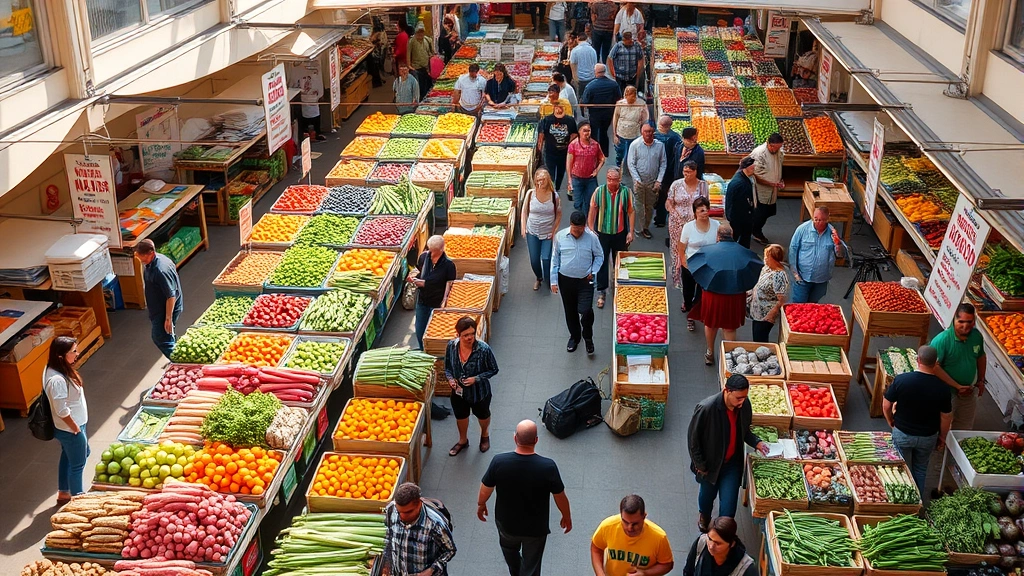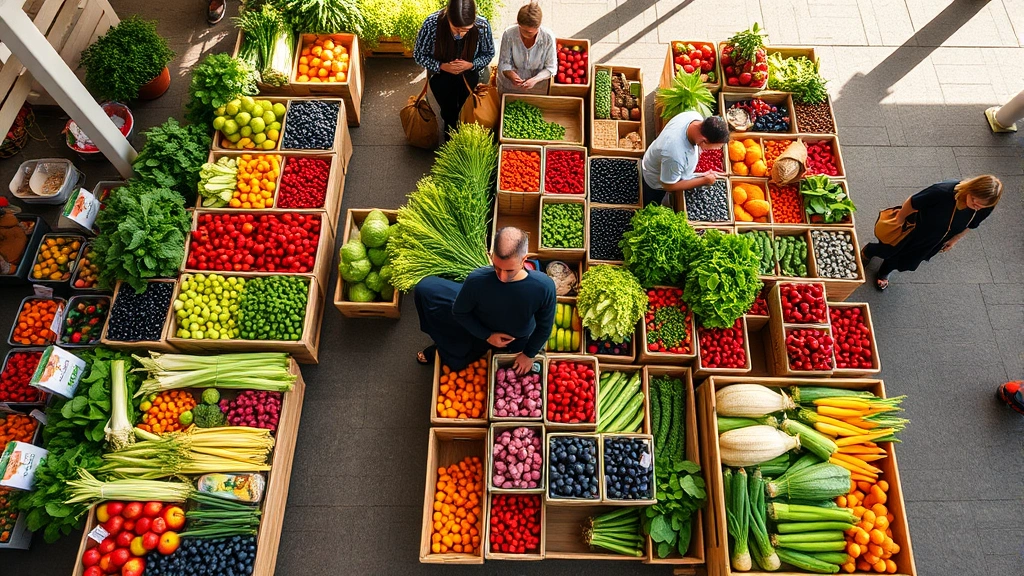
Studio City Farmers Market: A Local Gem Explored
The Studio City Farmers Market stands as a vibrant testament to the growing consumer demand for locally-sourced, fresh produce and artisanal goods in the Los Angeles area. Operating as a cornerstone of the Studio City community, this market represents more than just a place to purchase vegetables and fruits—it embodies a shift in consumer behavior toward sustainability, community engagement, and direct-to-consumer commerce. For ecommerce entrepreneurs and retail strategists, understanding the dynamics of successful farmers markets like Studio City provides invaluable insights into consumer preferences and local market opportunities.
The rise of farmers markets across North America reflects a fundamental change in how consumers approach food purchasing and community interaction. According to the USDA’s Agricultural Marketing Service, the number of farmers markets in the United States has grown exponentially over the past two decades, with consumers increasingly prioritizing freshness, transparency, and local economic support. The Studio City Farmers Market capitalizes on these consumer trends while serving as an educational hub for sustainable living practices and agricultural awareness.
Understanding the Studio City Farmers Market Experience
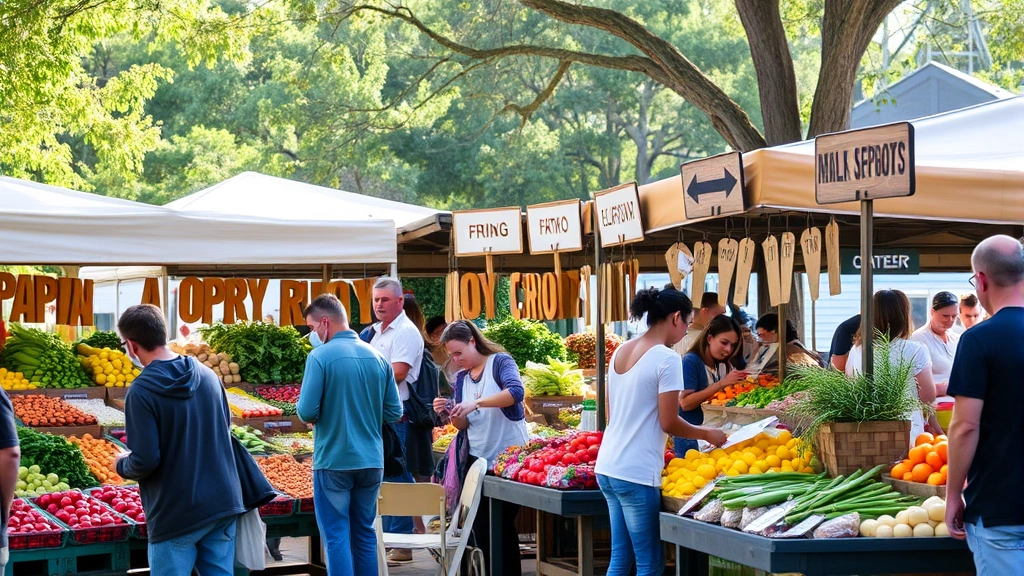
The Studio City Farmers Market operates as a carefully curated marketplace that brings together local farmers, artisans, and food producers with community members seeking premium quality goods. Located in the heart of the Studio City neighborhood in Los Angeles, this market has become a weekend destination for residents prioritizing quality over convenience. The market’s physical layout, vendor selection, and operational hours are strategically designed to maximize customer engagement and repeat visits.
What distinguishes farmers markets from traditional retail environments is the direct relationship between producers and consumers. Shoppers at Studio City interact face-to-face with farmers who can explain growing practices, answer questions about product sourcing, and provide personalized recommendations. This transparency builds trust and loyalty—key factors that Nielsen consumer research identifies as increasingly important to modern shoppers. The experiential nature of farmers market shopping creates emotional connections that digital platforms struggle to replicate, making it an essential component of omnichannel retail strategies.
The market’s hours of operation typically align with peak consumer shopping times, allowing working professionals and families to access products without significant schedule disruption. This accessibility consideration directly impacts foot traffic patterns and vendor profitability. Understanding these temporal dynamics helps retailers and ecommerce strategists optimize their own operational schedules and inventory planning. The Studio City market’s success demonstrates that location convenience and operational timing are critical variables in retail success, whether physical or digital.
Vendor Diversity and Product Categories
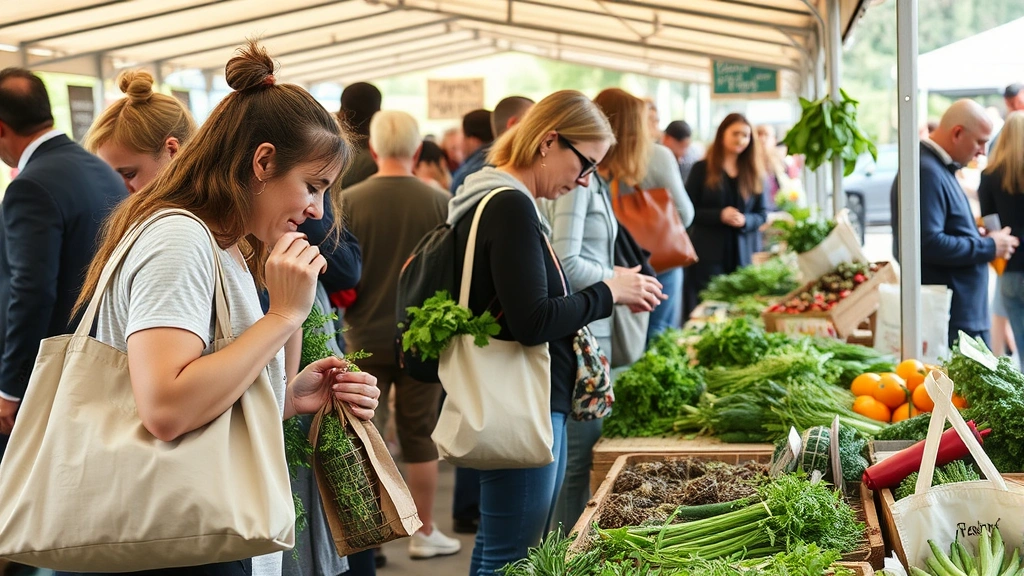
One of the Studio City Farmers Market’s greatest strengths lies in its diverse vendor base, featuring everything from conventional produce to specialty items. Typical vendor categories include organic vegetables, stone fruits, berries, nuts, honey, baked goods, prepared foods, flowers, and artisanal products. This diversity serves multiple strategic purposes: it attracts a broader customer base, increases average transaction values, and creates a one-stop shopping destination that encourages longer visits and higher spending.
Vendor selection at successful farmers markets follows deliberate curation principles. Market managers evaluate potential vendors based on product quality, uniqueness, alignment with market values, and community demand. This selective approach maintains market integrity and prevents vendor cannibalization—a concern in any retail environment. For entrepreneurs interested in markets near me or starting their own retail ventures, understanding vendor dynamics provides crucial lessons in product differentiation and market positioning.
The economic model for vendors differs significantly from traditional retail. Many farmers market vendors operate on lower overhead costs than brick-and-mortar retailers, allowing them to offer competitive pricing while maintaining healthier profit margins. This efficiency attracts entrepreneurial agricultural producers and food artisans who might not otherwise enter retail markets. The Studio City Farmers Market thus functions as an incubator for food businesses, with many vendors eventually expanding to online platforms, wholesale accounts, or their own retail locations.
Specialty vendors—those offering prepared foods, value-added products, or unique artisanal goods—drive significant transaction values. A customer purchasing fresh vegetables might spend $15-25, while those buying prepared foods, specialty jams, or baked goods often exceed $30-40 per visit. Understanding these purchasing patterns helps market managers optimize vendor mix and layout to maximize overall market revenue and customer satisfaction.
Consumer Demographics and Buying Patterns
The Studio City Farmers Market attracts a demographically diverse customer base, though certain patterns emerge consistently. Primary shoppers tend to be health-conscious consumers aged 25-65, with household incomes above median levels, and strong environmental awareness. These consumers prioritize product quality and sourcing transparency over price alone, demonstrating the premium positioning of farmers market goods compared to conventional supermarket alternatives.
Buying patterns at farmers markets reveal interesting consumer psychology. Research from Produce Marketing Association indicates that farmers market shoppers typically plan purchases based on seasonal availability rather than year-round demand. This seasonality shapes inventory management strategies and vendor planning. Spring brings asparagus and berries, summer dominates with stone fruits and vegetables, fall features apples and root vegetables, and winter emphasizes storage crops and prepared goods.
Repeat customer rates at successful farmers markets like Studio City typically exceed 70%, indicating strong brand loyalty and customer satisfaction. This loyalty translates into predictable revenue streams and word-of-mouth marketing that significantly reduces customer acquisition costs. For comparison, traditional retail environments often struggle to maintain 40-50% repeat customer rates. The farmers market model’s community-focused approach creates competitive advantages that digital retailers are increasingly trying to replicate through subscription services and loyalty programs.
Payment methods at modern farmers markets have evolved considerably. While cash remains common, digital payment systems including mobile wallets, credit cards, and even cryptocurrency are increasingly accepted. The National Retail Federation reports that consumer preference for contactless payments accelerated significantly post-pandemic, with 68% of consumers now expecting digital payment options at all retail venues. This evolution reflects broader trends in digital marketing strategy examples and consumer behavior adaptation.
Digital Integration and Modern Commerce
Contemporary farmers markets like Studio City increasingly integrate digital tools to enhance the shopping experience and streamline operations. Pre-ordering systems allow customers to reserve products before market day, reducing waste and ensuring vendor-customer matches. Social media platforms, particularly Instagram and Facebook, serve as primary communication channels for market updates, vendor spotlights, and promotional content.
The intersection of farmers markets and ecommerce represents a fascinating case study in omnichannel retail. Some Studio City vendors maintain their own websites or online stores, extending their market reach beyond weekend shoppers. This hybrid model allows seasonal vendors to generate year-round revenue while maintaining the community-focused farmers market presence. Digital platforms enable farmers market vendors to implement marketing strategy for startups principles, building brand awareness and customer loyalty beyond their physical market presence.
Email marketing proves particularly effective for farmers market vendors, with weekly newsletters featuring seasonal produce highlights and special offerings generating strong engagement rates. Unlike mass retail marketing, farmers market communications feel personal and community-focused, resulting in higher open rates and customer engagement metrics. This direct communication channel creates valuable customer data that informs inventory and product development decisions.
Technology adoption at farmers markets also includes inventory management systems, customer relationship management platforms, and data analytics tools. Progressive vendors track which products sell fastest, which customer segments purchase specific items, and how seasonal variations impact demand. This data-driven approach transforms farmers markets from informal gathering places into sophisticated retail operations that rival traditional grocery stores in operational efficiency.
Sustainability and Environmental Impact
Environmental consciousness drives much of the Studio City Farmers Market’s appeal and operational philosophy. Unlike conventional supply chains that transport produce thousands of miles, farmers market produce travels relatively short distances, significantly reducing carbon footprints. A study from Environmental Research Letters indicates that local food systems can reduce transportation-related emissions by 50-90% compared to conventional supermarket supply chains.
The market actively encourages sustainable consumer practices through reusable bag requirements, waste reduction initiatives, and education about seasonal eating. Many vendors use compostable packaging, minimize plastic use, and encourage customers to bring containers for bulk purchases. These practices align with consumer values, particularly among younger demographics who increasingly factor environmental impact into purchasing decisions.
Sustainable agricultural practices employed by farmers market vendors include crop rotation, integrated pest management, and water conservation—methods that maintain soil health and reduce chemical inputs compared to industrial agriculture. These practices, while sometimes resulting in slightly higher prices, resonate strongly with environmentally-conscious consumers willing to pay premiums for products aligned with their values. This willingness to pay demonstrates the economic viability of sustainability-focused retail models.
The environmental impact extends beyond production to consumption patterns. Research indicates that farmers market shoppers waste less produce due to higher quality and fresher products, and they’re more likely to utilize entire products, reducing household food waste. The Studio City Farmers Market thus contributes to broader sustainability goals while meeting consumer demands for environmentally responsible commerce.
Community Building and Social Impact
Beyond commerce, the Studio City Farmers Market functions as a community gathering space that strengthens neighborhood bonds and social cohesion. Regular attendees develop relationships with vendors, fellow shoppers, and market staff, creating social networks that extend beyond transactions. This community dimension distinguishes farmers markets from impersonal retail environments and creates emotional loyalty that transcends price competition.
The market hosts educational events, cooking demonstrations, and vendor spotlights that add value beyond product sales. These activities position the market as a lifestyle destination rather than merely a shopping venue. Families attend with children, creating multi-generational shopping experiences that build lasting habits and brand loyalty. This experiential retail approach aligns with contemporary consumer preferences for meaningful engagement and community connection.
Local economic impact represents a significant community benefit. Unlike supermarket chains that extract profits to corporate headquarters, farmers market revenue circulates within the local economy. Vendors reinvest earnings in their farms and businesses, purchase supplies from local vendors, and contribute to the community’s economic vitality. Studies indicate that local food systems generate 2-3 times more local economic activity per dollar spent compared to conventional retail models.
The market also creates employment opportunities for farmers, artisans, market staff, and ancillary service providers. For young entrepreneurs and career-changers, farmers markets offer accessible entry points into food business entrepreneurship. The relatively low barriers to entry compared to traditional retail make farmers markets incubators of economic opportunity and innovation.
Seasonal Trends and Inventory Management
Seasonal variation fundamentally shapes farmers market operations and requires sophisticated inventory management strategies. Spring brings early greens, asparagus, and berries; summer dominates with stone fruits, berries, and peak vegetable production; fall features apples, pumpkins, and root vegetables; and winter emphasizes storage crops, citrus, and prepared foods. This seasonal rhythm differs dramatically from conventional retail’s expectation of year-round product availability.
Successful vendors adapt inventory strategies to seasonal realities while maintaining customer satisfaction. Some employ preservation techniques like canning, freezing, or drying to extend product availability beyond peak seasons. Others develop complementary product lines that maintain market presence throughout the year. A summer berry vendor might add honey, jams, and baked goods in winter, ensuring consistent market presence and customer relationships.
Understanding seasonal demand patterns enables market managers to optimize vendor selection and layout. Peak seasons attract maximum foot traffic and require adequate vendor capacity, while slower seasons demand vendor flexibility and creative marketing. This cyclical nature contrasts with traditional retail’s focus on consistent sales throughout the year, requiring different management philosophies and performance metrics.
Weather patterns significantly impact both supply and demand at farmers markets. Unexpected frosts can devastate crops, reducing vendor inventory and customer selection. Conversely, ideal growing conditions create abundance, driving prices down and customer satisfaction up. This weather sensitivity makes farmers market operations inherently unpredictable compared to controlled retail environments, but also creates authentic narratives about agricultural realities that resonate with conscious consumers.
FAQ
When does the Studio City Farmers Market operate?
The Studio City Farmers Market typically operates on weekend mornings, usually Saturday or Sunday, though specific hours vary seasonally. Customers should verify current hours through the market’s social media channels or official website, as schedules may change based on seasonal demand and vendor availability.
What payment methods does the market accept?
Modern farmers markets including Studio City accept multiple payment methods: cash, credit cards, debit cards, mobile wallets, and some digital payment platforms. Specific payment options may vary by vendor, though most accept at least cash and cards. Some vendors participate in SNAP/EBT programs, making fresh produce accessible to low-income households.
How do prices at farmers markets compare to supermarkets?
Farmers market prices vary by product and vendor but generally align with or slightly exceed supermarket prices for comparable quality. However, farmers market produce is typically fresher, higher quality, and sourced more transparently. When accounting for longer shelf life and reduced waste, farmers market purchases often provide superior value despite higher per-unit prices.
Can vendors accept pre-orders or online purchases?
Many Studio City Farmers Market vendors accept pre-orders through their personal websites, social media, or email. Some participate in aggregated online ordering platforms that consolidate farmers market purchases. This hybrid approach allows customers to secure desired products and vendors to plan production more efficiently.
What should first-time shoppers bring?
First-time visitors should bring reusable shopping bags (often required), cash or payment cards, and an open mind regarding seasonal availability. Arriving early ensures maximum vendor selection, though afternoon shopping offers opportunities to negotiate prices as vendors approach closing time. Arriving with a rough shopping list prevents impulse overspending while remaining flexible to seasonal discoveries.
How does shopping at farmers markets support local agriculture?
Direct farmers market purchases ensure that farmers receive significantly higher percentages of retail prices compared to wholesale distribution. This economic model enables small and medium-sized farms to remain profitable and competitive. Additionally, farmers market customers create demand for diverse crop varieties and sustainable practices that industrial agriculture often ignores, supporting agricultural biodiversity and innovation.