Exploring Saigon Market NYC: Local Insights and Shopping Guide
Saigon Market at University Place in New York City represents one of the most vibrant and authentic Southeast Asian shopping destinations in Manhattan. This bustling marketplace has become a cultural hub for Vietnamese, Chinese, and broader Asian communities, offering everything from fresh produce and specialty ingredients to household goods and traditional merchandise. Whether you’re a longtime resident of the East Village or a curious visitor exploring NYC’s diverse neighborhoods, understanding what Saigon Market offers and how to navigate it effectively can enhance your shopping experience significantly.
The market’s strategic location on University Place near 8th Street positions it perfectly for foot traffic from NYU students, local residents, and tourists seeking authentic Asian products at competitive prices. Over the years, Saigon Market has evolved from a small neighborhood fixture into a destination that draws shoppers from across the city. This comprehensive guide will help you understand the market’s offerings, shopping strategies, and what makes it a unique part of New York City’s retail landscape.
History and Location of Saigon Market
Saigon Market’s roots trace back to the Vietnamese community’s establishment in the East Village during the 1970s and 1980s. As Vietnamese immigrants settled in this neighborhood, they created a commercial ecosystem that reflected their cultural heritage and shopping preferences. The market became an essential resource for maintaining traditional cooking practices and cultural connections. Today, it stands as a testament to New York City’s multicultural evolution and the entrepreneurial spirit of immigrant communities.
Located at University Place near 8th Street, the market occupies a prime position in one of Manhattan’s most walkable neighborhoods. The surrounding area features numerous restaurants, cafes, and retail establishments that cater to the diverse population. This location makes it easily accessible via multiple subway lines, including the N, R, and W trains at 8th Street, as well as the L train at 1st Avenue. The market’s proximity to NYU’s campus has helped it maintain relevance across generations of students and young professionals.
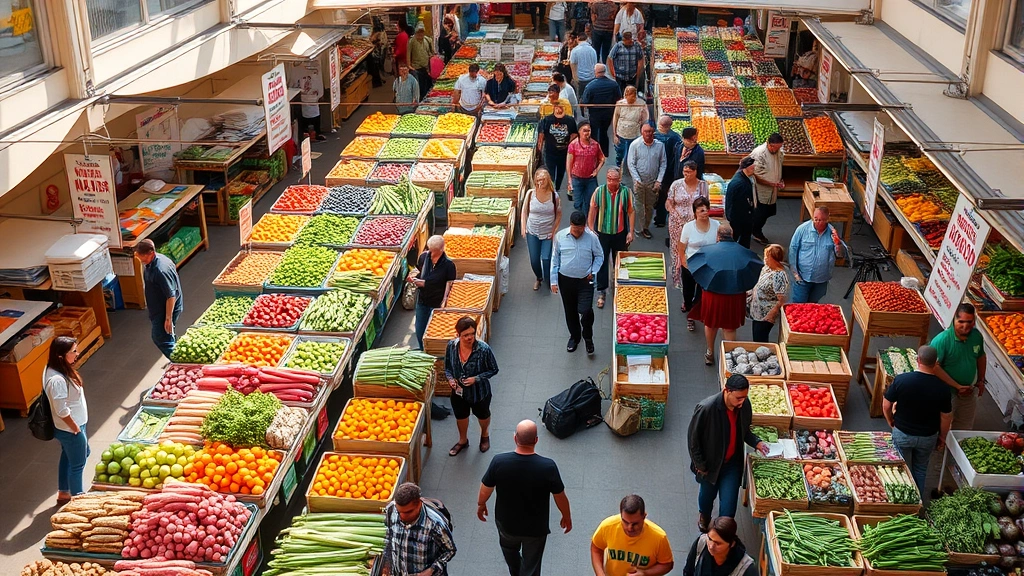
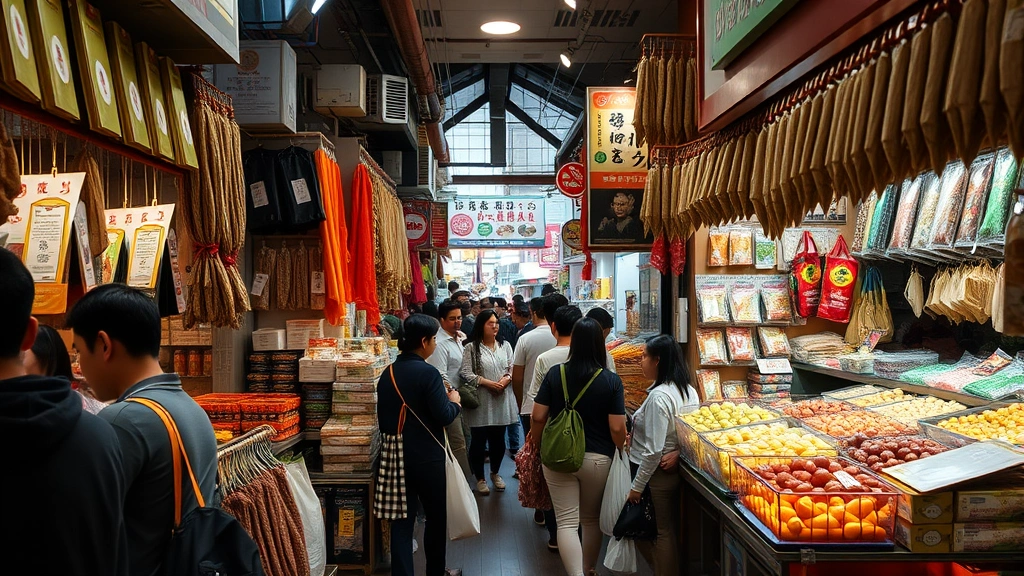
The physical space of Saigon Market reflects the efficient, no-frills approach common to traditional Asian markets. Unlike conventional supermarkets with wide aisles and elaborate displays, Saigon Market maximizes every square foot of retail space. Merchandise is organized by category but often in densely packed arrangements that require navigation skills. This layout, while potentially overwhelming for first-time visitors, actually contributes to the market’s charm and authenticity. It mirrors the shopping experience found in major Asian cities and resonates with customers seeking genuine cultural experiences.
Product Categories and Merchandise
Understanding what Saigon Market offers is essential for maximizing your shopping visit. The market specializes in products that might be difficult to find in mainstream supermarkets, making it invaluable for customers cooking traditional Asian cuisine or seeking specific cultural items. The inventory reflects demand from Vietnamese, Chinese, and broader Southeast Asian communities, with particular emphasis on fresh and specialty products.
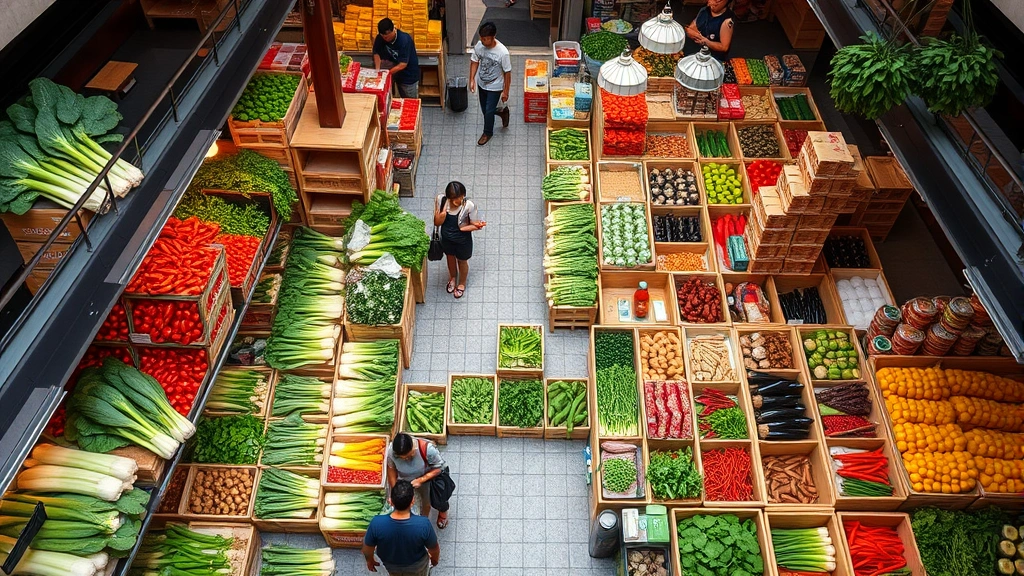
Fresh Produce and Vegetables: The market’s produce section features items both common and exotic. You’ll find standard vegetables like bok choy, Chinese broccoli, and bitter melon alongside specialty items such as Vietnamese mint, Thai basil, and fresh turmeric. Seasonal variations mean that inventory changes throughout the year, reflecting agricultural cycles in Southeast Asia. Prices for these items are typically 30-50% lower than specialty grocery stores, making bulk purchasing economical for home cooks.
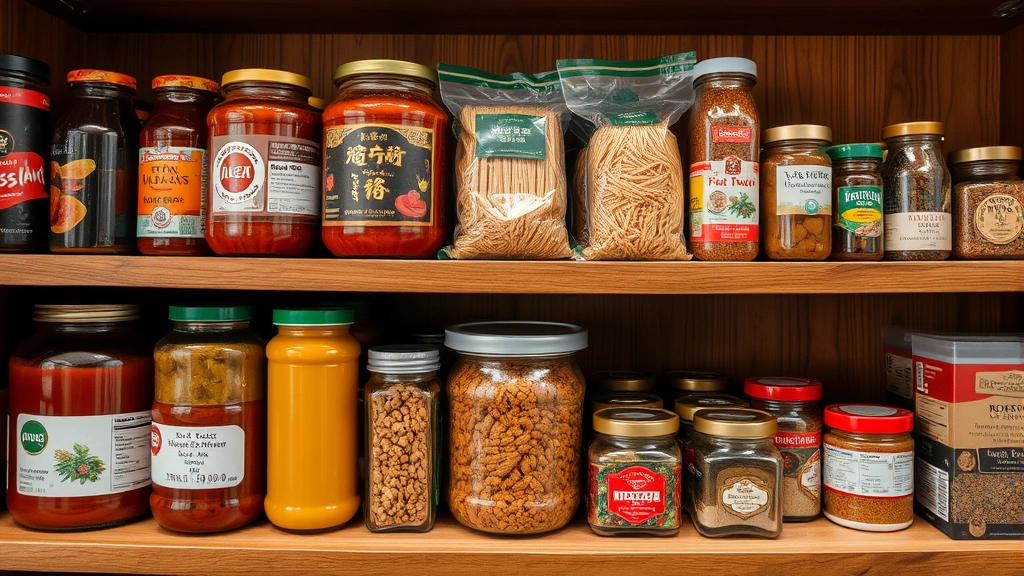
Dry Goods and Pantry Staples: Saigon Market excels in offering dried goods essential to Asian cooking. Rice varieties include jasmine, sticky rice, arborio, and specialty short-grain options. Dried noodles span numerous types: ramen, soba, rice noodles, and egg noodles. The spice selection includes Vietnamese staples like star anise, cinnamon sticks, and dried chilies at wholesale-adjacent pricing. Sauces and condiments occupy significant shelf space, with soy sauce, fish sauce, oyster sauce, and hoisin available in multiple brands and sizes.
Frozen Foods: The frozen section offers prepared items and ingredients that enable quick meal preparation. Frozen dumplings, spring rolls, and prepared dishes from various Asian cuisines are available. These items appeal to busy professionals and students seeking authentic flavors without extensive cooking time. Quality varies by brand, with premium options alongside budget-friendly choices.
Meat and Seafood: While the fresh meat and seafood selection depends on current inventory, the market typically offers items like whole chickens, pork cuts, and occasionally fresh fish. The frozen seafood section provides more consistent options including shrimp, squid, and fish suitable for Asian preparations. Prices are generally competitive with other specialty markets.
Beverages and Snacks: The beverage selection includes traditional drinks like Vietnamese coffee, herbal teas, and soft drinks popular in Asian communities. Snack offerings range from savory items like roasted seaweed and shrimp chips to sweet options including candies and pastries. These items make excellent souvenirs or personal treats.
Shopping Strategies and Best Practices
Successful shopping at Saigon Market requires understanding its operational style and customer dynamics. Unlike conventional retail environments, this market operates on different principles that reward preparation and flexibility.
Timing Your Visit: Early morning visits, particularly on weekdays before 10 AM, offer the least crowded experience. Weekday afternoons between 2-4 PM also tend to be quieter. Conversely, weekends and evenings draw significant crowds, particularly on Saturdays. If you prefer a less hectic shopping experience, plan accordingly. Early visits also mean fresher produce, as restocking typically occurs overnight.
Preparation Strategies: Create a shopping list organized by section to minimize navigation time. Familiarize yourself with basic product names in English and Vietnamese, as some items may be labeled primarily in Vietnamese. Bring reusable bags, as the market may charge for plastic bags or expect you to bring your own. Cash is preferred, though many vendors now accept cards.
Understanding markets near me helps contextualize Saigon Market within NYC’s broader retail landscape. The market functions as part of a larger ecosystem of specialty retailers serving diverse communities. For those interested in broader market trends, exploring Market Rise Hub Blog provides context on how neighborhood markets like Saigon operate within modern retail environments.
Quality Assessment: Inspect produce carefully before purchasing, as quality can vary. Look for vibrant colors, firm texture, and absence of blemishes. Don’t hesitate to request items be picked fresh from bins. For packaged goods, check expiration dates carefully, as some items may have been in inventory longer than in mainstream stores. This isn’t necessarily problematic, but awareness is important.
Negotiation and Flexibility: While Saigon Market isn’t a traditional negotiation environment like street markets in Asia, prices on bulk purchases may be flexible, particularly for regular customers. Building relationships with vendors can result in better pricing over time. Additionally, be flexible with brands and specific items—if your preferred brand is unavailable, asking for recommendations often yields excellent alternatives.
Language Considerations: While English is spoken, some staff members may have limited proficiency. Learning basic Vietnamese phrases related to shopping can enhance your experience. Alternatively, using translation apps on your smartphone can facilitate communication when needed. The effort to communicate in Vietnamese is generally appreciated and may result in better service.
Quality and Pricing Analysis
Evaluating Saigon Market’s value proposition requires understanding how its pricing and quality compare to alternatives. Several factors influence whether shopping here makes economic sense for your specific needs.
Price Competitiveness: For specialty Asian products, Saigon Market typically offers significantly lower prices than mainstream supermarkets or specialty stores. Research from consumer shopping behavior studies indicates that ethnic markets like Saigon operate on lower margins and higher volume, enabling competitive pricing. For example, jasmine rice costs 30-40% less than comparable products at conventional supermarkets. Fish sauce, Vietnamese mint, and specialty vegetables show similar pricing advantages.
However, for mainstream items like milk, bread, or common produce, prices may not be competitive with large supermarket chains. The market focuses on specialty items where their advantages are greatest. Smart shoppers use Saigon Market strategically for specific categories while shopping elsewhere for general groceries.
Quality Considerations: Quality at Saigon Market is generally excellent for fresh produce and specialty items. The market’s high turnover means products move quickly, resulting in fresher merchandise. Produce sourced from local distributors serving the Asian community often reflects superior quality compared to mass-market alternatives. However, the market’s focus on volume over presentation means you may encounter less visually perfect items—this reflects authentic retail practices rather than quality deficiency.
For packaged goods, quality depends on the specific product. Premium brands from Asia are available alongside budget options. Understanding brand hierarchies within Asian products helps ensure you’re purchasing appropriate quality levels. Staff members can offer guidance if you ask about product quality or recommendations.
Bulk Purchasing Value: Saigon Market’s true value emerges when purchasing in bulk. Buying rice, noodles, sauces, and spices in larger quantities results in per-unit costs that dramatically undercut alternatives. For those cooking Asian cuisine regularly, bulk purchasing at Saigon Market can reduce annual food costs by hundreds of dollars. This advantage particularly benefits families, meal-prep enthusiasts, and restaurants sourcing ingredients.
Customer Experience and Accessibility
The customer experience at Saigon Market differs substantially from conventional retail environments, which can be positive or challenging depending on personal preferences and accessibility needs.
Store Layout and Navigation: The market’s compact design creates an authentic but sometimes overwhelming environment. Aisles are narrow, and merchandise extends from floor to ceiling. This layout maximizes inventory in limited space but requires careful navigation. First-time visitors may feel disoriented, but the market’s relatively small size means you can explore it thoroughly in 20-30 minutes. Regular visits quickly build familiarity with product locations.
Accessibility Considerations: The narrow aisles and dense merchandise presentation present challenges for shoppers with mobility limitations or those using wheelchairs. The market doesn’t feature the wide, accessible aisles of modern supermarkets. Additionally, restrooms are not available to customers, and climate control can be inconsistent, particularly during summer months. These factors should inform your shopping plans if accessibility is a concern.
Staff Knowledge and Service: Staff members at Saigon Market generally possess extensive product knowledge, particularly regarding specialty items. They can recommend products, suggest preparations, and help locate specific items. However, communication may require patience due to language differences. The service approach is transactional rather than consultative—staff will help if asked but won’t proactively approach customers. This reflects traditional Asian market culture and shouldn’t be interpreted as indifference.
Checkout Experience: The market typically operates with limited checkout stations, which can create lines during peak hours. Payment processing has modernized somewhat, with most vendors accepting cards alongside cash. However, expect a more basic checkout experience compared to supermarkets—no bagging service or extensive customer service interactions. Bringing your own bags and being prepared to bag your own items expedites the process.
Comparison with Other NYC Asian Markets
New York City hosts numerous Asian markets, and understanding how Saigon Market compares helps determine which venue best serves your needs. Understanding broader why marketing is important for business helps explain how different markets position themselves within NYC’s competitive retail environment.
Chinatown Markets: Manhattan’s Chinatown features larger, more established markets like Kam Man Food and Hong Kong Supermarket. These venues offer broader product selections and more modern facilities but typically charge premium prices. They serve tourists and mainstream customers, resulting in higher overhead costs. Saigon Market’s smaller size and community focus enable lower pricing but with less variety.
Flushing Queens Markets: Queens’ Flushing neighborhood hosts enormous Asian markets like New York Mart and various Korean and Chinese specialty stores. These venues offer the largest selections and most competitive pricing but require travel from Manhattan. For East Village residents, Saigon Market’s convenience often outweighs Flushing’s selection advantages.
Sunset Park Brooklyn Markets: Brooklyn’s Sunset Park neighborhood, home to significant Chinese and Southeast Asian communities, features numerous markets. These venues offer pricing comparable to Saigon Market with potentially larger selections but require subway travel for Manhattan residents.
Specialty Retailers: High-end grocers and specialty markets like Dean & DeLuca or Whole Foods carry Asian products at premium prices. Saigon Market’s pricing advantage over these venues is substantial, often 50-70% lower for comparable items. However, these retailers offer superior ambiance and customer service.
For East Village residents and NYU-affiliated individuals, Saigon Market’s combination of location, pricing, and authenticity makes it the optimal choice for regular Asian grocery shopping. Those willing to travel for maximum selection should explore nearby market options to compare offerings.
Understanding market dynamics requires recognizing how specialty retailers like Saigon operate differently from conventional grocery stores. For those interested in broader retail strategy, digital marketing strategy examples illustrate how modern retailers engage customers, though traditional markets like Saigon rely more on word-of-mouth and community relationships.
The evolution of markets like Saigon reflects changing consumer preferences and retail landscapes. Examining marketing strategy for startups provides insight into how small retailers compete effectively against larger chains through community focus and specialized offerings.
FAQ
What are Saigon Market’s hours of operation?
Saigon Market typically operates from 9 AM to 8 PM daily, though hours may vary seasonally. It’s advisable to call ahead or check current hours before planning a visit, particularly during holidays or winter months when hours might be adjusted.
Does Saigon Market accept credit cards?
Yes, most vendors at Saigon Market now accept credit and debit cards alongside cash. However, some smaller vendors may prefer cash, and carrying both payment methods ensures smooth transactions. Asking before shopping is recommended.
What is the best time to visit Saigon Market?
Weekday mornings between 9-10 AM offer the least crowded experience with the freshest inventory. If you prefer avoiding crowds, avoid Saturday afternoons and weekday evenings after 5 PM when the market becomes significantly busier.
Can I find Western products at Saigon Market?
Saigon Market specializes in Asian products and carries limited Western items. For mainstream groceries, you’ll want to supplement with conventional supermarkets. The market’s strength lies in specialty Asian ingredients unavailable elsewhere.
Are there parking options near Saigon Market?
Street parking in the East Village is limited and often challenging. Public transportation via subway is the most practical option. The market is easily accessible via the N, R, W trains at 8th Street or the L train at 1st Avenue.
Does Saigon Market offer online ordering or delivery?
Traditional Saigon Market operates as a physical-only retail location without official online ordering. However, some items may be available through third-party delivery services. Contacting the market directly can clarify current options.
What makes Saigon Market different from conventional supermarkets?
Saigon Market operates as a specialty ethnic market focused on serving Asian communities. This means lower overhead, higher volume on specialty items, and authentic cultural products. The trade-off is less convenient layout, smaller size, and limited Western products compared to conventional supermarkets.
Are prices negotiable at Saigon Market?
While not a traditional negotiation market, prices on bulk purchases may be flexible, particularly for regular customers. Building relationships with vendors over time can result in better pricing. Individual item prices are generally fixed, but asking about bulk discounts is appropriate.