Punk Rock Flea Market Tips: Seller’s Success Guide
The punk rock flea market scene represents a thriving subculture where vintage band merchandise, rare vinyl records, DIY clothing, and rebellious memorabilia find eager buyers. Whether you’re a seasoned vendor or first-time seller, understanding how to navigate this unique marketplace requires strategy, authenticity, and business acumen. Punk flea markets combine the raw energy of counterculture with legitimate commerce, creating opportunities for sellers who understand their audience and know how to present their inventory effectively.
Success in the punk rock flea market extends beyond simply showing up with merchandise. You need to understand your customer base, price competitively, create an engaging booth experience, and leverage both in-person and digital marketing channels. This comprehensive guide will equip you with actionable strategies to maximize sales, build customer loyalty, and establish yourself as a trusted vendor in the punk rock community.
Understanding Your Punk Rock Flea Market Audience
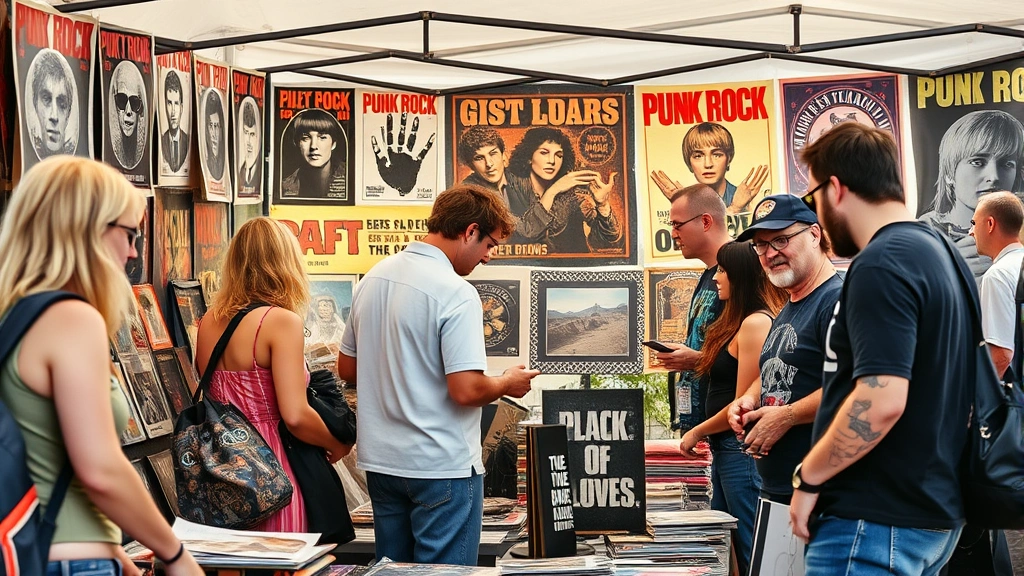
The punk rock flea market attracts a diverse demographic united by appreciation for alternative culture, vintage aesthetics, and anti-establishment values. Your customers range from collectors seeking rare concert tees from the 1970s and 1980s to younger enthusiasts discovering punk heritage for the first time. Understanding this audience’s motivations, purchasing behaviors, and values is fundamental to your success as a vendor.
Punk rock enthusiasts prioritize authenticity above all else. They can instantly detect knockoffs, reproductions, and inauthentic merchandise. Building credibility means being transparent about item origins, condition, and provenance. Many buyers are willing to pay premium prices for genuinely rare pieces with documented history. Your knowledge of punk rock history, bands, and cultural significance directly impacts your authority and trustworthiness in the marketplace.
Research the specific punk rock markets near you to understand local customer preferences. Different regions have different punk scenes—West Coast punk differs from East Coast hardcore, and European punk culture influences merchandise differently than American scenes. Tailor your inventory and messaging to reflect these regional nuances.
Age demographics matter significantly. While older collectors seek nostalgia and rare pieces from their youth, younger audiences want affordable entry points into punk culture and contemporary punk-adjacent fashion. Creating inventory tiers that serve both segments maximizes your customer base and revenue potential.
Sourcing Authentic Inventory
Finding quality merchandise is the foundation of your punk rock flea market business. Legitimate sources include estate sales, vintage clothing stores, online auctions, direct band connections, and other collectors. The key is developing a sourcing strategy that balances acquisition costs with retail demand.
Estate sales and liquidations often yield genuine vintage punk merchandise. Deceased collectors’ families frequently don’t understand the value of rare concert shirts, vinyl records, or memorabilia. Building relationships with estate sale companies and attending auctions regularly can provide access to exceptional inventory before it reaches mainstream markets.
Direct relationships with bands, roadies, and venue operators provide access to authentic merchandise unavailable elsewhere. Vintage concert merchandise, signed items, and backstage passes carry premium value. Attend punk rock shows, festivals, and community events to network and build these crucial relationships. Your marketing strategy for small businesses should include community engagement as a core component.
Online sourcing through platforms like eBay, Discogs, and Etsy provides inventory options, though carefully evaluate seller ratings and item authenticity. Building relationships with other dealers creates wholesale opportunities and access to bulk inventory at favorable pricing.
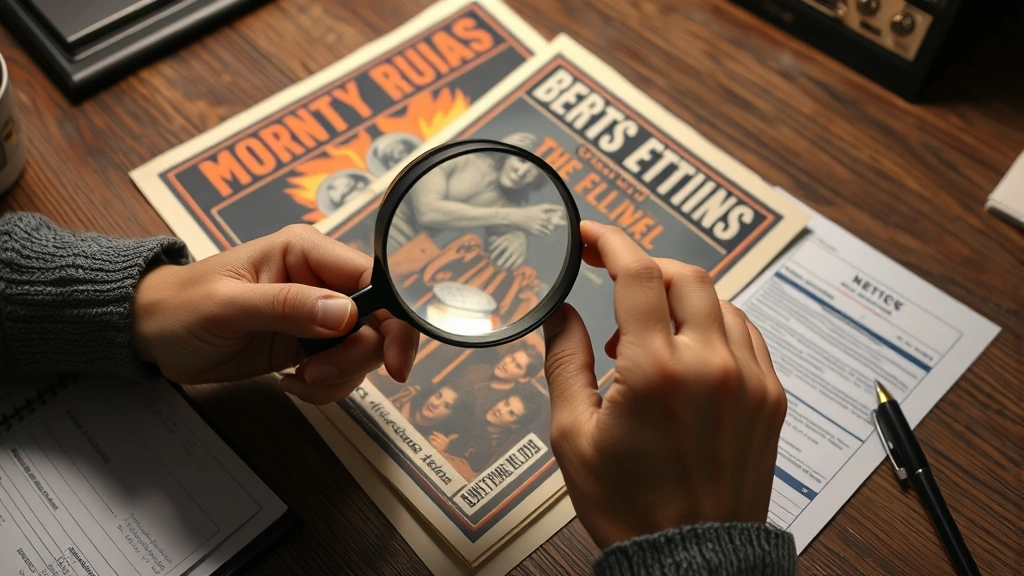
Document everything. Photograph items with clear details, write descriptions noting condition accurately, and maintain records of provenance. This documentation becomes your competitive advantage when customers question authenticity. Detailed records also help with tax compliance and inventory management.
Avoid counterfeits completely. The punk community has strong collective values against corporate exploitation and inauthenticity. Selling fake merchandise destroys your reputation instantly and may expose you to legal liability. Focus on genuinely rare, vintage, and authentic pieces that command respect.
Pricing Strategies for Maximum Profitability
Pricing represents one of the most critical decisions you’ll make as a punk rock flea market vendor. Price too high and you’ll struggle to generate sales volume; price too low and you’ll leave significant profit on the table. Effective pricing balances market demand, item rarity, condition, and your acquisition costs.
Research comparable sales across multiple platforms. Check Discogs for vinyl pricing, eBay completed listings for merchandise, and Depop for clothing. Understanding where items have actually sold—not just asking prices—gives you realistic market benchmarks. Rare items with few comparable sales require more subjective pricing based on perceived value and collector demand.
Condition dramatically affects pricing. Concert shirts from the 1980s in perfect condition command 300-500% premiums over worn examples. Develop a consistent grading system (mint, near mint, excellent, good, fair, poor) and apply it uniformly across your inventory. Be honest about condition—customers appreciate transparency and return for vendors they trust.
Create pricing tiers that accommodate different customer segments. Offer some affordable entry-level items ($5-$25) for casual browsers and younger customers, mid-range pieces ($25-$100) for regular collectors, and premium rare items ($100+) for serious enthusiasts. This strategy maximizes transaction frequency and customer satisfaction.
Bundle pricing encourages larger purchases. Offer discounts for buying multiple items—three band shirts for $40 instead of $15 each, or vinyl record packages at reduced per-item prices. Bundles increase average transaction value while providing customers perceived savings.
Consider dynamic pricing based on market conditions. Items trending in pop culture or recently featured in media command higher prices temporarily. Monitor social media and entertainment news to capitalize on timely demand spikes. Conversely, slow-moving inventory requires strategic discounting to free up booth space.
Factor in all costs when establishing prices: acquisition cost, booth rental, transportation, packaging materials, payment processing fees, and your labor time. A general rule suggests 2.5-3x markup on acquisition cost, adjusted for item rarity, condition, and demand.
Booth Setup and Visual Merchandising
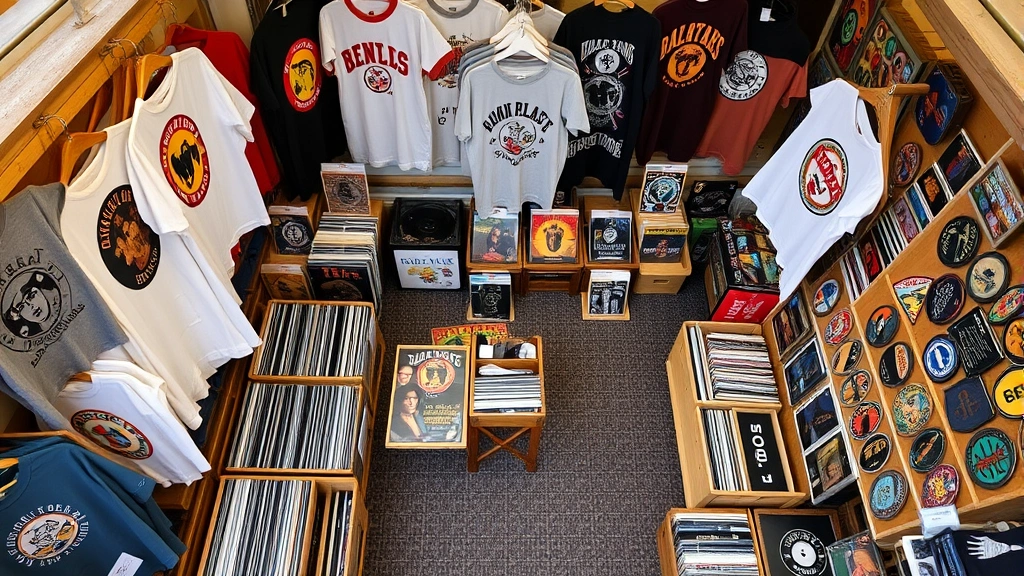
Your physical booth represents your brand and directly influences purchasing decisions. The punk rock aesthetic emphasizes authenticity, edge, and anti-establishment vibes, but this doesn’t mean your booth should be disorganized or unprofessional. Strategic visual merchandising balances punk attitude with commercial effectiveness.
Organization matters more than most sellers realize. Customers appreciate being able to navigate your inventory logically. Organize by category (vinyl records, t-shirts, patches, pins, memorabilia), band (alphabetical), or era (1970s, 1980s, 1990s, 2000s). Clear organization demonstrates professionalism and helps customers find what they want.
Lighting elevates your booth significantly. Portable LED strips or spotlights highlight valuable pieces, create ambiance, and make items visible in poorly lit market venues. Proper lighting also makes photography easier for social media content, which extends your reach beyond the physical market.
Display fixtures matter strategically. Clothing racks, shelving units, and display cases protect merchandise while making items visible. Vinyl records require vertical storage in crates or dividers. Framed band posters or enlarged photographs create visual interest and communicate your booth’s theme clearly. Invest in quality fixtures that reflect your brand positioning.
Create focal points within your booth. Feature your rarest or most striking items prominently. A perfectly preserved 1977 Sex Pistols concert shirt or original punk fanzine serves as a conversation starter and draws customers deeper into your booth. Strategic placement of premium items encourages customers to browse your entire inventory.
Maintain cleanliness and organization throughout market hours. Regularly straighten merchandise, remove sold items promptly, and refresh displays. A well-maintained booth signals professionalism and respect for customers’ shopping experience. Neglected booths appear unprofessional regardless of merchandise quality.
Create an inviting atmosphere. Punk culture values authenticity and personality. Display your passion for punk rock through carefully curated music playing softly in your booth, band memorabilia that reflects your genuine interests, and engaging conversation with customers. Customers want to buy from people who genuinely care about the culture.
Consider weather and seasonal factors. Bring canopies for outdoor markets, ensure adequate ventilation for indoor spaces, and protect merchandise from environmental damage. Preparation demonstrates professionalism and protects your inventory investment.
Building Your Brand Identity
Successful punk rock flea market vendors develop distinctive brand identities that customers recognize and remember. Your brand encompasses your booth aesthetic, communication style, customer service approach, and values alignment with punk culture.
Authenticity forms your brand foundation. Punk culture originated as a rebellion against corporate inauthenticity. Customers support vendors who genuinely love punk rock, not those treating it as a commercial trend. Share your personal punk rock journey, explain why you chose specific inventory, and demonstrate deep knowledge of bands, history, and culture. Your passion becomes your competitive advantage.
Develop consistent visual branding across your booth and any digital presence. Use consistent logos, color schemes, and design elements. This consistency makes you recognizable across multiple markets and creates professional brand recognition. Your visual identity should reflect punk aesthetics—edgy, bold, unconventional—while remaining professional and organized.
Create a memorable booth name or vendor identity. Clever names that reference punk bands, cultural moments, or philosophy help customers remember you. “Anarchy Records,” “Safety Pin Vintage,” or “The Ramones’ Closet” are memorable and thematically appropriate. Your name becomes your brand equity over time.
Build a reputation for fair dealing and honest representation. Transparency about item condition, authenticity, and pricing builds trust. Customers will travel to your booth across multiple markets and recommend you to friends if they trust you consistently deliver authentic, fairly-priced merchandise.
Consider developing your own merchandise or services. Some vendors create custom band-themed items, curate themed collections, offer valuation services, or provide authentication expertise. These value-added services differentiate you from competitors and justify premium positioning.
Marketing Your Punk Rock Flea Market Presence
While in-person presence matters, strategic marketing expands your reach and builds customer anticipation. Digital marketing trends continue evolving, and punk vendors should leverage social media, online communities, and content marketing effectively.
Instagram serves as the primary platform for punk rock vendors. Post high-quality photos of your inventory, behind-the-scenes booth setup content, and rare finds. Use relevant hashtags (#punkfleamarket #vinylcollector #vintageband #punkrock #punkfashion) to increase discoverability. Instagram’s visual focus aligns perfectly with merchandise-based business models. Consistent posting and engagement builds a follower community that anticipates your market appearances.
TikTok reaches younger audiences discovering punk culture. Short videos showcasing rare finds, cleaning/restoration processes, or punk history education perform well. Younger audiences appreciate authentic, personality-driven content that doesn’t feel overly commercial. This platform builds brand awareness among future customers.
Facebook groups dedicated to punk rock, vintage clothing, and flea markets provide targeted marketing opportunities. Participate authentically in these communities, share your market schedule, and engage in discussions. Avoid overly promotional posts—community members detect and resent aggressive marketing. Instead, contribute value and let your expertise speak for itself.
Email marketing builds direct customer relationships. Collect emails at your booth through opt-in lists and send market announcements, special inventory alerts, and exclusive offers. Email marketing maintains contact with customers between market appearances and drives repeat purchases.
Understand why marketing is important for business specifically in niche markets. Punk rock communities are tight-knit and value word-of-mouth recommendations. Exceptional customer service and quality merchandise generate organic marketing through customer referrals, which remains the most powerful marketing channel.
Partner with related vendors and businesses. Collaborate with punk record stores, vintage clothing shops, tattoo studios, and venues. Cross-promotion introduces you to established customer bases and builds community relationships. These partnerships strengthen the entire punk rock ecosystem while benefiting individual businesses.
Create content that positions you as an authority. Write blog posts about punk rock history, band retrospectives, or collecting guides. Share this content through your social channels and submit to relevant publications. Authority positioning justifies premium pricing and attracts serious collectors seeking expert guidance.
Customer Engagement Tactics
Direct customer interaction at your booth creates memorable experiences that drive sales and build loyalty. Effective engagement requires balancing approachability with respect for customer autonomy.
Greet customers warmly and make yourself available without being pushy. Many customers appreciate being left alone to browse initially, while others want immediate engagement. Read customer signals and adapt your approach accordingly. Enthusiastic, knowledgeable vendors create positive experiences that drive sales and referrals.
Share stories and context around your merchandise. Explain the band’s significance, the era’s cultural moment, or the item’s provenance. These stories add emotional value to purchases and justify premium pricing. Customers remember experiences and stories, not just transactions.
Handle negotiations professionally. Punk culture values authenticity and straight dealing, but some negotiation is expected at flea markets. Know your minimum acceptable prices and be willing to negotiate on items you’re flexible about. Customers respect vendors who stand firm on fair prices while showing willingness to deal.
Ask questions about customer interests. Understanding what customers collect, which bands they love, or what gaps exist in their collections allows you to make targeted recommendations. Personal attention creates loyal customers who return repeatedly.
Offer expert services. Provide authentication guidance, valuation estimates, or collection assessments. These services position you as an expert and create additional value beyond simple merchandise sales. Some vendors charge for detailed authentication services while offering basic guidance free.
Build a customer database. Collect contact information from interested customers and maintain records of their interests and purchases. This allows targeted marketing when you acquire inventory matching their preferences. Personalized outreach drives repeat business and builds customer loyalty.
Create loyalty incentives. Offer punch cards for repeat purchases, special discounts for regular customers, or exclusive early access to premium new inventory. These programs encourage repeat business and demonstrate appreciation for customer loyalty.
Payment Systems and Logistics
Professional payment handling and logistics management distinguish successful vendors from casual sellers. Implementing robust systems builds customer confidence and streamlines operations.
Accept multiple payment methods. While cash remains important at flea markets, modern customers expect digital options. Square, PayPal, or Stripe readers enable card payments on mobile devices. Offering payment flexibility increases sales from customers without sufficient cash and positions you as professional.
Manage cash carefully. Use a locked cash box, keep minimal large bills visible, and consider hiring security for high-value transactions. Establish clear change-making procedures and verify bills for counterfeits. Proper cash management protects your revenue and reduces theft risk.
Develop packaging standards for shipped orders. Punk rock flea market vendors increasingly offer shipping to expand beyond local markets. Use protective packaging that reflects your brand—custom tissue paper, stickers, or thank-you notes create memorable unboxing experiences that encourage positive reviews and repeat purchases.
Maintain detailed records for tax compliance. Document all purchases, sales, and expenses. Accurate bookkeeping simplifies tax filing and demonstrates business legitimacy. Consult with an accountant about appropriate business structure and tax obligations for your vendor operation.
Consider insurance for high-value inventory. If you maintain significant stock, business insurance protects against theft, damage, and liability. Proper insurance demonstrates professionalism and provides peace of mind.
Develop logistics for multiple market appearances. Efficient packing and unpacking systems save time and reduce stress. Invest in quality storage containers, organize inventory logically, and create checklists for market setup. Streamlined logistics allow you to focus on sales rather than operational challenges.
Build relationships with shipping carriers. If offering mail orders, negotiate favorable rates with USPS, UPS, or FedEx. Volume discounts reduce shipping costs and improve profit margins on shipped items.
Track inventory carefully. Maintain records of items sold, current stock levels, and items needing replacement. This data informs sourcing decisions and prevents stockouts of popular items. Inventory management directly impacts profitability and customer satisfaction.
FAQ
What merchandise sells best at punk rock flea markets?
Vintage band t-shirts, vinyl records, concert posters, patches, pins, and rare memorabilia consistently perform well. Items from the 1970s-1990s typically command premium prices. Condition significantly affects value—well-preserved pieces sell much faster than worn examples. Research current market demand and focus on items with documented collector interest.
How do I verify authenticity of vintage punk merchandise?
Learn band history, catalog release dates, and typical merchandise production methods. Study tag construction, printing techniques, and materials used in specific eras. Connect with experienced collectors and join authentication communities. For high-value items, consider professional authentication services. Building expertise takes time but becomes your competitive advantage.
What’s a realistic profit margin for punk rock flea market vendors?
Profit margins vary based on item type and rarity. Common items typically see 100-150% markups, while rare pieces can achieve 200-400% markups. However, factor in all costs including booth rental, transportation, and time. Many successful vendors aim for 40-50% net profit after all expenses, depending on volume and inventory turnover.
Should I develop an online store to supplement flea market sales?
Online stores significantly expand your reach and revenue potential. Platforms like Etsy, Shopify, or eBay allow you to reach customers between market appearances. However, online operations require photography, shipping logistics, and customer service management. Start with simple platforms like Instagram Shopping or Facebook Marketplace before investing in dedicated storefronts.
How do I find punk rock flea markets in my area?
Search social media groups dedicated to punk rock, vintage fashion, and flea markets. Check market listings and vendor communities online. Attend established markets as a customer first to evaluate opportunities. Network with other vendors to learn about upcoming markets and build relationships with organizers.
What legal considerations apply to flea market vending?
Requirements vary by location. Most jurisdictions require business licenses, tax identification numbers, and sales tax collection. Some venues require vendor permits or insurance. Contact your local business licensing office and market organizers to understand specific requirements. Proper legal compliance protects you and demonstrates professionalism.
How can I stand out from other punk rock flea market vendors?
Develop expertise and authentic passion for punk culture. Curate unique inventory unavailable elsewhere. Build a memorable brand identity reflected in your booth aesthetic and customer interactions. Provide exceptional customer service and fair pricing. Engage with customers knowledgeably and create memorable experiences. Consistency across multiple markets builds recognition and loyalty.


