Middle East Market Trends: Expert Insights for 2025
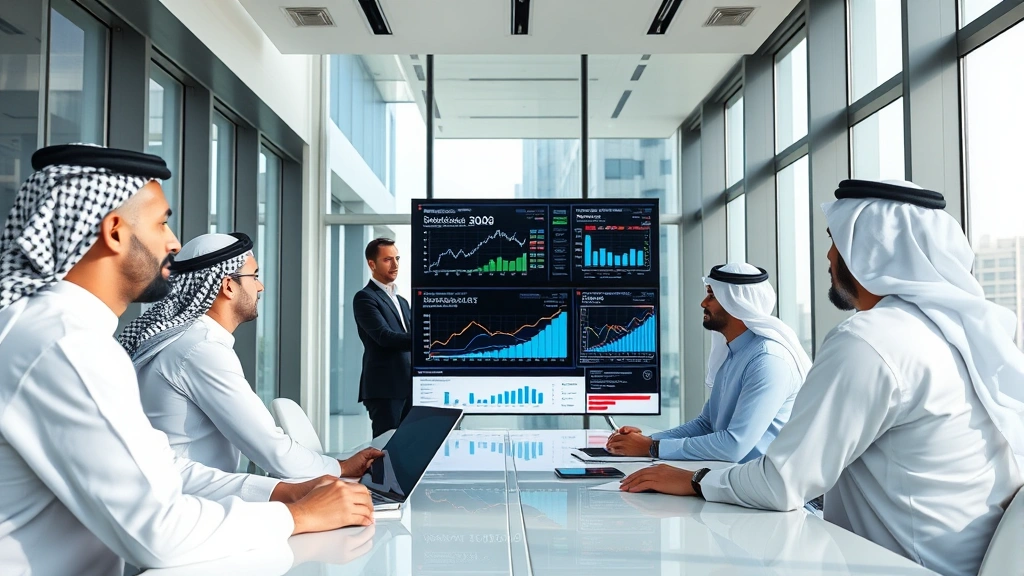
The Middle East market represents one of the world’s most dynamic and rapidly evolving economic regions, characterized by unprecedented digital transformation, diversified investment portfolios, and shifting consumer behaviors. With a combined GDP exceeding $2 trillion and a population of over 400 million, the Middle East has emerged as a critical hub for international commerce, technology adoption, and retail innovation. Understanding the nuanced trends shaping this market is essential for businesses seeking to establish or expand their presence in the region.
Recent data indicates that the Middle East market is experiencing accelerated growth across multiple sectors, including e-commerce, fintech, renewable energy, and luxury goods. The region’s strategic geographic position, coupled with substantial sovereign wealth funds and government initiatives like Saudi Arabia’s Vision 2030 and the UAE’s economic diversification plans, has created unprecedented opportunities for both local and international enterprises. This comprehensive analysis explores the key market dynamics, consumer trends, and strategic opportunities that are defining the Middle East’s commercial landscape.
E-Commerce Acceleration and Digital Retail Growth
The Middle East e-commerce market has experienced explosive growth, with projections indicating a compound annual growth rate (CAGR) of 12-15% through 2027. This expansion is driven by increasing internet penetration, rising smartphone adoption, and evolving consumer preferences toward online shopping convenience. According to Statista’s Middle East e-commerce outlook, the region’s online retail market exceeded $25 billion in 2024, with significant variations across individual markets.
Saudi Arabia and the United Arab Emirates lead this digital revolution, accounting for approximately 45% of the region’s total e-commerce transactions. The UAE’s e-commerce penetration rate has reached 38% of total retail sales, positioning it among the world’s highest adoption rates. Key drivers include improved logistics infrastructure, increased last-mile delivery capabilities, and rising consumer confidence in online transactions. Major platforms like Noon, Souq, and Namshi have become household names, while international players such as Amazon continue expanding their regional footprint.
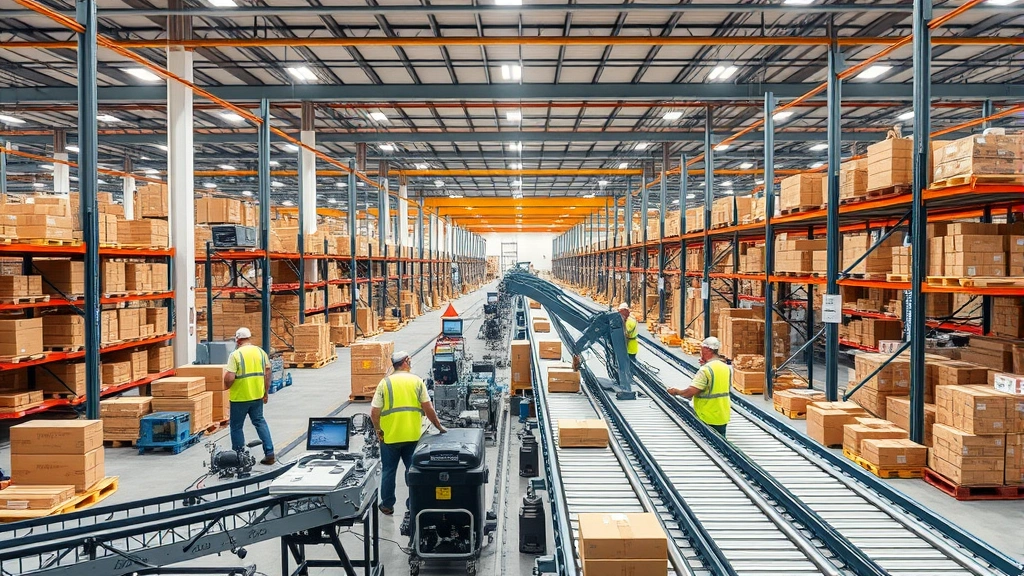
The logistics and fulfillment sector has evolved significantly to support this growth. Companies are investing heavily in warehouse automation, same-day delivery capabilities, and cross-border fulfillment networks. The integration of advanced inventory management systems and real-time tracking technologies has substantially improved customer satisfaction and reduced return rates. For businesses exploring market entry strategies, understanding marketing strategy for small businesses is crucial for establishing competitive positioning in this crowded digital marketplace.
Consumer Behavior and Purchasing Patterns
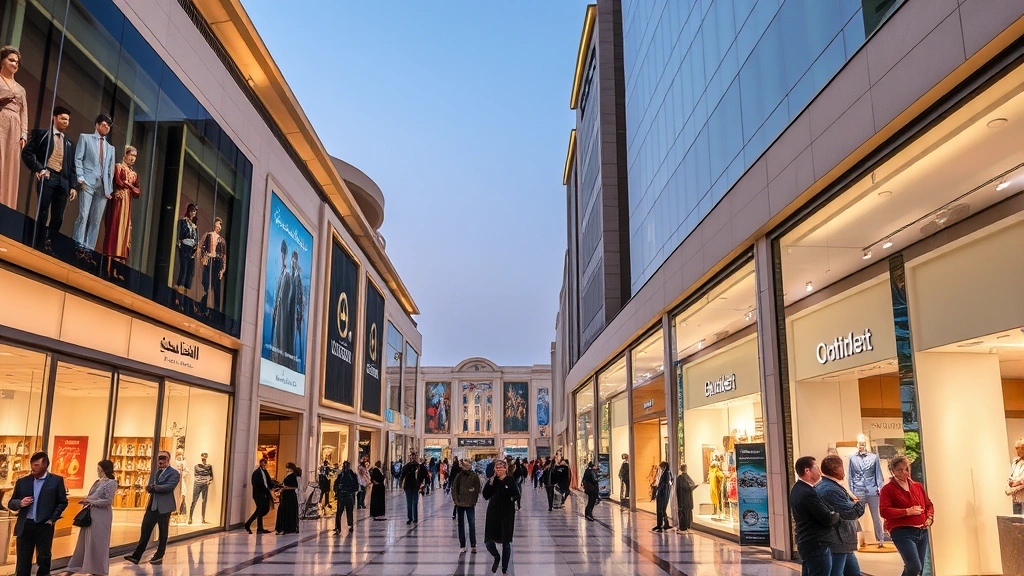
Middle Eastern consumers exhibit distinctive purchasing behaviors shaped by cultural values, seasonal patterns, and high disposable income levels. The region demonstrates strong preference for premium and branded products, with luxury goods representing a disproportionately large share of retail spending. According to McKinsey’s Middle East consumer research, affluent consumers in the region spend significantly more on fashion, electronics, and home goods compared to global averages.
Seasonal shopping patterns are particularly pronounced, with the Islamic holy month of Ramadan driving significant purchasing spikes. During Ramadan and subsequent Eid celebrations, consumer spending can increase by 30-50%, creating peak demand periods for retailers. Understanding these cyclical patterns is essential for inventory planning, marketing campaign timing, and promotional strategy development. Additionally, the summer months see increased travel and leisure spending, while the winter season attracts international visitors and tourists.
Family-oriented purchasing decisions characterize the Middle Eastern market, with joint buying decisions common for major purchases. Social proof and recommendations from trusted networks significantly influence consumer choices. The importance of brand heritage and authenticity cannot be overstated, as consumers actively seek products with established market presence and strong reputations. E-commerce platforms that emphasize trust signals, customer reviews, and secure payment options tend to experience higher conversion rates and customer loyalty.
Technology Integration and Digital Payment Systems
Digital payment adoption has become a cornerstone of Middle East market modernization. The region has witnessed rapid growth in mobile wallets, contactless payments, and digital banking solutions. Apple Pay, Google Pay, and regional solutions like Telr, 2Checkout, and PayTabs have achieved significant market penetration. The Central Bank of Saudi Arabia and UAE’s monetary authorities have actively promoted digital payment infrastructure development, resulting in increasing transaction volumes across digital channels.
Cryptocurrency and blockchain technology represent emerging payment frontiers in the Middle East. Several Gulf Cooperation Council countries are exploring central bank digital currencies (CBDCs) and blockchain-based settlement systems. This technological evolution creates opportunities for fintech companies and innovative payment processors to establish market leadership. For insights into broader market dynamics affecting technology adoption, exploring digital marketing trends 2025 provides valuable context for technology-driven business strategies.
The integration of artificial intelligence and machine learning into customer service, fraud detection, and personalization systems has become standard practice among leading retailers. Chatbots supporting Arabic language interactions, AI-powered recommendation engines, and predictive analytics platforms are increasingly deployed to enhance customer experiences and optimize operational efficiency. Businesses investing in these technologies gain competitive advantages in customer retention and lifetime value optimization.
Luxury Market Expansion and Premium Segments
The Middle East luxury goods market represents one of the world’s most affluent consumer segments, with particularly strong demand in fashion, jewelry, watches, and cosmetics. The region accounts for approximately 10-12% of global luxury consumption, despite representing only 6% of the world’s population. High-net-worth individuals (HNWIs) in the Gulf region demonstrate distinctive preferences for exclusive, limited-edition products and personalized shopping experiences.
Luxury e-commerce has emerged as a significant growth segment, with specialized platforms catering to premium consumers. Brands like SSENSE, Farfetch, and regional luxury platforms have invested substantially in Arabic language support, local payment methods, and VIP concierge services. The luxury market’s resilience during economic fluctuations and strong growth trajectory make it an attractive segment for international brands seeking expansion opportunities.
Personal shopping services, exclusive preview events, and invitation-only sales have become essential components of luxury retail strategies. The importance of relationship-based selling and personalized customer engagement in this segment cannot be overstated. Luxury brands are increasingly leveraging social media influencers, celebrity endorsements, and experiential marketing to build brand affinity and drive premium product sales. Understanding marketing mix strategies provides frameworks applicable to luxury market positioning and integrated marketing communications.
Regulatory Environment and Business Opportunities
The Middle East regulatory landscape has become increasingly supportive of business innovation and foreign direct investment. Initiatives like the UAE’s Golden Visa program, Saudi Arabia’s GOSI reforms, and streamlined company registration processes have attracted significant international business interest. Regulatory clarity regarding e-commerce operations, data protection, and consumer rights has improved substantially, creating confidence among international investors.
Government support for small and medium enterprises (SMEs) through subsidized financing, business incubators, and digital transformation grants has fostered entrepreneurial ecosystems. The World Bank’s Middle East and North Africa regional office reports increasing private sector dynamism and innovation-driven economic growth. However, businesses must navigate sector-specific regulations, labor law requirements, and cultural considerations carefully to ensure sustainable operations.
Data localization requirements in certain jurisdictions necessitate that businesses maintain servers and customer data within specific geographic boundaries. Understanding these regulatory nuances is critical for technology companies and digital service providers. Additionally, obtaining proper business licenses, understanding tax implications, and complying with local content requirements are essential prerequisites for market entry. Consulting with regional legal and business experts is highly recommended for enterprises planning significant investments.
Social Commerce and Influencer-Driven Sales
Social commerce has become a dominant force in Middle East retail, with platforms like Instagram, TikTok, and Snapchat driving substantial purchase volumes. The region demonstrates exceptionally high social media engagement rates, with consumers spending an average of 3-4 hours daily on social platforms. This engagement translates directly into sales opportunities for brands effectively leveraging social commerce strategies.
Influencer marketing has evolved into a sophisticated, data-driven practice within the Middle East market. Micro-influencers (10,000-100,000 followers) and nano-influencers demonstrate particularly high engagement rates and audience trust. Regional influencers with authentic connections to local communities often outperform international personalities in driving conversions. Brands are increasingly investing in long-term influencer partnerships rather than one-off sponsored content, recognizing the value of sustained brand advocacy.
Live shopping events, where influencers demonstrate products in real-time while viewers purchase simultaneously, have achieved remarkable success in the region. These interactive experiences create urgency, build community engagement, and drive immediate sales conversions. The integration of shoppable posts, direct product links, and streamlined checkout processes within social platforms has eliminated friction from the purchase journey. For comprehensive understanding of contemporary market dynamics, reviewing Market Rise Hub Blog offers ongoing insights into evolving market trends and strategic considerations.
User-generated content campaigns and community-driven brand building strategies resonate strongly with Middle Eastern audiences. Brands encouraging customers to share their product experiences through hashtags, reviews, and creative content foster authentic engagement and social proof. This approach has proven particularly effective for fashion, beauty, and lifestyle brands targeting younger demographic segments.
FAQ
What is the current size of the Middle East market?
The Middle East market represents a combined GDP exceeding $2 trillion with a population of over 400 million. E-commerce alone exceeded $25 billion in 2024, with projected growth rates of 12-15% annually through 2027. The region’s market size continues expanding across multiple sectors including retail, technology, and financial services.
Which countries in the Middle East show the strongest market growth?
Saudi Arabia and the United Arab Emirates lead market growth, accounting for approximately 45% of the region’s e-commerce transactions. Qatar, Kuwait, and Bahrain also demonstrate significant growth momentum, though with smaller absolute market sizes. Egypt and other North African markets represent emerging opportunities with substantial long-term potential.
How important is mobile commerce in the Middle East market?
Mobile commerce is critically important, with mobile devices accounting for 70-75% of e-commerce traffic in the region. Smartphone penetration rates exceed 80% in Gulf countries, making mobile-first design and mobile payment integration essential for business success. Apps and mobile platforms often outperform desktop channels in transaction volumes and customer engagement.
What payment methods are most popular in the Middle East?
Credit and debit cards remain the dominant payment method, though digital wallets and mobile payment solutions are rapidly gaining adoption. Cash-on-delivery (COD) remains significant, particularly in emerging markets and for first-time online shoppers. Buy-now-pay-later (BNPL) services and cryptocurrency payments are emerging segments showing increased adoption among younger consumers.
How does Ramadan affect Middle East market trends?
Ramadan creates significant seasonal shopping patterns, with consumer spending increasing 30-50% during the holy month and subsequent Eid celebrations. Retailers typically adjust inventory levels, marketing budgets, and promotional strategies to capitalize on this peak period. Understanding these cyclical patterns is essential for effective inventory management and cash flow planning.
What regulatory considerations should businesses understand before entering the Middle East market?
Businesses must navigate data localization requirements, obtain appropriate business licenses, comply with local content regulations, and understand sector-specific rules. The regulatory environment has become increasingly supportive of foreign investment, but consulting with regional legal experts is essential. Labor law requirements, tax implications, and cultural considerations must be carefully evaluated before market entry.