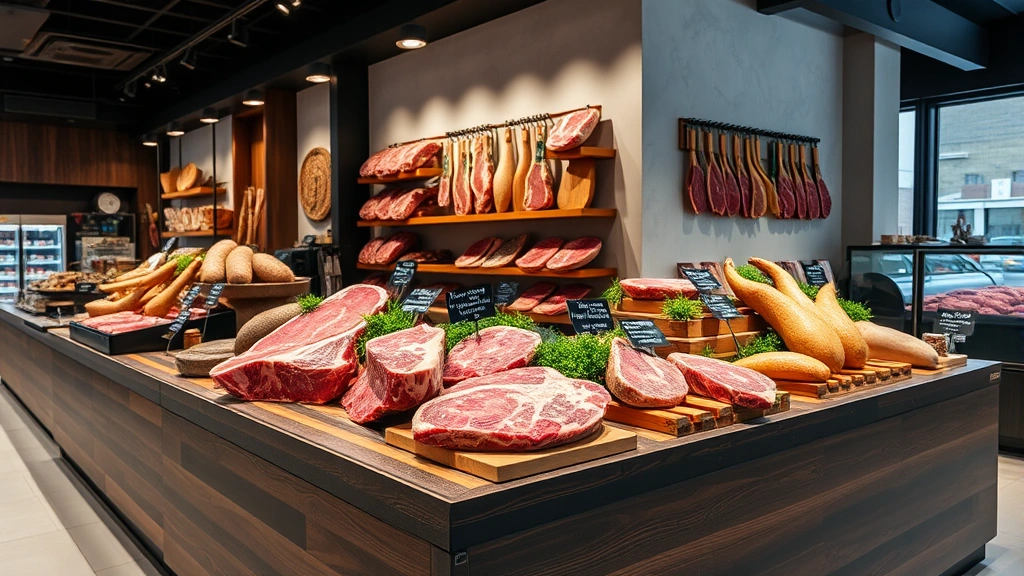
Exotic Meat Market Trends: Insider Insights on Global Demand & Growth
The exotic meat market has undergone a dramatic transformation over the past decade, evolving from a niche culinary curiosity into a legitimate global commerce sector worth billions of dollars. Consumer preferences are shifting toward alternative proteins, sustainability concerns are reshaping supply chains, and regulatory frameworks are becoming increasingly sophisticated. For entrepreneurs, retailers, and investors tracking market opportunities, understanding these trends is essential.
This comprehensive guide explores the current state of the exotic meat industry, examining consumer behavior, market drivers, regulatory challenges, and future projections. Whether you’re considering entry into this space or optimizing existing operations, the insights within will provide actionable intelligence for decision-making.
What Defines the Exotic Meat Market
The exotic meat market encompasses proteins derived from non-traditional livestock species, including game meats (venison, wild boar, elk), poultry alternatives (ostrich, emu, quail), and specialty proteins (kangaroo, bison, camel). The classification varies by region—what’s considered exotic in North America might be conventional in other markets. This market segment exists at the intersection of culinary innovation, nutritional awareness, and sustainability advocacy.
Unlike conventional beef, pork, and chicken markets dominated by large-scale industrial operations, exotic meat production typically involves smaller producers, specialty farms, and game management operations. This fragmentation creates both opportunities and challenges for market participants seeking localized distribution channels.
Current Market Size and Growth Projections
According to recent market analysis, the global exotic meat market reached approximately $27.8 billion in 2023 and is projected to expand at a compound annual growth rate (CAGR) of 6.8% through 2031. This growth significantly outpaces conventional protein markets, reflecting fundamental shifts in consumer preferences and dietary patterns.
The North American exotic meat market alone represents roughly 35% of global volume, driven by increasing availability in specialty retailers and premium restaurants. Europe accounts for approximately 28% of market share, with particularly strong demand in countries like Germany, France, and the United Kingdom. Asia-Pacific regions show the fastest growth trajectory, with emerging middle-class consumers in China, India, and Southeast Asia increasingly seeking premium protein options.
According to Grand View Research, bison and venison currently dominate the exotic meat category by volume, while ostrich and kangaroo are experiencing the most rapid growth in market penetration. These dynamics create distinct opportunities for suppliers, processors, and retailers operating within specific niches.
Consumer Demand Drivers
Understanding what motivates exotic meat consumption is critical for anyone developing effective marketing strategies. Research indicates multiple overlapping demand drivers:
- Health and Nutrition Consciousness: Exotic meats often contain higher protein concentrations, lower fat content, and superior micronutrient profiles compared to conventional beef. Kangaroo meat, for instance, contains up to 50% less fat than beef while maintaining comparable protein levels. This nutritional advantage resonates with health-conscious consumers and fitness enthusiasts.
- Sustainability Concerns: Traditional cattle ranching requires substantially more water, land, and feed resources than alternative livestock. Consumers increasingly seek proteins with lower environmental footprints. Kangaroo farming, for example, requires minimal water supplementation and reduces land degradation in arid regions.
- Ethical Consumption: Game meat sourcing from wild populations or specialized farms is often perceived as more humane than concentrated animal feeding operations (CAFOs). This perception drives premium pricing and loyalty among ethically-minded consumers.
- Culinary Exploration: Growing interest in global cuisines and restaurant experiences exposes consumers to exotic proteins. Premium restaurants featuring game and alternative meats create aspirational demand that trickles into retail channels.
- Food Security and Resilience: As climate change impacts traditional agriculture, consumers and institutions explore alternative protein sources as insurance against supply disruptions.
Demographic data shows exotic meat consumption concentrates among affluent (household income exceeding $100,000), educated (college degree or higher), and urban consumers aged 25-55. However, younger millennials and Gen Z consumers are expanding this demographic profile through different motivations—sustainability and novelty drive their adoption more than traditional health narratives.
Regional Market Variations
The exotic meat market exhibits profound regional heterogeneity that reflects cultural traditions, regulatory environments, and distribution infrastructure. Understanding these variations is essential for businesses considering geographic expansion.
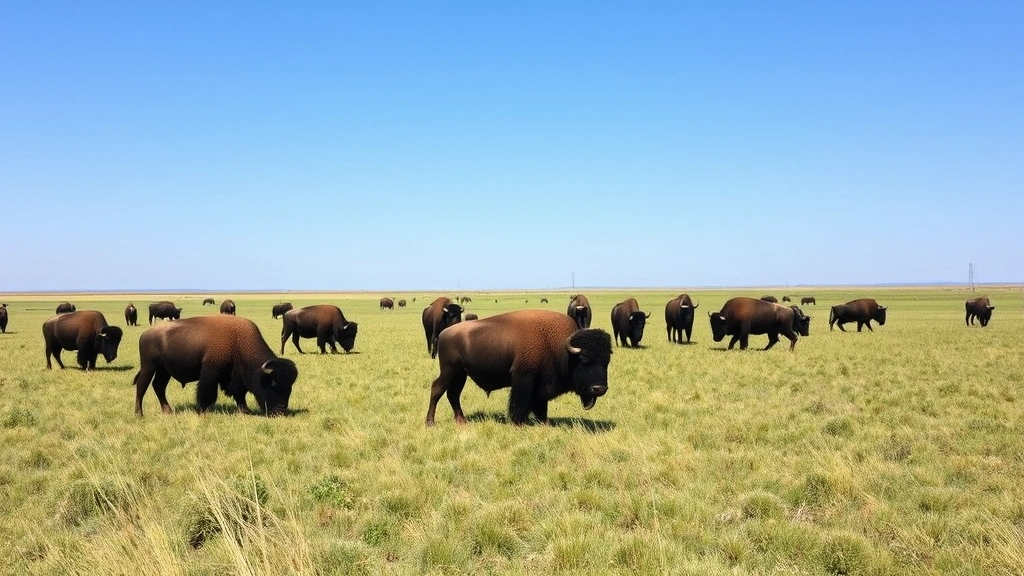
North America: The United States and Canada represent mature markets with established supply chains for bison, venison, and elk. Native American tribes and ranchers have developed sophisticated farming operations, creating reliable supply. Premium restaurants in major metropolitan areas (New York, Los Angeles, Chicago, Toronto) drive retail demand. Bison consumption has grown particularly strong, with producers emphasizing heritage narratives and sustainability credentials.
Europe: Game meat consumption maintains traditional prominence, particularly in Germanic and Nordic regions where wild boar, deer, and pheasant feature prominently in cultural cuisine. However, regulatory frameworks are increasingly stringent. The European Union’s food safety protocols require extensive traceability documentation, creating barriers for smaller producers but enabling quality assurance that justifies premium pricing.
Asia-Pacific: This region presents the most dynamic growth opportunities. Traditional consumption of game meats in countries like South Korea, Japan, and Vietnam is expanding beyond cultural communities into mainstream affluent markets. China’s growing middle class is driving demand for premium proteins, though regulatory restrictions on certain species remain significant. McKinsey & Company research indicates Chinese consumers increasingly view exotic proteins as status markers and wellness investments.
Middle East and Africa: Camel meat represents a significant market segment, particularly in Gulf states and North Africa, where it maintains both cultural significance and growing commercial scale. Ostrich farming in South Africa has developed into a substantial export industry, with Middle Eastern and Asian markets absorbing increasing volumes.
Supply Chain Dynamics
The exotic meat supply chain differs fundamentally from conventional protein systems, creating both operational challenges and competitive advantages for market participants. Understanding these dynamics is crucial for small business strategies in this sector.
Unlike industrial beef production, exotic meat sourcing involves multiple pathways: wild harvesting (regulated game), farm-raised specialty livestock, and hybrid models combining wild management with controlled breeding. Each pathway involves distinct regulatory requirements, cost structures, and quality variability. Wild venison, for example, requires licensed hunters and government management oversight, creating supply unpredictability but commanding premium prices for perceived authenticity.
Processing infrastructure represents a critical bottleneck. Specialized slaughterhouses equipped to handle exotic species are geographically concentrated, forcing producers to transport live animals considerable distances or ship carcasses across regions. This fragmentation creates opportunities for regional processors willing to invest in specialized equipment and expertise. Countries like New Zealand and Australia have developed processing infrastructure that now serves global export markets, creating competitive advantages through economies of scale.
Cold chain logistics present additional complexity. Exotic meats often command prices justifying air freight, yet temperature sensitivity requires sophisticated handling. Companies developing reliable cold chain partnerships gain significant competitive advantages in accessing distant markets.
Distribution channels remain limited compared to conventional proteins. Specialized butchers, premium grocery retailers, and direct-to-consumer models dominate, with online sales growing rapidly. This fragmentation means that effective marketing becomes particularly important for building brand recognition and consumer loyalty.
Regulatory Landscape
Regulatory frameworks represent perhaps the most significant constraint on exotic meat market expansion. These regulations vary dramatically across jurisdictions, creating complexity for companies with cross-border operations.
In the United States, exotic meat regulation falls under USDA jurisdiction, with specific protocols for game animals, farm-raised wildlife, and imported species. Certain species face import restrictions or require specific documentation. States maintain additional authority, creating a patchwork of requirements. Some states prohibit ostrich or emu sales, while others permit them under specific conditions. This fragmentation requires sophisticated compliance infrastructure.
European Union regulations impose stringent food safety and animal welfare standards. Game meat from wild sources requires extensive documentation regarding hunting practices, wildlife management, and processing conditions. These requirements increase compliance costs but create consumer confidence in product safety and ethical sourcing.
China maintains particularly restrictive regulations, particularly regarding imported exotic meats and certain domestic species. Recent regulations limiting wildlife consumption in response to disease transmission concerns have created volatility in previously reliable markets.
Australia and New Zealand maintain relatively permissive frameworks for kangaroo and venison exports, having developed regulatory infrastructure that balances commercial interests with conservation objectives. This regulatory clarity has enabled these countries to dominate global exotic meat trade in their respective categories.
Emerging regulations around sustainability and traceability are reshaping competitive dynamics. Companies investing in blockchain-based supply chain transparency and sustainability certifications are positioning themselves advantageously as regulatory standards tighten globally.
Competitive Landscape
The exotic meat market remains highly fragmented, with no single company commanding more than 8-10% market share globally. This fragmentation creates opportunities for specialized producers but also indicates the market’s relative immaturity compared to conventional protein industries.
Key competitive segments include: large-scale ranching operations (particularly bison and venison producers in North America), specialty importers and distributors, premium restaurant suppliers, and direct-to-consumer online retailers. Each segment exhibits distinct competitive dynamics.
Bison represents the most consolidated category, with organizations like the National Bison Association coordinating approximately 4,000 producers across North America. This organization has invested substantially in brand building and market education, creating infrastructure advantages for member producers.
Venison production remains more distributed, with numerous regional producers competing on quality, heritage narratives, and local market presence. Premium venison commands significant price premiums—often $25-35 per pound retail—creating incentives for quality differentiation.
Emerging competitors from alternative protein sectors (plant-based and cultivated meat companies) increasingly position themselves as exotic meat alternatives rather than direct competitors. This repositioning reflects market reality—exotic meats and alternative proteins often serve different consumer segments and occasions.
International competitors from Australia, New Zealand, and South Africa are gaining market share in North American and European markets through established export infrastructure and regulatory compliance capabilities. These competitors emphasize sustainability credentials and supply chain transparency, creating pressure on traditional North American producers to invest in marketing and differentiation.

Marketing Strategies for Exotic Meat Retailers
Successful marketing in the exotic meat sector requires sophisticated approaches that address consumer knowledge gaps, build brand trust, and justify premium pricing. Generic commodity marketing approaches prove ineffective in this space.
Education-Focused Content Marketing: Consumers purchasing exotic meats typically lack familiarity with preparation methods, flavor profiles, and nutritional characteristics. Retailers succeeding in this space invest substantially in educational content—cooking tutorials, nutritional comparisons, sourcing transparency reports, and chef collaborations. This content marketing builds authority and addresses information barriers to purchase.
Sustainability Narrative Development: Companies articulating clear sustainability stories—whether emphasizing land conservation, reduced environmental footprint, or ethical sourcing—command premium positioning and loyalty. This narrative development must be grounded in verifiable data and third-party certifications to maintain credibility.
Premium Positioning and Experience: Exotic meat marketing succeeds when positioning products as premium experiences rather than commodity proteins. Packaging, presentation, and retail environment design significantly influence purchasing decisions. Direct engagement with consumers through tastings, cooking demonstrations, and chef partnerships enhances perceived value.
Community Building and Loyalty Programs: Successful retailers develop engaged communities around exotic meat consumption. This might include exclusive membership programs, early access to limited-availability products, recipe development collaborations, or sustainability partnership opportunities. These community elements create switching costs and premium pricing tolerance.
Digital and Omnichannel Strategies: Online sales represent the fastest-growing distribution channel for exotic meats, driven by convenience and access to specialty products. Successful retailers integrate online ordering with specialty retail experiences, offering cold chain logistics, subscription models, and direct producer connections that replicate the relationship-building aspects of traditional specialty retail.
Future Outlook and Emerging Opportunities
The exotic meat market stands at an inflection point, with several emerging trends likely to reshape competitive dynamics and growth trajectories over the next decade.
Cultivated and Cell-Based Exotic Meats: Biotechnology companies are developing cultivated versions of exotic meats, potentially addressing supply constraints and regulatory complications while maintaining flavor and nutritional profiles. These products could dramatically expand market size by reducing production costs and increasing supply reliability.
Sustainability-Driven Market Segmentation: As climate change impacts food systems, exotic meats positioned with strong sustainability credentials will command increasing premiums. Producers investing in regenerative agriculture practices, carbon offset programs, and ecosystem restoration narratives are positioning themselves for long-term growth.
Integration with Broader Protein Ecosystems: Rather than competing directly with plant-based alternatives, exotic meat producers increasingly position themselves as complementary options within diversified protein portfolios. This positioning reflects evolving consumer preferences for flexibility and experimentation rather than exclusive dietary commitments.
Regulatory Harmonization: As exotic meat markets mature, regulatory frameworks are gradually harmonizing, particularly within trading blocs like the European Union. This harmonization will reduce compliance costs for cross-border operators and enable economies of scale in processing and distribution.
Emerging Market Expansion: Middle-class expansion in Asia, Africa, and Latin America will drive substantial demand growth. Companies developing localized supply chains and marketing approaches in these regions will capture disproportionate growth.
Direct-to-Consumer and Farm-to-Table Models: Technology enabling direct connections between producers and consumers—through subscription services, online platforms, and logistics networks—will continue fragmenting traditional retail channels. Producers investing in these direct relationships build customer loyalty and capture greater margin.
FAQ
What is the largest segment within the exotic meat market?
Bison and venison currently represent the largest market segments by volume in North America and Europe, respectively. Globally, kangaroo is experiencing the fastest growth rate, particularly driven by Asian market expansion and sustainability positioning.
Why are exotic meats more expensive than conventional proteins?
Premium pricing reflects multiple factors: limited supply infrastructure, specialized processing requirements, smaller production scales preventing economies of scale, regulatory compliance costs, and consumer perception of superior quality and ethical sourcing. Additionally, marketing and distribution through specialty channels adds costs compared to commodity meat systems.
Is the exotic meat market sustainable long-term?
Market fundamentals suggest strong long-term viability, driven by persistent consumer demand for sustainable proteins, health consciousness, and culinary innovation. However, growth will be constrained by supply limitations and regulatory complexity. Producers investing in supply chain development and sustainability credentials are positioning themselves most favorably for long-term success.
Which regions offer the best growth opportunities for exotic meat businesses?
Asia-Pacific, particularly China, India, and Southeast Asia, represents the highest-growth opportunity, driven by middle-class expansion and premium protein demand. Established North American and European markets offer stability but slower growth. Emerging markets in Latin America and Africa present longer-term opportunities with less immediate competition.
How do I start an exotic meat retail business?
Successful entry typically involves: identifying a specific niche (species and customer segment), developing supplier relationships with established producers, understanding regulatory requirements in your jurisdiction, investing in cold chain logistics, and building brand positioning around sustainability or quality differentiation. Consulting with industry associations and existing retailers can accelerate learning and network development. Check market research resources and industry analysis to validate specific opportunities in your target market.
What role will alternative proteins play in the exotic meat market?
Rather than direct competition, plant-based and cultivated proteins increasingly serve as complementary options. Consumers are expanding protein portfolios rather than switching exclusively. Exotic meat producers positioning themselves as premium, sustainable options within diversified protein choices are most likely to thrive alongside alternative protein growth.


