Vintage Market Days: Insider Tips for Shoppers
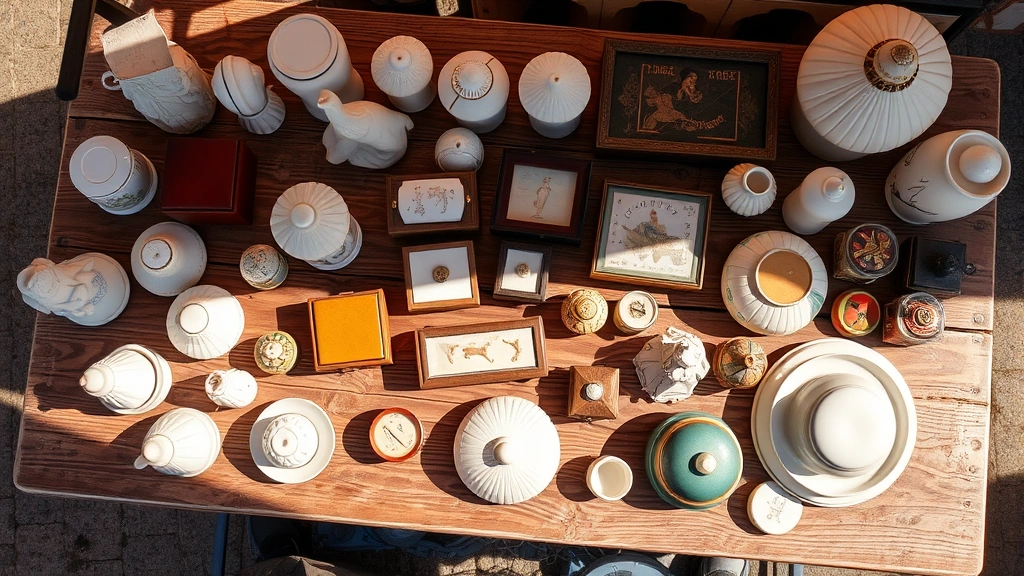
Vintage market days have become a cornerstone of modern retail culture, attracting millions of shoppers worldwide seeking unique, sustainable, and culturally significant products. Whether you’re a seasoned collector or a curious first-timer, understanding the dynamics of these markets can transform your shopping experience from overwhelming to exhilarating. These events blend commerce, nostalgia, and community engagement into vibrant marketplaces where both vendors and buyers thrive.
The vintage market landscape has evolved dramatically over the past decade. What once existed primarily in dusty antique shops and weekend flea markets has expanded into professionally curated events that rival mainstream retail experiences. According to Statista’s secondhand goods market analysis, the vintage and resale market has experienced consistent double-digit growth, with consumers increasingly prioritizing sustainability and authenticity in their purchasing decisions.
This comprehensive guide equips you with actionable strategies to maximize your vintage market days experience, from pre-event preparation through post-purchase evaluation. We’ll explore proven tactics used by professional collectors, insider knowledge about vendor negotiations, and strategic timing techniques that serious shoppers employ to secure the best finds before inventory depletes.
Understanding the Vintage Market Ecosystem
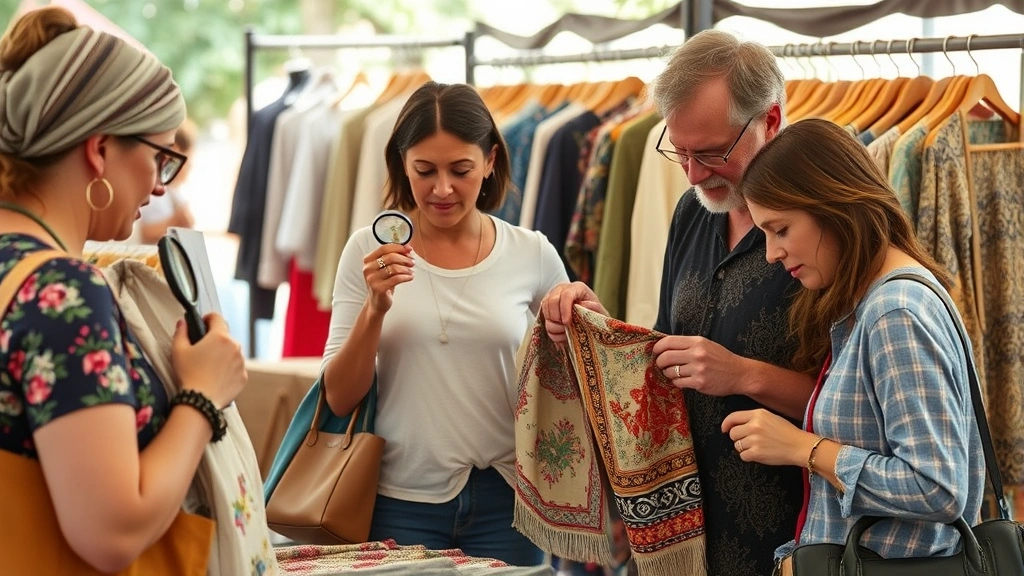
Vintage market days operate within a complex ecosystem encompassing multiple stakeholder groups, each with distinct motivations and expertise levels. Professional dealers, casual sellers, collectors, and bargain hunters converge in these spaces, creating dynamic trading environments where value is subjective and negotiation is culturally accepted.
The vintage market differs fundamentally from traditional retail in several key ways. First, inventory is non-renewable—once an item sells, it’s gone forever. This scarcity principle drives competitive bidding behaviors and creates urgency among shoppers. Second, pricing lacks standardization; identical items may be valued differently based on vendor expertise, market knowledge, and negotiation skills. Third, quality and condition vary dramatically even within product categories, requiring buyers to develop discerning evaluation capabilities.
Understanding markets near me and their specific characteristics helps shoppers develop venue-specific strategies. Urban vintage markets typically feature higher-end dealers with authenticated merchandise, while suburban and rural events often showcase eclectic collections with greater price variability. Regional differences matter significantly—coastal markets emphasize mid-century modern and nautical themes, while Midwestern venues showcase agricultural and industrial vintage pieces.
The vendor base in vintage markets includes professional antique dealers with decades of expertise, estate liquidators processing inherited collections, individual collectors downsizing, and entrepreneurial resellers sourcing from thrift stores and auctions. Each vendor type brings different pricing philosophies and negotiation flexibility. Professional dealers with established reputations tend toward firm pricing, while individual sellers often show greater willingness to negotiate, particularly on bulk purchases or cash transactions.
Pre-Event Preparation Strategies
Successful vintage market shopping begins weeks before the event itself. Preparation separates casual browsers from strategic shoppers who consistently acquire valuable pieces at optimal prices. This foundational work involves research, planning, and psychological preparation for the competitive environment you’ll encounter.
Start by researching the specific vintage market event you plan to attend. Investigate the vendor roster if available, noting dealers specializing in your target categories. Review social media posts and images from previous years’ events to understand typical inventory depth and pricing ranges. Check weather forecasts and plan accordingly—comfortable clothing and appropriate footwear matter enormously when you’ll spend 4-6 hours navigating crowded venues.
Create a shopping list organized by priority categories. Distinguish between items you actively seek (high priority), items that would enhance your collection if priced appropriately (medium priority), and opportunistic purchases (low priority). This framework prevents impulse buying and keeps you focused when sensory overload threatens to derail decision-making. Experienced collectors recommend allocating your budget across these categories: 50% for priority items, 30% for medium-priority pieces, and 20% for opportunistic finds.
Establish a realistic budget and commit to it. Vintage market environments create psychological pressure to spend more than intended. The combination of scarcity, competition, and nostalgic triggers activates emotional spending patterns. Consider bringing only the cash you plan to spend rather than carrying credit cards—this physical constraint creates natural spending discipline.
Study pricing benchmarks for items on your wish list. Use online marketplaces like eBay, Ruby Lane, and Etsy to establish baseline prices for comparable items. Note condition factors, geographical variations, and seasonal pricing trends. This research provides negotiation leverage and helps you recognize genuine deals versus inflated pricing. Understanding digital marketing strategy examples used by online vintage retailers reveals how pricing and positioning influence perceived value.
Prepare practical supplies for efficient shopping: comfortable bag or backpack for purchases, magnifying glass for examining details, smartphone with camera for documenting items and checking prices, small notepad for vendor contact information, and hand sanitizer for hygiene between handling items. Some experienced shoppers bring portable scales for weighing items when negotiating bulk purchases of vintage textiles or decorative objects.
Navigating the Event Successfully
Arrival timing dramatically influences your vintage market experience. Arriving early—ideally within the first 30-60 minutes of opening—provides significant advantages. Inventory remains complete, vendors are fresh and more open to negotiation, and crowds haven’t created bottlenecks around popular booths. Early arrivals often encounter dealers still unpacking merchandise, creating opportunities to negotiate on items not yet formally displayed.
Conversely, arriving during final hours (last 1-2 hours before closing) offers different advantages. Vendors facing unsold inventory often become dramatically more flexible on pricing, particularly on bulky items requiring storage. Professional dealers sometimes reduce prices 20-40% in final hours to minimize carrying inventory home. The strategic choice depends on your priorities: early arrival for selection, late arrival for aggressive discounting.
Develop a systematic navigation strategy rather than wandering randomly. Create a mental or physical map of the venue, identifying sections by category or vendor type. Plan your route to visit priority vendors first when you’re mentally fresh and have maximum budget remaining. Save browsing sections with lower-priority items for later, when decision fatigue naturally sets in.
Engage respectfully with vendors while gathering information. Professional dealers appreciate informed questions and genuine interest. Ask about provenance, manufacturing dates, regional variations, and care recommendations. These conversations often reveal pricing flexibility and build rapport that facilitates negotiation. Vendors remember engaged shoppers and may contact them about future acquisitions matching their interests.
Document items of interest with photos and notes. When you encounter a potentially valuable piece you’re uncertain about, photograph it and research later rather than making hurried decisions. Many shoppers maintain a note-taking system during events, recording booth number, vendor name, item description, and asking price—this creates a searchable record useful for follow-up negotiations or comparisons when you encounter similar items at different booths.
Take strategic breaks. Vintage market shopping is physically and mentally demanding. Regular breaks preserve decision-making quality and prevent fatigue-induced impulse purchases. Stay hydrated and consume light snacks to maintain energy levels. These breaks also provide mental space for considering major purchases rather than succumbing to in-the-moment pressure.
Negotiation Tactics and Price Optimization
Negotiation is culturally embedded in vintage market dynamics. Unlike retail environments where prices are fixed, vintage markets operate on negotiable pricing—particularly for dealers. Understanding negotiation psychology and tactics separates successful shoppers from those paying asking prices on everything.
The foundation of effective negotiation is research. Knowing the comparative market value of items provides legitimate justification for lower offers. Present your research respectfully: “I’ve seen similar pieces on eBay selling for $X in this condition.” This approach reframes negotiation from confrontation to collaborative price-discovery rather than vendor resistance.
Bundle negotiation creates powerful leverage. Vendors prefer processing one large transaction to multiple small ones—transaction costs are lower, and they move more inventory. Offering to purchase multiple items from a single vendor often generates 15-25% aggregate discounts. Propose bundles strategically, combining items you definitely want with slightly lower-priority pieces the vendor is enthusiastic about selling.
Cash negotiation remains surprisingly effective despite digital payment prevalence. Many vendors face credit card processing fees (2-3%) and prefer immediate cash. Offering cash often generates 5-10% discounts, particularly on higher-value purchases. However, only use this tactic if you genuinely have cash—vendors resent the implication followed by credit card payment.
Timing-based negotiation exploits vendor psychology. Early in the day, vendors are optimistic about achieving target sales and show less negotiation flexibility. As the day progresses without sales, flexibility increases dramatically. Final-hour negotiations often succeed where morning attempts fail. Conversely, if a vendor has already sold substantial inventory, they may maintain firm pricing on remaining pieces, believing replacements will sell quickly.
The “imperfection approach” works for items with minor flaws. Point out condition issues, wear patterns, or missing components respectfully. Vendors often acknowledge these factors and adjust pricing accordingly. This differs from aggressive haggling—you’re providing market feedback that informs fair pricing rather than demanding unreasonable discounts.
Relationship-building creates long-term negotiation advantages. Professional dealers often extend special pricing to repeat customers or those they recognize from previous events. Exchange contact information with vendors whose merchandise aligns with your collecting interests. Many dealers contact preferred customers about new acquisitions, sometimes offering pre-event first access or special pricing.
Understand when negotiation is inappropriate. Brand-new merchandise from professional retailers operating temporary booths at vintage markets typically has non-negotiable pricing. Clearly authenticated, rare items from expert dealers usually warrant asking prices. Conversely, estate sale merchandise, bulk lots, and items with condition issues offer substantial negotiation opportunity.
Identifying Authentic Vintage Items
Authentication represents the most critical skill for serious vintage market shoppers. The market contains counterfeit items, reproductions misrepresented as vintage, and genuine vintage pieces with inflated valuations. Developing authentication capabilities protects your investment and builds confidence in your acquisitions.
Understand the distinctions between categories: authentic vintage items are genuinely old, original in manufacture, and unaltered since production; reproduction vintage items are newly manufactured to replicate vintage styles; retro items are original pieces from 1960s-1980s designed in period-appropriate styles; and collectible vintage items are older pieces with recognized market value among enthusiasts.
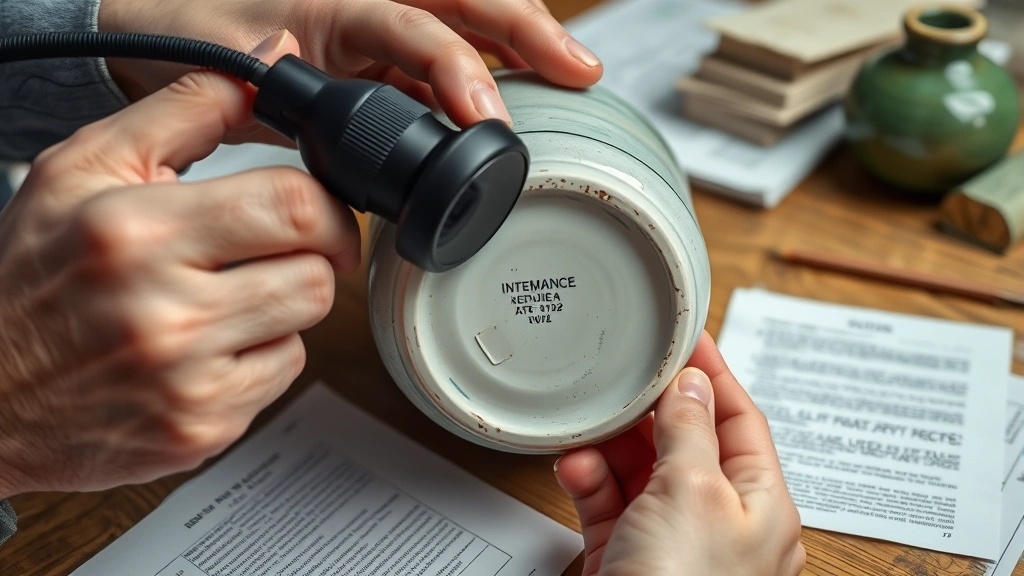
Examine construction techniques and materials carefully. Authentic vintage manufacturing typically shows hand-stitching variations, natural material imperfections, and period-appropriate joining methods. Modern reproductions often display perfect uniformity, contemporary fastening methods, and materials unavailable during the claimed manufacturing period. Magnification reveals these details—bring a jeweler’s loupe or use smartphone magnification to inspect seams, stitching, hardware, and material composition.
Investigate maker’s marks, labels, and signatures. Genuine vintage items typically feature period-appropriate labels, stamps, or signatures consistent with documented manufacturer practices. Research expected label formats, typography, and materials for items you’re considering. Reproductions often feature inaccurate label reproductions, anachronistic typography, or labels manufactured using modern techniques inconsistent with period manufacturing.
Learn the specific authentication markers for your collecting interests. Furniture authentication requires knowledge of joinery techniques, wood types, and hardware styles across manufacturing periods. Textiles demand expertise in dye techniques, fiber composition, and weaving methods. Ceramics necessitate understanding glaze formulations, firing techniques, and maker’s marks. Investing time in specialized knowledge for your primary collecting categories provides enormous authentication advantages.
Utilize online authentication resources and expert communities. Websites like Ruby Lane, specialized forums, and social media groups dedicated to specific vintage categories provide peer authentication assistance. When considering significant purchases, post photos in relevant communities and request expert evaluation. Many collectors generously share expertise, particularly when you demonstrate genuine interest in learning rather than just seeking validation.
Understand condition terminology accurately. Mint condition means unused, original packaging; excellent means minimal wear, fully functional; good means visible wear but fully functional; fair means significant wear, minor damage; poor means substantial damage, questionable functionality. Vendors sometimes misrepresent condition deliberately or through genuine misunderstanding. Inspect items thoroughly and adjust pricing expectations based on actual condition rather than vendor descriptions.
Red flags indicating potential authentication issues include: prices significantly below market comparables (counterfeits or misidentified items), sellers unable to provide basic manufacturing information, inconsistent construction quality, labels or marks that appear artificially aged, and pressure tactics discouraging careful inspection.
Building Your Vintage Collection
Transitioning from casual vintage shopping to intentional collection-building requires strategic thinking and long-term planning. Collections appreciate more substantially than individual purchases when organized around coherent themes, quality standards, and acquisition discipline.
Define your collection’s focus clearly. Broad categories like “vintage furniture” or “antique textiles” provide insufficient direction. Instead, develop specific focuses: “mid-century modern dining chairs,” “1920s Art Deco jewelry,” or “Victorian-era medical instruments.” Specificity enables deeper expertise development, more effective vendor relationships, and greater appreciation potential as you become recognized as a specialist collector.
Establish quality standards for your collection. Decide whether you’ll accept pieces with condition issues, reproductions, or items from specific manufacturing periods. These standards maintain collection coherence and prevent accumulation of items misaligned with your vision. Reviewing Market Rise Hub Blog discussions on market trends provides context for understanding how collection focus influences long-term value.
Balance acquisition with curation. Serious collectors don’t purchase every desirable piece they encounter. They evaluate each potential acquisition against existing collection strengths, condition standards, and strategic gaps. This discipline prevents cluttered collections and maintains focus on pieces genuinely enhancing your collection’s narrative.
Document your collection systematically. Maintain detailed records including acquisition date, vendor information, purchase price, condition notes, and conservation history. Photograph each piece from multiple angles. This documentation serves insurance purposes, facilitates future sales, and creates valuable reference material for future acquisitions.
Join collector communities specific to your focus areas. These communities provide authentication assistance, market knowledge, acquisition opportunities, and social connection with like-minded enthusiasts. Many communities maintain discussion forums, organize collection tours, and facilitate private sales between members—often at more favorable terms than public market transactions.
Consider collection insurance as your accumulation increases. Vintage collections often appreciate significantly, and insurance policies should reflect current values. Maintain updated inventory with photographs and purchase documentation to support insurance claims if needed.
Post-Purchase Care and Value Preservation
Vintage market purchases require proper care and maintenance to preserve condition and value. Many new collectors underestimate post-purchase responsibilities, inadvertently damaging valuable pieces through improper storage or cleaning.
Implement appropriate cleaning protocols based on item materials and condition. Never use aggressive cleaning methods on delicate vintage items—research proper cleaning techniques for specific materials before attempting any cleaning. Textiles require specialized fabric-safe cleaning; metals need appropriate polish types; wood demands specific conditioning products. Improper cleaning often causes permanent damage reducing value more substantially than original dirt or patina.
Establish climate-controlled storage conditions. Vintage items are vulnerable to temperature and humidity fluctuations. Extreme conditions cause expansion and contraction in wood, accelerate deterioration in textiles, and promote corrosion in metals. Ideally, maintain storage temperatures between 60-70°F with 45-55% relative humidity. Avoid basements (moisture), attics (temperature extremes), and locations near windows (light damage).
Protect items from light exposure. Extended sunlight exposure fades textiles, discolors metals, and damages paper products. Store sensitive items in opaque containers or covered areas. If displaying vintage items, use UV-filtering glass or acrylic to minimize light damage while maintaining visibility.
Use appropriate storage materials. Acid-free tissue paper, archival-quality boxes, and preservation-grade storage containers protect items from deterioration. Avoid newspaper, plastic bags, and standard cardboard boxes—these materials contain chemicals promoting degradation. For long-term storage, invest in proper archival supplies; the modest expense prevents damage costing hundreds of dollars in restoration.
Handle items minimally and thoughtfully. Oils from hands, dust transfer, and accidental impacts cause cumulative damage. Wear cotton gloves when handling delicate items. Support items properly to prevent stress on joints or weak areas. Display pieces at appropriate heights and distances to minimize handling frequency.
Document condition changes over time. Photograph stored items periodically to track any deterioration. This documentation helps identify storage condition problems requiring adjustment. It also provides evidence of your collection’s condition for insurance purposes.
Consider professional conservation for valuable pieces. Expert conservators can address damage, stabilize deteriorating items, and implement preservation measures. While expensive, professional conservation often costs less than value loss from continued deterioration on significant pieces.
Understanding marketing strategy for small businesses principles applies if you eventually resell vintage items—proper documentation and preservation directly influence resale value and buyer confidence.
FAQ
What time should I arrive at vintage market days for the best selection?
Arrive within the first 30-60 minutes of opening for optimal selection. Early arrival provides complete inventory before popular items sell and allows negotiation with vendors who are more flexible early in the day. However, if you prioritize aggressive discounting over selection, arriving in the final 1-2 hours often yields 20-40% price reductions as vendors clear inventory.
How do I verify if a vintage item is authentic?
Examine construction techniques, materials, maker’s marks, and labels for period-appropriate characteristics. Use magnification to inspect details like stitching, hardware, and material composition. Research specific authentication markers for your item category. Consult online collector communities and specialized forums for expert evaluation. Compare the item against documented examples from reputable sources.
Is negotiation expected at vintage markets?
Yes, negotiation is culturally embedded in vintage market dynamics. However, appropriateness varies by vendor type and item category. Professional dealers with authenticated rare items typically maintain firm pricing, while individual sellers and estate liquidators often expect negotiation. Bundle purchases, offer cash, and point out condition issues to create negotiation leverage.
What budget should I allocate for vintage market shopping?
Establish a realistic budget based on your collecting goals and financial capacity. Experienced collectors suggest allocating 50% for priority items, 30% for medium-priority pieces, and 20% for opportunistic finds. Bring only cash you plan to spend to enforce spending discipline and potentially access cash discounts.
How should I store vintage items after purchase?
Maintain climate-controlled storage (60-70°F, 45-55% relative humidity) in dark locations protected from light exposure. Use archival-quality storage materials like acid-free tissue and preservation-grade boxes. Handle items minimally with cotton gloves. Implement appropriate cleaning protocols based on materials. Document condition periodically and consider professional conservation for valuable pieces.
What distinguishes vintage from retro or reproduction items?
Authentic vintage items are genuinely old, originally manufactured during their claimed period, and unaltered since production. Retro items are original pieces from 1960s-1980s designed in period-appropriate styles. Reproduction items are newly manufactured to replicate vintage styles. Understanding these distinctions prevents overpaying for items misrepresented as vintage.
How can I build a cohesive vintage collection?
Define specific collection focus rather than collecting broadly. Establish quality standards for condition and authenticity. Balance acquisition with curation—don’t purchase every desirable piece. Document acquisitions systematically with photographs and detailed records. Join collector communities in your specialty area. Maintain insurance coverage as collection value increases.
Should I join vintage collecting communities?
Absolutely. Collector communities provide authentication assistance, market knowledge, acquisition opportunities, and social connection. Many communities facilitate private sales between members at favorable terms. Specialized knowledge shared within communities significantly enhances your authentication capabilities and collecting success.